




Burbank sits in the eastern San Fernando Valley, where summer temperatures regularly push past 95 degrees and winter nights can drop into the 40s. The dry heat stresses cooling systems hard, particularly the older units common in neighborhoods like Magnolia Park and Rancho. Your air conditioner runs longer cycles here than in coastal areas, which means compressors work harder and refrigerant leaks develop faster.
The Santa Ana winds push dust and debris into outdoor condenser units, clogging coils and reducing efficiency. Homes near the Verdugo Mountains face additional challenges with airflow due to elevation changes and older ductwork in hillside properties. Many Burbank homes were built between the 1940s and 1960s, which means undersized ductwork and aging furnaces that struggle to keep up with modern comfort demands.
Local building codes require permits for system replacements and major repairs, and the city inspects all HVAC work carefully. You need a contractor who knows how to navigate Burbank's permitting process and understands what the inspector will look for. The combination of extreme heat, aging housing stock, and strict code enforcement makes choosing the right HVAC company critical for Burbank residents.
We built our reputation in Burbank by showing up when we say we will and fixing problems right the first time. Our technicians carry the parts you need on their trucks, which means most repairs happen during the initial visit instead of requiring a return trip. When your AC dies at 2 PM on a Tuesday in August, you cannot wait three days for a part to arrive. We stock the components that fail most often in Burbank's climate, from capacitors to contactor relays to refrigerant for every major brand.
Our team knows Burbank's housing patterns. We have worked on the bungalows in Magnolia Park, the hillside homes near Stough Canyon, and the apartments along Olive Avenue. Each property type presents different challenges, and we have seen them all. We know which furnaces were common in 1950s construction, what ductwork layouts work best in split-level homes, and how to retrofit modern systems into older properties without major renovation.
We handle permits and inspections for you. Our work passes inspection the first time because we follow code exactly and maintain good relationships with city inspectors. You do not have to figure out what forms to file or when to schedule inspections. We manage that process from start to finish. When we replace your system, we pull the permit, coordinate the inspection, and make sure everything is documented properly.
Our pricing is straightforward. We tell you what the repair costs before we start work, and that price does not change once we begin. No surprise charges for after-hours service or weekend calls. If we recommend replacement instead of repair, we explain exactly why and show you the numbers that support that recommendation.

We dispatch technicians to Burbank emergencies within hours, not days. Our trucks carry the parts needed for most repairs, which means we fix your system during the first visit. When your AC fails in triple-digit heat or your heater quits on a cold night, you get fast relief.

We complete most repairs during the initial service call because our technicians stock common failure parts. You do not wait days for components to arrive or pay for multiple service visits. We diagnose the problem, quote the repair, and complete the work on the spot.
Our technicians hold California HVAC certifications and EPA refrigerant handling licenses. We carry full liability insurance and workers compensation coverage. Every system replacement includes proper permitting and city inspection coordination. Your work is done right and documented properly.
We know Burbank's housing stock, from vintage bungalows to hillside homes to modern apartments. We understand how the local climate stresses systems and which components fail most often here. Our experience with Burbank properties means faster diagnosis and better repair decisions for your specific home.
We handle every aspect of heating and cooling service in Burbank, from emergency breakdowns to planned system replacements. Our service range covers residential and commercial properties throughout the city, including single-family homes, apartment buildings, retail spaces, and office complexes. Whether you need a quick repair to restore comfort or a complete system upgrade for better efficiency, we have the expertise and equipment to handle it.
Our approach separates services into three categories based on urgency and scope. Emergency repairs get priority dispatch and same-day service. Maintenance and tune-ups happen on your schedule to prevent breakdowns before they occur. System replacements and upgrades involve consultation, planning, and careful installation to maximize performance and lifespan. Each category requires different skills and equipment, and we excel at all three.
We service all major brands and system types, from central air conditioning to heat pumps to ductless mini-splits. Our technicians receive ongoing training on new equipment and stay current with refrigerant regulations and efficiency standards. When we recommend a repair or replacement, you get honest advice based on what makes sense for your property and budget, not what generates the highest invoice.
When your air conditioner quits on a 95-degree afternoon or your furnace stops working on a cold night, you need someone who answers the phone and dispatches help immediately. We handle emergency breakdowns across Burbank with same-day service and fully stocked trucks. Our technicians diagnose the failure, explain your options, and complete most repairs during the initial visit. Common emergency repairs include compressor failures, refrigerant leaks, blower motor replacement, thermostat issues, and electrical component failures.
Regular maintenance extends system lifespan and prevents expensive breakdowns. Our tune-up service includes cleaning condenser coils, checking refrigerant levels, testing electrical connections, lubricating moving parts, and inspecting ductwork for leaks. We catch small problems before they become major failures. Most Burbank homeowners schedule maintenance twice yearly, before summer cooling season and before winter heating season. Maintained systems run more efficiently, which lowers your energy bills and reduces the chance of failure during extreme weather.
When repair costs approach replacement costs or your system is over 15 years old, replacement makes better financial sense. We handle complete system installations, from equipment selection to permitting to final inspection. Our process includes load calculations to properly size your new system, ductwork evaluation and modification if needed, and coordination with Burbank building inspectors. We install high-efficiency systems that lower your energy bills and come with manufacturer warranties. The entire process typically takes one to two days.
Burbank's hot, dry climate creates specific HVAC challenges that differ from coastal areas. Summer temperatures regularly exceed 95 degrees, which means your air conditioner runs longer cycles and works harder than systems near the coast. The extended run times stress compressors and cause refrigerant leaks in older systems. Dust and debris from the Santa Ana winds clog outdoor condenser units, reducing efficiency and forcing your system to work harder to cool your home.
Many Burbank homes were built between the 1940s and 1960s, which means aging ductwork and undersized systems by modern standards. These older homes often have duct leaks that waste cooled air and make certain rooms uncomfortable. Furnaces installed 20 years ago struggle to meet current heating demands efficiently. Hillside properties near the Verdugo Mountains face additional challenges with airflow and ductwork routing due to elevation changes and unusual floor plans.
The combination of extreme heat, aging equipment, and older housing stock means Burbank residents face predictable problems each season. Knowing what to watch for helps you catch issues early, before a small problem becomes an expensive emergency.
Air conditioners lose cooling power when refrigerant leaks from worn connections or corroded coils. The system runs constantly but never reaches the temperature you set on the thermostat. Refrigerant leaks waste energy and damage your compressor if left unrepaired. We locate leaks, repair the source, and recharge your system to proper levels.
The outdoor condenser unit accumulates dust, leaves, and debris that blocks airflow through the coils. Blocked coils force your system to work harder and reduce cooling capacity. In Burbank's dusty conditions, condenser coils need cleaning more often than in other areas. We clean coils during maintenance visits to restore full efficiency and prevent overheating.
Duct connections loosen over time, and insulation deteriorates in attic spaces. Leaking ducts waste 20 to 30 percent of your cooled air before it reaches living spaces. You notice hot spots in certain rooms and higher energy bills. We test ductwork for leaks, seal connections properly, and add insulation where needed to restore full airflow.
Many Burbank homes built before 1970 have HVAC systems sized for lower comfort standards. Modern expectations for consistent temperature control require larger capacity than older calculations provided. Your system runs constantly but struggles to cool the entire home during peak heat. We perform load calculations to determine proper sizing and recommend appropriate upgrades.
We built our service process around the reality that most people call us during stressful situations. Your air conditioner quit working, your house is getting hotter by the hour, and you need someone who picks up the phone and sends help fast. Our process eliminates confusion and delivers results quickly.
When you call, you talk to someone who can actually help you, not a voicemail system. We ask about your symptoms, determine urgency, and dispatch a technician based on your situation. Emergency calls get same-day response. Non-emergency service happens at your convenience. We give you a realistic time window and call when we are on the way.
Our technicians arrive in marked trucks with your needed parts already on board. They diagnose the problem, explain what failed and why, then quote the repair cost before starting work. You decide whether to proceed based on clear information. Once you approve the work, we complete the repair and test the system to confirm proper operation. You get comfort back fast, with no surprises on the invoice.
Our technicians explain what went wrong in plain language, not technical jargon. We show you the failed component and explain why it failed. You get honest advice about whether repair makes sense or if replacement is the better choice. We provide the information you need to make a good decision about your system and your money. No pressure, no upselling, just straight talk about your options.
We quote the complete repair cost before we touch your system. The price includes labor, parts, and any other charges. That number does not change once we start work. You approve the cost or decline the repair based on complete information. No surprise charges appear on your invoice, and we do not add fees for evening or weekend service. The price we quote is the price you pay.
We do not consider a repair complete until your system runs properly and reaches the temperature you set. Our technicians test operation, check airflow, verify refrigerant levels, and confirm that all components function correctly. We clean up our work area and answer your questions about system operation. You get a written invoice that details the work performed and any recommendations for future maintenance.
We keep the process simple because you are already dealing with a broken system and uncomfortable temperatures. These three steps take you from initial call to restored comfort.
You call our number and describe your problem. We ask questions to understand the symptoms and determine urgency. Emergency situations get same-day dispatch. Scheduled maintenance happens at your convenience. We provide a realistic arrival window and call when the technician is on the way. You know when to expect us, and we show up during that window.
Our technician examines your system, identifies the problem, and explains what failed. We quote the repair cost and answer your questions. You approve the work based on complete information. We complete most repairs during this same visit because our trucks stock common parts. The repair happens quickly once you give approval, and we test the system thoroughly before we finish.
We verify that your system operates correctly and reaches the temperature you set. Our technician checks airflow, tests all functions, and confirms proper operation. We provide a detailed invoice showing the work completed and any recommendations for future service. Your system is back to normal operation, and you have documentation of the repair for your records.
California maintains some of the strictest HVAC regulations in the country, and Burbank enforces these standards carefully. Title 24 of the California Code of Regulations governs energy efficiency requirements for all HVAC installations and major modifications. Any system replacement requires a permit from Burbank's Community Development Department, and the work must pass inspection before you can legally operate the new equipment.
Refrigerant handling is heavily regulated. EPA Section 608 certification is required for any technician who works with refrigerants, and California adds additional requirements through the Air Resources Board. The phase-out of R-22 refrigerant means older systems need careful evaluation when they fail. We cannot simply add more R-22 to a leaking system. You face a choice between expensive refrigerant, conversion to a different refrigerant type, or system replacement.
Load calculations determine proper system sizing and must follow ACCA Manual J procedures. Undersized systems run constantly and fail to maintain comfort. Oversized systems cycle on and off too frequently, which wastes energy and reduces humidity control. Proper sizing requires calculating heat gain from windows, insulation values, duct layout, and local climate data specific to Burbank's weather patterns.
Ductwork modifications must meet California Mechanical Code standards for material type, insulation values, and sealing methods. Ducts in unconditioned spaces need R-8 insulation in Burbank's climate zone. All connections must be sealed with mastic or approved tape, not standard duct tape which fails quickly. We test ductwork for leaks using calibrated equipment and seal any leaks that exceed code limits.
Indoor air quality regulations affect system design and installation. Combustion appliances need proper venting and combustion air supply. Carbon monoxide detectors are required in specific locations. Ventilation rates must meet minimum standards based on home size and occupancy. These requirements protect your safety and ensure your system operates efficiently without compromising air quality.
All system replacements must meet California Title 24 energy efficiency standards. This includes minimum SEER ratings, proper refrigerant charge verification, duct leakage testing, and airflow measurements. We handle the compliance documentation and submit required forms to the city. Your installation passes inspection because we follow these standards exactly on every job.
Repair costs depend on which component failed and how difficult it is to access. Compressor replacement costs more than a capacitor swap. Parts for older systems cost more than current models. Refrigerant type affects price significantly, with R-22 costing substantially more than newer refrigerants. Labor time varies based on equipment location and system complexity. We provide exact pricing before starting work.
Most repairs take two to four hours from diagnosis to testing. Simple fixes like thermostat replacement or capacitor swaps take less time. Complex repairs involving refrigerant leaks or major component replacement take longer. System replacements typically require one to two days, including permit processing and inspection scheduling. We provide accurate time estimates based on the specific work your system needs.
California requires a C-20 contractor license for HVAC work. Technicians must hold EPA refrigerant handling certification. We maintain liability insurance and workers compensation coverage on all employees. These requirements protect you from liability if something goes wrong during service. Always verify that your HVAC contractor carries proper licensing and insurance before allowing work to begin.
This video explains common HVAC problems in Burbank, California, and how the local climate affects air conditioning and heating systems. Topics include refrigerant leaks, condenser coil maintenance, ductwork issues in older homes, emergency repair processes, and system replacement considerations. The video covers Title 24 energy compliance, proper sizing calculations, and what Burbank homeowners should expect during HVAC service calls. A Plus HVAC Los Angeles provides professional heating and cooling repair throughout Burbank and surrounding areas.
We provide HVAC service throughout Burbank, from the vintage bungalows of Magnolia Park to the hillside homes near Stough Canyon Nature Center. Our technicians know the city well and respond quickly to service calls in every neighborhood. The older housing stock in central Burbank near Olive Avenue and San Fernando Boulevard presents different challenges than newer construction in the Rancho area. We have experience with both.
Properties near the Verdugo Mountains face unique airflow challenges due to elevation changes and hillside construction. Ductwork routing in these homes often follows unusual paths, and equipment access can be difficult. We have worked on enough hillside properties to understand these complications and plan our approach accordingly. The split-level homes common in this area require careful attention to zone control and air balance.
Downtown Burbank's commercial district includes retail spaces, restaurants, and office buildings that need reliable climate control year-round. We service commercial HVAC systems throughout this area, handling everything from rooftop units to complex multi-zone systems. The older buildings along San Fernando Boulevard often have aging equipment that needs expert diagnosis to repair correctly.
Magnolia Park's historic homes feature original architecture and older mechanical systems. Many of these properties need system upgrades to meet modern comfort standards while respecting the home's character. We specialize in retrofit installations that improve efficiency without requiring major structural modifications. The tree-lined streets in this neighborhood also mean careful attention to outdoor unit placement and clearances.
The Rancho neighborhood features newer construction with modern HVAC systems, but these properties still need regular maintenance and occasional repairs. We service the tract homes and townhouses throughout this area, handling warranty work and post-warranty service on systems from all major manufacturers. Growth in this part of Burbank means we see a mix of brand-new construction and properties from the 1980s and 1990s.
We also serve areas just outside Burbank, including parts of North Hollywood, Toluca Lake, and Glendale. Our service area covers the entire eastern San Fernando Valley, and we dispatch technicians based on location and availability to minimize your wait time. Whether you live in central Burbank near the airport or in the hills above the city, we provide the same fast response and quality service.
The $5000 rule is a cost-versus-age guideline used to decide whether to repair or replace your HVAC system. Multiply your system's age by the repair estimate. If the total exceeds $5000, replacement makes more financial sense than repair. For example, if your 12-year-old unit needs a $500 fix, that equals $6000, suggesting replacement. In Burbank, where summer heat stresses older systems, this rule helps you avoid throwing money at a failing unit. Factor in energy efficiency gains from newer models, which can offset replacement costs through lower utility bills.
An average HVAC job in Burbank varies widely based on scope. Simple repairs like thermostat replacements or refrigerant recharges run lower, while compressor or evaporator coil replacements cost more. Full system replacements for typical single-family homes represent the largest investment. Labor, equipment efficiency ratings, and ductwork modifications influence total cost. Burbank's hot, dry summers and occasional winter cold snaps demand reliable systems, so investing in quality installation matters. Get multiple quotes from licensed contractors, verify permits are pulled, and ask about energy rebates from local utilities to reduce your net expense.
For a 2000 square foot home in Burbank, expect system sizing between 3 to 4 tons, depending on insulation, ceiling height, and sun exposure. Costs vary based on SEER rating, brand, and installation complexity. Higher SEER units cost more upfront but save on monthly cooling bills, which matters in Burbank's hot summers. Single-stage systems run less than variable-speed models with better temperature control. Ductwork condition affects pricing. If your existing ducts need sealing or replacement, add to the estimate. Always get a Manual J load calculation to ensure proper sizing.
The $5000 rule is a cost-versus-age guideline used to decide whether to repair or replace your HVAC system. Multiply your system's age by the repair estimate. If the total exceeds $5000, replacement makes more financial sense than repair. For example, if your 12-year-old unit needs a $500 fix, that equals $6000, suggesting replacement. In Burbank, where summer heat stresses older systems, this rule helps you avoid throwing money at a failing unit. Factor in energy efficiency gains from newer models, which can offset replacement costs through lower utility bills.
An average HVAC job in Burbank varies widely based on scope. Simple repairs like thermostat replacements or refrigerant recharges run lower, while compressor or evaporator coil replacements cost more. Full system replacements for typical single-family homes represent the largest investment. Labor, equipment efficiency ratings, and ductwork modifications influence total cost. Burbank's hot, dry summers and occasional winter cold snaps demand reliable systems, so investing in quality installation matters. Get multiple quotes from licensed contractors, verify permits are pulled, and ask about energy rebates from local utilities to reduce your net expense.
For a 2000 square foot home in Burbank, expect system sizing between 3 to 4 tons, depending on insulation, ceiling height, and sun exposure. Costs vary based on SEER rating, brand, and installation complexity. Higher SEER units cost more upfront but save on monthly cooling bills, which matters in Burbank's hot summers. Single-stage systems run less than variable-speed models with better temperature control. Ductwork condition affects pricing. If your existing ducts need sealing or replacement, add to the estimate. Always get a Manual J load calculation to ensure proper sizing.
The highest paid HVAC roles are specialized positions requiring advanced certifications and experience. Commercial HVAC project managers, industrial refrigeration technicians, and HVAC design engineers earn top compensation. Union positions, especially in major metro areas, command strong wages. Master HVAC technicians with EPA certifications, NATE credentials, and years of troubleshooting complex systems also earn well. In Burbank, technicians working on large commercial properties or multi-family housing projects see higher pay than residential-only techs. Specialized skills in building automation systems, VRF technology, and energy management systems increase earning power significantly.
New HVAC systems may qualify for federal tax credits in 2025 if they meet specific energy efficiency standards under the Inflation Reduction Act. Equipment must achieve required SEER2, EER2, or HSPF2 ratings. Heat pumps, central air conditioners, and furnaces can qualify. Limits apply per year. This is a tax credit, not a deduction, meaning it directly reduces your tax liability. California offers additional rebates through utility programs. Save all receipts and manufacturer certifications. Consult a tax professional to confirm eligibility, as rules change annually and depend on your specific installation and income level.
A 4000 square foot home in Burbank requires a larger capacity system, often 5 to 6 tons or possibly a zoned multi-unit setup. Costs increase with home size due to equipment capacity, additional ductwork, and installation labor. Two-story homes may need zoned systems for better temperature control between floors. Higher SEER ratings cost more but reduce operating expenses in Burbank's climate. Existing ductwork condition, insulation levels, and home layout all influence final pricing. Request a detailed load calculation to avoid oversizing or undersizing, which reduces efficiency and comfort.
The 3-minute rule refers to the minimum time your air conditioner should rest between cycles to protect the compressor. After shutting off, refrigerant pressure needs time to equalize throughout the system. Restarting too quickly forces the compressor to work against high pressure, causing strain and potential failure. Most modern thermostats and control boards enforce this delay automatically. If your AC short-cycles or restarts immediately without delay, you have a control issue or refrigerant problem. In Burbank's heat, proper cycling prevents premature compressor burnout and extends system life significantly.
An HVAC system lasts 15 to 20 years with proper maintenance, though Burbank's climate affects longevity. Heat pumps work harder year-round and may have shorter lifespans than furnace-and-AC combinations. Factors include installation quality, regular filter changes, annual tune-ups, and system usage. Units running constantly during hot summers wear faster. Coastal moisture from the Pacific can cause corrosion if not addressed. Neglected systems fail early. Schedule annual maintenance before cooling season, replace filters monthly during heavy use, and address minor issues before they escalate. Quality installation and consistent care maximize your investment.
Yes, experienced HVAC technicians can earn six figures through a combination of base pay, overtime, and specialized skills. Master techs in commercial or industrial settings, union positions, and those with business ownership reach this level. In Southern California markets like Burbank, skilled techs with EPA certifications, diagnostic expertise, and strong customer service command premium rates. Service managers, estimators, and those running their own HVAC companies exceed six figures regularly. Emergency and after-hours work increases earnings. Building expertise in emerging technologies like geothermal, VRF systems, and smart controls enhances income potential significantly.
Fall and early spring offer the best HVAC purchase timing in Burbank. Demand drops after summer cooling season and before winter heating needs, giving you negotiating leverage. Contractors have more availability for thorough installations without rushing between emergency calls. Manufacturers often run promotions during off-peak months. Avoid buying during summer heat waves when demand spikes and prices rise. Planning ahead lets you compare quotes, research rebates, and schedule installation when your home is comfortable. Emergency replacements during peak season cost more and limit your options. Book your consultation in October or March for best results.
The highest paid HVAC roles are specialized positions requiring advanced certifications and experience. Commercial HVAC project managers, industrial refrigeration technicians, and HVAC design engineers earn top compensation. Union positions, especially in major metro areas, command strong wages. Master HVAC technicians with EPA certifications, NATE credentials, and years of troubleshooting complex systems also earn well. In Burbank, technicians working on large commercial properties or multi-family housing projects see higher pay than residential-only techs. Specialized skills in building automation systems, VRF technology, and energy management systems increase earning power significantly.
New HVAC systems may qualify for federal tax credits in 2025 if they meet specific energy efficiency standards under the Inflation Reduction Act. Equipment must achieve required SEER2, EER2, or HSPF2 ratings. Heat pumps, central air conditioners, and furnaces can qualify. Limits apply per year. This is a tax credit, not a deduction, meaning it directly reduces your tax liability. California offers additional rebates through utility programs. Save all receipts and manufacturer certifications. Consult a tax professional to confirm eligibility, as rules change annually and depend on your specific installation and income level.
A 4000 square foot home in Burbank requires a larger capacity system, often 5 to 6 tons or possibly a zoned multi-unit setup. Costs increase with home size due to equipment capacity, additional ductwork, and installation labor. Two-story homes may need zoned systems for better temperature control between floors. Higher SEER ratings cost more but reduce operating expenses in Burbank's climate. Existing ductwork condition, insulation levels, and home layout all influence final pricing. Request a detailed load calculation to avoid oversizing or undersizing, which reduces efficiency and comfort.
The 3-minute rule refers to the minimum time your air conditioner should rest between cycles to protect the compressor. After shutting off, refrigerant pressure needs time to equalize throughout the system. Restarting too quickly forces the compressor to work against high pressure, causing strain and potential failure. Most modern thermostats and control boards enforce this delay automatically. If your AC short-cycles or restarts immediately without delay, you have a control issue or refrigerant problem. In Burbank's heat, proper cycling prevents premature compressor burnout and extends system life significantly.
An HVAC system lasts 15 to 20 years with proper maintenance, though Burbank's climate affects longevity. Heat pumps work harder year-round and may have shorter lifespans than furnace-and-AC combinations. Factors include installation quality, regular filter changes, annual tune-ups, and system usage. Units running constantly during hot summers wear faster. Coastal moisture from the Pacific can cause corrosion if not addressed. Neglected systems fail early. Schedule annual maintenance before cooling season, replace filters monthly during heavy use, and address minor issues before they escalate. Quality installation and consistent care maximize your investment.
Yes, experienced HVAC technicians can earn six figures through a combination of base pay, overtime, and specialized skills. Master techs in commercial or industrial settings, union positions, and those with business ownership reach this level. In Southern California markets like Burbank, skilled techs with EPA certifications, diagnostic expertise, and strong customer service command premium rates. Service managers, estimators, and those running their own HVAC companies exceed six figures regularly. Emergency and after-hours work increases earnings. Building expertise in emerging technologies like geothermal, VRF systems, and smart controls enhances income potential significantly.
Fall and early spring offer the best HVAC purchase timing in Burbank. Demand drops after summer cooling season and before winter heating needs, giving you negotiating leverage. Contractors have more availability for thorough installations without rushing between emergency calls. Manufacturers often run promotions during off-peak months. Avoid buying during summer heat waves when demand spikes and prices rise. Planning ahead lets you compare quotes, research rebates, and schedule installation when your home is comfortable. Emergency replacements during peak season cost more and limit your options. Book your consultation in October or March for best results.
Want to know if we service your neighborhood? Use the map below to see our local coverage. A Plus proudly serves Los Angeles and nearby communities with fast response times and top-tier HVAC expertise. Whether you're downtown or in the suburbs, we're just a call away. Our mobile team is equipped to reach you quickly and solve your HVAC issues efficiently. Don’t hesitate to reach out—comfort and reliability are closer than you think.
Address:
Burbank, CA, 91501
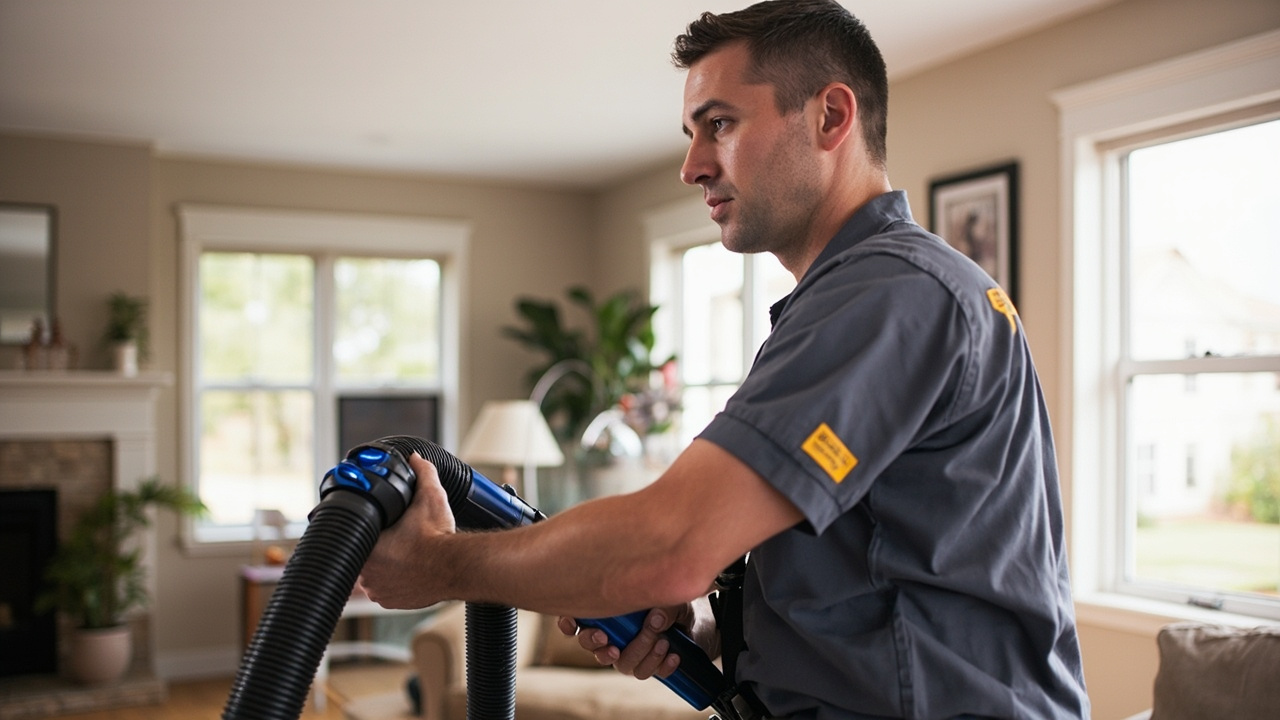
Professional Duct Cleaning in Culver City and Why It Matters for Your HomeCulver City homeowners often ask if professional maintenance for their ventilation system is a necessary expense. Living in a vibrant area near the…
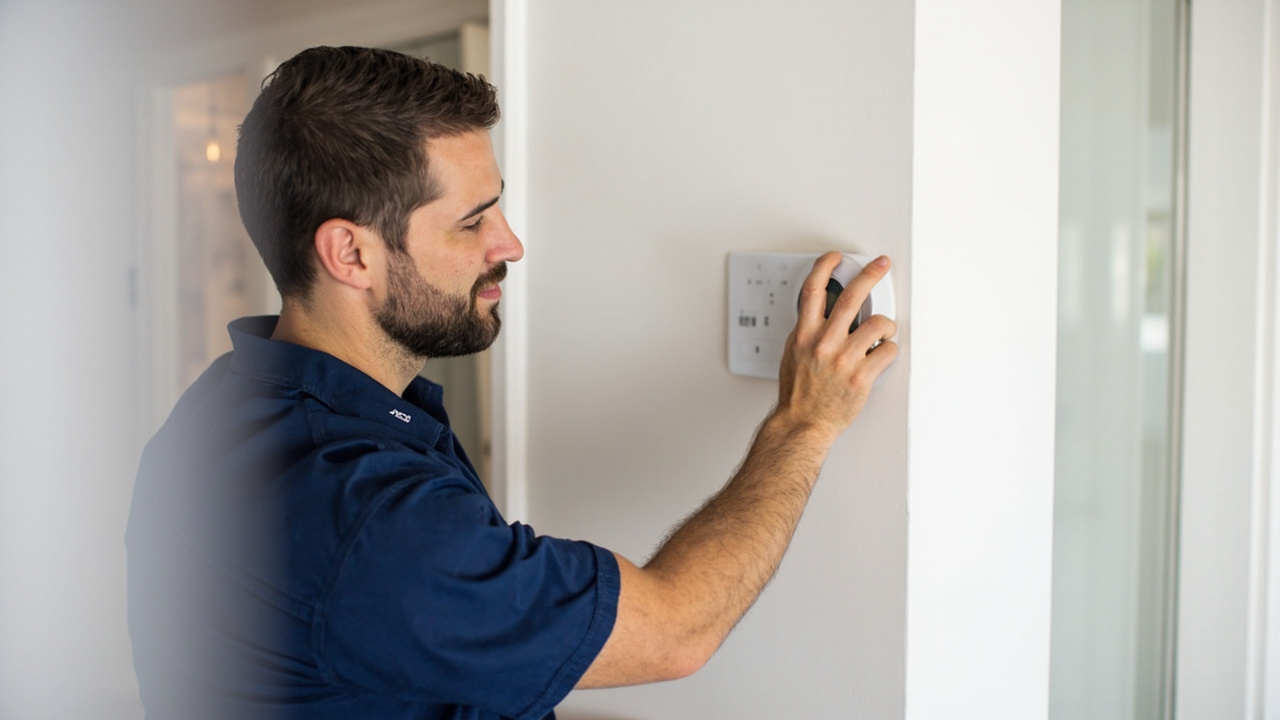
Venice Beach property owners face a unique set of challenges when managing heating and cooling…
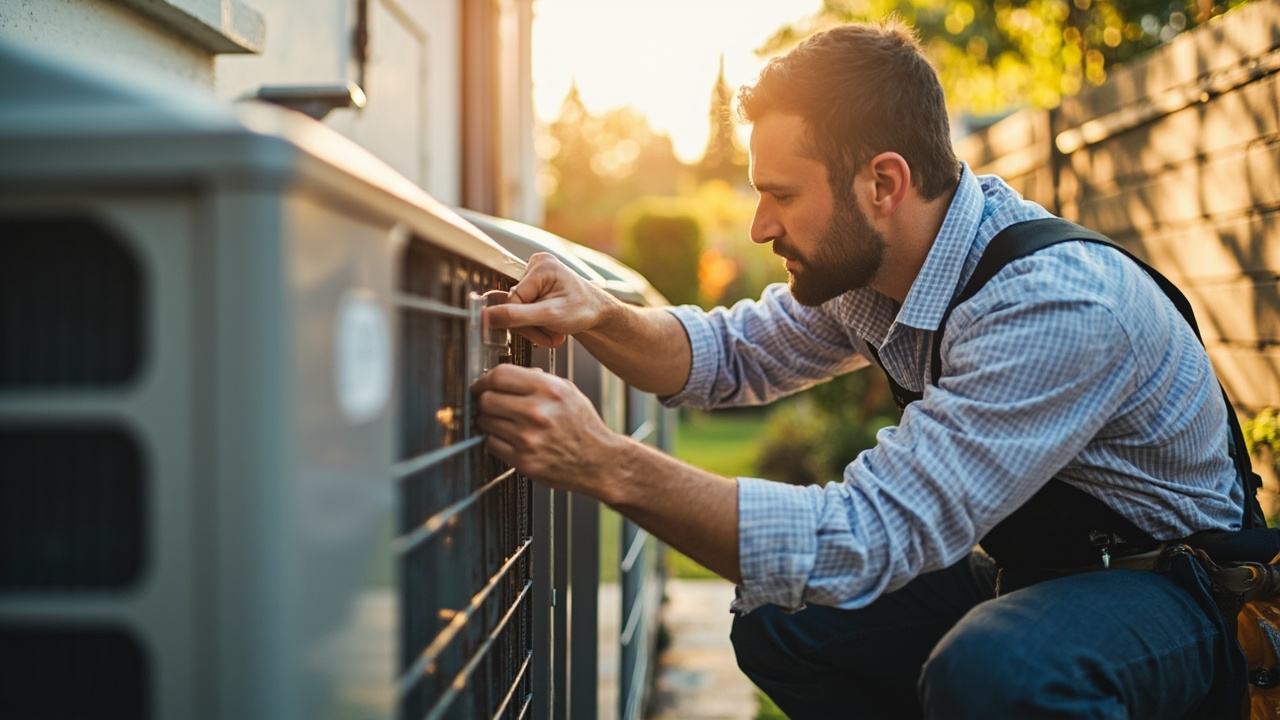
Sherman Oaks homeowners face a unique set of cooling challenges. The location between the Santa…
Switching From Gas to Electric Heating in Miracle Mile (And What It Costs) Miracle Mile…
Call A Plus HVAC Los Angeles now at (310) 579-0040 for same-day service in Burbank. Our technicians are ready to diagnose your problem and restore your comfort fast. We answer the phone, dispatch quickly, and fix it right the first visit.
