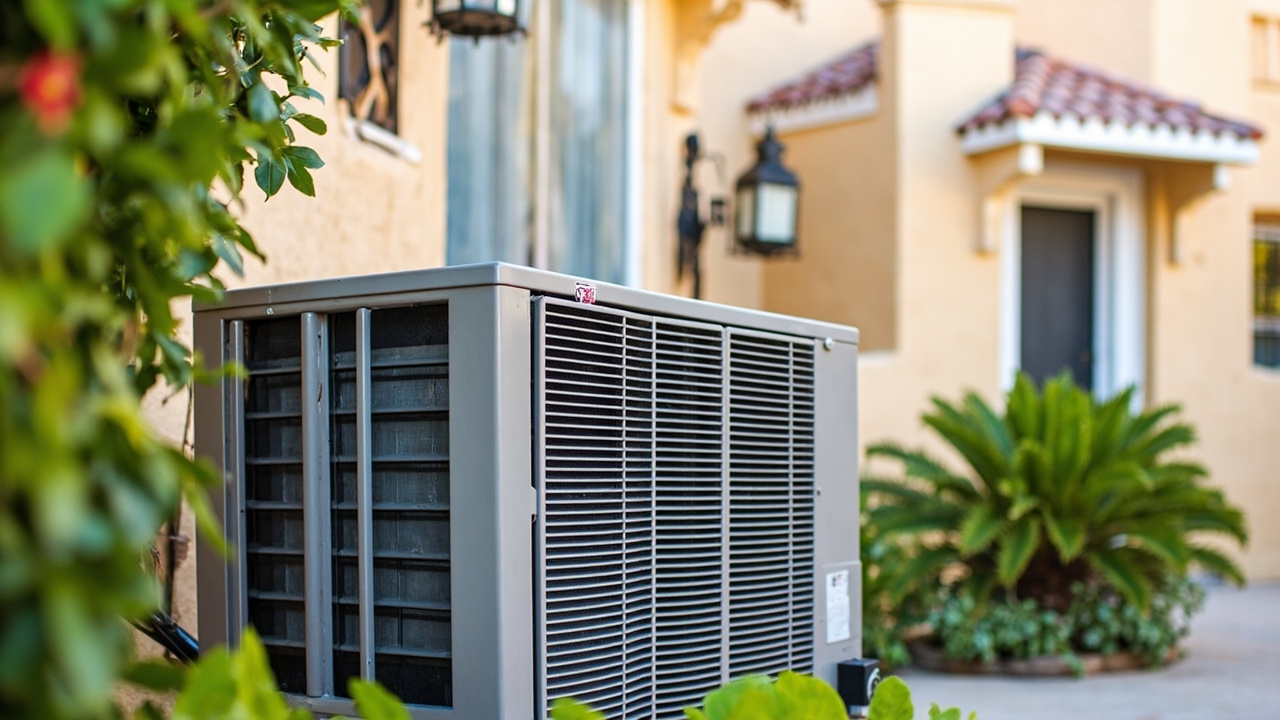







Los Angeles's unique geography creates a 20-30 degree temperature differential between coastal and inland areas on the same day. Heat pumps in Santa Monica operate in 75-degree temperatures while units in Sherman Oaks handle 105-degree heat, dramatically affecting compressor run time and energy consumption. Coastal areas deal with salt air corrosion that pits aluminum coil fins and accelerates refrigerant leaks. Marine layer humidity causes condensate production that overwhelms undersized drain lines, leading to water damage and mold growth. Heat pump installers must account for these microclimates during equipment selection, choosing corrosion-resistant coatings for coastal installations and oversized condensers for valley locations. Emergency heat pump repair calls spike during Santa Ana wind events when debris clogs outdoor units and during June gloom when humidity-related issues surface in beach communities.
California Title 24 energy standards are the strictest in the nation, requiring higher efficiency ratings and stricter installation protocols than federal minimums. Los Angeles enforces these codes rigorously, with building inspectors rejecting non-compliant heat pump system installation and levying fines for unpermitted work. Local heat pump service providers understand LADBS permitting requirements, HERS testing procedures, and the documentation needed to pass inspection on the first attempt. This local knowledge prevents project delays, reduces reinspection fees, and ensures your installation qualifies for utility rebates from LADWP and SoCalGas. Contractors unfamiliar with Los Angeles's permitting process cause headaches when inspectors red-tag installations for missing load calculations, improper refrigerant documentation, or duct leakage exceeding Title 24 limits. Choosing local expertise means smooth permitting, compliant installations, and systems that perform as designed in your specific neighborhood's conditions.