




menu

Storm Damage HVAC Repair in Los Angeles – 24/7 Emergency Response Gets Your System Running Within Hours

When storms damage your heating or cooling system, every minute without climate control matters. Our certified technicians arrive fast, assess storm damaged AC units and furnaces on-site, and restore full operation using emergency HVAC storm repair protocols built for Los Angeles weather patterns.

Slider Image 1
Slider Image 2
Slider Image 3
Slider Image 4
Slider Image 5
Slider Image 7
Slider Image 8
Slider Image 9
Slider Image 10
Slider Image 11

Why Storm Damage Shuts Down HVAC Systems Across Los Angeles

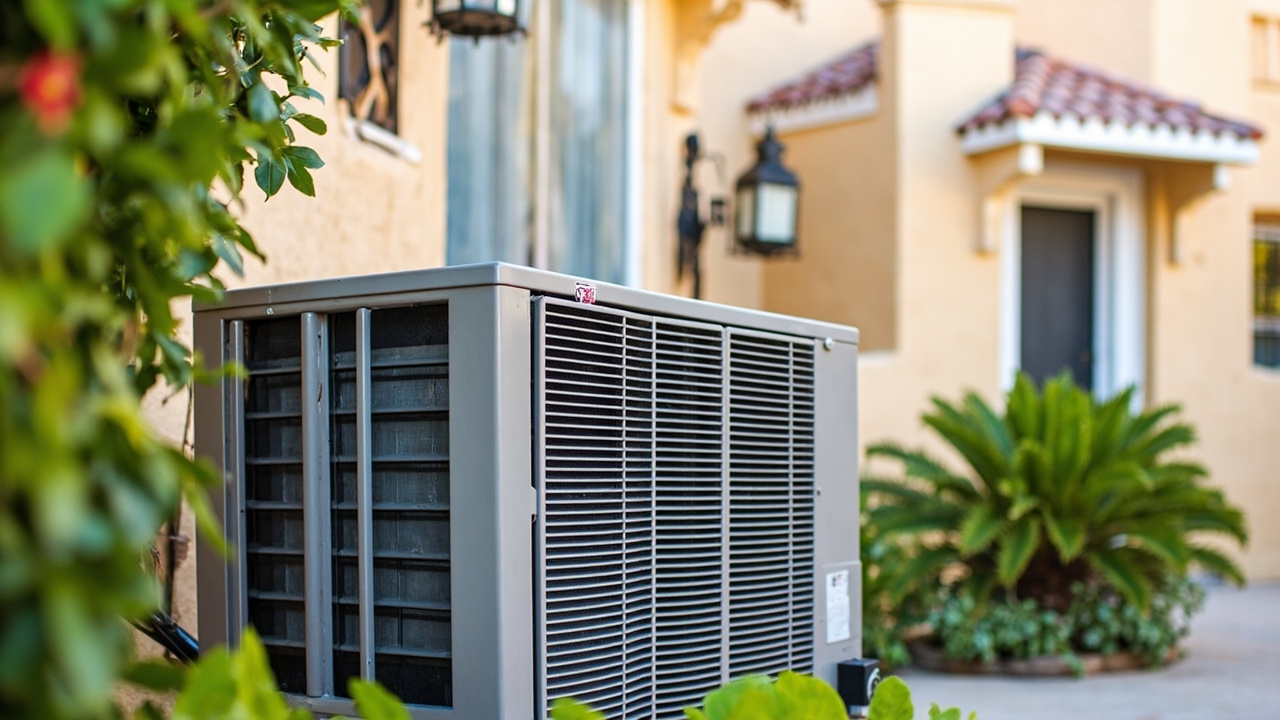
Los Angeles faces unique weather extremes that wreak havoc on heating and cooling systems. Santa Ana winds carry debris that punctures outdoor condenser units. Flash flooding from winter storms submerges ground-level equipment in standing water. Microburst wind events rip ductwork loose and topple rooftop units on commercial buildings across the San Fernando Valley.

Your HVAC system stops working after a storm for specific reasons. Wind-blown branches crack refrigerant lines, causing total coolant loss. Rain infiltrates electrical panels and trips safety switches. Flying debris shears condenser fan blades or bends coil fins beyond recognition. Flooding shorts out compressor motors and contaminates lubricants with silt.

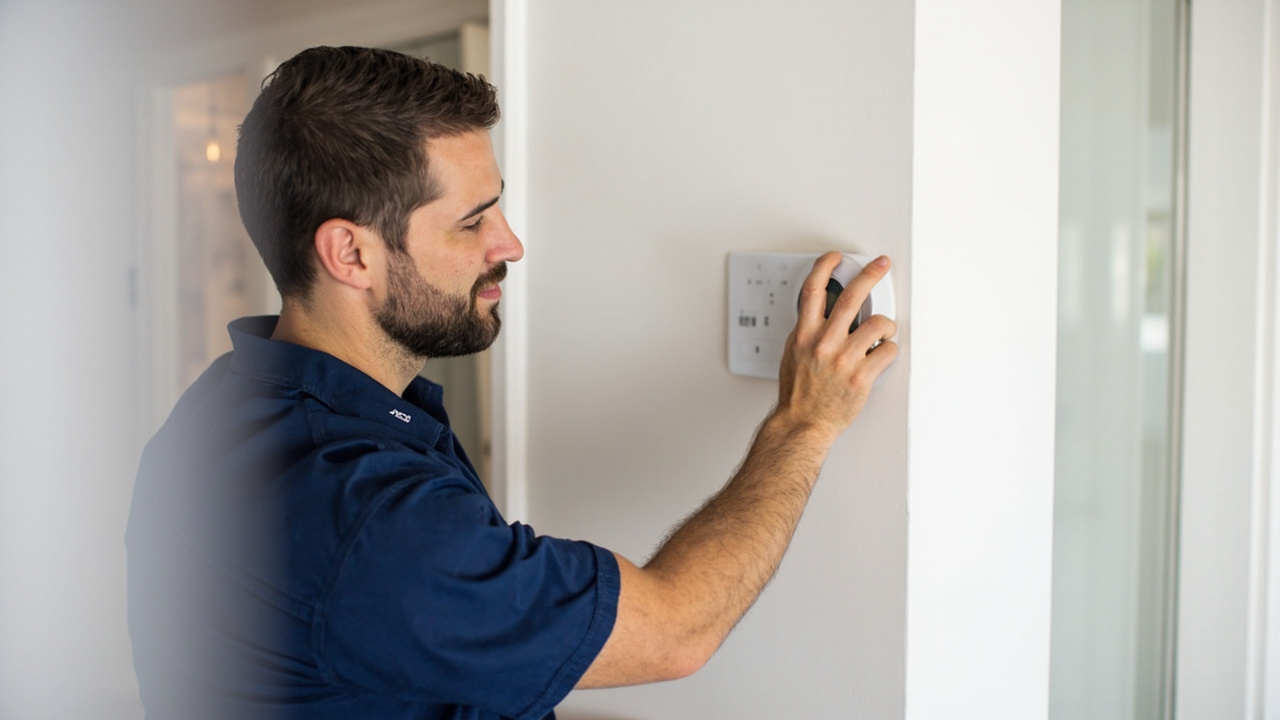
You need emergency HVAC storm repair the moment you notice these warning signs. Your thermostat stops responding. Strange grinding noises come from outdoor units. Water pools around your furnace. Warm air blows when you need cooling. These symptoms indicate storm damaged AC unit repair cannot wait.

Los Angeles building codes require specific wind load ratings for rooftop installations, but even compliant systems fail under extreme conditions. The marine layer creates corrosion that weakens mounting brackets over time. When the next storm hits, those weakened points become failure points.

Heating and cooling storm damage repair involves more than basic fixes. Technicians must check refrigerant pressures, test electrical continuity under load, verify proper drainage slope, and confirm no contaminants entered the refrigerant circuit. Delaying HVAC storm restoration services turns minor damage into complete system replacement.

Why Storm Damage Shuts Down HVAC Systems Across Los Angeles
How We Fix Storm Damaged HVAC Systems Fast

How We Fix Storm Damaged HVAC Systems Fast

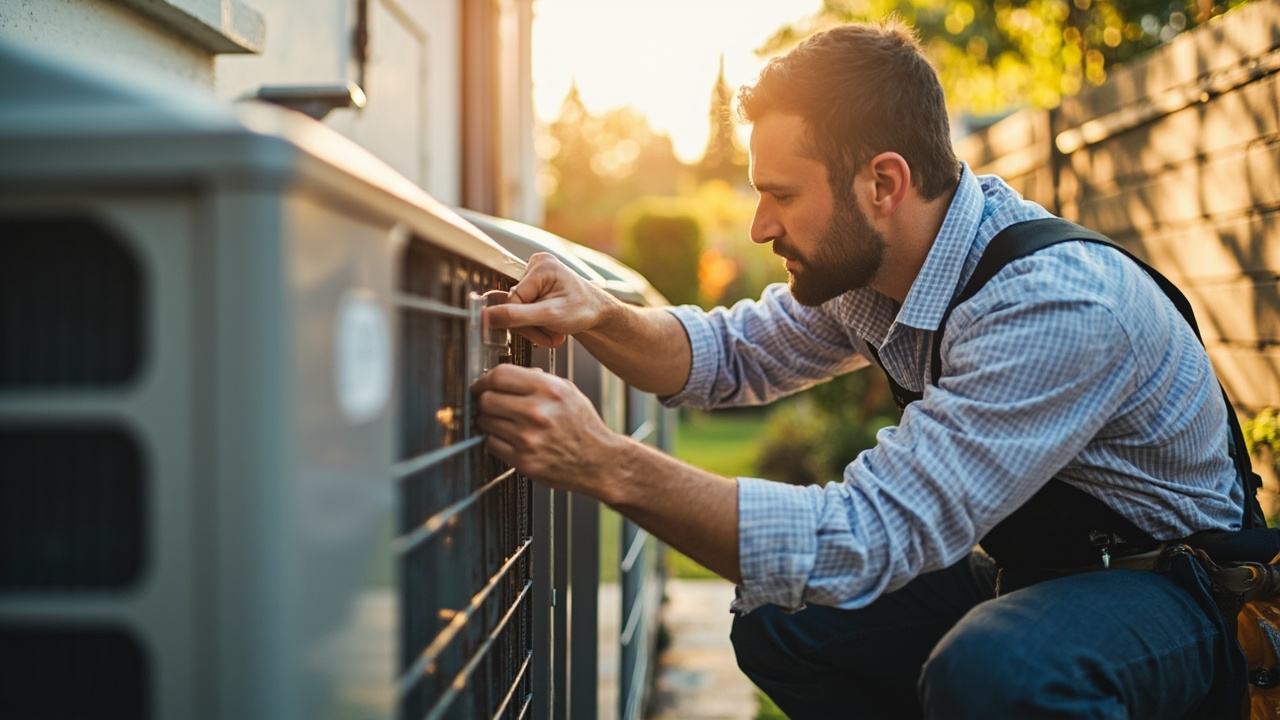
Our emergency HVAC storm repair starts with rapid damage assessment. Technicians arrive with refrigerant recovery equipment, electrical testing tools, and replacement parts for the most common storm failures. We check condensate drain lines for blockages, inspect ductwork connections for separation, and test compressor windings for short circuits.

The first priority is making your system safe. We disconnect power if water reached electrical components. We recover refrigerant from damaged lines before it escapes into the atmosphere. We secure loose panels that could become projectiles in aftershocks or secondary wind events.

Next comes the diagnostic phase. We use multimeters to check voltage at every connection point. We inspect heat exchangers for cracks that let combustion gases mix with supply air. We verify your thermostat communicates properly with control boards. We measure static pressure across filters and coils to detect hidden ductwork damage.

Repair work follows specific protocols. Refrigerant line repairs require nitrogen purging, proper brazing techniques, and evacuation to 500 microns before recharging. Electrical repairs demand wire sizing calculations and breaker compatibility verification. Ductwork resealing needs mastic compound rated for your system's operating temperatures.

We test everything before leaving. Systems run through complete heating and cooling cycles while we monitor superheat, subcooling, amperage draw, and airflow measurements. We verify carbon monoxide levels stay at zero. We confirm your thermostat staging matches manufacturer specifications.

A Plus HVAC Los Angeles stocks parts for Bryant, Carrier, Trane, Lennox, and Rheem systems. Our trucks carry compressor contactors, start capacitors, fan motors, and refrigerant in multiple formulations. This means we complete most emergency HVAC storm repair jobs in a single visit.

What Happens When You Call for Storm Damage HVAC Repair

Storm Damage HVAC Repair in Los Angeles – 24/7 Emergency Response Gets Your System Running Within Hours
01

Immediate System Shutdown Assessment

Our dispatcher asks specific questions about your system's condition. Is water present near equipment? Do you smell gas or burning? Are breakers tripped? This determines whether you need immediate power disconnection for safety. We dispatch a technician within 60 minutes and provide temporary climate control guidance. You receive the technician's name, photo, and estimated arrival window via text message.
02

On-Site Damage Documentation

The technician photographs all visible damage before touching anything. This documentation helps with insurance claims and creates a baseline for repair scope. We test electrical systems with non-contact voltage detectors first, then proceed to powered diagnostics only after confirming safety. You receive a detailed assessment explaining what failed, why it failed, and what happens if you delay repairs. We identify which repairs are critical versus preventive.
03

Same-Day System Restoration

Most storm damaged AC unit repair work finishes the same day. We replace damaged components, pressure test all refrigerant circuits, and verify proper system operation across all modes. You get a written completion report listing all repairs, parts installed, and system performance measurements. We provide a 30-day storm damage inspection offer to catch delayed failures that sometimes appear after electrical surges or water exposure.

Why Los Angeles Property Owners Choose Us for Emergency HVAC Storm Repair

Los Angeles spans 503 square miles with drastically different microclimates. A Plus HVAC Los Angeles knows how coastal humidity in Santa Monica affects condensate drainage differently than dry heat in Woodland Hills. We understand that homes near LAX deal with salt air corrosion while properties in Pasadena face different challenges from San Gabriel Mountain wind patterns.

Our technicians train specifically on storm damage scenarios. Standard HVAC training covers normal wear failures, but storm damaged systems present unique problems. Refrigerant contamination from flooded compressors requires different procedures than simple leaks. Wind-damaged ductwork hidden in attics needs pressure testing to find separation points that visual inspection misses.

We maintain relationships with insurance adjusters throughout Los Angeles County. When you need HVAC storm restoration services covered by homeowners or commercial property policies, we provide documentation these adjusters accept without argument. Our estimates break down labor and materials in the format insurance companies require. We photograph damage from multiple angles and provide thermal imaging when heat exchanger integrity comes into question.

Response time matters during heat waves following Santa Ana wind events. When storms knock out hundreds of systems simultaneously, companies prioritize customers by service area. Our central Los Angeles location and multiple trucks mean we reach Culver City, Silverlake, and Downtown faster than companies dispatching from Orange County or Ventura.

Local building codes affect repair methods. Los Angeles requires specific earthquake bracing for replacement condensers. Rooftop units need calculations proving attachment points handle wind uplift forces. We pull permits when code requires them and schedule inspections without you having to track the process.

What to Expect During Storm Damage HVAC Repair

Emergency Response Timeline

We answer emergency calls 24 hours a day, every day of the year. Dispatch confirms your address, identifies the nearest available technician, and provides arrival estimates within 15 minutes of your call. Most Los Angeles locations get service within two hours during normal conditions. When widespread storm damage creates high call volume, we triage based on safety risks first, then total system failures, then partial operation issues. You receive text updates every 30 minutes if delays occur.

Comprehensive Damage Assessment

Technicians spend 45 to 90 minutes on initial assessment for storm damaged systems. This includes visual inspection of all accessible components, electrical testing at the disconnect and control board, refrigerant pressure checks on both high and low sides, and airflow measurement at supply registers. We test safety controls like pressure switches and flame sensors. You get explanations in plain language about what each problem means and which repairs prevent future breakdowns versus fixing immediate failures.

Repair Quality Standards

All refrigerant work follows EPA Section 608 protocols. We use digital scales for precise refrigerant charging, not gauge guessing. Electrical repairs use wire rated for 90-degree Celsius insulation temperature minimum. Ductwork repairs get mastic and mesh reinforcement, not duct tape that fails within months. Condensate drain repairs include proper trap configuration and slope verification. You receive documentation showing your system meets manufacturer specifications for temperature split, superheat, and subcooling measurements.

Post-Repair System Monitoring

Storm damaged systems sometimes develop secondary failures days or weeks after initial repairs. Water that entered control boards can cause delayed corrosion. Refrigerant contamination may not show symptoms until the system runs through multiple cycles. We offer a complimentary 30-day follow-up inspection after major storm damage repairs. This catches problems while they remain minor. Our technicians check electrical connections for heat discoloration, verify no new refrigerant leaks developed, and confirm condensate drains properly during extended run times.

Frequently Asked Questions

You Have Questions,
We Have Answers

What is the $5000 rule for HVAC? +

The $5000 rule helps you decide between repairing or replacing your HVAC system. Multiply the age of your unit by the repair cost. If the result exceeds $5000, replacement makes more financial sense. For example, a 12-year-old system needing $500 in repairs equals $6000, suggesting replacement. After storm damage in Los Angeles, this calculation becomes urgent. High winds and debris can cause hidden damage to compressors or refrigerant lines. If your system is older and storm damage is extensive, investing in a new energy-efficient unit often beats pouring money into aging equipment that may fail again.

Does insurance cover HVAC damage? +

Homeowners insurance typically covers HVAC damage from sudden, unexpected events like windstorms, hail, or falling debris. If a storm in Los Angeles knocks a tree onto your condenser or wind tears off protective housing, you likely have coverage. However, insurance does not cover damage from neglect, wear and tear, or lack of maintenance. After storm damage, document everything with photos and call for emergency inspection immediately. Your claim approval depends on proving the damage resulted directly from the storm event, not from an aging system that finally quit. Contact your insurer within 24 hours to start the claims process.

How long after storm damage can I claim? +

Most insurance policies require you to report storm damage within 24 to 72 hours of discovery. In Los Angeles, where storms can cause sudden HVAC damage, immediate action protects your claim. While some policies allow longer reporting windows, delays can raise red flags with adjusters who may question whether damage occurred during the covered event. Document damage with photos and videos immediately. Contact your insurer and schedule an emergency HVAC inspection right away. Waiting weeks undermines your claim and allows secondary damage like moisture intrusion or mold growth, which insurance may not cover as separate from the original storm event.

What is the 3 minute rule for AC? +

The 3 minute rule prevents compressor damage after your AC shuts off. Refrigerant pressure needs at least 3 minutes to equalize before the compressor restarts. Rapid cycling stresses the compressor motor and shortens its lifespan. After storm damage in Los Angeles, power surges or electrical issues can disrupt this cycle. If your AC keeps short-cycling after a storm, shut it down immediately and call for emergency repair. This pattern signals possible electrical damage, refrigerant leaks, or control board failure. Continuing to run a damaged system compounds the problem and increases repair costs. Let the system rest until a technician diagnoses the issue.

What is the average lifespan of an HVAC? +

HVAC systems typically last 15 to 20 years with proper maintenance. In Los Angeles, coastal moisture and urban air quality can affect longevity. Systems closer to the ocean face salt air corrosion, while inland units deal with dust and heat stress. After storm damage, age becomes a critical factor in your repair decision. If your system is over 12 years old and sustained significant storm damage, replacement often makes more sense than extensive repairs. Newer systems offer better energy efficiency and reliability. Storm damage to an aging system can accelerate existing wear, making failure imminent even after repairs.

Is HVAC system cost tax deductible? +

HVAC system costs may be tax deductible if the unit qualifies as a home improvement for medical reasons or if you install a high-efficiency system eligible for federal energy tax credits. Standard replacements after storm damage typically are not deductible as personal expenses. However, if you upgrade to an Energy Star certified system, you may qualify for federal tax credits up to $2000 under current programs. Business property HVAC repairs in Los Angeles are deductible as operating expenses. Consult a tax professional about your specific situation, especially if storm damage forces an unexpected replacement and you choose an energy-efficient upgrade.

What two events are not covered under homeowners insurance? +

Homeowners insurance does not cover flooding or earthquakes under standard policies. In Los Angeles, this matters because storm damage combined with these events requires separate coverage. If a storm causes flooding that damages your HVAC, your standard policy may deny the claim. Flood insurance through FEMA covers water damage from external sources. Earthquake damage requires separate earthquake insurance. If storm winds damage your outdoor condenser but subsequent rain floods your indoor air handler, insurers may dispute which event caused what damage. Understanding these exclusions helps you buy the right coverage and set realistic expectations during emergency storm damage claims.

How much does it cost to fix a leak in your AC system? +

AC leak repairs range from $200 for minor seal replacements to $1500 for major refrigerant line repairs. Storm damage in Los Angeles often causes punctures or crimped lines from flying debris. The repair cost depends on leak location and refrigerant type. Older R-22 refrigerant costs more due to phase-out regulations. After a storm, leaks may hide inside damaged ductwork or behind crushed coil fins. Emergency leak detection adds to costs but prevents running a system that damages the compressor. If multiple leaks exist or the evaporator coil is punctured, replacement becomes more cost-effective than repeated repairs.

What is the most common damage to your home that insurance does not cover? +

Flood damage is the most common exclusion from homeowners insurance. In Los Angeles, this affects properties near flood zones or areas with poor drainage. Standard policies cover wind and hail damage but specifically exclude water damage from external sources like rising water, storm surge, or heavy rain seeping through foundations. If your HVAC sits in a basement or ground-level closet and floodwater enters during a storm, you need separate flood insurance for coverage. Many homeowners discover this gap only after filing a claim. Even wind-driven rain has coverage limits depending on how water entered your property.

When not to file a homeowners insurance claim? +

Skip filing a claim when repair costs barely exceed your deductible or when damage results from neglect rather than a covered event. In Los Angeles, if storm damage to your HVAC costs $800 to fix and your deductible is $1000, filing makes no sense. Small claims can increase your premiums or risk policy non-renewal. Also avoid claims for pre-existing damage you attribute to a recent storm. Adjusters investigate thoroughly and denied claims still appear on your record. If your HVAC was already failing and a storm finished it off, insurers may deny coverage. Save claims for significant, clearly storm-related damage that exceeds your deductible meaningfully.

How Los Angeles Weather Patterns Damage HVAC Systems Differently

Los Angeles gets 60 to 70 percent of annual rainfall between November and March, creating concentrated storm events that flood ground-level HVAC equipment faster than gradual seasonal rain. Santa Ana winds reach 40 to 60 mph in valley areas, with gusts exceeding 80 mph in foothill communities like La Crescenta and Altadena. These wind events turn patio furniture, tree branches, and roof tiles into projectiles that puncture condenser coils and crack refrigerant lines. The marine layer creates overnight humidity that condenses inside electrical panels, leading to corrosion that fails weeks after the initial moisture exposure. Properties within five miles of the coast face accelerated deterioration on outdoor components, making storm damage worse than identical impacts would cause inland.

Los Angeles County building codes updated seismic bracing requirements after the 1994 Northridge earthquake, but many existing HVAC installations predate these standards. When storm damage requires equipment replacement, current code mandates specific attachment methods that prevent movement during seismic events. A Plus HVAC Los Angeles maintains C20 warm air heating, ventilation, and air conditioning contractor licensing and pulls permits for work that triggers code compliance upgrades. We understand which repairs constitute simple maintenance versus modifications that require inspection sign-off. Our familiarity with local inspectors in different municipalities prevents delays that leave your property without climate control for extended periods.
HVAC Services in The Los Angeles Area

Want to know if we service your neighborhood? Use the map below to see our local coverage. A Plus proudly serves Los Angeles and nearby communities with fast response times and top-tier HVAC expertise. Whether you're downtown or in the suburbs, we're just a call away. Our mobile team is equipped to reach you quickly and solve your HVAC issues efficiently. Don’t hesitate to reach out—comfort and reliability are closer than you think.

Address:
A Plus HVAC Los Angeles, 1901 Ave of the Stars, Los Angeles, CA, 90067

Additional Services We Offer

Our news updates

Latest Articles & News from The Blogs

Sherman Oaks homeowners face a unique set of cooling challenges. The location between the Santa Monica Mountains and the flatlands…

Full AC Replacement Costs for Sherman Oaks Homeowners

Sherman Oaks homeowners face a unique set of cooling challenges. The location between the Santa Monica Mountains and the flatlands…

Switching From Gas to Electric Heating in Miracle Mile (And What It Costs)

Switching From Gas to Electric Heating in Miracle Mile (And What It Costs) Miracle Mile homeowners are moving toward all…

HVAC Strategies for Quiet Home Recording Studios in Toluca Lake

Precision HVAC Solutions for Los Angeles Recording StudiosHome studio owners in Toluca Lake face a unique set of challenges when…

Contact Us

Every hour without climate control makes your property less comfortable and safe. Call (310) 579-0040 now for emergency HVAC storm repair anywhere in Los Angeles. Our technicians carry the parts and equipment to fix most storm damaged AC units and furnaces in a single visit.