




menu

Energy Saving Tips for Summer in Los Angeles – Cut Your Cooling Bills Without Sacrificing Comfort

Proven strategies to reduce air conditioning costs and lower summer utility bills in Los Angeles, where relentless heat and urban heat island effects drive energy consumption higher than anywhere else in California.

Slider Image 1
Slider Image 2
Slider Image 3
Slider Image 4
Slider Image 5
Slider Image 7
Slider Image 8
Slider Image 9
Slider Image 10
Slider Image 11

Why Los Angeles Homeowners Face Sky-High Summer Cooling Bills

Los Angeles summers push cooling systems harder than most people realize. The urban heat island effect traps heat across the basin, forcing air conditioners to run longer cycles just to maintain comfort. Pavement, concrete, and dense construction in neighborhoods from Silver Lake to Mar Vista absorb and radiate heat well into the night, preventing natural cooling.

The marine layer offers relief near the coast, but inland areas like Encino and Studio City regularly hit triple digits. Your air conditioner fights not just outdoor temperatures but radiant heat from roofs and sun-baked walls. This creates a vicious cycle where reducing air conditioning bills feels impossible without sweating through the day.

Most homeowners overlook simple ways to lower cooling costs because they focus on thermostat settings alone. The real problem lies in how your home gains heat in the first place. Air leaks around windows, insufficient attic insulation, and dirty filters force your system to work harder. Each degree you lower the thermostat costs roughly three percent more on your utility bill.

Los Angeles building codes have evolved, but older homes in Historic Highland Park or Angelino Heights were built before energy efficiency mattered. Single-pane windows, minimal wall insulation, and outdated ductwork waste conditioned air. Summer energy efficiency ideas must address these structural weaknesses before you can see meaningful savings.

The typical Los Angeles home loses twenty to thirty percent of cooled air through duct leaks alone. Add poor insulation and air infiltration, and you understand why lowering summer utility costs requires more than adjusting your thermostat. You need a systematic approach that stops heat before it enters your living space.

Why Los Angeles Homeowners Face Sky-High Summer Cooling Bills
How to Actually Lower Your Summer Energy Bills

How to Actually Lower Your Summer Energy Bills

Reducing air conditioning bills starts with understanding heat transfer. Your home gains heat three ways: conduction through walls and roofs, radiation through windows, and infiltration through gaps and cracks. Block these pathways, and your air conditioner runs less frequently.

Start with your attic. Los Angeles summer sun heats roof surfaces to 160 degrees or higher. Without proper insulation and ventilation, that heat radiates down into living spaces. Boost attic insulation to R-38 or higher. Install radiant barriers on the underside of your roof deck to reflect heat back out. Ridge vents and soffit vents create airflow that exhausts trapped heat before it penetrates your ceiling.

Seal air leaks next. Check around windows, doors, electrical outlets, and where plumbing enters walls. Use caulk for gaps smaller than a quarter inch and expanding foam for larger openings. Weather stripping on doors stops conditioned air from escaping. These small fixes prevent your system from cooling the outdoors.

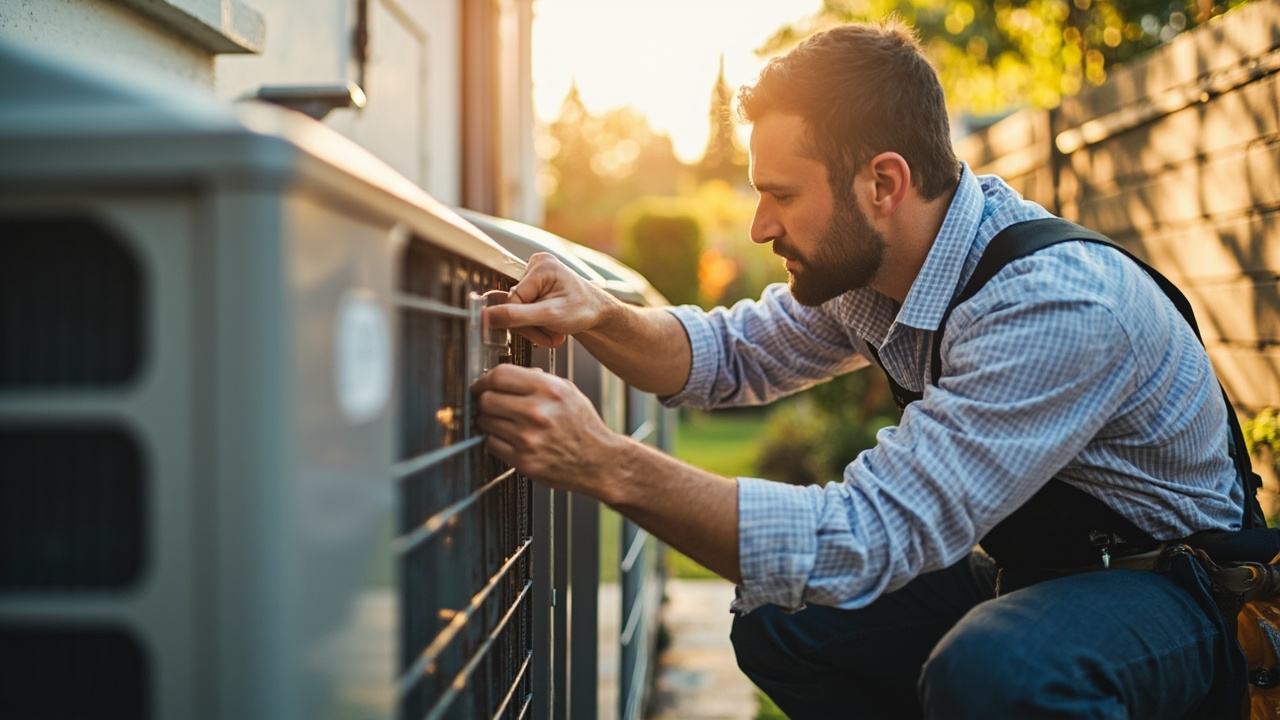
Your air conditioner needs maintenance to run efficiently. Dirty filters restrict airflow, forcing the blower motor to work harder. Change filters monthly during summer. Clean condenser coils remove built-up dirt that insulates the unit and reduces heat transfer. Low refrigerant charge from slow leaks cuts cooling capacity while increasing energy consumption.

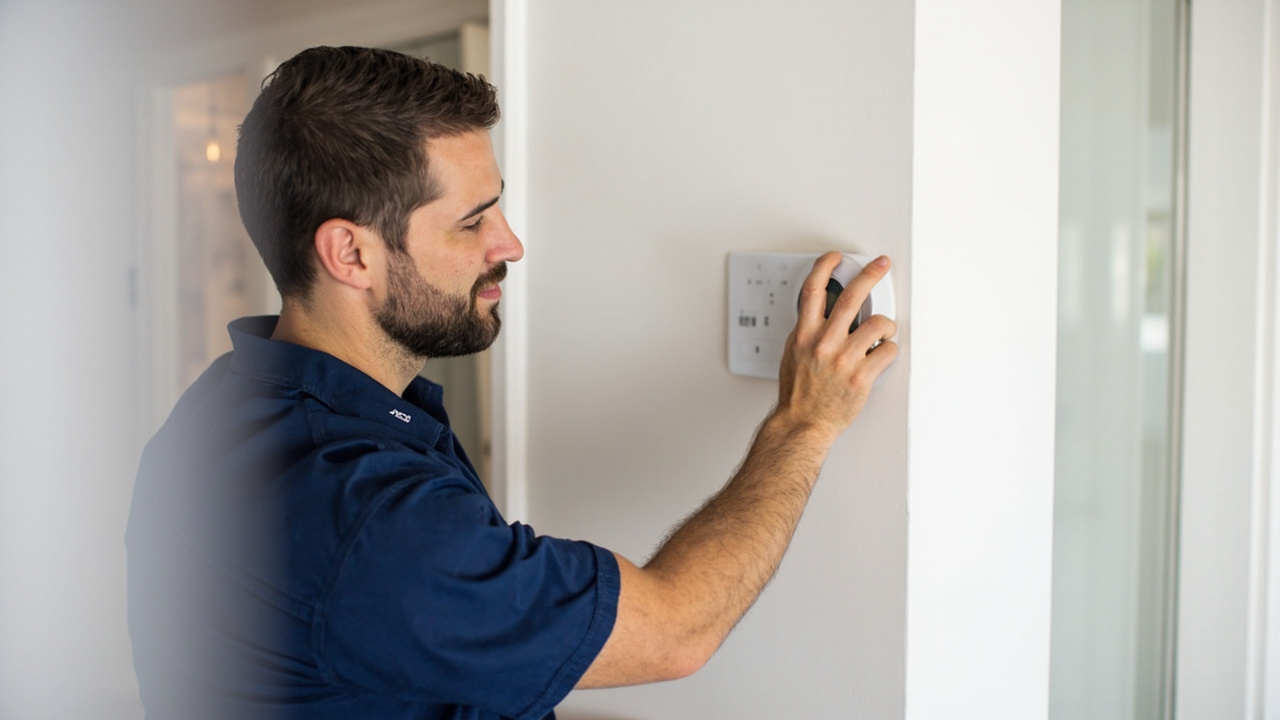
Programmable thermostats deliver immediate savings. Set the temperature higher when you leave for work. Each degree above 78 reduces runtime and energy use. Ceiling fans create wind chill that makes 78 feel like 74, letting you raise thermostat settings without sacrificing comfort.

Window coverings block solar heat gain. Close blinds or drapes on south and west-facing windows during peak sun hours. Reflective window film rejects up to seventy percent of solar heat while maintaining visibility. Plant shade trees on the west side of your property to block afternoon sun.

Three Steps to Immediate Summer Savings

Energy Saving Tips for Summer in Los Angeles – Cut Your Cooling Bills Without Sacrificing Comfort
01

System Performance Assessment

We measure airflow at supply registers and return grills to identify duct restrictions. Refrigerant pressure testing reveals leaks that reduce cooling capacity. Electrical amp draw on the compressor and blower motor shows if components strain under load. Infrared scanning finds hot spots in ductwork and missing insulation. This diagnostic approach pinpoints energy waste you cannot see with the naked eye.
02

Targeted Efficiency Upgrades

We seal accessible ductwork with mastic compound, not tape, which fails in attic heat. Dirty evaporator coils get chemical cleaning to restore heat transfer. Blower wheel buildup removal increases airflow without replacing equipment. Thermostat programming matches your actual schedule. We adjust refrigerant charge to manufacturer specifications, which most installers skip. These fixes reduce runtime by twenty to forty percent without capital expenditure.
03

Ongoing Performance Monitoring

You receive a baseline energy consumption report comparing pre and post-service runtime. We document system efficiency improvements with measurable delta T across the evaporator coil. Filter replacement reminders prevent performance degradation between visits. Summer tune-ups before heat season catch small problems before they become expensive failures. You track savings month over month against previous utility bills, proving the return on maintenance investment.

Why Los Angeles Homeowners Trust Our Energy Efficiency Guidance

Los Angeles climate zones vary dramatically from the coast to the valleys. A cooling strategy that works in Manhattan Beach fails in Woodland Hills. We understand microclimate differences because we work across every neighborhood daily. Coastal fog patterns, Santa Ana wind exposure, and urban heat island intensity all affect how your home gains and loses heat.

California Title 24 energy codes set minimum standards, but we optimize beyond compliance. We know which attic ventilation strategies work in flat-roofed Spanish Revival homes versus pitched roofs in Craftsman bungalows. Historic district restrictions limit exterior modifications, so we focus on interior improvements that preserve architectural character while cutting energy waste.

Most HVAC companies sell equipment. We solve comfort problems first. A homeowner in Los Feliz might need better duct design more than a new air conditioner. Someone in Northridge with a two-story home benefits from zoning to stop fighting hot upstairs bedrooms. We measure actual system performance with gauges and meters, not guesswork.

Los Angeles building stock includes everything from 1920s homes with no insulation to modern construction with tight envelopes. Each era presents different challenges. We carry thermal imaging cameras on every service call to find hidden problems. Wall cavities that look insulated often have gaps and voids. Ductwork hidden in walls develops disconnections you cannot access without cutting drywall.

You need someone who understands the full picture. Attic temperatures, ventilation rates, duct static pressure, refrigerant superheat, and subcooling all interact. Change one variable, and you affect the others. Our technicians measure these parameters because energy efficiency requires system thinking, not parts replacement.

We document findings with photos and data, then explain options in plain language. You decide whether to address air leaks, upgrade insulation, replace ductwork, or invest in new equipment. We give you the information to make smart decisions based on your budget and priorities.

What You Can Expect From Our Energy Efficiency Service

Rapid Response Scheduling

We schedule assessments within 48 hours of your call. Summer demand fills calendars quickly, but we reserve capacity for energy efficiency evaluations. Most diagnostic visits take 90 minutes to two hours depending on home size and system complexity. We arrive with all testing equipment to complete the evaluation in one visit. You receive a detailed report the same day with prioritized recommendations and cost estimates for each improvement.

Comprehensive Home Energy Assessment

Our evaluation goes beyond the air conditioner. We inspect attic insulation depth and coverage using a measuring probe. Blower door testing quantifies air leakage and identifies where infiltration occurs. Duct pressure testing measures how much cooled air escapes before reaching living spaces. Supply register airflow measurement reveals undersized ductwork or blocked returns. Refrigerant charge verification ensures optimal cooling capacity. Temperature differential across the evaporator coil confirms heat transfer efficiency. You understand exactly where energy dollars disappear.

Measurable Energy Reduction

You will see lower utility bills within the first month after implementing our recommendations. Most homeowners reduce summer cooling costs by fifteen to thirty-five percent depending on initial conditions and which improvements they choose. We provide a baseline energy consumption report so you can compare before and after performance. Indoor temperature distribution improves as hot spots disappear. Your system runs shorter cycles more frequently instead of long continuous runtime, which extends equipment life while maintaining comfort throughout your home.

Preventive Maintenance Planning

Energy efficiency degrades over time without ongoing attention. Dirty filters, clogged condensate drains, and refrigerant leaks creep up slowly. We recommend twice-yearly maintenance visits before summer and winter seasons. Spring tune-ups prepare cooling systems for peak demand. Fall check-ups ensure heating equipment fires safely after months of dormancy. Maintenance agreements include priority scheduling, parts discounts, and extended coverage on repairs. You avoid emergency breakdowns during heat waves when replacement parts and service availability become scarce.

Frequently Asked Questions

You Have Questions,
We Have Answers

How can we save energy in summer? +

Start by servicing your air conditioner before summer hits. Clean or replace filters monthly to improve airflow and efficiency. Set your thermostat to 78 degrees when home and higher when away. Use ceiling fans to circulate cool air, allowing you to raise the thermostat without sacrificing comfort. Close blinds during peak sunlight hours to block heat gain. In Los Angeles, the afternoon sun can quickly overheat west-facing rooms. Run appliances like dishwashers and dryers during evening hours when temperatures drop. Seal air leaks around windows and doors to prevent cool air from escaping.

What are the 5 P's of energy conservation? +

The 5 Ps of energy conservation are: People, Process, Product, Plant, and Program. People refers to educating everyone in your household about energy use habits. Process involves creating routines that reduce waste, like turning off lights when leaving rooms. Product means choosing energy-efficient appliances and devices. Plant refers to the building itself, including insulation, windows, and HVAC systems that control energy flow. Program encompasses ongoing monitoring and adjustments to your energy conservation efforts. For Los Angeles residents, the hot, dry summers make the Plant category especially important since poor insulation dramatically increases cooling costs.

Does keeping the AC at 72 save money? +

Setting your AC at 72 degrees costs more than keeping it at the recommended 78 degrees. Each degree below 78 increases your cooling costs by approximately 3 to 5 percent. In Los Angeles, where summer temperatures regularly reach the 80s and 90s, keeping your thermostat at 72 forces your system to run longer cycles. The bigger the temperature gap between indoor and outdoor air, the harder your AC works. A programmable thermostat helps you raise temperatures automatically when you leave home. Pair a higher thermostat setting with ceiling fans to maintain comfort while cutting energy costs.

What runs up your electric bill the most? +

Air conditioning dominates electric bills during Los Angeles summers, accounting for up to 50 percent of total usage. Water heaters rank second, followed by washers, dryers, and dishwashers. Refrigerators run constantly, drawing steady power. Pool pumps consume significant energy if you run them during peak daytime hours. Old, inefficient appliances magnify costs. Phantom loads from devices in standby mode add 5 to 10 percent to bills. During heat waves, AC systems work overtime to combat the temperature difference. Reducing cooling costs delivers the biggest savings. Focus on thermostat settings, regular maintenance, and sealing air leaks first.

What is the $5000 AC rule? +

The 5000 dollar AC rule suggests replacing your air conditioner when the repair cost multiplied by the age of the unit exceeds 5000 dollars. If your 12-year-old system needs a 500 dollar repair, you multiply 500 by 12, which equals 6000 dollars. Since that exceeds 5000, replacement makes more financial sense. This formula helps you avoid throwing money at aging equipment that will fail again soon. In Los Angeles, where AC systems work hard through long summers, older units lose efficiency and drive up energy bills. A new system with higher SEER ratings cuts monthly costs while improving reliability.

What are 5 energy saving tips? +

First, schedule professional AC maintenance before summer to ensure peak efficiency. Second, install a programmable thermostat and set it to 78 degrees or higher when home. Third, replace air filters monthly during heavy use periods. Fourth, use window coverings to block direct sunlight, especially on south and west-facing windows common in Los Angeles homes. Fifth, switch to LED bulbs throughout your home since they produce less heat and use 75 percent less energy than incandescent bulbs. These five actions address the biggest energy drains during summer. Focus on cooling costs first since AC dominates your electric bill during hot months.

How Los Angeles Urban Heat and Building Stock Drive Summer Energy Waste

The Los Angeles basin traps heat like a bowl. Downtown temperatures run ten to fifteen degrees hotter than coastal areas just fifteen miles away. Concrete freeways, commercial roofing, and parking lots absorb solar radiation all day and release it at night. Your air conditioner battles stored heat radiating from the built environment, not just outdoor air temperature. Older neighborhoods like Highland Park and Boyle Heights have mature tree canopy, but newer development in the valley cleared vegetation for dense housing. This removes natural shade and increases cooling loads. Energy saving tips for summer must account for your specific microclimate and surrounding development patterns.

Los Angeles housing spans a century of construction methods and energy codes. Pre-1960 homes often have no wall insulation and single-pane windows. Post-1978 Title 24 requirements improved thermal performance, but older homes dominate the housing stock. Historic preservation rules in neighborhoods like West Adams and Hancock Park limit exterior modifications. We work within these constraints daily. Local building inspectors know our crews and trust our permit applications. We understand which energy improvements require permits and which fall under maintenance exemptions. Choosing a company familiar with Los Angeles building officials and inspection processes saves you time and ensures code compliance.
HVAC Services in The Los Angeles Area

Want to know if we service your neighborhood? Use the map below to see our local coverage. A Plus proudly serves Los Angeles and nearby communities with fast response times and top-tier HVAC expertise. Whether you're downtown or in the suburbs, we're just a call away. Our mobile team is equipped to reach you quickly and solve your HVAC issues efficiently. Don’t hesitate to reach out—comfort and reliability are closer than you think.

Address:
A Plus HVAC Los Angeles, 1901 Ave of the Stars, Los Angeles, CA, 90067

Additional Services We Offer

Our news updates

Latest Articles & News from The Blogs

Sherman Oaks homeowners face a unique set of cooling challenges. The location between the Santa Monica Mountains and the flatlands…

Full AC Replacement Costs for Sherman Oaks Homeowners

Sherman Oaks homeowners face a unique set of cooling challenges. The location between the Santa Monica Mountains and the flatlands…

Switching From Gas to Electric Heating in Miracle Mile (And What It Costs)

Switching From Gas to Electric Heating in Miracle Mile (And What It Costs) Miracle Mile homeowners are moving toward all…

HVAC Strategies for Quiet Home Recording Studios in Toluca Lake

Precision HVAC Solutions for Los Angeles Recording StudiosHome studio owners in Toluca Lake face a unique set of challenges when…

Contact Us

Call A Plus HVAC Los Angeles at (310) 579-0040 to schedule your energy efficiency assessment. We identify where you lose money and provide actionable solutions that pay for themselves through lower utility bills. Stop overpaying for comfort you are not getting.