




menu

Understanding Ductless Systems in Los Angeles – Your Complete Guide to Climate Control Without Ductwork

Learn how ductless mini splits work, what makes ductless heat pumps different from traditional HVAC, and why these flexible systems are transforming comfort in Los Angeles homes and businesses.

Slider Image 1
Slider Image 2
Slider Image 3
Slider Image 4
Slider Image 5
Slider Image 7
Slider Image 8
Slider Image 9
Slider Image 10
Slider Image 11

Why Los Angeles Homeowners Are Switching to Ductless Technology

Los Angeles presents unique challenges for traditional ducted HVAC systems. Older homes in neighborhoods like Silver Lake, Echo Park, and Pasadena were built between 1920 and 1950, long before central air conditioning became standard. These homes lack the ceiling and wall cavities needed for ductwork. Adding ducts means tearing into plaster walls and lowering ceilings, which destroys original architectural details and costs thousands in structural modifications.

The mild Mediterranean climate also creates a comfort problem. Traditional systems are binary. They are either on or off. But Los Angeles temperatures swing from 55 degrees at night to 85 degrees by afternoon, especially in valleys like Sherman Oaks and Encino. You need granular control, not a sledgehammer.

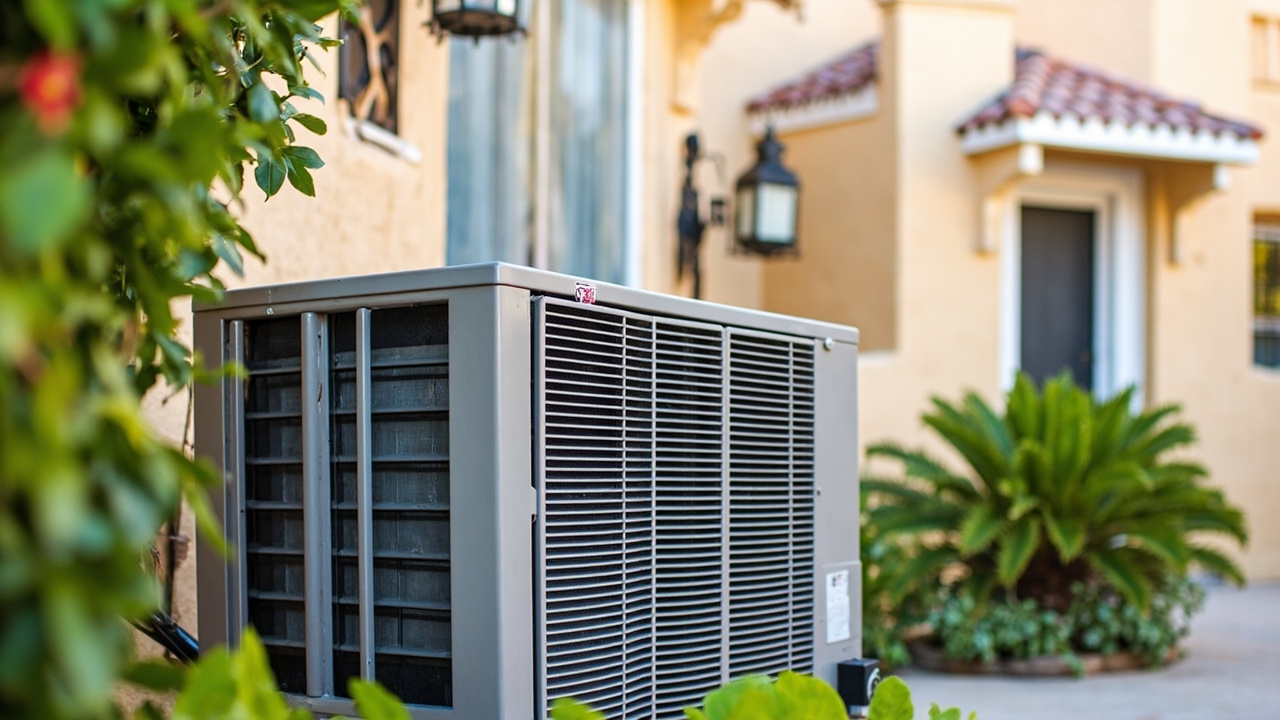
Ductless mini splits solve both problems. These systems consist of an outdoor compressor unit connected to one or more indoor air handlers via a three-inch conduit carrying refrigerant lines, electrical wiring, and a condensate drain. No ductwork required. Each indoor unit controls the temperature in its zone independently, so your bedroom can be 68 degrees while your living room stays at 72 degrees.

How ductless air conditioning works is simple. The outdoor unit compresses refrigerant and pumps it to indoor units. The refrigerant absorbs heat from inside your home and carries it outside. In heating mode, the cycle reverses. What are ductless heat pumps? They are the same system running in reverse, pulling heat from outdoor air even when temperatures drop to 40 degrees.

The basics of mini split systems come down to efficiency and flexibility. You cool or heat only the rooms you use, cutting energy waste by 30 percent compared to ducted systems that leak conditioned air into attics and crawl spaces.

Why Los Angeles Homeowners Are Switching to Ductless Technology
How Ductless HVAC Systems Actually Work

How Ductless HVAC Systems Actually Work

Understanding the ductless hvac system explained starts with the refrigeration cycle. The outdoor condenser unit contains a compressor, condenser coil, expansion valve, and fan. The compressor pressurizes refrigerant, raising its temperature. The hot, high-pressure refrigerant flows through copper lines to the indoor evaporator unit.

Inside your home, the refrigerant passes through the evaporator coil. As it expands and evaporates, it absorbs heat from indoor air. The blower fan circulates room air across the cold coil, and cooled air exits through louvers that direct airflow up, down, or side to side. The now-warm refrigerant flows back to the outdoor unit, where the cycle repeats.

Each indoor unit operates independently using an inverter-driven compressor. Traditional HVAC systems run at fixed speeds, cycling on and off to maintain temperature. Inverter technology adjusts compressor speed in real time, ramping up or down based on demand. This eliminates the temperature swings you get with conventional systems.

The line set connecting indoor and outdoor units runs through a small hole drilled through an exterior wall. Installation takes four to six hours for a single-zone system. Multi-zone systems use one outdoor unit to serve up to five indoor units, each controlled separately.

A ductless air conditioning guide would be incomplete without discussing SEER ratings. Seasonal Energy Efficiency Ratio measures cooling efficiency. Ductless systems typically achieve 18 to 30 SEER, compared to 14 to 16 SEER for ducted systems. Higher SEER means lower operating costs, critical in Los Angeles where cooling season runs from May through October.

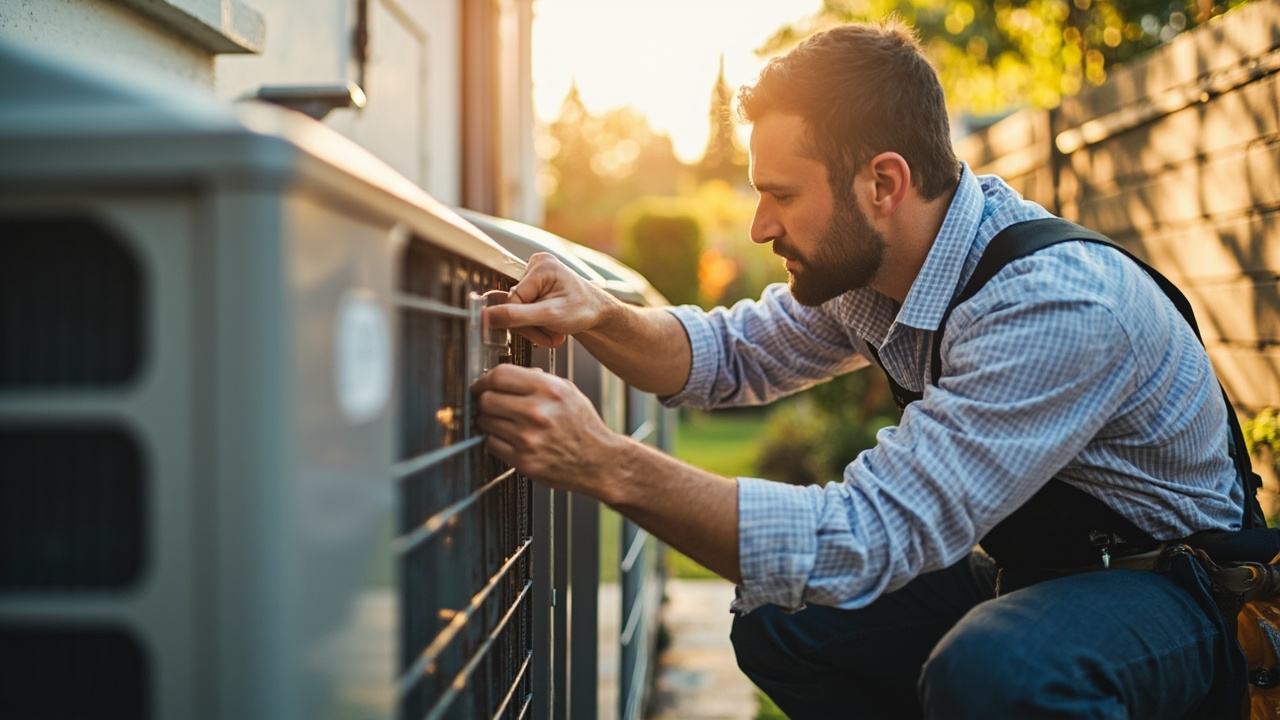
Maintenance involves cleaning filters monthly and scheduling annual professional service. Filters slide out from the front panel. Rinse them under a faucet, let them dry, and reinstall. The technician checks refrigerant charge, cleans coils, and tests electrical connections.

What Happens During Your Ductless System Consultation

Understanding Ductless Systems in Los Angeles – Your Complete Guide to Climate Control Without Ductwork
01

Load Calculation and Zoning

A Plus HVAC Los Angeles starts with a Manual J load calculation to determine BTU requirements for each room. We measure square footage, assess insulation levels, count windows and their orientation, and evaluate sun exposure. In Los Angeles, west-facing rooms absorb intense afternoon heat, requiring higher capacity. We map zones based on usage patterns and temperature preferences, designing a system that matches your lifestyle rather than forcing you to adapt to equipment limitations.
02

Equipment Selection and Placement

We select indoor units based on room geometry and aesthetics. Wall-mounted units work in bedrooms and offices. Ceiling cassettes integrate into dropped ceilings in commercial spaces. Floor-mounted units fit rooms where wall space is limited. Outdoor unit placement considers noise levels, property line setbacks per Los Angeles Municipal Code, and refrigerant line length limitations. Longer line sets reduce efficiency, so we position condensers to minimize distance while maintaining accessibility for service.
03

Installation and Commissioning

Installation includes mounting the indoor unit, drilling the three-inch penetration through the exterior wall, running the line set, installing the outdoor condenser on a concrete pad or wall brackets, making refrigerant connections, evacuating the lines to remove moisture and air, charging the system with refrigerant, testing electrical connections, and programming the thermostat. We verify airflow, check temperature differentials across the coil, and confirm each zone responds correctly to its controller. You receive operating instructions and a maintenance schedule.

Why Los Angeles Property Owners Trust Local Ductless Expertise

Los Angeles building codes require permits for ductless installations. The outdoor unit must meet setback requirements, typically five feet from property lines in residential zones. Noise ordinances limit sound levels at adjacent properties to 50 decibels during daytime and 45 decibels at night. A Plus HVAC Los Angeles handles permit applications, understands inspection requirements, and knows which condensers meet noise restrictions without sacrificing capacity.

Historic neighborhoods like Hancock Park and West Adams have design review boards that regulate exterior modifications. We conceal line sets inside walls when possible and paint conduit to match exterior finishes. Roof-mounted condensers disappear behind parapet walls. The goal is comfort without compromising architecture.

Coastal properties from Santa Monica to Manhattan Beach face salt air corrosion. We specify condensers with corrosion-resistant coatings and marine-grade fasteners. Inland valleys like San Fernando and San Gabriel reach 105 degrees in summer. We size systems for peak loads rather than average conditions, preventing failures during heat waves when you need cooling most.

Multi-family properties and commercial buildings require coordination with property managers and adherence to Title 24 energy codes. We design systems that meet California's strict efficiency mandates while providing tenant-controlled comfort. Split systems eliminate arguments over thermostat settings in shared spaces.

Local expertise matters because installation quality determines system performance and longevity. Refrigerant leaks from improper brazing connections waste energy and damage compressors. Undersized line sets restrict refrigerant flow, reducing capacity. Incorrect evacuation procedures introduce moisture that freezes at the expansion valve, blocking refrigerant flow. These mistakes turn efficient equipment into expensive problems.

You need a contractor who installs ductless systems weekly, not once or twice per year as a side offering.

What to Expect When You Choose Ductless Climate Control

Project Timeline and Scheduling

Single-zone installations take four to six hours from start to finish. Multi-zone systems serving three to five rooms require a full day. We schedule installations during weekdays to minimize disruption. The process includes unloading equipment, protecting floors and landscaping, running line sets, making electrical connections, pressure testing, evacuating refrigerant lines, charging the system, and testing operation. You can use the system immediately after we leave. Commercial projects may require evening or weekend work to avoid interrupting business operations. We provide firm appointment windows and arrive on time.

The Initial Assessment Process

Your consultation begins with a room-by-room evaluation. We identify heat gain sources like skylights, vaulted ceilings, and large windows. We assess your electrical panel capacity, as ductless systems require dedicated circuits. Older Los Angeles homes often need panel upgrades to accommodate new equipment. We inspect potential outdoor unit locations for code compliance and accessibility. You receive a written proposal detailing equipment specifications, installation scope, permit requirements, and a fixed price. We explain zone configurations and control options, including smartphone integration and programmable schedules. Questions are encouraged and answered in plain language, not sales tactics.

Performance and Comfort Results

Properly installed ductless systems eliminate hot spots and cold drafts. Each room reaches your target temperature within 15 minutes and maintains it within one degree. Inverter technology runs quietly, producing 19 to 25 decibels indoors, quieter than a whisper. Outdoor units generate 50 to 58 decibels, similar to normal conversation. Energy bills drop 25 to 40 percent compared to window units or old central systems. Indoor air quality improves because ductless systems filter air continuously through multi-stage filters capturing dust, pollen, and odors. Dehumidification happens automatically during cooling, maintaining 40 to 50 percent relative humidity even during June gloom when coastal moisture saturates homes.

Ongoing Support and Maintenance

Manufacturer warranties cover parts for five to ten years, depending on the model. Compressors typically carry extended warranties up to 12 years. We offer annual maintenance agreements that include filter cleaning, coil inspection, refrigerant level checks, electrical connection testing, and condensate drain flushing. Spring tune-ups prepare your system for cooling season. Fall inspections ensure heating mode operates efficiently. Regular maintenance prevents 90 percent of breakdowns and extends equipment life from 15 to 20 years. Service calls receive priority scheduling. We stock common parts for same-day repairs. Emergency service is available when systems fail during extreme weather events.

Frequently Asked Questions

You Have Questions,
We Have Answers

What is the $5000 AC rule? +

The $5000 AC rule is an IRS tax provision that allows homeowners to deduct the full cost of energy-efficient HVAC equipment in the year of installation if the total expense stays under $5000. This applies to qualifying systems like high-efficiency mini splits with SEER2 ratings above 16. In Los Angeles, where cooling costs run high year-round, this deduction can offset the initial investment in ductless systems. You must use the system primarily for heating or cooling your primary residence. Keep receipts and manufacturer certifications for tax filing. Consult a tax professional to confirm eligibility based on your specific situation.

What are the disadvantages of a ductless mini split? +

Ductless mini splits have a higher upfront cost than traditional central air systems. Installation requires drilling through exterior walls to connect indoor and outdoor units, which some homeowners find invasive. The indoor wall-mounted units are visible and may not fit every design preference. Each zone needs its own air handler, which increases costs for multi-room coverage. In Los Angeles homes with existing ductwork, retrofitting to ductless may seem excessive. Mini splits also require regular filter cleaning every few weeks to maintain efficiency. If the outdoor compressor fails, it can affect all connected indoor units simultaneously, requiring professional repair.

Why is my electric bill so high with mini split? +

Your electric bill may spike with a mini split if the system is oversized for your space, causing short-cycling that wastes energy. Incorrectly sized units run inefficiently in Los Angeles heat. Leaving mini splits running 24/7 in unoccupied rooms drains power unnecessarily. Dirty filters force the system to work harder, increasing consumption. Refrigerant leaks reduce efficiency and spike costs. Poor placement near direct sunlight or heat sources makes the compressor overwork. Old electrical panels in Los Angeles homes may cause voltage fluctuations that strain the system. Check your thermostat settings, clean filters monthly, and schedule professional maintenance to reduce waste.

How many mini splits do I need for a 2000 square foot house? +

A 2000 square foot house typically needs two to four mini split zones, depending on layout and insulation quality. Open floor plans may need fewer units, while homes with multiple closed rooms require more. Calculate 20-30 BTUs per square foot for Los Angeles climate, meaning 40,000-60,000 total BTUs. A single multi-zone outdoor compressor can power up to eight indoor air handlers. Homes with high ceilings, west-facing windows, or poor insulation need higher capacity. Older Los Angeles homes with single-pane windows may require additional zones. A professional load calculation accounts for sun exposure, occupancy, and specific room usage to prevent under or oversizing.

What is the 3 minute rule for air conditioners? +

The 3 minute rule prevents compressor damage by requiring a three-minute wait between shut-off and restart. This delay allows refrigerant pressure to equalize throughout the system. Restarting too quickly forces the compressor to work against unbalanced pressure, causing mechanical strain and premature failure. Modern mini splits have built-in timers that enforce this delay automatically. In Los Angeles, where air conditioners cycle frequently during summer, this protection extends equipment lifespan significantly. You cannot override this delay manually. If your system restarts immediately without waiting, the safety timer may be faulty and needs professional inspection to prevent compressor burnout.

Can I write off my new AC unit on my taxes? +

You can claim a federal tax credit for new AC units that meet energy efficiency standards. The Inflation Reduction Act allows up to 30 percent of equipment and installation costs, capped at $2000 annually for qualifying HVAC systems. Your mini split must have a SEER2 rating of 16 or higher. Los Angeles homeowners benefit from both federal and occasional state rebates for efficient cooling upgrades. The unit must be installed in your primary residence, not a rental property. Keep the manufacturer certification statement and installation receipts. Consult a tax advisor to confirm eligibility, as rules change yearly and depend on your specific tax situation.

How do Amish cool their homes without air conditioning? +

The Amish cool homes through passive design strategies that predate mechanical air conditioning. Thick stone or brick walls provide thermal mass that absorbs daytime heat. Strategic window placement creates cross-ventilation that pulls cooler air through living spaces. Covered porches shade walls from direct sun exposure. Basements stay naturally cool and serve as retreat spaces during extreme heat. Deciduous trees planted on south and west sides block summer sun while allowing winter warmth. Whole-house fans exhaust hot air through attic vents at night. While effective in moderate climates, these methods would struggle with Los Angeles prolonged summer heat and require significant architectural planning.

Do mini splits work in 100 degree weather? +

Mini splits work effectively in 100-degree weather if properly sized and maintained. Quality systems operate efficiently up to 115 degrees ambient temperature. In Los Angeles summer heat, a correctly sized unit with adequate BTU capacity will cool your space without strain. The outdoor compressor must have clearance for airflow and shade protection from direct sun. Refrigerant levels must be correct to maintain cooling capacity. Systems lose efficiency above their rated temperature range, causing longer run times. Older units or undersized systems struggle in extreme heat and may fail to reach set temperatures. Regular maintenance and proper installation ensure reliable performance during Los Angeles heat waves.

Where should you not install a mini split? +

Avoid installing mini splits in direct sunlight, which causes the compressor to overwork and reduces efficiency. Do not mount indoor units directly above beds or seating areas where cold air blows on occupants constantly. Skip installation near heat sources like stoves or water heaters that trigger false thermostat readings. Enclosed spaces without airflow, like closets, prevent proper air circulation. Avoid exterior walls with southern exposure in Los Angeles, where afternoon sun radiates heat into the unit. Dusty garages or workshops clog filters rapidly. Do not place outdoor compressors in tight corners without clearance for airflow. Skip areas prone to water accumulation or flooding.

What runs your electric bill up the most? +

Air conditioning accounts for the highest electric consumption in Los Angeles homes, especially during prolonged summer heat. Water heaters run constantly and consume significant power year-round. Older refrigerators lack modern efficiency standards and drain electricity 24/7. Electric dryers use high wattage per cycle. Pool pumps running 8-12 hours daily add substantial costs. Phantom loads from devices in standby mode accumulate waste. Incandescent bulbs consume more than LEDs for the same light output. Poor insulation forces HVAC systems to work harder. Single-pane windows allow heat transfer that increases cooling demands. Upgrading to efficient appliances and sealing air leaks reduces overall consumption significantly.

How Los Angeles Climate and Building Stock Make Ductless Systems the Smart Choice

Los Angeles averages 284 sunny days per year, with temperatures ranging from 50 to 85 degrees most of the year. This mild climate means you need flexible heating and cooling, not the oversized systems designed for Phoenix summers or Chicago winters. The city's 1.2 million housing units include hundreds of thousands of pre-war bungalows, Spanish Colonial revivals, and mid-century homes built without ductwork. Retrofit ducted systems waste 25 to 40 percent of conditioned air through leaky connections and uninsulated runs through attics where temperatures hit 140 degrees in summer. Ductless mini splits deliver 100 percent of their capacity directly into living spaces, making them the most efficient solution for existing homes where adding ducts destroys value and livability.

California Title 24 energy codes require high-efficiency HVAC in new construction and major renovations. Ductless systems meet these standards easily while providing zone control that reduces energy use. Los Angeles Department of Building and Safety requires permits for electrical and refrigeration work. Unlicensed installation voids manufacturer warranties and creates liability if refrigerant leaks or electrical faults cause damage. A Plus HVAC Los Angeles holds California C20 and C10 contractor licenses, carries general liability and workers compensation insurance, and pulls permits for every installation. We understand local inspection processes and maintain relationships with building officials across Los Angeles County, ensuring your project passes inspection the first time.
HVAC Services in The Los Angeles Area

Want to know if we service your neighborhood? Use the map below to see our local coverage. A Plus proudly serves Los Angeles and nearby communities with fast response times and top-tier HVAC expertise. Whether you're downtown or in the suburbs, we're just a call away. Our mobile team is equipped to reach you quickly and solve your HVAC issues efficiently. Don’t hesitate to reach out—comfort and reliability are closer than you think.

Address:
A Plus HVAC Los Angeles, 1901 Ave of the Stars, Los Angeles, CA, 90067

Additional Services We Offer

Our news updates

Latest Articles & News from The Blogs

Sherman Oaks homeowners face a unique set of cooling challenges. The location between the Santa Monica Mountains and the flatlands…

Full AC Replacement Costs for Sherman Oaks Homeowners

Sherman Oaks homeowners face a unique set of cooling challenges. The location between the Santa Monica Mountains and the flatlands…

Switching From Gas to Electric Heating in Miracle Mile (And What It Costs)

Switching From Gas to Electric Heating in Miracle Mile (And What It Costs) Miracle Mile homeowners are moving toward all…

HVAC Strategies for Quiet Home Recording Studios in Toluca Lake

Precision HVAC Solutions for Los Angeles Recording StudiosHome studio owners in Toluca Lake face a unique set of challenges when…

Contact Us

Ready to explore how ductless technology fits your home or business? Call (310) 579-0040 to schedule a free consultation. We will assess your space, explain your options, and provide a detailed proposal with no pressure and no gimmicks.