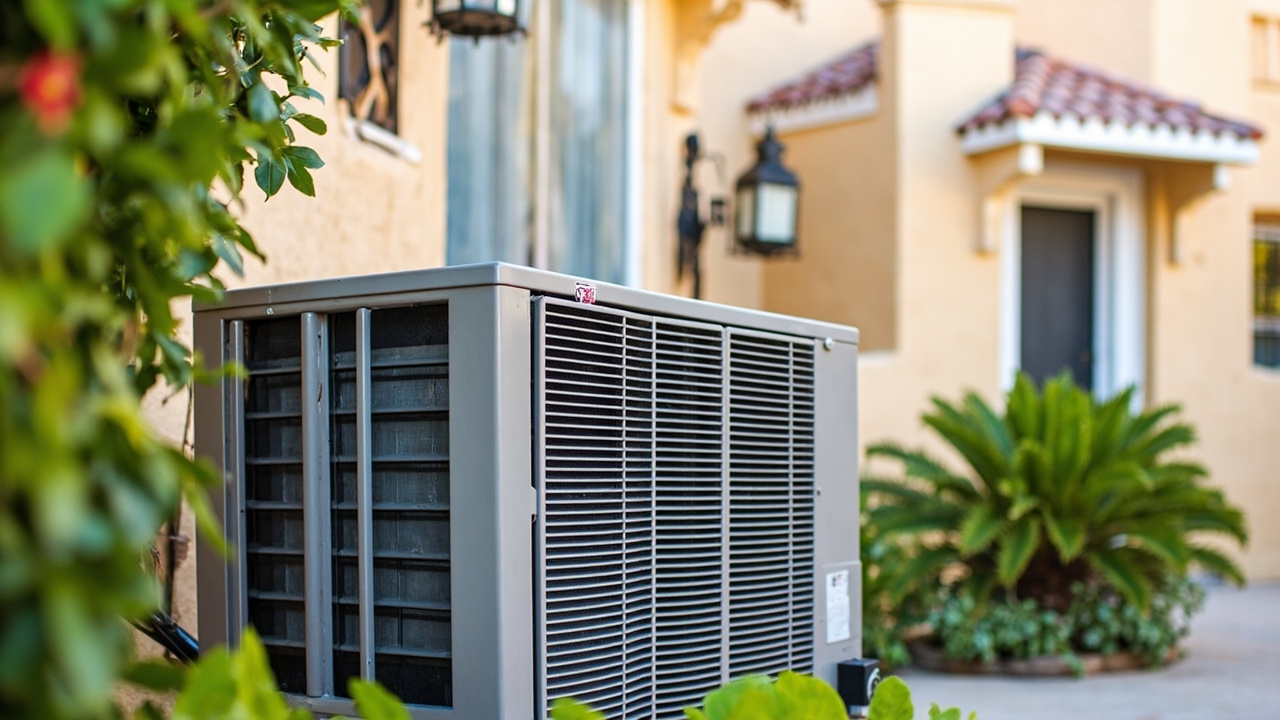







Los Angeles sits in a Mediterranean climate zone where cooling dominates energy consumption nine months per year. The average HVAC system price in 2026 reflects this reality through oversized condensing units and minimal heating capacity. Properties within five miles of the coast in neighborhoods like Marina del Rey face salt air exposure requiring corrosion-resistant coil coatings and stainless fasteners that add 10 to 15 percent to equipment costs. Inland valley properties in Sherman Oaks or Studio City experience 30-degree temperature swings between morning and afternoon, requiring two-stage or variable-speed equipment to maintain comfort without constant temperature fluctuations. The 2026 HVAC replacement cost guide accounts for these microclimates when sizing equipment.
A Plus HVAC Los Angeles maintains relationships with Los Angeles Department of Building and Safety plan checkers who review our permit applications. We understand local amendment requirements to California Mechanical Code, including seismic bracing standards for rooftop equipment and fire-rated penetration sealing in multi-family buildings. Our familiarity with neighborhood-specific challenges, from parking restrictions in dense urban areas to historic preservation requirements in HPOZ zones, prevents installation delays and unexpected costs. When you work with contractors who regularly navigate Los Angeles permitting and inspection processes, your project timeline remains predictable and your final costs match initial estimates.