



Norwalk sits in the southeastern corner of Los Angeles County, close enough to the coast to feel marine layer humidity but far enough inland to experience summer heat that pushes past 95 degrees. This creates a unique challenge for HVAC systems. The morning fog and coastal moisture stress components differently than dry desert heat. Condensate lines clog faster. Evaporator coils accumulate buildup. Compressors work overtime cycling between cooling modes as temperatures swing 20 degrees from morning to afternoon.
The housing stock in neighborhoods like Paddison Square and Imperial Highway corridor includes many homes built in the 1950s and 60s with original ductwork that was never sized for modern high-efficiency systems. Add in Norwalk's position along the I-605 and I-5 corridors, which brings road dust and particulates that clog filters faster, and you understand why systems here need more frequent maintenance than industry standard recommendations.
The local soil, primarily clay-based, shifts with seasonal moisture changes. This movement can separate duct joints in crawl spaces and attics, creating air leaks that force your system to work harder. When your HVAC struggles, your energy bills climb. When it fails completely, summer heat or winter cold becomes dangerous for young children and elderly residents.
We built our reputation in Norwalk by showing up when we say we will and fixing what we said we would fix. No surprise charges. No upselling. No pressure tactics. When you call A Plus HVAC Los Angeles, you talk to someone who answers your questions in plain language, gives you an honest assessment over the phone, and schedules a technician who arrives with the parts and tools to complete most repairs the same day.
Our technicians average 12 years of field experience. They carry factory certifications for major brands including Carrier, Trane, Lennox, Rheem, and Goodman. They diagnose the root cause, not just the symptom. If your system short cycles, we find out why instead of replacing parts until something works. If your energy bills doubled, we trace the inefficiency to its source. This approach saves you money and extends equipment life.
We stock our service vehicles with the most common parts for residential systems in Norwalk. Capacitors, contactors, thermostats, drain line components, refrigerant, and blower motors are on every truck. This means fewer return trips and faster repairs. When we do need to order a part, we source it quickly through local suppliers and prioritize your job.
Our pricing is transparent. Before any work begins, you see the cost in writing. No hidden fees. No trip charges disguised as diagnostic fees if you approve the repair. We explain what failed, why it failed, and what you can expect going forward. If your system is beyond economical repair, we tell you straight and help you understand replacement options without pressure.

When your AC dies during a heat wave or your heater quits on a cold night, we respond fast. Most Norwalk service calls get same-day appointments. We answer phones seven days a week, and our dispatch system prioritizes emergency calls. You get a two-hour arrival window, not an all-day wait. Our technicians text when they are 30 minutes out so you are not stuck at home guessing.

You know the cost before work starts. We diagnose the problem, explain what needs repair, and give you a written price. No surprises. No time-and-materials billing that climbs as the job progresses. If the repair takes longer than expected, that is our problem, not yours. This pricing model protects you from inflated labor charges and gives you confidence in every transaction.
Our team holds manufacturer certifications and completes ongoing training on new equipment and diagnostic techniques. They understand the engineering behind modern variable-speed systems, smart thermostats, and zoned climate control. This expertise means accurate diagnosis the first time and repairs that last. We do not guess. We test, measure, and verify before recommending any repair.
We know Norwalk's housing stock, from the post-war bungalows near Norwalk Boulevard to the newer developments around the 605 corridor. We understand how coastal humidity affects indoor air quality and how local soil movement impacts ductwork integrity. This local knowledge helps us diagnose problems faster and recommend solutions that work for the specific challenges Norwalk homeowners face.
A Plus HVAC Los Angeles handles every aspect of residential heating and cooling. From emergency repairs that get your system running again to precision tune-ups that prevent breakdowns, we cover the full spectrum of HVAC service. We repair all major brands and system types including central air conditioning, heat pumps, gas furnaces, electric heating, and ductless mini-splits.
Our service range includes fast diagnostic work when your system stops working, preventive maintenance that catches problems before they cause failure, and air quality improvements that make your home healthier. We also handle system replacements when equipment reaches end of life and upgrades when you want better efficiency or improved comfort.
Every service call starts with thorough diagnosis. We test voltage, measure airflow, check refrigerant charge, inspect electrical connections, and evaluate system performance against manufacturer specifications. This comprehensive approach identifies the real problem so we fix it right the first time. Whether you need emergency cooling repair, heating service, or complete system maintenance, we bring the same attention to detail and commitment to quality.
Your air conditioner quits during a heat wave. Your furnace stops working on the coldest night. These emergencies demand immediate response. We prioritize emergency calls and dispatch technicians who arrive with diagnostic tools and common parts. Most air conditioning repairs involve failed capacitors, bad contactors, or refrigerant leaks. Most heating failures trace to ignition problems, flame sensor issues, or blower motor failure. Our trucks stock these components so we complete repairs on the first visit. When we cannot fix it immediately, we explain why and give you a clear timeline for resolution.
Regular maintenance prevents most emergency repairs. Our precision tune-up service includes cleaning condenser coils, checking refrigerant charge, testing capacitors and contactors, lubricating motors, inspecting electrical connections, calibrating thermostats, and evaluating airflow. We catch small problems before they cascade into system failure. A worn contactor gets replaced during maintenance instead of failing at 9 PM on a Saturday. Low refrigerant indicates a leak we find and repair before your compressor burns out. This proactive approach saves money and extends equipment life by years.
When your system is 15 years old and needs a major repair like a compressor or heat exchanger, replacement often makes better financial sense. We provide honest assessments about repair versus replace decisions. Our installation service includes proper sizing calculations, ductwork evaluation, and equipment selection based on your home's specific needs. We handle permits, inspections, and warranty registration. Installation quality matters as much as equipment quality. Poor installation ruins even the best system. Our installers follow manufacturer specifications and industry best practices to ensure your new system delivers rated efficiency and reliable performance.
Norwalk's climate and housing characteristics create specific HVAC challenges. The marine layer brings morning humidity that stresses cooling systems differently than dry inland heat. Temperature swings from 65 degrees at dawn to 95 by afternoon force systems to cycle frequently, wearing components faster. Older homes in established neighborhoods often have undersized ductwork or inadequate insulation that makes systems work harder than they should.
The combination of coastal moisture and urban air quality accelerates filter clogging and coil fouling. Homes near the 605 and 5 freeways deal with more airborne particulates. The clay soil common throughout Norwalk shifts seasonally, potentially separating duct joints and creating air leaks that reduce efficiency. These factors mean Norwalk systems need more frequent maintenance and attention than equipment operating in more stable conditions. Understanding these local challenges helps homeowners recognize problems early and avoid expensive emergency repairs.
Your air conditioner turns on and off every few minutes instead of running steady cooling cycles. This short cycling wastes energy and wears out components fast. Common causes include oversized equipment, refrigerant overcharge, dirty coils, or failing pressure switches. The temperature swings common in Norwalk can make marginal systems show this problem. We diagnose the root cause and fix it right.
Coastal humidity combined with urban air pollution creates indoor air quality challenges. Mold grows in ductwork. Dust and allergens circulate continuously. Your home smells musty or stale. These problems trace to inadequate filtration, duct leaks, or moisture accumulation. We evaluate your entire system, check for duct leaks, and recommend improvements like better filters, UV lights, or dehumidification to make your indoor air healthier.
One bedroom stays hot while the rest of the house cools fine. Your living room never reaches the temperature on the thermostat. Uneven temperatures indicate ductwork problems, improper system sizing, or airflow restrictions. In Norwalk's older homes, original ductwork often cannot handle modern high-efficiency equipment. We measure airflow in each room, inspect ducts for leaks or blockages, and identify why your system cannot distribute conditioned air evenly.
Your electric bill doubled but your usage habits stayed the same. This signals system inefficiency. Low refrigerant makes compressors work harder. Dirty coils reduce heat transfer. Duct leaks waste conditioned air. Failing capacitors cause motors to draw excess current. We perform efficiency testing to find what changed. Most causes have straightforward fixes that pay for themselves in a few months through lower bills.
From your first phone call to completed repair, we focus on clear communication and professional service. You talk to knowledgeable staff who answer questions honestly and schedule appointments that fit your day. Our technicians arrive in marked vehicles, in uniform, with the tools and parts needed for most repairs. They treat your home with respect, wear shoe covers, and clean up completely before they leave.
We explain what we find in plain language. No technical jargon meant to confuse. No pressure tactics. If your system needs repair, we tell you what failed, why it failed, what it costs to fix, and how long the repair should last. If it makes more sense to replace than repair, we explain why and help you understand your options without pushing you toward the most expensive choice. This transparency builds trust and helps you make informed decisions about your home comfort.
When you call, you talk to someone who understands HVAC and can answer basic questions immediately. We ask about your symptoms, your system type, and when the problem started. This helps us schedule the right technician and alert them to potential issues before arrival. We give you a realistic time window, usually two hours, and text updates so you know when to expect us. No all-day waits. No vague scheduling.
Our technicians do not guess. They test and measure. They check voltage, amperage, airflow, refrigerant pressures, and system temperatures. They inspect electrical connections and evaluate component condition. This diagnostic process takes 20 to 40 minutes depending on system complexity. Once they identify the problem, they explain what they found and give you a written price quote. You approve the work before they start. No surprises.
We warranty our labor for one year on all repairs. Parts carry manufacturer warranties that we help you navigate if needed. After completing repairs, we test system operation to verify proper function. We explain what we did, what you should watch for, and when you should schedule your next maintenance. If something does not perform as expected, we come back and make it right at no additional charge.
We keep the process straightforward because you are dealing with enough stress from a broken HVAC system. Three clear steps from your call to restored comfort.
Call us and describe the problem. We schedule a service appointment, usually same day for emergencies. Our technician arrives in the scheduled window, evaluates your system thoroughly, and identifies what failed. They explain the problem in clear terms, show you the failed component when possible, and give you a written price quote. This diagnostic process ensures we fix the real problem, not just symptoms.
Once you approve the work, we complete the repair. Our trucks stock common parts, so most jobs finish the same visit. We replace the failed component, reassemble the system, and restore power. Then we run the system through complete cycles, measuring performance to verify proper operation. We check airflow, test temperatures, and ensure everything works as designed before we leave.
Before leaving, we walk you through what we did and answer any questions. We explain how to prevent similar problems and when to schedule maintenance. You receive written documentation of the repair including parts installed and warranty information. If any issues arise after we leave, you call the same number and we respond quickly. Our goal is your complete satisfaction and restored home comfort.
Residential HVAC work in Norwalk falls under California Title 24 energy standards and Los Angeles County building codes. These regulations set minimum efficiency requirements, mandate proper refrigerant handling, and establish installation standards that protect homeowners. Any work involving refrigerant requires EPA Section 608 certification. System replacements need permits from Los Angeles County and must pass inspection to verify proper installation and safety compliance.
California Title 24 requires minimum SEER ratings of 14 for new air conditioning equipment and 80 percent AFUE for furnaces. These efficiency standards aim to reduce energy consumption statewide. Higher efficiency equipment qualifies for utility rebates through Southern California Edison. Proper installation matters as much as equipment efficiency. Poor ductwork design or incorrect refrigerant charge can reduce a 16 SEER system to 12 SEER performance.
Load calculations following ACCA Manual J methodology determine correct system sizing. Oversized equipment short cycles and fails to dehumidify properly. Undersized equipment runs continuously and never achieves comfortable temperatures. Proper sizing requires measuring square footage, evaluating insulation levels, calculating window heat gain, and accounting for local climate factors including Norwalk's temperature ranges and humidity patterns.
Ductwork design follows ACCA Manual D standards. Ducts must be sized correctly for airflow requirements, sealed to prevent leaks, and insulated to minimize temperature loss. In Norwalk's older homes, original ductwork often fails to meet these standards. Duct leakage tests can reveal where conditioned air escapes into attics or crawl spaces. Sealing these leaks improves comfort and efficiency dramatically.
Refrigerant handling regulations under the Clean Air Act require proper recovery, recycling, and disposal. Technicians cannot vent refrigerant to atmosphere. All refrigerant must be captured using EPA-approved recovery equipment. Systems must be evacuated to proper vacuum levels before charging. Refrigerant charge must match manufacturer specifications exactly. Overcharging or undercharging reduces efficiency and can damage compressors.
System replacements and significant modifications require building permits through Los Angeles County. Permitted work gets inspected to verify code compliance, proper installation, and safety. This protects homeowners from substandard work. Permits also create documentation that helps with home sales and insurance claims. We handle all permit applications and coordinate inspections so you do not deal with bureaucracy.
Repair costs depend on which component failed and the labor required to access it. A capacitor costs less than a compressor. Attic equipment is easier to service than crawlspace installations. Refrigerant prices fluctuate with environmental regulations. System replacements depend on equipment efficiency level, system size, ductwork condition, and installation complexity. Higher efficiency equipment costs more upfront but saves money over its lifetime through lower energy bills.
Well-maintained air conditioners last 12 to 15 years in Norwalk's climate. Furnaces last 15 to 20 years. Coastal humidity and temperature cycling affect longevity. Systems that receive annual maintenance last longer than neglected equipment. Age is not the only factor in replacement decisions. A 10-year-old system needing a major repair might warrant replacement while a well-maintained 14-year-old system could run several more years reliably.
SEER measures air conditioning efficiency. Higher numbers mean lower operating costs. California requires minimum 14 SEER for new systems. Premium equipment reaches 20 SEER or higher. AFUE measures furnace efficiency as percentage of fuel converted to heat. An 80 percent AFUE furnace wastes 20 percent of gas up the flue. High-efficiency models reach 96 percent AFUE, converting nearly all fuel to usable heat.
This video explains common air conditioning failures in Norwalk, California and how professional HVAC technicians diagnose and repair them. Topics covered include how coastal humidity and temperature swings affect system performance, which components fail most frequently, warning signs homeowners should recognize, and the repair process from diagnosis to completion. A Plus HVAC Los Angeles demonstrates proper diagnostic procedures and explains why same-day service with certified technicians matters when your cooling system fails.
A Plus HVAC Los Angeles serves every neighborhood across Norwalk, from the residential streets around Norwalk Boulevard to the developments near the 605 freeway corridor. We know this city. We have repaired systems in the post-war homes of the Paddison Square area where original ductwork often needs updating. We have serviced the ranch-style houses along Imperial Highway where attic equipment fights summer heat that bakes roofs to 150 degrees. We handle HVAC challenges in the neighborhoods near Norwalk Transit Center where proximity to the Green Line brings both convenience and urban air quality issues.
The homes east of Pioneer Boulevard toward the Santa Fe Springs border often sit on clay soil that shifts with seasonal moisture changes. This soil movement can separate duct joints in crawlspaces, creating air leaks that waste energy and reduce comfort. We inspect and seal these ducts regularly for homeowners in this area. The residential areas along Alondra Boulevard deal with traffic noise and air quality concerns that make properly functioning HVAC filtration critical for indoor air quality.
West of the 605 toward Artesia, we see more homes with updated insulation and modern HVAC systems, but even newer equipment needs maintenance. The neighborhoods around Norwalk Park and Hermosillo Park include a mix of older homes with aging systems and newer construction with high-efficiency equipment. Each area has distinct characteristics that affect how HVAC systems perform. Homes near the San Gabriel River face different humidity challenges than houses on the eastern edge of the city.
We also serve communities surrounding Norwalk including Downey, Cerritos, La Mirada, Bellflower, and Santa Fe Springs. Our central service area location means fast response times throughout southeastern Los Angeles County. Whether you live near Norwalk Square shopping center or in the residential neighborhoods around Excelsior High School, we reach you quickly when your system fails. Our technicians know the housing patterns, understand the local climate effects, and recognize the common HVAC problems specific to this part of Southern California.
The $5000 rule helps you decide between repairing or replacing your system. Multiply the age of your unit by the repair cost. If the result exceeds $5000, replacement makes more financial sense. For example, a 12-year-old system needing a $500 repair equals $6000, signaling replacement time. In Norwalk, where units work harder due to Southern California heat and air quality concerns, older systems lose efficiency fast. This rule saves you from throwing money at a failing system that will need replacement soon anyway.
Job costs vary widely based on scope. A simple refrigerant recharge runs $200 to $400. Compressor replacement ranges from $1500 to $3000. Full system replacement for Norwalk homes typically falls between $5000 and $12000, depending on tonnage, efficiency rating, and ductwork condition. Factors affecting price include your home's square footage, existing ductwork quality, and SEER rating choice. Commercial jobs run higher due to larger equipment and complex zoning requirements. Get multiple detailed quotes that break down labor, materials, and warranty coverage before committing.
A 2000 square foot Norwalk home typically requires a 3 to 4 ton system. Expect to pay $6000 to $10000 for a complete installation with a mid-range SEER rating. Higher efficiency units (16 SEER or above) cost more upfront but reduce monthly bills in our warm climate. Price factors include ductwork modifications, two-story layout complexity, insulation quality, and existing electrical capacity. Older Norwalk homes may need panel upgrades or duct sealing to maximize efficiency. Always verify tonnage through Manual J load calculations, not just square footage alone.
The $5000 rule helps you decide between repairing or replacing your system. Multiply the age of your unit by the repair cost. If the result exceeds $5000, replacement makes more financial sense. For example, a 12-year-old system needing a $500 repair equals $6000, signaling replacement time. In Norwalk, where units work harder due to Southern California heat and air quality concerns, older systems lose efficiency fast. This rule saves you from throwing money at a failing system that will need replacement soon anyway.
Job costs vary widely based on scope. A simple refrigerant recharge runs $200 to $400. Compressor replacement ranges from $1500 to $3000. Full system replacement for Norwalk homes typically falls between $5000 and $12000, depending on tonnage, efficiency rating, and ductwork condition. Factors affecting price include your home's square footage, existing ductwork quality, and SEER rating choice. Commercial jobs run higher due to larger equipment and complex zoning requirements. Get multiple detailed quotes that break down labor, materials, and warranty coverage before committing.
A 2000 square foot Norwalk home typically requires a 3 to 4 ton system. Expect to pay $6000 to $10000 for a complete installation with a mid-range SEER rating. Higher efficiency units (16 SEER or above) cost more upfront but reduce monthly bills in our warm climate. Price factors include ductwork modifications, two-story layout complexity, insulation quality, and existing electrical capacity. Older Norwalk homes may need panel upgrades or duct sealing to maximize efficiency. Always verify tonnage through Manual J load calculations, not just square footage alone.
Dirty air filters cause most system failures by restricting airflow and forcing components to overwork. Thermostat malfunctions create comfort complaints and short cycling issues. Refrigerant leaks reduce cooling capacity and damage compressors if ignored. Capacitor failures prevent motors from starting, leaving you without cooling during Norwalk's hot months. Drainage clogs from dust and humidity cause water damage and mold growth. Worn contactor points prevent outdoor units from engaging. Regular maintenance catches these problems early, before they escalate into expensive emergency repairs or complete system failure.
Modern HVAC systems last 15 to 20 years with proper maintenance. Norwalk's heat and air quality issues can shorten lifespan if you skip tune-ups. Furnaces typically outlast air conditioners because they run fewer months annually. Systems installed in the early 2000s or earlier should be evaluated for replacement, as efficiency standards have improved dramatically. Signs your system is dying include frequent repairs, uneven temperatures, rising energy bills, and strange noises. Replacing before complete failure gives you time to research options and avoid emergency pricing during peak summer demand.
The 3 minute rule prevents compressor damage after shutdown. When your system cycles off, refrigerant pressure needs time to equalize throughout the system. Restarting too quickly forces the compressor to work against high pressure, causing mechanical stress and potential failure. Modern thermostats have built-in delay circuits to enforce this waiting period automatically. If your system short cycles (starts and stops rapidly), you have a serious problem. Common causes include oversized equipment, refrigerant issues, or thermostat placement in direct sunlight. Short cycling destroys components and spikes your Norwalk energy bills.
Capacitor replacement tops the repair list. These components start motors but fail from heat exposure and age. Refrigerant leak repair and recharge comes next, often from vibration or corrosion in line sets. Contactor replacement fixes clicking sounds and no-start conditions. Blower motor repair restores airflow when bearings wear out. Thermostat replacement solves communication errors between your control panel and equipment. Drain line clearing prevents water damage in Norwalk homes with high dust loads. Most repairs cost $150 to $800. If you face multiple simultaneous failures, replacement beats continued repair expenses.
Time your purchase during fall or early spring when demand drops and contractors offer incentives. Get three detailed quotes to compare equipment brands and warranty terms. Consider mid-tier SEER ratings (14-16) that balance efficiency and upfront cost for Norwalk's climate. Ask about utility rebates for high-efficiency systems. Keep your existing ductwork if it's in good condition to cut installation costs. Avoid oversized systems that waste money on capacity you don't need. Finance through manufacturer programs with zero percent interest instead of paying high credit card rates. Maintenance plans prevent expensive failures.
The compressor is the most expensive component, costing $1500 to $3000 including labor. This pump circulates refrigerant and handles extreme pressure and temperature swings. In Norwalk's heat, compressors work harder and fail faster without maintenance. Heat exchangers in furnaces run nearly as high due to complex fabrication and safety requirements. Evaporator coils cost $900 to $2000 for replacement. When these major components fail on systems over 10 years old, full replacement makes better financial sense than repairs. You avoid throwing money into aging equipment with other parts ready to fail.
October through March offers the best pricing and availability in Norwalk. Contractors have lighter schedules after summer demand ends and before spring rush begins. You get more attention to installation details and better negotiating leverage. Manufacturers release new models in spring, so previous year inventory goes on sale. Avoid June through September when emergency demand drives prices up and wait times stretch for weeks. Planning ahead lets you research options thoroughly, compare multiple bids, and choose installation dates that fit your schedule. Early buyers get first pick of equipment and experienced installation crews.
Dirty air filters cause most system failures by restricting airflow and forcing components to overwork. Thermostat malfunctions create comfort complaints and short cycling issues. Refrigerant leaks reduce cooling capacity and damage compressors if ignored. Capacitor failures prevent motors from starting, leaving you without cooling during Norwalk's hot months. Drainage clogs from dust and humidity cause water damage and mold growth. Worn contactor points prevent outdoor units from engaging. Regular maintenance catches these problems early, before they escalate into expensive emergency repairs or complete system failure.
Modern HVAC systems last 15 to 20 years with proper maintenance. Norwalk's heat and air quality issues can shorten lifespan if you skip tune-ups. Furnaces typically outlast air conditioners because they run fewer months annually. Systems installed in the early 2000s or earlier should be evaluated for replacement, as efficiency standards have improved dramatically. Signs your system is dying include frequent repairs, uneven temperatures, rising energy bills, and strange noises. Replacing before complete failure gives you time to research options and avoid emergency pricing during peak summer demand.
The 3 minute rule prevents compressor damage after shutdown. When your system cycles off, refrigerant pressure needs time to equalize throughout the system. Restarting too quickly forces the compressor to work against high pressure, causing mechanical stress and potential failure. Modern thermostats have built-in delay circuits to enforce this waiting period automatically. If your system short cycles (starts and stops rapidly), you have a serious problem. Common causes include oversized equipment, refrigerant issues, or thermostat placement in direct sunlight. Short cycling destroys components and spikes your Norwalk energy bills.
Capacitor replacement tops the repair list. These components start motors but fail from heat exposure and age. Refrigerant leak repair and recharge comes next, often from vibration or corrosion in line sets. Contactor replacement fixes clicking sounds and no-start conditions. Blower motor repair restores airflow when bearings wear out. Thermostat replacement solves communication errors between your control panel and equipment. Drain line clearing prevents water damage in Norwalk homes with high dust loads. Most repairs cost $150 to $800. If you face multiple simultaneous failures, replacement beats continued repair expenses.
Time your purchase during fall or early spring when demand drops and contractors offer incentives. Get three detailed quotes to compare equipment brands and warranty terms. Consider mid-tier SEER ratings (14-16) that balance efficiency and upfront cost for Norwalk's climate. Ask about utility rebates for high-efficiency systems. Keep your existing ductwork if it's in good condition to cut installation costs. Avoid oversized systems that waste money on capacity you don't need. Finance through manufacturer programs with zero percent interest instead of paying high credit card rates. Maintenance plans prevent expensive failures.
The compressor is the most expensive component, costing $1500 to $3000 including labor. This pump circulates refrigerant and handles extreme pressure and temperature swings. In Norwalk's heat, compressors work harder and fail faster without maintenance. Heat exchangers in furnaces run nearly as high due to complex fabrication and safety requirements. Evaporator coils cost $900 to $2000 for replacement. When these major components fail on systems over 10 years old, full replacement makes better financial sense than repairs. You avoid throwing money into aging equipment with other parts ready to fail.
October through March offers the best pricing and availability in Norwalk. Contractors have lighter schedules after summer demand ends and before spring rush begins. You get more attention to installation details and better negotiating leverage. Manufacturers release new models in spring, so previous year inventory goes on sale. Avoid June through September when emergency demand drives prices up and wait times stretch for weeks. Planning ahead lets you research options thoroughly, compare multiple bids, and choose installation dates that fit your schedule. Early buyers get first pick of equipment and experienced installation crews.
Want to know if we service your neighborhood? Use the map below to see our local coverage. A Plus proudly serves Los Angeles and nearby communities with fast response times and top-tier HVAC expertise. Whether you're downtown or in the suburbs, we're just a call away. Our mobile team is equipped to reach you quickly and solve your HVAC issues efficiently. Don’t hesitate to reach out—comfort and reliability are closer than you think.
Address:
Norwalk, CA, 90650
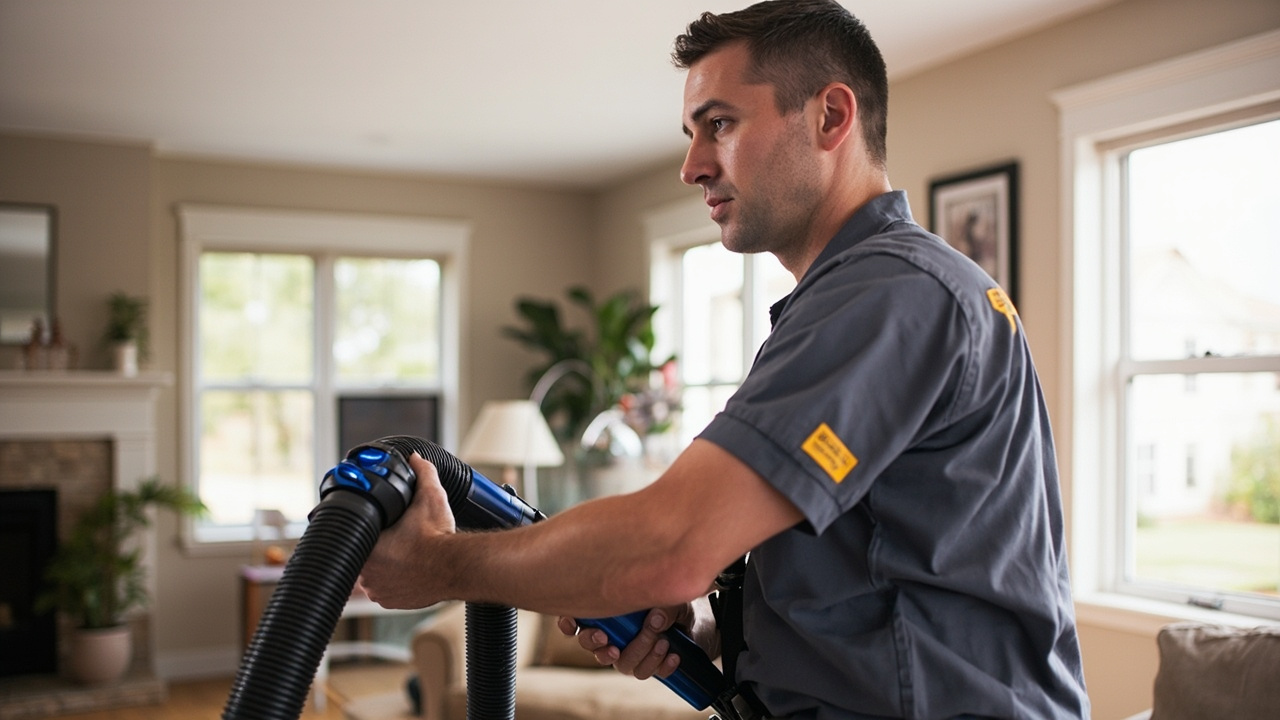
Professional Duct Cleaning in Culver City and Why It Matters for Your HomeCulver City homeowners often ask if professional maintenance for their ventilation system is a necessary expense. Living in a vibrant area near the…
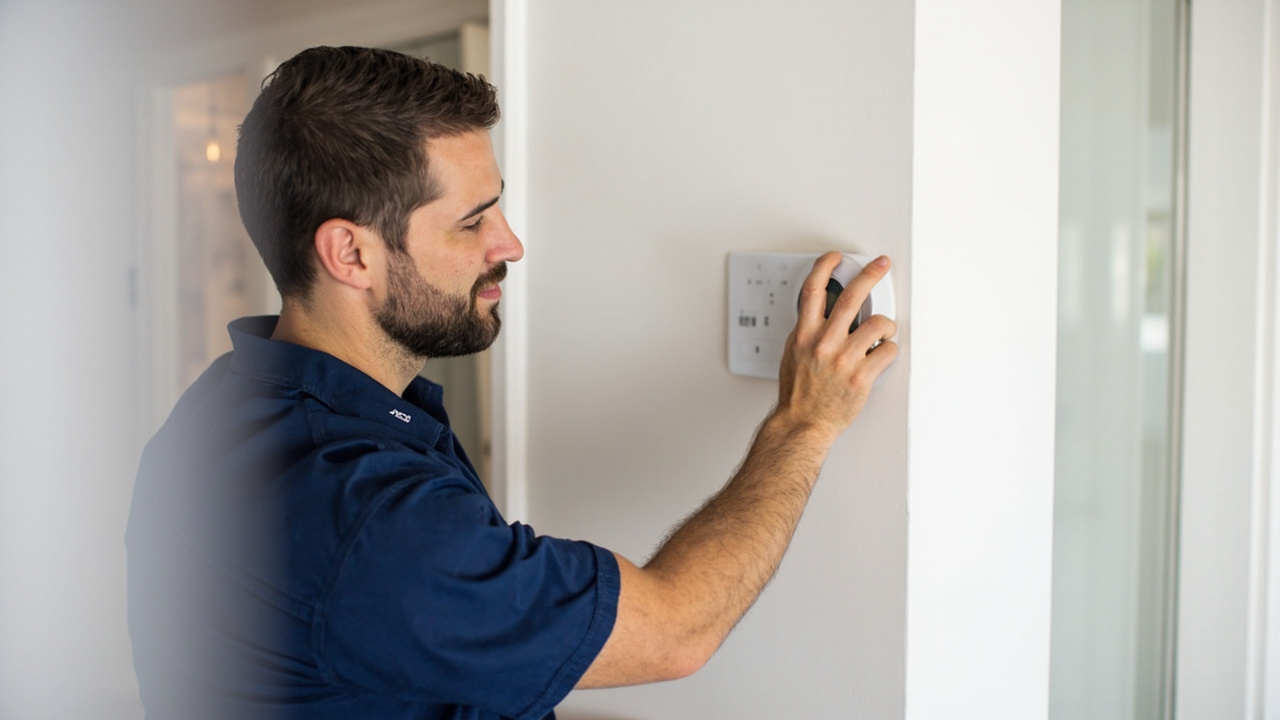
Venice Beach property owners face a unique set of challenges when managing heating and cooling…

Sherman Oaks homeowners face a unique set of cooling challenges. The location between the Santa…
Switching From Gas to Electric Heating in Miracle Mile (And What It Costs) Miracle Mile…
Your comfort matters. Call A Plus HVAC Los Angeles at (310) 579-0040 right now for same-day service. Our phones are answered seven days a week. We diagnose the problem, explain your options clearly, and get your system running again fast with upfront pricing and no surprises.
