



menu

Furnace Blowing Cold Air in Los Angeles – Fast Expert Diagnosis and Same-Day Repair

When your furnace blows cold air instead of heat, you need answers fast. Our Los Angeles HVAC technicians diagnose the root cause and restore your heating system the same day you call.

Slider Image 1
Slider Image 2
Slider Image 3
Slider Image 4
Slider Image 5
Slider Image 7
Slider Image 8
Slider Image 9
Slider Image 10
Slider Image 11

Why Your Los Angeles Furnace Is Blowing Cold Air Right Now

You turn up the thermostat and wait. The furnace kicks on, the blower runs, but cold air pours from your vents. This is not normal, and it is not going to fix itself.

In Los Angeles, furnace problems often stem from rapid temperature swings between mild days and cold nights. Your system cycles more frequently than in cities with steady winter cold, and this stop-start pattern stresses ignition systems, flame sensors, and pilot lights. When your heating system blows cold air, the most common culprits are a faulty pilot light, a tripped flame sensor, or a malfunctioning gas valve.

Sometimes your furnace is not blowing hot air because the blower runs in continuous fan mode. You get airflow but no heat because the burners never ignite. Other times, the heater blows cool air because the ignitor fails to spark, leaving gas unburned and your home freezing.

Los Angeles homes built in the 1950s through 1980s often have outdated furnace controls that fail without warning. Clay soil shifts in the Santa Monica Mountains and West LA foothills can stress gas lines over decades, leading to pressure drops that prevent proper ignition. If your furnace blows unheated air after recent seismic activity or soil movement, a compromised gas line may be the cause.

A furnace blowing cold air is frustrating, but the diagnosis is usually straightforward. The fix, however, requires precision. Misdiagnosing a flame sensor as a gas valve problem wastes time and money. You need a technician who knows the difference.

Why Your Los Angeles Furnace Is Blowing Cold Air Right Now
How We Diagnose and Fix Furnaces Blowing Cold Air

How We Diagnose and Fix Furnaces Blowing Cold Air

We do not guess. We use a systematic diagnostic protocol to isolate the exact failure point in your heating system.

First, we test thermostat signals to confirm the call for heat reaches the furnace control board. A weak 24-volt signal from a failing thermostat can prevent ignition, leaving your furnace blowing cool air even though the blower runs. We measure voltage at the thermostat terminals and the furnace interface to rule out wiring degradation.

Next, we inspect the ignition sequence. Modern furnaces use hot surface ignitors or electronic spark ignition. We check the ignitor for cracks, measure its resistance, and verify it reaches the correct temperature before gas flows. If the ignitor glows but the burners do not light, we test the flame sensor. A corroded flame sensor shuts down the gas valve within seconds, causing the furnace to blow cold air in repeated cycles.

For older furnaces with standing pilot lights, we verify the thermocouple generates sufficient millivoltage to hold the gas valve open. A weak thermocouple closes the valve prematurely, extinguishing the pilot and cutting heat.

We also check the limit switch. If your furnace overheats, the limit switch opens to prevent damage. But if the switch fails or the heat exchanger clogs with debris, the furnace shuts down burners while the blower continues running. You feel airflow but no warmth.

Gas pressure matters. We measure supply pressure at the manifold and compare it to manufacturer specifications. Low pressure from regulator failure or utility supply issues prevents proper combustion. High pressure creates incomplete burns and carbon buildup.

Once we identify the failure, we repair or replace the component and test the full heating cycle to confirm restoration.

What Happens When You Call About Your Cold Air Problem

Furnace Blowing Cold Air in Los Angeles – Fast Expert Diagnosis and Same-Day Repair
01

Emergency Dispatch and Arrival

You call our Los Angeles line and speak with a technician, not an answering service. We confirm your symptoms, schedule a same-day arrival window, and dispatch a fully stocked service vehicle. Our techs carry ignitors, flame sensors, thermocouples, and control boards for immediate repair. You get a confirmation text with technician name and estimated arrival time.
02

System Diagnosis and Testing

We run a full ignition sequence test, measure gas pressure, inspect the heat exchanger, and check airflow. We use a combustion analyzer to verify burner efficiency and safety. You watch the process and receive a plain-language explanation of the failure. We show you the failed component before replacement and explain why it failed. No upselling, no fear tactics.
03

Repair and Heat Restoration

We install the replacement part, retest the ignition cycle, and verify proper flame color and heat output. You feel warm air from your vents before we leave. We adjust the thermostat anticipator if needed, check filter condition, and confirm your system runs through multiple cycles without fault. You receive a written report of the repair and a recommended maintenance schedule.

Why Los Angeles Homeowners Choose A Plus HVAC for Furnace Repairs

Los Angeles furnaces face unique stress. Mild winters mean systems sit idle for months, then suddenly run hard when temperatures drop. Dust from the Santa Ana winds clogs flame sensors and burners. Coastal humidity corrodes electrical connections in beach communities like Venice and Manhattan Beach. Inland areas like Pasadena and Glendale experience sharper temperature drops that expose weak ignitors.

We know these patterns because we have repaired thousands of furnaces across LA County. We stock parts for Carrier, Trane, Lennox, Rheem, and Goodman systems common in Southern California homes. We understand the quirks of older Payne and Day & Night furnaces still running in historic neighborhoods like Hancock Park and Los Feliz.

Our technicians receive continuous training on evolving furnace technology. We work on 80 percent AFUE builder-grade units in tract homes and 98 percent modulating condensing furnaces in custom builds. We diagnose two-stage gas valves, variable-speed blowers, and smart thermostat integration issues that generic repair companies miss.

We also understand local building codes. Los Angeles requires carbon monoxide detectors within 10 feet of sleeping areas. We verify detector placement and function during every furnace call. If your system has a cracked heat exchanger, we red-tag it immediately and explain replacement options without pressure.

You get transparent pricing before we start work. No trip charges, no diagnostic fees if you approve the repair. We show you the failed part, explain the labor involved, and give you a written quote. Most repairs finish in under two hours.

We serve the entire LA metro, from the coast to the San Gabriel Valley, South Bay to the Santa Clarita Valley. You get the same expertise whether you live in a Brentwood estate or a Boyle Heights bungalow.

What to Expect When We Fix Your Furnace

Same-Day Service Availability

We dispatch technicians seven days a week across Los Angeles County. Most calls receive same-day service, even during cold snaps. Evening and weekend appointments are available at standard rates. We do not charge extra for urgent requests. You receive a two-hour arrival window and text updates as the technician travels to your location. Our vans carry the most common furnace parts, so you avoid multi-day waits for repairs.

Comprehensive System Evaluation

We test every component in the ignition and heating cycle. You learn exactly why your furnace blows cold air, not just the symptom. We check gas pressure, airflow, electrical connections, and safety controls. If we find additional issues that do not affect immediate function, we document them and let you decide on timing for repairs. You receive photos of problem areas and a written assessment. No hidden problems surface weeks later.

Precision Repair and Testing

We use OEM or equivalent-quality parts matched to your furnace model and age. Every repair includes post-installation testing through multiple heating cycles. We verify proper ignition timing, flame color, temperature rise, and blower operation. You feel warm air before we pack up. We clean the work area, answer your questions, and provide care instructions. Your furnace runs as designed, not just temporarily patched.

Repair Warranty and Maintenance Guidance

Parts and labor carry a standard warranty that covers defects and installation errors. We stand behind our work. You also receive a maintenance checklist specific to your furnace type and Los Angeles climate conditions. We explain when to change filters, how to spot early warning signs of failure, and which maintenance tasks you can handle versus what needs professional attention. Our goal is to prevent the next breakdown.

Frequently Asked Questions

You Have Questions,
We Have Answers

How do you fix a furnace that blows cold air? +

Start by checking your thermostat setting. Make sure it's set to heat mode, not fan-only, and the temperature is higher than your current room temp. Next, inspect your air filter. A clogged filter restricts airflow and triggers safety shutoffs. Replace it if dirty. Check your pilot light or ignition system. If the flame is out or weak, the burners won't ignite. In Los Angeles homes, dust buildup from dry Santa Ana winds can clog sensors and flame rods. If these steps don't work, you likely have a faulty gas valve, flame sensor, or blower motor that needs professional diagnosis.

Why is cold air blowing when heat is on? +

Cold air blowing during heating mode usually means your burners aren't igniting, even though the blower motor runs. This happens when the thermostat calls for heat but the furnace can't produce it. Common culprits include a dirty flame sensor that can't detect ignition, a failed ignitor that won't light the gas, or a tripped limit switch from overheating. In Los Angeles, where furnaces sit idle most of the year, dust and corrosion build up on ignition components. The blower continues circulating air through cold heat exchangers, creating that uncomfortable draft you feel from vents.

Why is my furnace blowing air but not warm? +

Your furnace is likely stuck in fan-only mode or experiencing ignition failure. Check your thermostat display. If it shows the fan setting as on or circulate instead of auto, the blower runs continuously without heating cycles. Another cause is delayed ignition, where gas builds up before lighting, creating short burn cycles followed by cool air. Los Angeles homeowners often experience this after months of non-use during mild weather. Dirt accumulates on burners and flame sensors, preventing proper combustion. The blower motor works fine, but without flame, you just get unheated air circulation.

How do I reset my furnace? +

Locate your furnace's power switch, usually on the unit or nearby wall. Turn it off, wait 30 seconds, then turn it back on. For electronic ignition systems, this clears error codes. Next, check your circuit breaker panel. Flip the furnace breaker completely off, then back on. Some models have a reset button near the blower motor, typically red or yellow. Press and hold for 30 seconds. If your furnace uses a pilot light, follow the lighting instructions on the access panel. After resetting, wait five minutes before adjusting your thermostat to allow the system to stabilize.

Should I turn off my furnace if it blows cold air? +

Yes, turn off your furnace if it continuously blows cold air after basic troubleshooting. Running the system wastes energy and can indicate a dangerous malfunction like a cracked heat exchanger or gas valve issue. Switch your thermostat to off, not just lower temperature. If you smell gas or notice unusual odors, shut off the gas supply valve and evacuate immediately. For Los Angeles residents, mild winter temperatures mean you can safely wait for repairs without freezing. Leaving a malfunctioning furnace running can worsen damage and increase repair costs. Call a technician to diagnose the problem before restarting.

What is the most expensive part to fix on a furnace? +

The heat exchanger ranks as the most expensive furnace component, often costing 50 to 80 percent of a new furnace replacement. This metal chamber transfers heat from combustion gases to your home's air. Cracks develop from thermal stress over years of heating cycles. In Los Angeles, where furnaces experience fewer annual cycles but extreme temperature swings during operation, heat exchangers can fail from irregular use patterns. The blower motor and gas valve also carry significant price tags. Heat exchanger replacement often prompts homeowners to replace the entire system instead, especially on units over 15 years old.

What are signs of furnace failure? +

Watch for these warning signs: unusual noises like banging, screeching, or rattling during operation, yellow or flickering pilot light flames instead of steady blue, frequent cycling on and off, rising energy bills without usage changes, visible rust or corrosion on the unit, persistent dustiness in your home, and uneven heating between rooms. In Los Angeles, many furnaces fail from disuse rather than overuse. Components seize up during long idle periods between heating seasons. Strange smells, especially metallic or burning odors, indicate electrical problems or cracked heat exchangers. Age matters too. Furnaces over 15 years old fail more frequently.

How can I tell if my heat pump is low on refrigerant? +

Check for these refrigerant shortage symptoms: weak airflow from vents, ice formation on refrigerant lines or outdoor coil, hissing or bubbling sounds near the unit, longer run times without reaching set temperature, and higher electric bills. Your heat pump struggles to transfer heat efficiently with low refrigerant. In Los Angeles, where heat pumps work year-round for both heating and cooling, refrigerant leaks develop faster than heating-only systems. The outdoor unit may run constantly without producing warm air. Frost on coils during heating mode signals a problem. Refrigerant doesn't deplete naturally. Low levels always mean a leak requiring professional repair.

Should I turn my heat pump to emergency heat in extreme cold? +

Only use emergency heat when your heat pump completely fails or outdoor temperatures drop below the unit's effective range, typically under 25 degrees. Los Angeles rarely experiences weather cold enough to justify emergency heat mode. This setting bypasses the heat pump and runs electric resistance heating strips, which consume significantly more energy. Emergency heat exists as a backup during mechanical failures or defrost cycles that won't complete. If you engage emergency heat, schedule service immediately. The system indicates your heat pump can't meet demand. Running emergency heat continuously creates expensive electric bills without addressing the underlying equipment problem.

How to tell if a furnace thermostat is bad? +

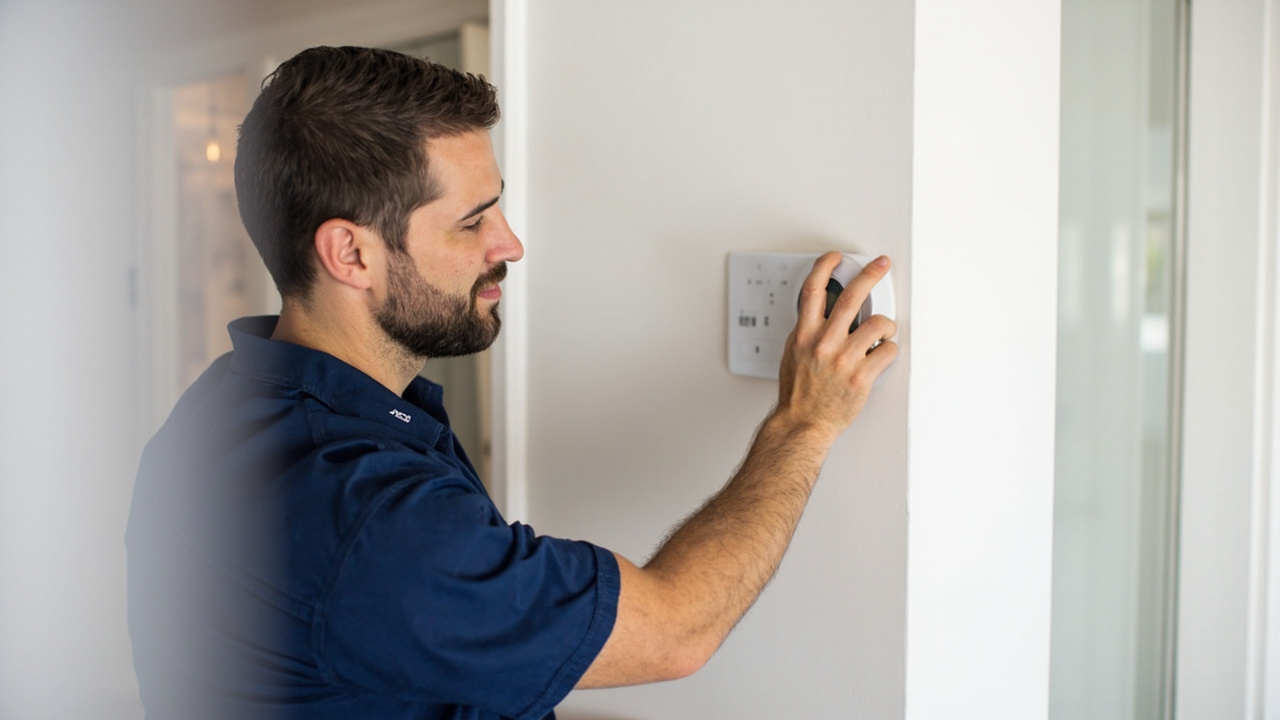
Test your thermostat by setting it five degrees higher than current temperature. Listen for a click and furnace startup within seconds. If nothing happens, check the display. A blank screen means dead batteries or no power. Incorrect temperature readings signal calibration problems. In Los Angeles homes, thermostats mounted on sun-exposed walls read higher than actual room temperature, causing short cycling. Remove the cover and check for dust or corrosion on contacts. Try bypassing the thermostat by jumping the R and W wires at the furnace. If the furnace starts, your thermostat needs replacement.

How Los Angeles Climate Patterns Accelerate Furnace Component Failure

Los Angeles experiences sharp temperature swings between day and night, especially in fall and early winter. Your furnace may sit idle during 75-degree afternoons, then cycle on when temperatures drop to 50 at night. This intermittent operation stresses ignitors and flame sensors more than steady cold-climate use. Coastal fog introduces moisture that corrodes electrical connections in furnaces installed in garages or crawl spaces. Dust from Santa Ana winds infiltrates cabinets and coats flame sensors, causing false shutdowns. Inland valleys like the San Fernando and San Gabriel experience drier air that cracks rubber gaskets and seals, leading to gas leaks or pressure loss. Your furnace blows cold air not because it is old, but because Los Angeles weather patterns expose weak components faster than normal wear.

Los Angeles HVAC work requires familiarity with the region's housing stock and retrofit challenges. Homes built before 1980 often have undersized return ducts and inadequate combustion air, causing furnaces to overheat and shut down. Seismic retrofitting in older neighborhoods sometimes shifts gas lines, creating pressure inconsistencies that prevent proper ignition. Local natural gas suppliers maintain specific pressure ranges that differ from national norms, and technicians unfamiliar with these ranges misdiagnose regulator problems. A Plus HVAC Los Angeles understands these regional factors because we have worked in every LA neighborhood from the coast to the valleys. We know which furnace brands dominate which housing tracts, which local suppliers stock hard-to-find parts, and how to navigate permit requirements for system replacements. Choosing a local provider means faster diagnosis and repair because we have already solved your exact problem in a home just like yours.
HVAC Services in The Los Angeles Area

Want to know if we service your neighborhood? Use the map below to see our local coverage. A Plus proudly serves Los Angeles and nearby communities with fast response times and top-tier HVAC expertise. Whether you're downtown or in the suburbs, we're just a call away. Our mobile team is equipped to reach you quickly and solve your HVAC issues efficiently. Don’t hesitate to reach out—comfort and reliability are closer than you think.

Address:
A Plus HVAC Los Angeles, 1901 Ave of the Stars, Los Angeles, CA, 90067

Additional Services We Offer

Our news updates

Latest Articles & News from The Blogs

Sherman Oaks homeowners face a unique set of cooling challenges. The location between the Santa Monica Mountains and the flatlands…

Full AC Replacement Costs for Sherman Oaks Homeowners

Sherman Oaks homeowners face a unique set of cooling challenges. The location between the Santa Monica Mountains and the flatlands…

Switching From Gas to Electric Heating in Miracle Mile (And What It Costs)

Switching From Gas to Electric Heating in Miracle Mile (And What It Costs) Miracle Mile homeowners are moving toward all…

HVAC Strategies for Quiet Home Recording Studios in Toluca Lake

Precision HVAC Solutions for Los Angeles Recording StudiosHome studio owners in Toluca Lake face a unique set of challenges when…

Contact Us

Call A Plus HVAC Los Angeles now at (310) 579-0040. Our technicians are on standby with parts, tools, and expertise to restore your heating system. Same-day service across Los Angeles County. No cold nights, no runarounds, just fast professional repair.