




menu

Heat Pump vs. Furnace Guide in Los Angeles – Making the Right Choice for Your Climate and Budget

Compare heat pump and gas furnace systems side-by-side with climate-specific data for Los Angeles homeowners, plus expert analysis on efficiency, cost factors, and which heating solution actually performs in mild Southern California winters.

Slider Image 1
Slider Image 2
Slider Image 3
Slider Image 4
Slider Image 5
Slider Image 7
Slider Image 8
Slider Image 9
Slider Image 10
Slider Image 11

Why Los Angeles Homeowners Face a Unique Heating Decision

Los Angeles sits in a climate zone that challenges conventional heating wisdom. While most of the country defaults to furnaces, your mild winters and temperate year-round conditions create a different calculation. The average winter low in most LA neighborhoods hovers around 48°F, rarely dipping below freezing. This matters because heat pumps operate most efficiently in moderate climates, exactly what you experience in the Basin, San Fernando Valley, and coastal areas.

The heat pump vs furnace comparison becomes critical when you consider your actual heating load. You run heating equipment maybe 3-4 months per year, and even then, only during morning and evening hours. A gas furnace delivers fast, intense heat but wastes energy cycling on and off in mild weather. A heat pump provides steady, moderate heating that matches your climate profile while also cooling your home in summer.

The difference between heat pump and furnace extends beyond just the equipment. Gas furnaces require venting, create combustion byproducts, and depend on natural gas infrastructure. Heat pumps run on electricity, eliminate combustion risks, and reverse cycle for air conditioning. In neighborhoods from Silver Lake to Torrance, homeowners increasingly ask whether the traditional gas furnace still makes sense or if a heat pump delivers better year-round value.

Your decision hinges on understanding heat pump vs furnace pros and cons specific to Los Angeles, not generic advice written for Chicago or Phoenix. The right system matches your actual climate, not a textbook scenario.

Why Los Angeles Homeowners Face a Unique Heating Decision
How Heat Pumps and Furnaces Actually Work in Your Home

How Heat Pumps and Furnaces Actually Work in Your Home

A gas furnace generates heat through combustion. Natural gas burns in the heat exchanger, warming air to 120-140°F before the blower distributes it through your ductwork. The system cycles on, heats to setpoint, then shuts off. This works well when outdoor temperatures drop significantly below your desired indoor temperature. Furnaces deliver high-capacity heating regardless of outdoor conditions, which matters in cold climates but provides excess capacity in Los Angeles.

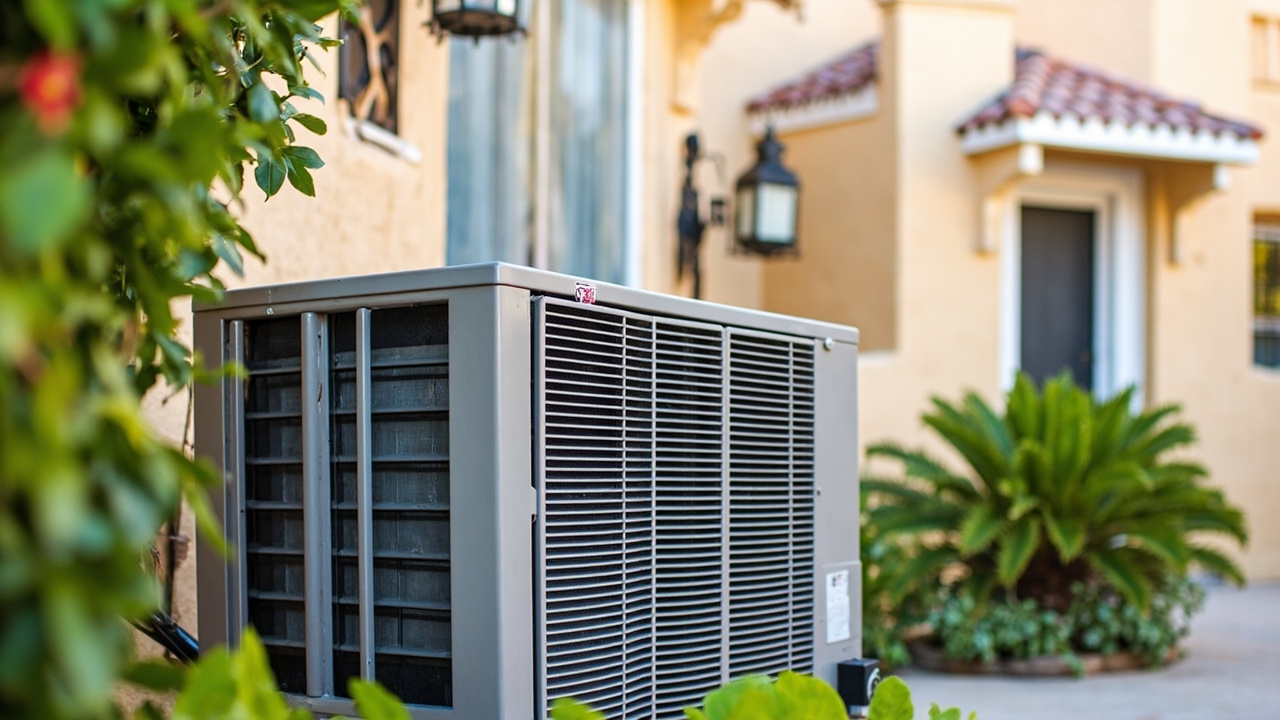
A heat pump transfers heat rather than generating it. The refrigeration cycle extracts thermal energy from outdoor air and moves it indoors. Even at 40°F, outdoor air contains usable heat energy. The compressor, reversing valve, and refrigerant circuit work together to concentrate this energy and deliver it at 95-105°F supply air temperature. This lower supply temperature compared to furnaces means the system runs longer cycles, maintaining steady comfort rather than temperature swings.

The heat pump or furnace question often comes down to capacity at low temperatures. Heat pumps lose efficiency below 35°F, requiring supplemental heat strips. In Pasadena, Long Beach, or Woodland Hills, you rarely hit this threshold. Your heat pump operates in its optimal range most of the heating season.

Installation requirements differ substantially. Furnace replacement involves combustion air, venting, gas line connections, and condensate drainage. Heat pump installation focuses on refrigerant line sets, electrical capacity, outdoor unit placement, and proper airflow matching. Both systems use your existing ductwork, but duct sealing becomes more critical with heat pumps due to lower supply temperatures and longer run times.

Evaluating Your Home for the Right Heating System

Heat Pump vs. Furnace Guide in Los Angeles – Making the Right Choice for Your Climate and Budget
01

Load Calculation and Climate Analysis

We start with a Manual J load calculation specific to your home's envelope, orientation, and actual Los Angeles microclimate. Your heating load in Mar Vista differs from Northridge due to coastal influence. We measure window area, insulation levels, and duct condition. This data determines whether a heat pump meets your capacity requirements or if a furnace's higher output provides necessary backup. The calculation reveals your actual heating demand, not generic estimates.
02

Equipment Sizing and Efficiency Comparison

We compare SEER ratings, HSPF ratings, and AFUE percentages against your usage patterns. A 16 SEER heat pump serves double duty for cooling and heating. An 80 AFUE furnace paired with a 14 SEER air conditioner requires two separate systems. We calculate actual energy costs using LA Department of Water and Power rates and SoCalGas pricing. The comparison includes installation costs, equipment lifespan, and maintenance requirements to show total cost of ownership over 15 years.
03

Installation Planning and Integration

We map out the complete installation including electrical panel capacity, outdoor unit placement, refrigerant line routing, and thermostat compatibility. Heat pumps require 240V circuits and may need panel upgrades in older homes. We evaluate duct sizing, sealing requirements, and airflow balance. The plan includes startup procedures, refrigerant charge verification, and airflow testing to ensure the system operates at rated capacity. You receive performance benchmarks specific to your installation.

Why Los Angeles Climate Makes This Decision Different

Los Angeles's Mediterranean climate with mild, wet winters and hot, dry summers creates ideal conditions for heat pump operation. Your heating degree days total roughly 1,400 annually, compared to 4,600 in Chicago or 6,500 in Minneapolis. This low heating load means you spend more energy on cooling than heating. A heat pump addresses both needs with one system, eliminating the split system approach that wastes equipment capacity half the year.

Local building codes and incentive programs increasingly favor heat pump installations. The California Energy Commission's Title 24 standards promote all-electric solutions, and utilities offer rebates for high-efficiency heat pumps. These incentives can offset 20-30% of installation costs, changing the financial equation compared to furnace replacement. South Coast Air Quality Management District regulations also impact gas appliance installations in certain areas, particularly near the coast.

Your natural gas infrastructure matters too. Older neighborhoods in central LA have aging gas lines, while newer developments in some areas lack gas service entirely. If you face expensive gas line repairs or have all-electric service, the heat pump vs gas furnace decision tilts heavily toward the heat pump. Properties in Santa Monica, Venice, and Playa del Rey increasingly go all-electric during major renovations, following coastal city ordinances.

We understand the specific HVAC challenges in LA's diverse neighborhoods. Homes in the Valley face different loads than coastal properties. Older bungalows in Echo Park have different duct systems than tract homes in Granada Hills. Local expertise means matching equipment to your actual conditions, not generic recommendations from national chains.

What to Expect When Choosing Between Systems

Consultation and Assessment Timeline

The evaluation process takes 60-90 minutes at your property. We inspect your existing system, measure ductwork, check electrical capacity, and evaluate outdoor placement options. You receive a detailed comparison showing operating costs, efficiency ratings, and installation requirements for both heat pump and furnace options. We model annual energy consumption using your actual utility rates and typical Los Angeles weather data. The assessment includes rebate qualification review and financing options. You get clear answers within 24 hours, with proposals valid for 30 days to give you time for informed decision-making without pressure.

Installation Process and Home Impact

Heat pump installations typically require 6-8 hours for straightforward replacements, up to two days if electrical upgrades or duct modifications are needed. Furnace replacement takes 4-6 hours when swapping like-for-like equipment. Both installations involve some disruption. Heat pump work includes outdoor unit placement, refrigerant line installation, electrical connections, and startup procedures. Furnace installation focuses on venting, gas connections, condensate drainage, and combustion testing. We protect flooring, maintain clean work areas, and remove all old equipment. You get same-day startup, performance verification, and thermostat programming before we leave.

Performance and Comfort Differences

Heat pumps deliver consistent, gentle heating with longer run cycles. Supply air feels cooler than furnace output, around 95°F versus 120°F, but maintains steadier room temperatures. You notice fewer temperature swings and more even comfort throughout your home. Furnaces provide rapid temperature recovery and intense heat during cold snaps, though this matters less in Los Angeles. Heat pumps eliminate gas odors, combustion concerns, and pilot lights. Operating sound differs too. Heat pumps produce steady outdoor unit noise similar to your air conditioner. Furnaces create intermittent blower noise and occasional ignition sounds. Neither should disrupt normal activities when properly installed.

Maintenance and Long-Term Support

Heat pumps require annual maintenance covering both heating and cooling functions. We check refrigerant charge, clean coils, test the reversing valve, and verify defrost operation. Furnaces need annual combustion analysis, heat exchanger inspection, gas pressure testing, and safety control verification. Heat pump maintenance costs slightly more due to refrigeration system complexity, but you eliminate separate air conditioner service. Both systems benefit from filter changes every 1-3 months depending on usage and air quality. Heat pumps typically last 12-15 years in Los Angeles's mild climate. Furnaces run 15-20 years with proper maintenance. We provide service records, performance benchmarks, and priority scheduling for existing customers.

Frequently Asked Questions

You Have Questions,
We Have Answers

How Los Angeles's Coastal Influence and Urban Heat Island Effect Impact Your Heating Choice

Los Angeles's geography creates distinct microclimates within 20 miles. Coastal areas from Malibu to Manhattan Beach experience marine layer influence, with cooler summers and milder winters. The marine layer keeps overnight lows moderate, rarely dropping below 45°F, which keeps heat pumps operating in their most efficient range. Move inland to the San Fernando Valley or San Gabriel Valley, and you face temperature swings of 20-30°F between day and night during winter months. These inland areas occasionally see temperatures in the low 30s, approaching the threshold where heat pump efficiency drops. The urban heat island effect in downtown and central LA keeps temperatures 5-10°F warmer than surrounding areas, reducing heating loads further. Your specific neighborhood's microclimate determines whether a heat pump handles your entire heating load or requires backup heat strips for occasional cold snaps.

We have worked throughout Los Angeles County, from Calabasas to Claremont, and understand how local conditions affect equipment performance. Properties in Baldwin Hills face different solar exposure than homes in Studio City. Older construction in historic neighborhoods like Hancock Park often has undersized ductwork that impacts system selection. Newer developments in Playa Vista may have modern insulation and tighter envelopes that reduce heating loads substantially. Local expertise means we account for your specific conditions rather than applying generic sizing charts. We also navigate LA's permit requirements, understand SCAQMD rules for equipment installation, and coordinate with LADWP and SoCalGas for rebate programs. Choosing local means faster service, familiarity with your neighborhood's infrastructure, and contractors who understand California's evolving energy codes.
HVAC Services in The Los Angeles Area

Want to know if we service your neighborhood? Use the map below to see our local coverage. A Plus proudly serves Los Angeles and nearby communities with fast response times and top-tier HVAC expertise. Whether you're downtown or in the suburbs, we're just a call away. Our mobile team is equipped to reach you quickly and solve your HVAC issues efficiently. Don’t hesitate to reach out—comfort and reliability are closer than you think.

Address:
A Plus HVAC Los Angeles, 1901 Ave of the Stars, Los Angeles, CA, 90067

Additional Services We Offer

Our news updates

Latest Articles & News from The Blogs

Sherman Oaks homeowners face a unique set of cooling challenges. The location between the Santa Monica Mountains and the flatlands…

Full AC Replacement Costs for Sherman Oaks Homeowners

Sherman Oaks homeowners face a unique set of cooling challenges. The location between the Santa Monica Mountains and the flatlands…

Switching From Gas to Electric Heating in Miracle Mile (And What It Costs)

Switching From Gas to Electric Heating in Miracle Mile (And What It Costs) Miracle Mile homeowners are moving toward all…

HVAC Strategies for Quiet Home Recording Studios in Toluca Lake

Precision HVAC Solutions for Los Angeles Recording StudiosHome studio owners in Toluca Lake face a unique set of challenges when…

Contact Us

Stop guessing about the right heating system for your home. Call A Plus HVAC Los Angeles at (310) 579-0040 for a detailed comparison based on your actual property, usage patterns, and Los Angeles microclimate. We provide transparent analysis, no-pressure recommendations, and expert installation. Schedule your assessment now.