




Torrance sits three miles from the Pacific Ocean, creating a microclimate that tests every HVAC system. Morning marine layer brings humidity that corrodes condenser coils faster than inland areas. By afternoon, coastal fog burns off and temperatures spike 15 degrees, forcing systems to cycle constantly. This daily temperature swing stresses compressors and wears out thermostats prematurely.
Salt air from the ocean accelerates rust on outdoor units throughout Del Amo, Seaside Ranchos, and Old Torrance. Homes near Torrance Beach deal with sand infiltration that clogs air filters weekly. The city's mix of 1960s ranch homes and newer construction means wildly different ductwork designs. Older homes in Hollywood Riviera have undersized ducts that restrict airflow. Newer builds near South High have oversized systems that short-cycle.
Torrance Municipal Code requires permits for system replacements over 10,000 BTU, adding inspection steps that delay installations. Most residents don't know this until they're quoted a timeline. Summer temperatures in Torrance average 75 degrees, but inland-style heat waves still hit 90-plus several times per year. When that happens, every HVAC company gets slammed. Having a local team that stocks parts for common failures means you get fixed while others wait.
We've repaired over 3,000 HVAC systems across Torrance since opening our local service hub. Our trucks stock parts for the top 40 residential systems installed in this city, from Carrier to Lennox to Trane. When we arrive, we fix it. No waiting three days for a capacitor that costs twelve dollars.
Our technicians train specifically on coastal HVAC challenges. They recognize salt corrosion patterns on coils, know which condensate drains clog from marine air humidity, and understand how ocean proximity affects refrigerant pressures. This isn't theory. It's daily reality for systems in Walteria and Riviera Village.
We don't dispatch salespeople disguised as technicians. Every person we send holds EPA Section 608 certification for refrigerant handling and has completed factory training on residential systems. They carry diagnostic tools that test airflow, measure refrigerant superheat, and check electrical draws. Most problems get identified within 20 minutes because we invest in equipment and training.
Pricing stays flat whether you call at 2 PM or 2 AM. No weekend fees, no holiday surcharges, no trip charges that mysteriously appear. You get a written estimate before work starts. You approve it or we leave. Every repair includes a 90-day parts and labor warranty. We return if something fails, no charge, no arguments.
Our dispatcher answers calls live, not through an answering service. When your house hits 85 degrees at midnight, you talk to someone who can actually dispatch a truck, not take a message for Monday morning.

We run three shifts with on-call technicians every night and weekend. When you call at 3 AM because your AC failed, a certified technician in a stocked truck reaches Torrance homes within two hours. We don't schedule you for tomorrow. We come now.

Our trucks carry 200 common parts including capacitors, contactors, thermostats, and condensate pumps sized for Torrance's most common residential systems. We complete 78% of repairs on the first visit because we bring what breaks most often in coastal climates.
Every technician holds EPA Section 608 Universal certification and completes annual factory training. They use calibrated manifold gauges, airflow meters, and electrical testers, not guesswork. Proper diagnosis the first time saves you callback charges and wasted time.
We've learned how salt air destroys coils in Seaside Ranchos and why systems in Hollywood Riviera need coil cleaning twice as often. Our technicians adjust refrigerant charges for coastal humidity and know which drain line modifications prevent algae clogs from marine air.
We handle every type of residential and light commercial HVAC need in Torrance, from emergency AC failures to planned system replacements. Our service categories divide into emergency repairs, preventive maintenance, and full installations. Emergency work gets same-day dispatch because we know a broken air conditioner in July or a dead furnace during a cold snap can't wait for next week's opening.
Preventive maintenance runs on scheduled appointments where we inspect, clean, and tune systems before they fail. These visits catch small problems like dirty coils or weak capacitors before they become expensive failures. Installation work includes system sizing, ductwork evaluation, permit handling, and complete changeouts when repair costs exceed replacement value.
We service all major brands including Carrier, Trane, Lennox, Rheem, Goodman, and Amana. Our diagnostic process tests airflow, refrigerant charge, electrical components, and ductwork integrity. Whether you need a quick fix for a tripped breaker or a complete system replacement with new ductwork, we staff certified technicians who handle residential heating and cooling from diagnosis through final testing.
Systems break at the worst times. Compressors fail during heat waves. Ignitors crack during cold snaps. We dispatch technicians immediately for no cooling, no heating, refrigerant leaks, electrical failures, and strange noises. Our trucks stock emergency parts for fast repairs. We test the fix before we leave to confirm your system runs properly. Service includes 90-day warranty on parts and labor for complete peace of mind.
Annual tuneups catch problems before they strand you without cooling or heat. We clean condenser coils damaged by salt air, replace aging capacitors, check refrigerant levels, test electrical connections, and inspect ductwork for leaks. Maintenance visits in spring and fall prepare your system for peak seasons. Members get priority emergency scheduling and discounted repair rates. Regular service extends equipment life and reduces utility bills by keeping systems running efficiently.
Old systems waste energy and break repeatedly. We perform Manual J load calculations to size replacement systems correctly for your home's square footage and insulation. Our installations include new air handlers, condensers, thermostats, and ductwork modifications when needed. We pull Torrance building permits, coordinate inspections, and handle all code compliance requirements. High-efficiency systems qualify for utility rebates we help you claim. Every installation includes startup testing and warranty registration.
Torrance's coastal location creates specific HVAC failures that inland cities rarely see. Salt air corrodes outdoor units faster, requiring coil replacement years earlier than manufacturer estimates. Marine layer humidity feeds algae growth in condensate drains, causing water backup and shutdowns. Temperature swings between foggy mornings and hot afternoons force systems to cycle constantly, wearing out contactors and capacitors prematurely.
Older homes in North Torrance and Walteria have undersized ductwork that restricts airflow and overworks blowers. Homes built before 1990 often lack proper insulation, forcing systems to run longer and fail sooner. Many properties near Torrance Beach have outdoor units positioned in full sun exposure, which raises operating temperatures and shortens compressor life.
These aren't hypothetical problems. We see them daily across every Torrance neighborhood. Knowing what fails and why means we diagnose faster and fix it right the first time.
Ocean air carries salt that coats outdoor coils and eats through aluminum fins within 5-7 years. Corroded coils restrict airflow and reduce cooling capacity by 30% or more. We see this constantly in homes near Seaside Ranchos and Del Amo. Coil coating during installation extends life, but most contractors skip this step.
Marine layer humidity creates condensation that feeds algae growth inside drain lines. Clogs cause water backup that triggers float switches and shuts down systems. This happens most often during May and June when morning fog sits heavy. Regular drain cleaning prevents emergency shutdowns during hot afternoons when you need cooling most.
Torrance's daily 20-degree temperature swings force systems to start and stop repeatedly. This constant cycling stresses start capacitors and run capacitors, which fail after 30,000-40,000 cycles instead of rated 50,000. When capacitors weaken, compressors struggle to start or won't run at all. Replacement takes 15 minutes but leaves you without cooling until fixed.
Homes built in the 1960s and 1970s often have 6-inch ducts where 8-inch runs are needed. Restricted airflow forces blowers to work harder and reduces cooling output. Rooms farthest from the air handler stay warm while others freeze. Ductwork modification or sealing fixes airflow imbalances and improves comfort throughout your home.
You get straight answers, not sales pitches. Our process starts with understanding what's wrong and ends with your system working properly. No bait pricing where the estimate triples after we arrive. No pressure to replace equipment that can be repaired. No disappearing after the check clears.
Emergency calls get immediate dispatch. Scheduled appointments arrive on time with a call 30 minutes before. Technicians show identification, wear shoe covers, and clean up completely before leaving. You receive a written diagnosis explaining what failed, why it happened, and what it costs to fix. If parts need ordering, we give accurate timelines and follow up with status updates.
Repairs include testing to confirm the system works properly. We check airflow, measure temperatures, verify refrigerant pressures, and test safety controls. You see the old failed parts and get a detailed invoice showing exactly what we did. If something feels wrong after we leave, you call back and we return immediately at no charge.
Call our direct line and talk to a real dispatcher who checks technician locations and commits to an arrival window. Emergency calls get same-day service, usually within 2-4 hours depending on current call volume. We text when the technician is 30 minutes away so you're not stuck waiting. Scheduled maintenance appointments get confirmed 24 hours ahead with morning or afternoon windows, never all-day waits.
Technicians diagnose the problem, explain what failed in plain language, then provide written estimates before touching tools. You see parts cost and labor time broken out clearly. No hidden fees appear later. You approve the estimate or we pack up and leave, charging only the diagnostic fee. Emergency calls after hours cost the same as daytime service because desperate people shouldn't pay penalty pricing.
Every repair includes 90 days of parts and labor warranty. If the same problem returns, we come back and fix it at no charge. Installed equipment carries manufacturer warranty that we honor without runaround. We register warranties for you and keep service records in our system. Need help months later? We have your full service history and know exactly what we installed or repaired.
We built this process to eliminate confusion and wasted time. You know what happens at each step, what it costs, and when you'll have cooling or heating again.
The technician tests your system using calibrated gauges and meters, not guesswork. They check refrigerant pressures, measure airflow, test electrical components, and inspect the condensate drain. Most diagnoses complete within 20-30 minutes. You get a clear explanation of what failed and why, along with a written estimate showing parts and labor costs before any repair work begins.
Once you approve the estimate, repairs start immediately using parts from our stocked trucks. Technicians follow manufacturer procedures for component replacement, refrigerant charging, and electrical connections. They take photos of damaged parts to show you what failed. Work areas stay clean with drop cloths and contained debris. Most repairs complete within 1-2 hours depending on the component being replaced.
After repairs, the technician runs your system through full cycles to confirm proper operation. They measure supply air temperature, check refrigerant superheat and subcooling, verify electrical draws, and test safety controls. You receive documentation showing the system meets manufacturer specifications. They clean the work area completely, answer your questions, and provide the warranty paperwork before leaving your home.
Proper HVAC work in Torrance follows California Title 24 energy code, which mandates efficiency ratings and duct sealing requirements stricter than federal minimums. All system replacements over 10,000 BTU require building permits through Torrance Development Services and must pass mechanical inspections before final approval. This includes verifying refrigerant charge using superheat and subcooling measurements, not just pressure gauges.
Installation must follow manufacturer specifications for clearances, electrical connections, and condensate drainage. Outdoor units need 24 inches of clearance on service sides and 60 inches overhead for airflow. Refrigerant lines require insulation rated for outdoor exposure in coastal environments. Condensate drains must slope at least one-quarter inch per foot and terminate in approved locations, never into planter boxes or under structures.
Technicians performing refrigerant work must hold EPA Section 608 certification proving they passed exams on refrigerant handling, recovery, and environmental regulations. Universal certification covers all refrigerant types used in residential systems. Only certified technicians can purchase refrigerants legally. Unlicensed workers attempting HVAC repairs risk refrigerant leaks, system damage, and code violations that void equipment warranties.
Ductwork modifications require calculating total external static pressure to prevent airflow restrictions. Manual D duct design ensures proper air distribution to all rooms. Undersized ducts create high static pressure that damages blowers and reduces system capacity. Supply registers need balancing dampers for room-by-room temperature control. Return air paths must meet minimum sizing standards to prevent pressure imbalances.
Proper system sizing uses ACCA Manual J load calculations based on home square footage, insulation values, window areas, and orientation. Oversized systems short-cycle and fail to dehumidify properly. Undersized systems run constantly and wear out prematurely. Coastal homes need calculations adjusted for humidity loads that inland homes don't face.
All HVAC installations must meet Title 24 minimum efficiency standards of 14 SEER for air conditioners and 80% AFUE for furnaces. Ductwork requires testing to prove less than 6% leakage. Systems need programmable thermostats with automatic setback. Inspectors verify compliance before issuing final approvals that close building permits.
Component costs vary by brand and efficiency rating. Labor reflects diagnosis time, repair complexity, and whether work requires refrigerant recovery. Permits add fees but protect you with inspections. Coastal homes pay more for corrosion-resistant coatings and stainless hardware that survives salt air. Emergency service costs the same as scheduled work at A Plus HVAC Los Angeles.
Emergency repairs complete within 2-4 hours if parts are in stock. Special-order components take 2-5 business days depending on manufacturer. Complete system replacements take 1-2 days including permits and inspections. Ductwork modifications add time based on accessibility. Rush permits reduce waiting but cost more through Torrance Development Services.
Federal law requires EPA Section 608 certification for anyone handling refrigerants. Certified technicians use recovery equipment to capture refrigerants instead of venting them illegally. They charge systems by weight and temperature, not guesswork. Using uncertified workers risks refrigerant leaks, environmental fines, and voided warranties on new equipment.
This video explains HVAC repair and maintenance challenges specific to Torrance, California. Topics include how coastal climate affects air conditioning and heating systems, common failures in different Torrance neighborhoods, California Title 24 code requirements for installations, and what homeowners should expect from professional HVAC service. The video covers emergency repair timelines, preventive maintenance benefits, and system replacement considerations for Torrance residents facing heating and cooling problems.
We service HVAC systems throughout Torrance's distinct neighborhoods, each with unique challenges shaped by proximity to the coast and housing age. Hollywood Riviera sits closest to the ocean with homes facing constant salt air exposure that corrodes outdoor units aggressively. Residents near Paseo de la Playa and Calle de Arboles need coil cleaning twice as often as inland areas. We stock marine-grade components specifically for these coastal properties.
Old Torrance features homes built in the 1920s through 1950s with outdated ductwork and minimal insulation. Properties along Carson Street and Torrance Boulevard often have undersized air handlers installed in cramped attics with difficult access. Our technicians know these older layouts and bring compact replacement equipment that fits tight spaces without major modifications.
North Torrance stretches inland toward Lomita and Harbor City with newer tract homes from the 1970s and 1980s. Neighborhoods around Sepulveda Boulevard and Hawthorne Boulevard have better duct systems but suffer from builder-grade equipment installed cheaply. We replace failed builders' special systems with properly sized units that actually cool all rooms evenly, not just the living room.
Del Amo and Walteria sit mid-city with mixed housing from multiple decades. Properties near Del Amo Fashion Center and along Pacific Coast Highway deal with higher traffic pollution that clogs air filters faster. We recommend upgraded filtration for homes near major corridors. South Bay Galleria area homes have good bones but aging systems approaching 15-20 year replacement timelines.
Seaside Ranchos and the areas near Torrance Beach experience the most extreme marine layer effects. Morning fog sits heavy, then burns off by noon creating huge temperature swings. Systems cycle constantly trying to keep up, which wears out contactors and capacitors years ahead of rated life. We carry extra stock of these components specifically for beach-adjacent service calls.
Our trucks reach every corner of Torrance within 30 minutes during normal conditions. We know the quickest routes around Crenshaw Boulevard traffic and how to access homes in the curving hillside streets of Riviera Village. Distance doesn't matter for emergency calls. If you're in Torrance and need HVAC service now, we dispatch immediately regardless of which neighborhood you call from.
The $5000 rule is a guideline to decide between repair or replacement. Multiply your system's age by the repair cost. If the total exceeds $5000, replacement makes more financial sense. For example, a 12-year-old unit needing a $500 repair equals $6000, so replace it. In Torrance, where coastal salt air accelerates corrosion and our mild winters extend system life, this rule helps homeowners avoid throwing money at aging equipment. Factor in energy efficiency gains with modern units. A technician can run diagnostics to show you real numbers, not guesses.
Average HVAC jobs in Torrance vary widely by scope. A basic repair like replacing a capacitor or cleaning coils runs a few hundred dollars. Full system replacements for typical single-family homes range from mid-four to low-five figures, depending on unit size, efficiency rating, and ductwork condition. Torrance's moderate climate means you can prioritize balanced heating and cooling capacity without oversizing. Installation complexity, existing infrastructure, and permit requirements affect final costs. Get detailed written estimates from licensed contractors who inspect your specific setup before committing.
For a 2000 square-foot home in Torrance, expect system costs in the mid-to-upper four-figure range for a quality installation. This includes the condensing unit, air handler or furnace, refrigerant lines, and labor. Torrance's mild coastal climate allows for right-sized units, which cost less than oversized equipment. Your home's insulation, ductwork condition, and ceiling height affect sizing. Older homes near downtown may need duct modifications, adding to the total. High-efficiency models cost more upfront but deliver lower monthly bills in our temperate weather.
The $5000 rule is a guideline to decide between repair or replacement. Multiply your system's age by the repair cost. If the total exceeds $5000, replacement makes more financial sense. For example, a 12-year-old unit needing a $500 repair equals $6000, so replace it. In Torrance, where coastal salt air accelerates corrosion and our mild winters extend system life, this rule helps homeowners avoid throwing money at aging equipment. Factor in energy efficiency gains with modern units. A technician can run diagnostics to show you real numbers, not guesses.
Average HVAC jobs in Torrance vary widely by scope. A basic repair like replacing a capacitor or cleaning coils runs a few hundred dollars. Full system replacements for typical single-family homes range from mid-four to low-five figures, depending on unit size, efficiency rating, and ductwork condition. Torrance's moderate climate means you can prioritize balanced heating and cooling capacity without oversizing. Installation complexity, existing infrastructure, and permit requirements affect final costs. Get detailed written estimates from licensed contractors who inspect your specific setup before committing.
For a 2000 square-foot home in Torrance, expect system costs in the mid-to-upper four-figure range for a quality installation. This includes the condensing unit, air handler or furnace, refrigerant lines, and labor. Torrance's mild coastal climate allows for right-sized units, which cost less than oversized equipment. Your home's insulation, ductwork condition, and ceiling height affect sizing. Older homes near downtown may need duct modifications, adding to the total. High-efficiency models cost more upfront but deliver lower monthly bills in our temperate weather.
The 3-minute rule protects your compressor from damage. After your AC shuts off, wait at least three minutes before restarting. This allows refrigerant pressure to equalize between the high and low sides of the system. Starting too soon forces the compressor to work against unbalanced pressure, causing strain and potential failure. In Torrance's moderate climate, you may cycle your AC frequently during summer afternoons. Modern thermostats handle this automatically, but if you manually control your system, respect this interval. Compressor replacements cost thousands.
A 4000 square-foot home requires a larger capacity system, pushing costs into the higher range. You will need multi-zone equipment or multiple units to cool that space effectively. In Torrance, where coastal breezes moderate temperatures, proper zoning lets you control different areas independently, saving energy. Expect higher material and labor costs due to extended ductwork, additional refrigerant lines, and longer installation time. Two-story layouts add complexity. Get load calculations from a licensed contractor to ensure proper sizing. Undersized systems run nonstop and fail early.
In 2025, federal tax credits cover up to 30 percent of qualifying high-efficiency HVAC installations under the Inflation Reduction Act, capped at specific dollar limits. Your new system must meet minimum efficiency standards. California may offer additional state rebates for energy-efficient upgrades. Torrance homeowners should verify current federal guidelines and check local utility rebates through Southern California Edison. These incentives offset upfront costs for efficient equipment that lowers monthly bills. Consult a tax professional to confirm eligibility and document requirements before purchasing.
Most HVAC systems last 15 to 20 years with proper maintenance. In Torrance, coastal salt air can corrode outdoor condensers faster, shortening lifespan if units are not maintained. Furnaces often outlast air conditioners. Our mild climate means less extreme temperature stress compared to harsh winter or desert regions, which can extend equipment life. Annual tune-ups, filter changes, and prompt repairs make the difference. Systems older than 15 years lose efficiency and face increasing repair costs. Plan replacement when repair frequency spikes or efficiency drops noticeably.
The most common repairs include failed capacitors, refrigerant leaks, dirty evaporator coils, blower motor failures, and thermostat malfunctions. In Torrance, salt air accelerates corrosion on outdoor components, causing coil leaks and electrical connection failures. Clogged condensate drains from humidity are frequent. Worn contactor switches prevent systems from starting. Refrigerant leaks reduce cooling capacity and force compressors to overwork. Many issues stem from skipped maintenance. Dirty filters restrict airflow, causing frozen coils and blower strain. Annual professional inspections catch small problems before they become expensive emergencies.
A new HVAC system should cost somewhere in the mid-to-upper four-figure range for most Torrance homes, varying by size, efficiency, and installation complexity. This includes equipment, labor, permits, and materials. Higher-efficiency units cost more upfront but deliver lower operating costs in our mild climate. Older homes with outdated ductwork may need additional investment. Beware of lowball bids that skip permits or use substandard equipment. Get multiple written estimates with detailed breakdowns. Financing options spread costs over time. Quality installation matters as much as equipment brand.
Adding central AC increases home value in Torrance, where buyers expect climate control. Homes without AC sit longer on the market and sell for less. Modern efficient systems appeal to buyers concerned about energy costs. Coastal proximity moderates temperatures, but summer afternoons still demand cooling. Upgraded HVAC demonstrates maintained infrastructure, reducing buyer concerns. Appraisers factor in functional systems when valuing properties. You may not recover full installation costs at sale, but AC removes a major buyer objection and broadens your buyer pool significantly compared to homes relying on window units.
The 3-minute rule protects your compressor from damage. After your AC shuts off, wait at least three minutes before restarting. This allows refrigerant pressure to equalize between the high and low sides of the system. Starting too soon forces the compressor to work against unbalanced pressure, causing strain and potential failure. In Torrance's moderate climate, you may cycle your AC frequently during summer afternoons. Modern thermostats handle this automatically, but if you manually control your system, respect this interval. Compressor replacements cost thousands.
A 4000 square-foot home requires a larger capacity system, pushing costs into the higher range. You will need multi-zone equipment or multiple units to cool that space effectively. In Torrance, where coastal breezes moderate temperatures, proper zoning lets you control different areas independently, saving energy. Expect higher material and labor costs due to extended ductwork, additional refrigerant lines, and longer installation time. Two-story layouts add complexity. Get load calculations from a licensed contractor to ensure proper sizing. Undersized systems run nonstop and fail early.
In 2025, federal tax credits cover up to 30 percent of qualifying high-efficiency HVAC installations under the Inflation Reduction Act, capped at specific dollar limits. Your new system must meet minimum efficiency standards. California may offer additional state rebates for energy-efficient upgrades. Torrance homeowners should verify current federal guidelines and check local utility rebates through Southern California Edison. These incentives offset upfront costs for efficient equipment that lowers monthly bills. Consult a tax professional to confirm eligibility and document requirements before purchasing.
Most HVAC systems last 15 to 20 years with proper maintenance. In Torrance, coastal salt air can corrode outdoor condensers faster, shortening lifespan if units are not maintained. Furnaces often outlast air conditioners. Our mild climate means less extreme temperature stress compared to harsh winter or desert regions, which can extend equipment life. Annual tune-ups, filter changes, and prompt repairs make the difference. Systems older than 15 years lose efficiency and face increasing repair costs. Plan replacement when repair frequency spikes or efficiency drops noticeably.
The most common repairs include failed capacitors, refrigerant leaks, dirty evaporator coils, blower motor failures, and thermostat malfunctions. In Torrance, salt air accelerates corrosion on outdoor components, causing coil leaks and electrical connection failures. Clogged condensate drains from humidity are frequent. Worn contactor switches prevent systems from starting. Refrigerant leaks reduce cooling capacity and force compressors to overwork. Many issues stem from skipped maintenance. Dirty filters restrict airflow, causing frozen coils and blower strain. Annual professional inspections catch small problems before they become expensive emergencies.
A new HVAC system should cost somewhere in the mid-to-upper four-figure range for most Torrance homes, varying by size, efficiency, and installation complexity. This includes equipment, labor, permits, and materials. Higher-efficiency units cost more upfront but deliver lower operating costs in our mild climate. Older homes with outdated ductwork may need additional investment. Beware of lowball bids that skip permits or use substandard equipment. Get multiple written estimates with detailed breakdowns. Financing options spread costs over time. Quality installation matters as much as equipment brand.
Adding central AC increases home value in Torrance, where buyers expect climate control. Homes without AC sit longer on the market and sell for less. Modern efficient systems appeal to buyers concerned about energy costs. Coastal proximity moderates temperatures, but summer afternoons still demand cooling. Upgraded HVAC demonstrates maintained infrastructure, reducing buyer concerns. Appraisers factor in functional systems when valuing properties. You may not recover full installation costs at sale, but AC removes a major buyer objection and broadens your buyer pool significantly compared to homes relying on window units.
Want to know if we service your neighborhood? Use the map below to see our local coverage. A Plus proudly serves Los Angeles and nearby communities with fast response times and top-tier HVAC expertise. Whether you're downtown or in the suburbs, we're just a call away. Our mobile team is equipped to reach you quickly and solve your HVAC issues efficiently. Don’t hesitate to reach out—comfort and reliability are closer than you think.
Address:
Torrance, CA, 90501
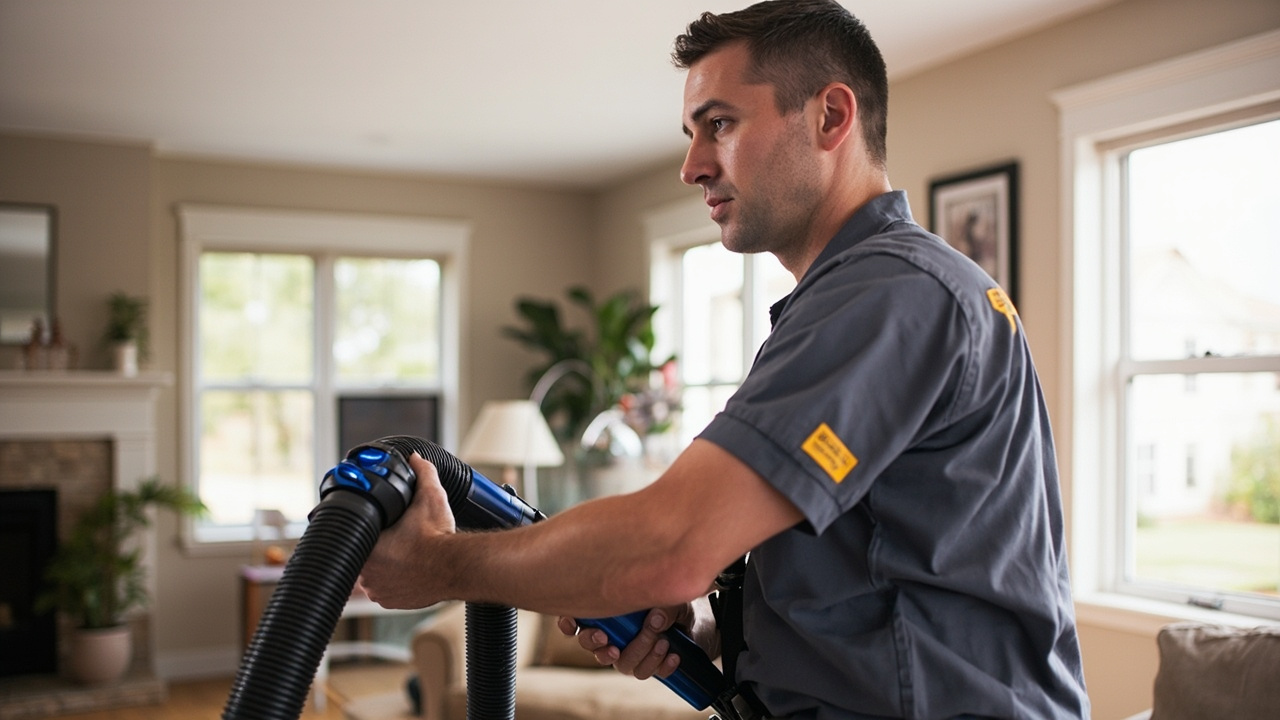
Professional Duct Cleaning in Culver City and Why It Matters for Your HomeCulver City homeowners often ask if professional maintenance for their ventilation system is a necessary expense. Living in a vibrant area near the…
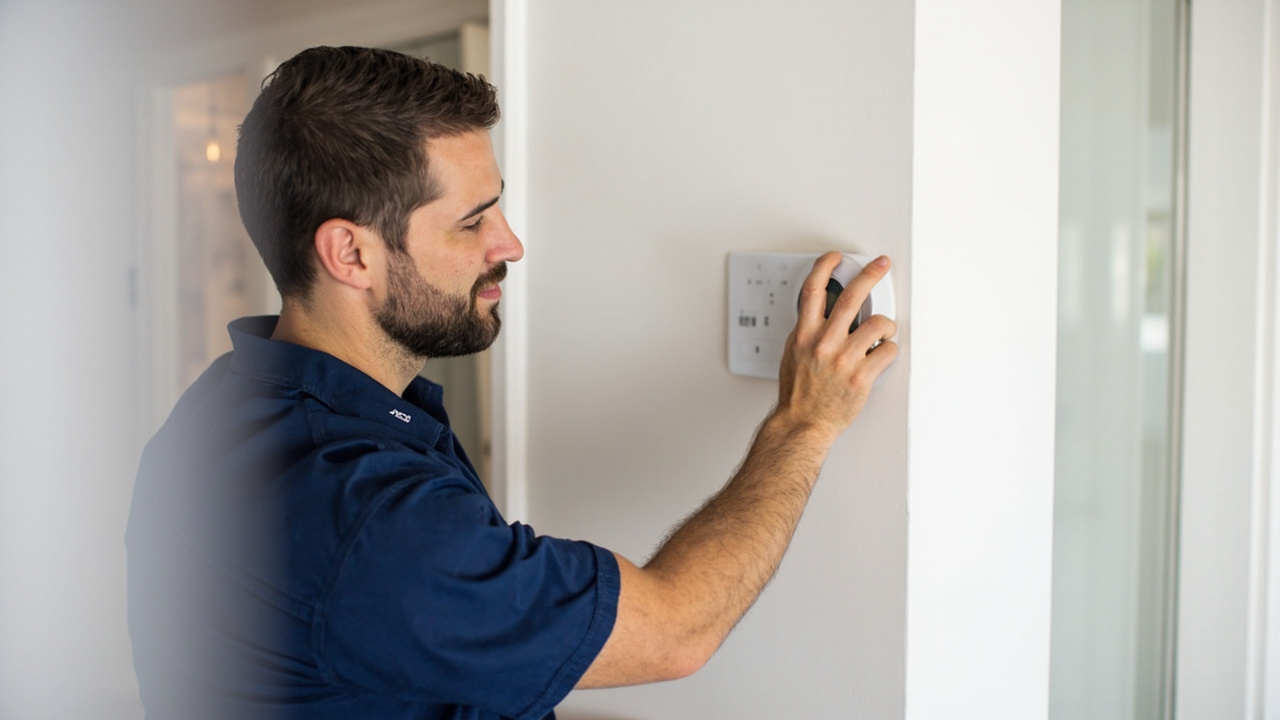
Venice Beach property owners face a unique set of challenges when managing heating and cooling…
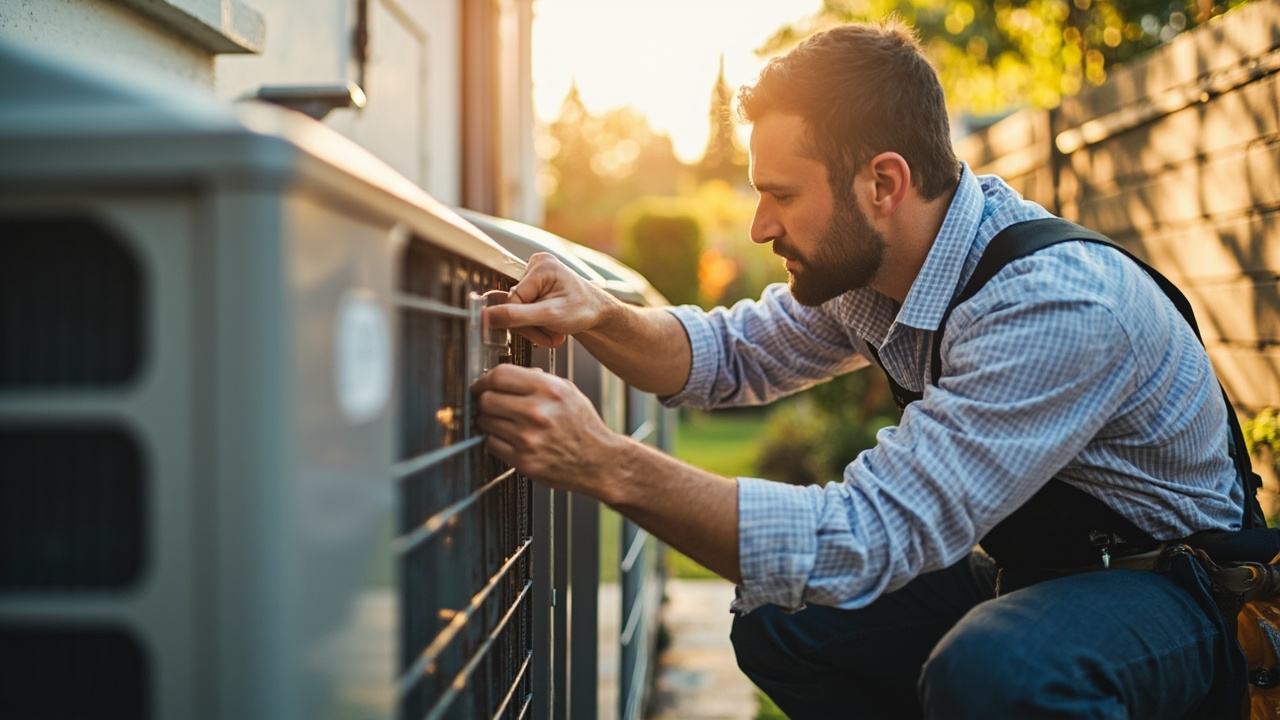
Sherman Oaks homeowners face a unique set of cooling challenges. The location between the Santa…
Switching From Gas to Electric Heating in Miracle Mile (And What It Costs) Miracle Mile…
Your comfort can't wait. Call A Plus HVAC Los Angeles now at (310) 579-0040 for same-day emergency repairs or to schedule maintenance. Our certified technicians arrive fast with stocked trucks ready to fix your heating or cooling system right the first time.
