




menu

Smart Thermostat Benefits in Los Angeles – Cut Your Cooling Costs Up to 23% Year-Round

Discover how wifi thermostats reduce energy waste in Los Angeles's Mediterranean climate while giving you remote control over your HVAC system from anywhere in the city.

Slider Image 1
Slider Image 2
Slider Image 3
Slider Image 4
Slider Image 5
Slider Image 7
Slider Image 8
Slider Image 9
Slider Image 10
Slider Image 11

Why Los Angeles Homeowners Are Switching to Connected Thermostats

Los Angeles runs hot for nine months of the year. Your air conditioner cycles constantly from March through November, fighting the inland heat and coastal humidity swings that define Southern California living. Traditional thermostats cannot adapt to these temperature shifts. They run on fixed schedules that waste energy when you are stuck on the 405 or sitting at LAX waiting for a delayed flight.

The advantages of smart thermostats become clear when you look at your summer electricity bills. Older thermostats cool empty houses, overshoot target temperatures, and ignore occupancy patterns. You end up paying to air condition vacant rooms while your system works harder than necessary.

Connected thermostats learn your schedule within the first week. They detect when you leave for work in Culver City or head to the beach in Santa Monica. The system adjusts cooling cycles automatically, reducing runtime without sacrificing comfort. When you are 20 minutes from home, the thermostat pre-cools your space so you walk into a comfortable house.

The value of smart thermostats extends beyond scheduling. These devices track outdoor temperature, humidity levels, and sunlight patterns specific to your Los Angeles neighborhood. A home in the Valley faces different cooling demands than a property in Westwood. Smart thermostats compensate for these microclimates, optimizing compressor cycles and fan speeds based on real-time conditions.

The pros of wifi thermostats include diagnostic alerts that catch problems early. You receive notifications when your system runs too long, when filters need changing, or when refrigerant levels drop. These warnings prevent expensive emergency repairs and extend equipment life in our punishing heat.

Why Los Angeles Homeowners Are Switching to Connected Thermostats
How Smart Thermostats Reduce HVAC Strain and Energy Waste

How Smart Thermostats Reduce HVAC Strain and Energy Waste

Smart thermostats use occupancy sensors, geofencing, and machine learning algorithms to eliminate unnecessary cooling cycles. When you install a connected thermostat, the device maps your daily patterns. It tracks when you wake up, when you leave for work, and when you typically return home. After analyzing this data for five to seven days, the system builds an adaptive schedule that adjusts automatically.

Geofencing technology creates a virtual boundary around your home. When your smartphone crosses this perimeter, the thermostat receives a signal and begins pre-cooling. This feature eliminates the need to cool an empty house all day while preventing you from arriving to a stuffy, overheated space. You save energy during the 10-hour window when no one is home without sacrificing comfort.

The reasons to upgrade to a smart thermostat include superior humidity control. Los Angeles humidity fluctuates between bone-dry Santa Ana conditions and the dense marine layer that rolls in from the Pacific. Connected thermostats monitor indoor humidity and adjust fan speeds to dehumidify without overcooling. This prevents mold growth and improves air quality in coastal neighborhoods where moisture intrusion is common.

Smart thermostats also optimize staging for two-stage and variable-speed HVAC systems. Traditional thermostats run equipment at full capacity regardless of actual cooling demand. Connected devices modulate compressor speed and airflow based on the temperature differential between current conditions and your setpoint. This precision reduces energy consumption and extends compressor life.

A Plus HVAC Los Angeles integrates smart thermostats with existing HVAC systems throughout the greater Los Angeles metro. We configure zoning systems, calibrate sensors, and verify compatibility with your equipment before installation.

What Happens During Your Smart Thermostat Installation

Smart Thermostat Benefits in Los Angeles – Cut Your Cooling Costs Up to 23% Year-Round
01

System Compatibility Assessment

We examine your existing HVAC equipment and wiring configuration to determine which smart thermostat models work with your system. Older furnaces, heat pumps, and multi-stage air conditioners require specific thermostat features. We verify voltage requirements, check for C-wire availability, and test your wifi signal strength at the thermostat location. This prevents installation failures and ensures seamless integration.
02

Installation and Network Setup

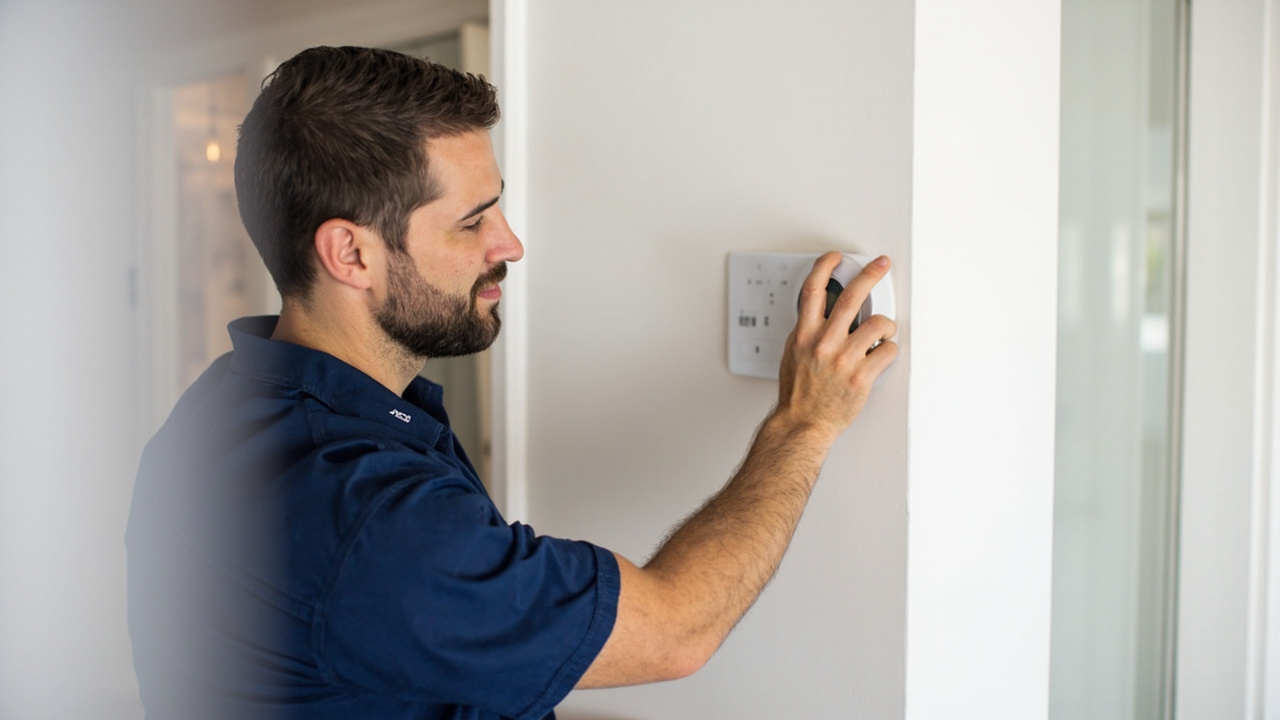
We mount the smart thermostat, connect wiring according to your HVAC system's specifications, and configure the device on your home network. The installation includes setting up geofencing parameters, linking your smartphone app, and programming initial temperature preferences. We test heating and cooling cycles to confirm proper operation and verify that all sensors respond correctly to environmental changes throughout your home.
03

Optimization and Training

We walk you through the mobile app interface, showing you how to adjust settings remotely, read energy reports, and respond to maintenance alerts. You learn how to create custom schedules, set temperature limits, and use voice control if you have integrated smart home systems. We explain how the learning algorithm adapts over the first two weeks and what energy savings you should expect based on your usage patterns.

Why Los Angeles Residents Trust Local HVAC Experts for Smart Thermostat Upgrades

Los Angeles building codes require permits for certain electrical modifications, including thermostat installations that involve adding new wiring or circuits. A Plus HVAC Los Angeles understands Title 24 energy efficiency standards and ensures your smart thermostat installation complies with California building regulations. We handle permit applications when required and coordinate inspections for larger projects.

Our technicians work throughout Los Angeles neighborhoods, from the dense apartment complexes in Koreatown to single-family homes in Encino. We understand the specific challenges each area presents. Older homes in Historic Filipinotown often lack C-wires, requiring power adapter installations. Newer construction in Playa Vista typically includes pre-wired thermostat locations with modern voltage standards. We adapt our installation approach based on your property's age, electrical infrastructure, and HVAC equipment type.

The benefits of connected thermostats multiply when you pair them with properly maintained HVAC systems. We inspect ductwork for leaks, verify refrigerant charge, and clean evaporator coils during smart thermostat installations. These steps ensure your new device has accurate data to work with. A smart thermostat cannot compensate for a system that is already inefficient due to dirty coils or low refrigerant.

Local expertise matters when troubleshooting compatibility issues. Some older Lennox and Carrier systems require specific adapter modules to work with smart thermostats. We stock these components and complete installations in a single visit. National retailers often discover compatibility problems after purchase, leaving you waiting for parts or dealing with returns.

We configure smart thermostats to account for Los Angeles's time-of-use electricity rates. Many utilities charge premium rates during peak afternoon hours. Your smart thermostat can pre-cool your home before peak periods, then raise the setpoint slightly during expensive rate windows.

What to Expect When You Upgrade to a Smart Thermostat

Same-Day Installation Availability

Most smart thermostat installations take 90 minutes to two hours, including system testing and app configuration. We schedule appointments throughout Los Angeles based on your availability, with same-day service often possible. Complex installations involving new wiring, multiple zones, or equipment modifications may require additional time. You receive a clear timeline before we begin work, and we complete the job without leaving your HVAC system offline for extended periods.

Pre-Installation Compatibility Review

We assess your current thermostat wiring and HVAC equipment before recommending specific smart thermostat models. This evaluation identifies whether you need a power adapter, additional wiring, or equipment upgrades. You know exactly what the installation involves before purchasing a device. We explain which features work with your system and which require modifications. This prevents surprise costs and ensures you select a thermostat that delivers the functionality you want without unnecessary complexity.

Measurable Energy Savings

Smart thermostats provide detailed energy reports showing daily and monthly HVAC runtime. You can track cooling costs, compare usage across different weeks, and identify patterns that drive up expenses. Most Los Angeles homeowners see noticeable bill reductions within the first month as the thermostat eliminates wasteful cooling cycles. The device learns your preferences and optimizes comfort while reducing unnecessary compressor operation. You maintain consistent indoor temperatures while cutting energy consumption by adjusting cooling intensity based on actual occupancy.

Ongoing Remote Support

After installation, you have access to remote troubleshooting support for app connectivity issues, scheduling problems, or system alerts. We can adjust settings remotely, diagnose error codes, and guide you through feature customization without requiring a service visit. If your thermostat detects HVAC performance issues, we review the diagnostic data and schedule preventive maintenance before minor problems become expensive repairs. Your smart thermostat becomes an early warning system that protects your equipment investment.

Frequently Asked Questions

You Have Questions,
We Have Answers

Which is the main benefit of the smart thermostat? +

The main benefit is energy savings. Smart thermostats learn your schedule and adjust temperatures automatically when you're away or asleep. In Los Angeles, where cooling costs dominate summer bills, this matters. You cut waste without thinking about it. Most users see 10-23% lower energy bills. Smart thermostats also provide remote control through your phone, so you can adjust settings from work or vacation. The learning algorithms optimize runtime based on outdoor temps, humidity, and your preferences, reducing HVAC wear while keeping you comfortable.

What are the disadvantages of a smart thermostat? +

Smart thermostats require stable Wi-Fi and cost more upfront than basic models. Installation can be tricky if your system lacks a C-wire for continuous power. Some older HVAC systems in Los Angeles homes built before 1990 may need adapter kits or rewiring. Privacy concerns exist since devices track usage patterns and connect to cloud servers. You also face a learning curve with app interfaces and scheduling features. If your internet drops frequently or you prefer simple manual controls, a smart thermostat adds unnecessary complexity.

Is it worth installing a smart thermostat? +

Yes, if you run your AC heavily during Los Angeles summers or forget to adjust temps when leaving home. The energy savings typically pay back the device cost within 1-2 years. Smart thermostats shine in our climate because cooling accounts for most residential energy use. Remote access prevents returning to a sweltering house after work. If you maintain consistent schedules and manually adjust your thermostat religiously, the benefit shrinks. For most Los Angeles households juggling work, kids, and variable schedules, the convenience and savings justify the investment.

Is 72 a good temperature for a house? +

72 degrees works for many people, but optimal settings depend on activity level, humidity, and personal preference. In Los Angeles, indoor humidity stays relatively low, so 72 can feel comfortable year-round. The Department of Energy recommends 78 when home and 85 when away to maximize savings. Each degree below 78 increases cooling costs by roughly 3-5%. For sleep, many prefer 68-70 degrees. Test different settings and monitor your comfort and energy bills. Your HVAC system runs more efficiently when the gap between indoor and outdoor temps stays smaller.

What happens to a smart thermostat if Wi-Fi goes down? +

Your smart thermostat continues basic heating and cooling functions when Wi-Fi drops. It reverts to the last programmed schedule stored in local memory. You lose remote access, usage reports, and voice control until connectivity returns. In Los Angeles, where internet outages are rare, this rarely causes problems. You can still adjust temperatures manually using the device touchscreen. Advanced learning features pause without cloud connection, but your home stays comfortable. Once Wi-Fi reconnects, the thermostat syncs data and resumes full functionality without needing manual reconfiguration.

Can a thermostat cause a high electric bill? +

Yes, a malfunctioning thermostat can spike electric bills. Faulty temperature sensors cause your HVAC to run longer than needed. Incorrect placement near heat sources, direct sunlight, or drafty areas creates false readings. In Los Angeles homes, thermostats mounted on west-facing walls often read higher afternoon temps, triggering unnecessary cooling cycles. Short cycling from poor calibration wastes energy and stresses equipment. Outdated mercury thermostats lose accuracy over time. If your bill jumped suddenly, check thermostat placement, calibration, and battery levels before assuming your HVAC system failed.

Why is my AC set at 74 but reads 78? +

Your AC struggles to reach setpoint because cooling capacity falls short of heat gain. In Los Angeles, intense afternoon sun through windows overwhelms undersized systems. Dirty air filters restrict airflow, reducing efficiency by 15-25%. Low refrigerant from leaks cuts cooling power. Ductwork leaks in attics waste conditioned air before reaching rooms. Your thermostat location matters too. If mounted in a cooler hallway away from sun exposure, it underestimates actual room temps. Check your filter first, then call an HVAC tech to measure airflow, refrigerant charge, and ductwork integrity.

Is Google abandoning the Nest thermostat? +

No, Google continues supporting and selling Nest thermostats. Confusion stems from Google discontinuing the Works with Nest program in 2019, migrating devices to Google Home integration. Nest remains a core Google product line with regular software updates and new model releases. In Los Angeles, Nest thermostats stay widely compatible with local HVAC systems and utility rebate programs. Google shifted branding strategy but not product commitment. Your Nest thermostat will receive security patches and feature updates for years. The learning algorithms and energy-saving functions continue improving through cloud updates.

What happens to a smart thermostat when power goes out? +

Smart thermostats lose power completely during outages since most draw from your HVAC system. Battery backup maintains date and time settings but does not operate heating or cooling without electricity. Once power returns, your thermostat restarts automatically and resumes the previous schedule. Los Angeles homes rarely face extended outages, so this causes minimal disruption. You may need to reconnect to Wi-Fi if your router reset. Some higher-end models include backup batteries that preserve all settings during brief interruptions. Your HVAC system cannot run without power regardless of thermostat type.

Can you just replace a thermostat with a smart thermostat? +

Most homes can swap thermostats directly, but check for a C-wire first. This common wire provides continuous 24-volt power that smart thermostats need. Many Los Angeles homes built after 2000 have C-wires already installed. Older systems may require adding one or using a power adapter kit. Turn off power at the breaker before starting. Match wire colors to new thermostat terminals, mount the baseplate level, and attach the display. Some HVAC configurations need professional installation to avoid equipment damage. Verify system compatibility on the manufacturer's website before purchasing.

How Los Angeles's Extended Cooling Season Makes Smart Thermostats Essential

Los Angeles runs air conditioning from March through November, creating one of the longest cooling seasons in the continental United States. Inland neighborhoods regularly hit 95 degrees while coastal areas sit at 75 degrees on the same day. Traditional thermostats cannot adapt to these temperature swings or the dramatic day-to-night differentials common in the Valley. Smart thermostats adjust cooling cycles based on outdoor temperature, indoor humidity, and occupancy patterns specific to your microclimate. This responsiveness prevents energy waste during mild mornings and ensures adequate cooling during afternoon heat spikes.

Los Angeles County enforces Title 24 energy efficiency standards for all new construction and major renovations. Smart thermostats help homeowners comply with these requirements by automatically limiting energy consumption and providing documentation of HVAC efficiency. A Plus HVAC Los Angeles configures smart thermostats to meet Title 24 standards while maximizing comfort. We work throughout the greater Los Angeles metro, from Pasadena to Manhattan Beach, installing devices that integrate with local utility rebate programs and demand response initiatives that reward energy conservation during peak usage periods.
HVAC Services in The Los Angeles Area

Want to know if we service your neighborhood? Use the map below to see our local coverage. A Plus proudly serves Los Angeles and nearby communities with fast response times and top-tier HVAC expertise. Whether you're downtown or in the suburbs, we're just a call away. Our mobile team is equipped to reach you quickly and solve your HVAC issues efficiently. Don’t hesitate to reach out—comfort and reliability are closer than you think.

Address:
A Plus HVAC Los Angeles, 1901 Ave of the Stars, Los Angeles, CA, 90067

Additional Services We Offer

Our news updates

Latest Articles & News from The Blogs

Sherman Oaks homeowners face a unique set of cooling challenges. The location between the Santa Monica Mountains and the flatlands…

Full AC Replacement Costs for Sherman Oaks Homeowners

Sherman Oaks homeowners face a unique set of cooling challenges. The location between the Santa Monica Mountains and the flatlands…

Switching From Gas to Electric Heating in Miracle Mile (And What It Costs)

Switching From Gas to Electric Heating in Miracle Mile (And What It Costs) Miracle Mile homeowners are moving toward all…

HVAC Strategies for Quiet Home Recording Studios in Toluca Lake

Precision HVAC Solutions for Los Angeles Recording StudiosHome studio owners in Toluca Lake face a unique set of challenges when…

Contact Us

Call A Plus HVAC Los Angeles at (310) 579-0040 to schedule your smart thermostat installation. We will assess your system compatibility and complete the upgrade in one visit.