




Long Beach sits directly on the Pacific coast, creating specific demands on heating and cooling systems. Salt-laden marine air accelerates corrosion on outdoor condenser units, shortening equipment life. The microclimate shifts from Belmont Shore to Bixby Knolls create uneven cooling loads across the city. Homes near the ocean deal with constant humidity that strains AC systems, while inland neighborhoods like Los Cerritos face temperature swings of 15-20 degrees between morning and afternoon.
Older homes in neighborhoods like Alamitos Beach and Bluff Park often have outdated ductwork never designed for modern central air. These vintage systems leak conditioned air into attics and crawl spaces, driving up energy costs. California Title 24 energy codes require specific SEER ratings and duct sealing standards for any system replacement, adding complexity to upgrades. The combination of coastal corrosion, temperature variation, and strict building codes means Long Beach residents need HVAC contractors who understand local conditions, not generic service providers following a manual.
We have served greater Los Angeles for years, building our reputation on speed, technical skill, and honest pricing. Our technicians hold NATE certifications and EPA universal licenses, qualifications that separate trained professionals from parts-changers. We stock trucks with common components for Carrier, Trane, Lennox, and Rheem systems so most repairs finish in a single visit. No waiting days for parts while your family sweats or freezes.
Our approach to Long Beach clients starts with diagnostic accuracy. We identify root causes instead of recommending expensive replacements when a $300 repair solves the problem. When replacement makes sense, we provide multiple options at different price points with honest guidance about which system matches your home's needs. We pull permits for installations, ensuring work meets California mechanical codes and passes inspection. This protects your investment and prevents insurance complications down the line.
We dispatch technicians across Long Beach seven days a week, including evenings. Our emergency response reaches Belmont Shore, Bixby Knolls, Los Altos, and Signal Hill typically within 90 minutes. We provide upfront pricing before starting work, eliminating surprise charges. Our installations include proper load calculations, duct testing, and refrigerant charging to manufacturer specifications. This attention to detail prevents callbacks and ensures systems operate at rated efficiency. Long Beach residents choose us because we show up fast, fix problems correctly the first time, and charge fair prices for professional work.

Our team holds NATE certifications and EPA licenses, proving technical competence on all major brands. We invest in ongoing training so technicians stay current on new refrigerants, variable-speed systems, and smart thermostat integration. This expertise means accurate diagnosis and proper repairs that last.

We respond to Long Beach emergency calls seven days a week, typically arriving within 90 minutes. Fully stocked service trucks carry common parts for immediate repairs. When your AC quits during a heat wave or your furnace fails overnight, we restore comfort fast without days of waiting.
We provide clear pricing before starting any work. No hidden fees, no surprise charges after the job finishes. You approve the cost upfront, then we complete the repair or installation. This honest approach builds trust and eliminates the anxiety that comes with open-ended service calls.
We understand how coastal conditions affect HVAC equipment across Long Beach neighborhoods. From salt corrosion near the shore to temperature swings inland, we apply local expertise to every service call. This knowledge helps us recommend the right solutions for your specific location and home type.
A Plus HVAC Los Angeles provides full-spectrum heating and air conditioning services across Long Beach. We handle everything from emergency breakdowns to planned system replacements and ongoing maintenance programs. Our technicians work on residential homes, commercial buildings, and multi-unit properties. Whether you need a quick AC repair, a complete furnace installation, or seasonal tune-ups to prevent problems, we bring the right tools and expertise.
We service all major brands including Carrier, Trane, Lennox, Rheem, Goodman, and York. Our capabilities span split systems, packaged units, heat pumps, ductless mini-splits, and commercial rooftop units. We perform duct testing and sealing to California Title 24 standards, install smart thermostats and zoning systems, and coordinate with utility rebate programs to reduce upgrade costs. This comprehensive service range means one call handles any HVAC need in your Long Beach property.
AC breakdowns during heat waves and heater failures on cold nights demand immediate attention. We dispatch technicians seven days a week for emergency calls across Long Beach. Our trucks carry common replacement parts for quick fixes on compressors, blower motors, capacitors, and thermostats. We diagnose problems accurately, explain what failed and why, then restore your comfort the same day whenever possible. No prolonged downtime, no waiting until next week.
Old, inefficient systems waste energy and break down frequently. We perform proper load calculations to size new equipment correctly for your home, preventing short cycling and humidity problems. Our installations include permit pulls, duct testing, refrigerant charging to specs, and final inspections. We offer multiple equipment tiers from budget-friendly to premium high-efficiency models. Each installation meets California mechanical codes and manufacturer requirements for warranty protection.
Regular maintenance extends equipment life and prevents emergency failures. Our tune-ups include filter changes, coil cleaning, refrigerant checks, electrical testing, and airflow measurement. We catch small problems before they become expensive repairs. Coastal Long Beach properties especially benefit from coil cleaning that removes salt buildup. Maintenance plans provide priority scheduling and discounted service rates. This proactive approach saves money and keeps your family comfortable year-round.
Long Beach's coastal climate creates specific HVAC challenges that inland communities never encounter. Salt air corrodes metal components faster than normal, shortening equipment life. Humidity from morning marine layers strains air conditioning systems designed primarily for dry heat. Temperature swings between beach neighborhoods and inland areas stress systems throughout the day. Older homes with poor insulation force HVAC equipment to run constantly, driving up utility bills and accelerating wear.
California's strict energy codes add complexity to repairs and replacements. Any ductwork modification requires testing and sealing to meet Title 24 standards. Refrigerant regulations phase out older coolants, making repairs on 10-plus-year-old systems increasingly expensive. These local factors combine to create problems that require experienced contractors familiar with Long Beach conditions. Understanding what causes these issues helps homeowners make smart decisions about repairs versus replacement.
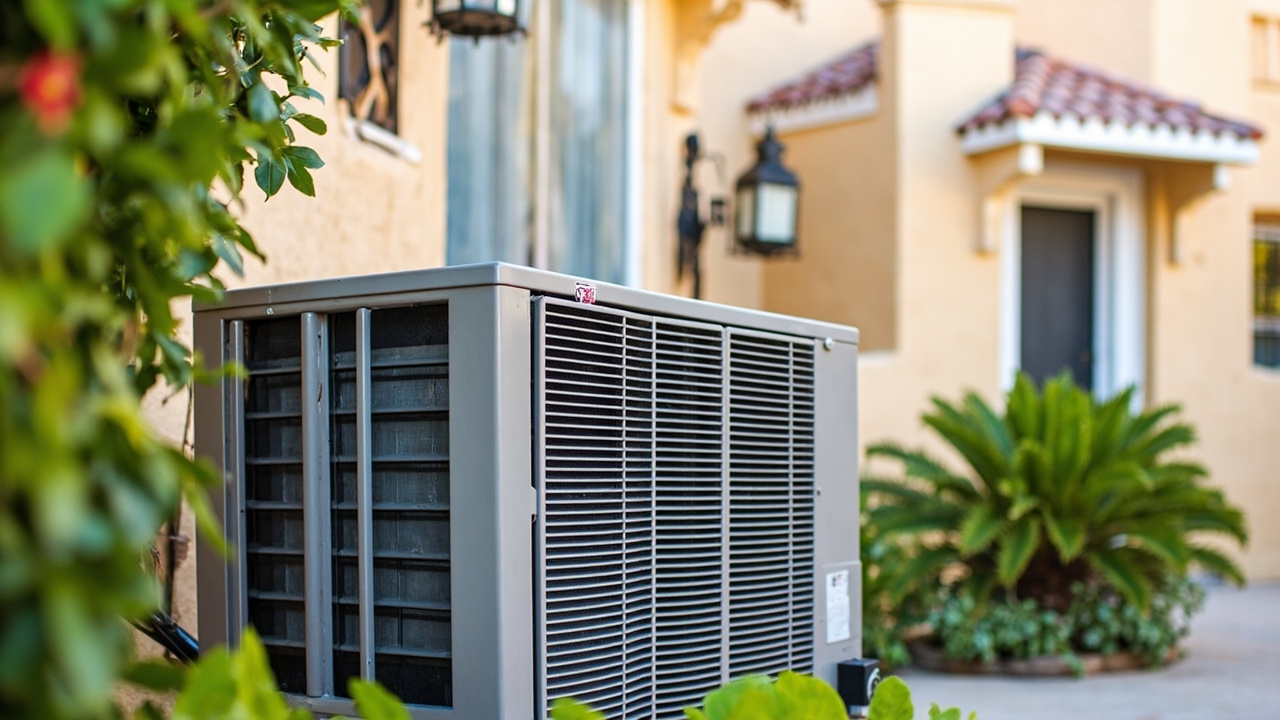
Condenser units near the coast face constant exposure to salt-laden air. This corrodes fins, coils, and electrical connections faster than inland equipment. Regular coil cleaning removes salt deposits before they cause refrigerant leaks or compressor failure. Protective coatings applied during installation extend equipment life in harsh coastal environments.
Many Long Beach homes have AC systems sized by guesswork instead of proper load calculations. Undersized units run nonstop trying to cool the house, never achieving comfortable temperatures. This constant operation wastes energy, increases wear, and still leaves rooms hot. Proper sizing based on insulation, window area, and orientation solves this problem permanently.
Older homes often have ductwork that leaks 25-40% of conditioned air into attics and crawl spaces. You pay to cool or heat spaces that don't matter while living areas stay uncomfortable. Duct testing identifies leak locations. Proper sealing reduces energy waste, improves comfort, and meets California Title 24 requirements for any system work.
Thermostats located in hallways or near windows read temperatures that don't reflect actual living space conditions. The system cycles based on bad data, leaving bedrooms too hot or living rooms too cold. Relocating thermostats to central locations or installing zoning systems with multiple sensors solves uneven heating and cooling across your home.
We understand HVAC emergencies create stress. Your family is uncomfortable, you're worried about costs, and you need help now. Our process eliminates uncertainty from the first phone call through job completion. We answer calls with real people, not phone trees. Our dispatcher asks diagnostic questions to prepare the technician before arrival. We provide arrival time windows and call ahead when the truck is 20 minutes away.
The technician arrives with a fully stocked truck, professional appearance, and focus on solving your problem quickly. We protect your floors with shoe covers and lay drop cloths in work areas. After thorough diagnosis, we explain what's wrong in plain language and provide upfront pricing before touching your system. You approve the work, we complete it efficiently, then we test everything to confirm proper operation. This straightforward approach respects your time, your home, and your budget.
No confusing jargon, no runaround, no pressure tactics. We explain what's wrong with your system, what options you have, and what each solution costs. You receive upfront pricing before work starts, eliminating surprise bills. Technicians answer questions patiently until you understand the problem and feel confident in the solution. This transparency builds trust and helps you make informed decisions about your home comfort system.
Our technicians treat your home with care. We use drop cloths, wear shoe covers, and clean up completely after finishing. Tools and parts stay organized on mats, not scattered across your floors. We park considerately, close gates, and leave your property exactly as we found it, just with a working HVAC system. This professional conduct reflects our respect for your space and your trust in allowing us into your home.
We guarantee our repairs and installations. If something doesn't work right after we leave, we come back and fix it at no charge. Quality parts, proper installation techniques, and thorough testing prevent callbacks. We pull required permits for installations, ensuring work passes inspection and protects your home value. This commitment to doing it right the first time means you won't see us again until your next scheduled maintenance visit.
Our three-step process moves quickly from diagnosis to solution. No delays, no complications, just professional service that restores your comfort.
The technician tests your system thoroughly, checking refrigerant pressures, electrical connections, airflow, and control operation. We use calibrated instruments, not guesswork. This identifies the actual problem instead of replacing parts randomly. You receive a clear explanation of what failed, why it failed, and what's needed to fix it. For installations, we perform load calculations to size equipment correctly for your home's specific needs.
After you approve the work, we complete repairs efficiently using quality parts. Installations include proper refrigerant charging, duct connections, electrical hookups, and thermostat programming. We follow manufacturer specifications and California mechanical codes. For replacements, we pull permits and coordinate inspections. The work gets done right, meeting all technical and legal requirements. You don't worry about shortcuts or code violations coming back to haunt you later.
We test the system thoroughly before leaving. Temperature splits, airflow, thermostat operation, and safety controls all get verified. You see the system running properly. We explain any maintenance tips specific to your equipment. For installations, we return for final inspection signoff. This quality control ensures you receive working, efficient, code-compliant HVAC service that will keep your family comfortable for years.
Professional HVAC service follows strict technical protocols that untrained contractors skip. California Title 24 energy standards require specific SEER ratings for new equipment, proper duct sealing, and refrigerant charge verification. These aren't suggestions but legal requirements backed by building inspections. Systems must achieve measured airflow of 350-450 CFM per ton of cooling capacity. Refrigerant charging requires superheat or subcooling measurements, not guesswork based on gauge pressures. Improper charging wastes energy and shortens compressor life.
Ductwork modifications demand testing with calibrated equipment. California code requires duct leakage under 6% of total system airflow for existing homes and 4% for new construction. We test with duct blaster equipment that measures actual leakage, then seal problem areas with mastic or metal-backed tape. Standard duct tape fails within months and violates code. Electrical connections must match equipment nameplate requirements for voltage and amperage. Undersized wires or improper breakers create fire hazards.
EPA regulations control refrigerant handling. Only EPA-certified technicians can purchase and charge systems. Venting refrigerant to atmosphere carries fines up to $37,500. We recover old refrigerant properly, charge new systems by weight, and document all work. These technical standards exist for safety, efficiency, and environmental protection. Professional contractors follow them consistently. Amateur handymen cut corners, creating problems that surface years later when equipment fails prematurely or fails inspection during home sales. Understanding these requirements helps you recognize qualified contractors and avoid those taking shortcuts.
Any HVAC replacement or major modification must meet California's strict energy code. This includes minimum SEER ratings, duct testing and sealing, proper refrigerant charging, and verified airflow. We pull permits, complete required testing, and coordinate inspections. Non-compliant work creates problems during home sales and insurance claims. Professional installation protects your investment.
System size, efficiency rating, and installation complexity determine replacement costs. A basic 3-ton 14-SEER unit costs less than a 5-ton 18-SEER variable-speed system. Ductwork modifications, electrical upgrades, and permit fees add to total investment. Cheap quotes often hide shortcuts on refrigerant charging, duct sealing, or code compliance. Quality installations cost more upfront but deliver better performance and longevity.
Most repairs finish within two hours once the technician arrives. Emergency service typically reaches you within 90 minutes of calling. Complete system replacements take one to two days depending on ductwork modifications and permit inspections. Coastal corrosion repairs may require custom fabricated parts, adding days to the timeline. We provide accurate estimates upfront, not optimistic guesses that leave you waiting.
R-22 refrigerant production ended in 2020, making repairs on old systems expensive. Replacement refrigerant costs $100-150 per pound versus $5-10 for modern R-410A. Systems using obsolete refrigerants often make more financial sense to replace than repair. We explain these cost factors honestly so you make informed decisions about repair versus replacement.
A Plus HVAC Los Angeles provides complete heating and air conditioning service throughout Long Beach and surrounding communities. Our service area spans from the waterfront neighborhoods of Belmont Shore and Naples Island to inland areas like Los Cerritos and Bixby Knolls. We respond quickly to calls from Alamitos Beach, where older beach cottages need system upgrades, and from the craftsman homes in Bluff Park that struggle with outdated ductwork.
The downtown Long Beach corridor presents unique HVAC challenges in multi-story buildings and commercial spaces. We service condos along Ocean Boulevard, apartments in East Village, and retail spaces throughout the city core. North Long Beach properties near the Los Angeles County line receive the same fast response as homes near the Port of Long Beach. Signal Hill residents benefit from our proximity and technical expertise on both residential and commercial systems.
Temperature variation across Long Beach creates different HVAC demands in each neighborhood. Homes near the beach enjoy moderate temperatures but fight constant humidity. Properties in Los Altos and California Heights, several miles inland, face temperature swings of 15-20 degrees between morning and afternoon. This variation affects system sizing, efficiency requirements, and maintenance schedules. Understanding these microclimates helps us recommend equipment that matches your specific location instead of applying generic solutions.
We also serve adjacent communities including Lakewood, Signal Hill, and Carson. Our trucks cover this entire service area seven days a week, including evenings and holidays. Whether you need emergency repairs in Naples, a complete system replacement in Bixby Knolls, or seasonal maintenance in Belmont Heights, we dispatch qualified technicians who understand local building types, architectural styles, and coastal climate impacts on HVAC equipment. This geographic knowledge combined with technical expertise delivers superior service across the greater Long Beach metro area.
Want to know if we service your neighborhood? Use the map below to see our local coverage. A Plus proudly serves Los Angeles and nearby communities with fast response times and top-tier HVAC expertise. Whether you're downtown or in the suburbs, we're just a call away. Our mobile team is equipped to reach you quickly and solve your HVAC issues efficiently. Don’t hesitate to reach out—comfort and reliability are closer than you think.
Address:
Long Beach, CA, 90813
Professional Duct Cleaning in Culver City and Why It Matters for Your HomeCulver City homeowners often ask if professional maintenance for their ventilation system is a necessary expense. Living in a vibrant area near the…
Venice Beach property owners face a unique set of challenges when managing heating and cooling…
Sherman Oaks homeowners face a unique set of cooling challenges. The location between the Santa…
Switching From Gas to Electric Heating in Miracle Mile (And What It Costs) Miracle Mile…
Your comfort can't wait. Call A Plus HVAC Los Angeles at (310) 579-0040 for same-day service across Long Beach. Our certified technicians respond fast with upfront pricing and professional repairs. Available 24/7 for emergencies. Call now and get your system running right.
