




menu

AC Blowing Warm Air in Los Angeles – Expert Diagnosis and Same-Day Repairs

When your air conditioner starts blowing hot air instead of cold, you need fast answers and a permanent fix. A Plus HVAC Los Angeles specializes in diagnosing AC cooling failures and restoring comfort the same day you call.

Slider Image 1
Slider Image 2
Slider Image 3
Slider Image 4
Slider Image 5
Slider Image 7
Slider Image 8
Slider Image 9
Slider Image 10
Slider Image 11

Why Your AC Is Blowing Warm Air in Los Angeles

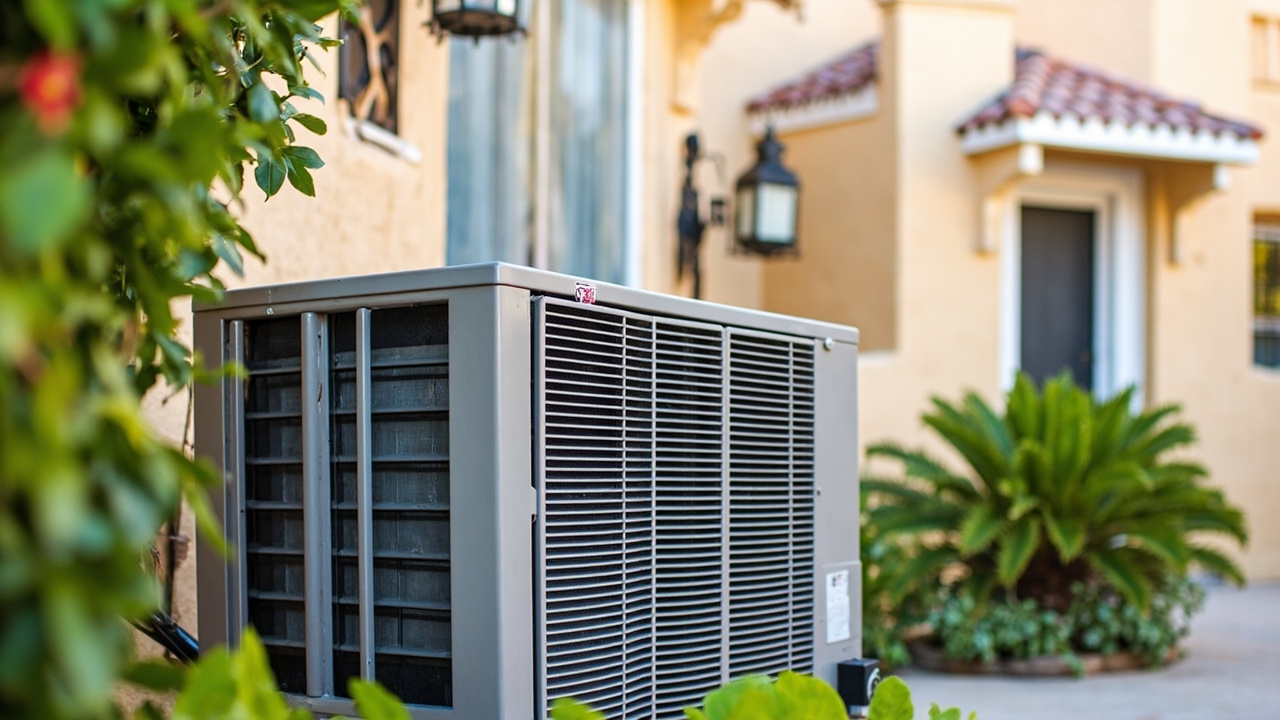
You turn on the AC expecting relief, but warm air pours from the vents instead. The compressor hums outside, the thermostat shows cooling mode, yet your central air blowing warm air continues.

Los Angeles homes face unique cooling challenges. Summer temperatures regularly hit 90 degrees, and urban heat islands in neighborhoods like Downtown, Silver Lake, and Van Nuys push indoor temperatures even higher. When your air conditioning not blowing cold air fails during a heatwave, the problem compounds quickly. Indoor temperatures climb, sleep becomes impossible, and elderly family members face heat-related health risks.

Most homeowners assume a warm-air problem means the entire system needs replacement. That conclusion wastes money. The actual cause is usually specific and fixable. Your AC running but not cooling typically points to refrigerant loss, a failed capacitor, a frozen evaporator coil, or a malfunctioning reversing valve.

Refrigerant leaks are common in older systems. When refrigerant levels drop, the remaining fluid cannot absorb enough heat from your indoor air. The blower keeps running, but the air never gets cold. Frozen coils create the same symptom. Restricted airflow from a clogged filter or blocked return vent causes the evaporator coil to ice over. Air passes around the ice instead of through the cold coil, so your AC vents blowing hot air continues until the ice melts and the root blockage gets fixed.

Capacitors fail in high heat. These small cylindrical components start the compressor and condenser fan. When a capacitor degrades, the compressor may hum but never fully engage. The outdoor unit appears to run, but no refrigerant circulates. Your system becomes an expensive fan pushing unconditioned air through the ducts.

Why Your AC Is Blowing Warm Air in Los Angeles
How We Diagnose and Fix Air Conditioner Blowing Hot Air

How We Diagnose and Fix Air Conditioner Blowing Hot Air

Guesswork creates expensive mistakes. We use a systematic diagnostic process to identify the exact failure point before recommending any repair.

Our technicians start with manifold gauge testing. We connect gauges to the service ports and measure suction and discharge pressures while the system runs. Low suction pressure combined with low discharge pressure indicates refrigerant loss. High suction pressure with low discharge pressure points to a failed compressor. Normal pressures with warm air output means the problem lies in airflow or the evaporator coil.

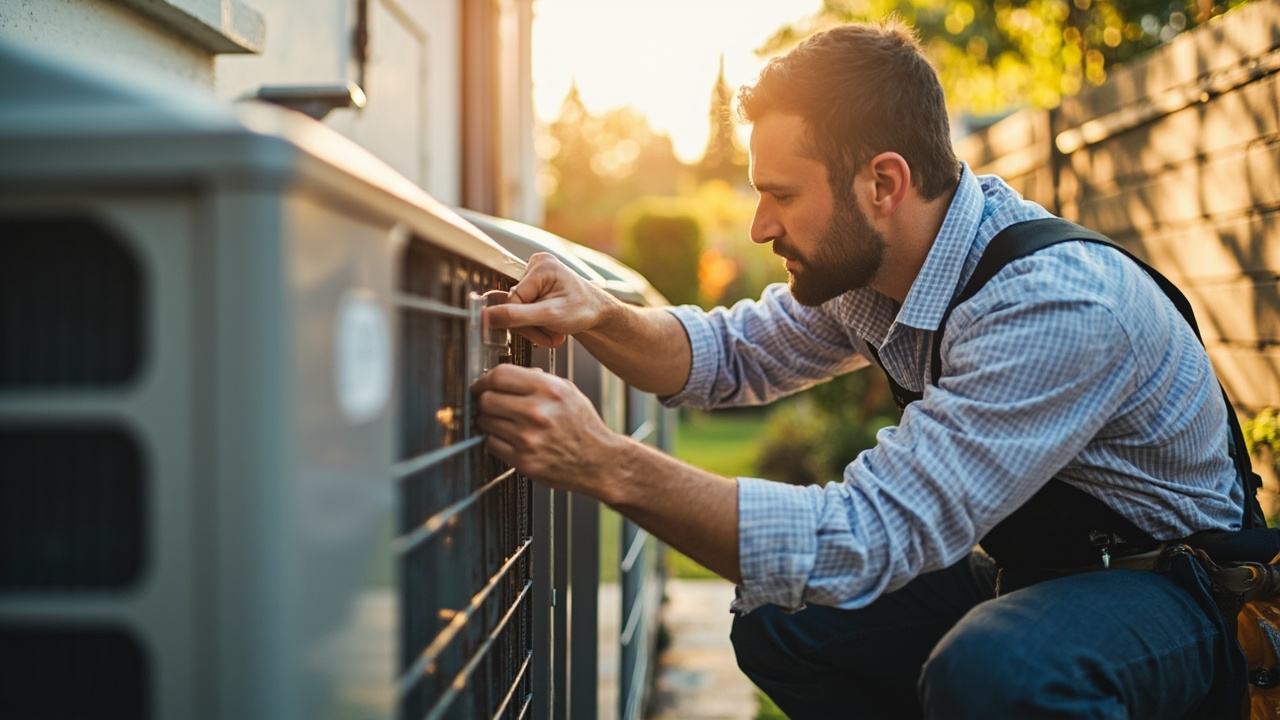
We inspect the evaporator coil with a flashlight and mirror through the blower compartment. Ice buildup signals restricted airflow. We check the filter, return vents, and ductwork for blockages. We measure airflow with an anemometer at each supply register to verify proper CFM delivery.

Capacitor testing uses a multimeter set to capacitance mode. We discharge the capacitor safely, then measure microfarad readings against the rated value printed on the component. A reading below 80 percent of the rated value means the capacitor needs replacement.

For refrigerant leaks, we inject UV dye into the system and use a blacklight to trace the leak path. Common leak points include the evaporator coil, condenser coil, service valves, and brazed joints. We repair the leak with silver solder or replace the damaged component, then evacuate the system with a vacuum pump before recharging to the manufacturer specification.

Reversing valve problems are rare but occur in heat pump systems. If your system worked fine in heating mode but blows warm air in cooling mode, the reversing valve may be stuck. We test the valve solenoid with a multimeter and check for debris in the valve body.

Once we identify the problem, we explain the repair in plain terms, provide the cost, and complete the work the same day in most cases.

What Happens When You Call About Warm Air

AC Blowing Warm Air in Los Angeles – Expert Diagnosis and Same-Day Repairs
01

Initial Phone Assessment

You describe the symptoms over the phone. We ask targeted questions about when the problem started, whether the outdoor unit runs, and if you hear unusual sounds. This pre-diagnosis helps us arrive prepared with the right tools and common replacement parts for your system type. We schedule a same-day appointment and provide a clear service call fee upfront.
02

On-Site System Testing

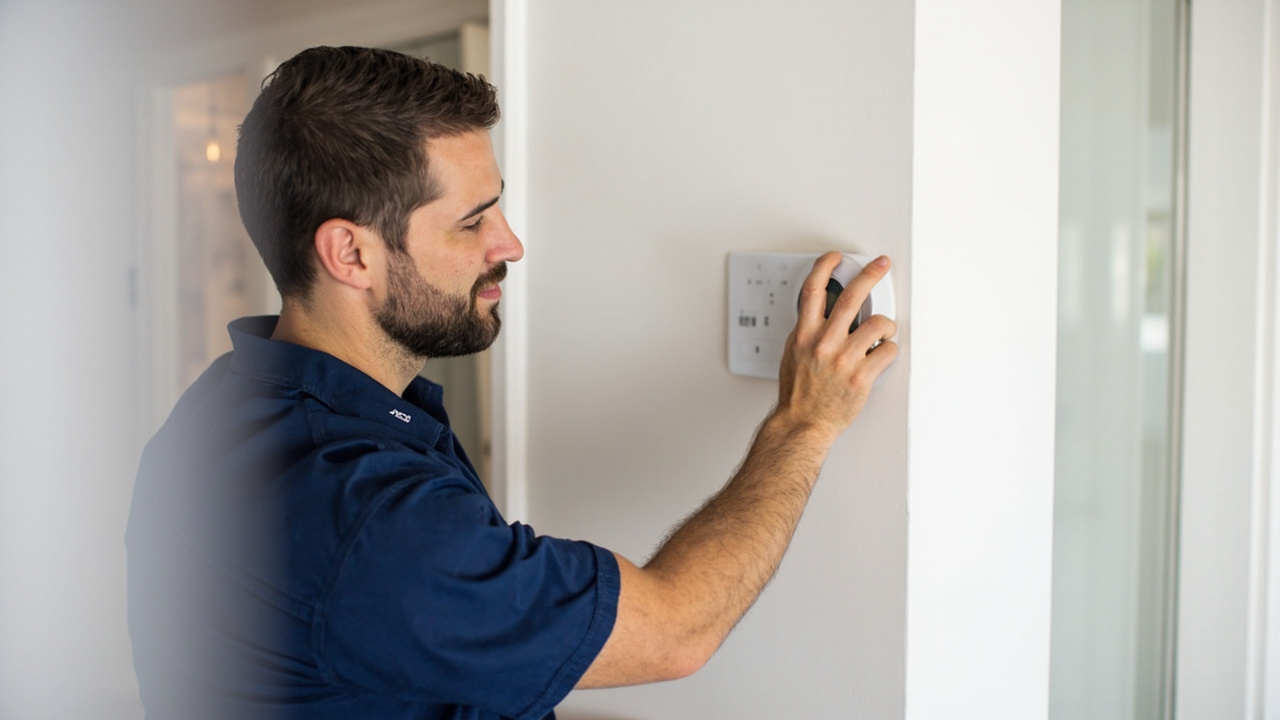
Our technician arrives within the scheduled window, tests voltage at the disconnect, and measures refrigerant pressures while the system runs. We inspect the evaporator coil, test the capacitor, check airflow at the registers, and examine all electrical connections. This diagnostic phase takes 30 to 45 minutes and reveals the exact failure point. You receive a written diagnosis before any repair begins.
03

Repair and Verification

We complete the repair using OEM or better-quality replacement parts. After the repair, we run the system through a full cooling cycle and measure supply air temperature at the vents. Properly functioning systems deliver air 15 to 20 degrees colder than return air. We verify correct refrigerant charge, check amperage draw, and confirm the thermostat cycles the system properly before leaving your home.

Why Los Angeles Homeowners Choose A Plus HVAC

Los Angeles spans multiple climate zones, from coastal Santa Monica to inland San Fernando Valley. Each zone creates different stress patterns on HVAC equipment. Coastal systems battle salt air corrosion. Inland systems endure extreme temperature swings and higher cooling loads. We have worked in every Los Angeles neighborhood and understand how local conditions affect system performance.

Our technicians train continuously on California Title 24 energy code requirements and California Air Resources Board refrigerant regulations. When we repair your system, the work meets or exceeds state standards. This matters during home sales, insurance claims, and HOA inspections.

We stock our trucks with parts that fit the most common residential systems in Los Angeles. Brands like Carrier, Trane, Lennox, Rheem, and Goodman dominate local installations. We carry capacitors, contactors, run capacitors, and refrigerant in multiple formulations. This preparation means most repairs finish the same day without waiting for parts delivery.

You get transparent pricing before work starts. We show you the failed component, explain why it failed, and provide a written estimate. No surprise charges appear on the final invoice.

Our response time beats the competition. Most companies schedule days out. We prioritize cooling emergencies and offer same-day service for calls received before 2 PM. When temperatures hit triple digits, waiting three days for an appointment is unacceptable.

We also understand the building stock in Los Angeles. Many homes in Pasadena, Highland Park, and West Adams date to the 1920s and 1930s. These homes have unique ductwork challenges, limited attic access, and older electrical panels. We adapt our methods to work within these constraints without compromising repair quality.

Local expertise prevents mistakes. A technician unfamiliar with Los Angeles might misdiagnose a dirty condenser coil as a refrigerant problem. Pollen from jacaranda trees, dust from Santa Ana winds, and smog particulates coat outdoor coils faster here than in other cities. We clean coils as part of every diagnostic visit because we know this local reality.

What to Expect During Your Service Call

Fast Response Times

We answer your call immediately, not through an answering service. You speak with a trained dispatcher who understands HVAC terminology and can assess urgency. Same-day appointments are standard for calls received before mid-afternoon. We provide a two-hour arrival window and call 20 minutes before the technician arrives. Our trucks carry the diagnostic tools and common repair parts needed to finish most jobs the same visit. No multi-day waits while parts ship from distant warehouses.

Thorough System Assessment

Your technician performs a complete system evaluation, not just a quick look at the obvious problem. We test voltage and amperage at the compressor, measure subcooling and superheat to verify correct refrigerant charge, inspect ductwork for leaks, and check the blower motor bearings. This comprehensive approach catches secondary problems before they cause another breakdown. You receive a written diagnostic report explaining what we found, why the failure occurred, and what needs repair to restore full cooling capacity.

Quality Repair Work

We install commercial-grade replacement parts that exceed OEM specifications. Capacitors carry higher temperature ratings. Contactors use silver-cadmium alloy contacts that resist pitting. Refrigerant lines get brazed with silver-bearing solder, not soft solder that fails under pressure. After the repair, we verify system performance by measuring supply air temperature, checking static pressure in the ductwork, and confirming proper thermostat operation. Your system must meet factory specifications before we consider the job complete.

One-Year Parts Warranty

All replacement parts carry a one-year warranty covering defects and premature failure. Labor to reinstall a defective part is included at no charge. We also offer annual maintenance agreements that include priority scheduling, discounted service calls, and pre-season system tune-ups. Regular maintenance catches minor problems before they escalate into expensive failures. Our maintenance customers experience 60 percent fewer emergency breakdowns compared to homeowners who skip annual service.

Frequently Asked Questions

You Have Questions,
We Have Answers

Why is my AC running but not cooling? +

Your AC runs but does not cool due to refrigerant leaks, a dirty air filter blocking airflow, frozen evaporator coils, or a failed compressor. In Los Angeles, dust and smog accumulation can clog filters faster than in other regions. Check your filter first. If it looks dirty, replace it. If your outdoor unit runs but no cold air flows, you likely have a refrigerant issue or compressor failure. These require professional diagnosis. Do not ignore this. Running the system without cooling wastes energy and can cause further damage to internal components.

What is the 3 minute rule for air conditioners? +

The 3 minute rule prevents short cycling and compressor damage. After your AC shuts off, wait at least three minutes before restarting it. This allows refrigerant pressure to equalize throughout the system. Restarting too quickly forces the compressor to start under high pressure, which strains the motor and shortens its lifespan. Most modern units have built-in delay timers, but if you manually cycle your thermostat or power, respect this rule. In Los Angeles heat, impatience can cost you a compressor replacement, which runs thousands of dollars.

How to reset AC not blowing cold air? +

To reset your AC, turn the thermostat to off. Go to your electrical panel and flip the breaker for the AC unit off. Wait five minutes. This clears the control board and allows capacitors to discharge. Flip the breaker back on, then turn the thermostat to cool. Set it five degrees below room temperature. If cold air does not return within 10 minutes, the issue is mechanical, not electronic. You need a technician to inspect refrigerant levels, compressor function, or airflow blockages common in Los Angeles systems exposed to dust and heat.

How do I know if my AC is low on freon? +

Signs of low refrigerant include warm air from vents, ice buildup on refrigerant lines or the evaporator coil, hissing sounds near the outdoor unit, and higher electric bills. Refrigerant does not get used up. If levels are low, you have a leak. In Los Angeles, copper line corrosion from smog and age is common. Do not add refrigerant without fixing the leak first. A technician uses gauges to measure pressure and identify leak points. Running low on refrigerant damages your compressor and reduces efficiency significantly.

Should you turn off AC if it's not cooling? +

Yes, turn off your AC if it stops cooling. Running it while blowing warm air wastes energy and can cause compressor failure or freeze the evaporator coil. If ice forms, it blocks airflow and worsens the problem. Turn the system off and switch your thermostat fan to on to help melt ice. In Los Angeles summer heat, you want relief fast, but forcing a broken system to run makes repairs more expensive. Call a technician to diagnose the root cause before restarting the unit.

What are signs of a failing AC compressor? +

A failing compressor makes loud clanking or grinding noises, causes the unit to hard start (struggle to turn on), or trips the breaker repeatedly. You may notice warm air from vents or the outdoor unit not running at all. The compressor is the heart of your AC. When it fails, the system cannot move refrigerant. In Los Angeles, compressors fail from age, electrical issues, or running with low refrigerant. Replacement costs several thousand dollars. If you hear unusual sounds or experience hard starts, get it inspected immediately.

How cool should my house be if it's 100 outside? +

When it is 100 degrees outside, your AC should keep your home between 75 and 80 degrees. Most systems can cool 15 to 20 degrees below outdoor temperature. In Los Angeles, older homes with poor insulation or west-facing windows struggle more. If your indoor temperature climbs above 80 during peak heat, check your air filter, ensure vents are open, and close blinds on sun-exposed windows. If your system cannot hit 80 degrees, you may have low refrigerant, a failing compressor, or undersized equipment.

What is the $5000 AC rule? +

The 5000 dollar AC rule is an informal guideline for replacement decisions. Multiply the repair cost by the age of your unit. If the result exceeds 5000, replace the system instead of repairing it. For example, a 1500 dollar repair on a 10 year old unit equals 15000, suggesting replacement. A 500 dollar repair on a 5 year old unit equals 2500, suggesting repair. In Los Angeles, where units work hard year round, this rule helps you avoid throwing money at an aging system that will fail again soon.

How do I check my AC refrigerant level at home? +

You cannot accurately check refrigerant levels at home without gauges and EPA certification. Refrigerant is under high pressure and requires specialized tools to measure. If you suspect low refrigerant, look for indirect signs like ice on lines, warm air, or hissing sounds. Do not attempt to add refrigerant yourself. It is illegal without certification and dangerous. In Los Angeles, unlicensed refrigerant handling violates California environmental laws. Call a licensed technician to test pressures, locate leaks, and recharge the system properly. This protects your equipment and the environment.

Can I fix warm AC myself? +

You can replace a dirty air filter, clear debris from the outdoor unit, and check that your thermostat is set correctly. These are safe DIY fixes. However, refrigerant leaks, compressor issues, frozen coils, and electrical problems require professional tools and knowledge. In Los Angeles, improper repairs can void warranties, violate building codes, or cause dangerous refrigerant exposure. If basic troubleshooting does not restore cold air within an hour, stop. Continuing to run a broken system causes expensive damage. Call a licensed HVAC technician to diagnose and fix the root cause.

How Los Angeles Heat and Air Quality Accelerate AC Failures

Los Angeles experiences extended cooling seasons that run from April through October. While other cities run their air conditioning 90 days per year, Los Angeles systems operate 180 days or more. This extended runtime doubles the wear on compressors, fan motors, and capacitors. The heat island effect in dense neighborhoods like Koreatown and Mid-Wilshire pushes outdoor temperatures 10 degrees higher than surrounding areas, forcing condensers to work harder and shortening component life. Santa Ana wind events coat condenser coils with fine dust that restricts airflow and reduces cooling efficiency. These local conditions make routine maintenance and prompt repairs critical to system longevity.

California requires specific refrigerant handling procedures under Air Resources Board regulations. Technicians must be EPA-certified and use approved recovery equipment when servicing systems. Unlicensed contractors skip these steps, release refrigerant into the atmosphere, and expose you to fines. A Plus HVAC Los Angeles maintains all required state certifications and follows proper refrigerant recovery protocols on every service call. Our work protects you from liability and ensures your system meets California environmental standards. When you choose local professionals who understand state regulations, you avoid legal complications and ensure the repair stands up to inspection.
HVAC Services in The Los Angeles Area

Want to know if we service your neighborhood? Use the map below to see our local coverage. A Plus proudly serves Los Angeles and nearby communities with fast response times and top-tier HVAC expertise. Whether you're downtown or in the suburbs, we're just a call away. Our mobile team is equipped to reach you quickly and solve your HVAC issues efficiently. Don’t hesitate to reach out—comfort and reliability are closer than you think.

Address:
A Plus HVAC Los Angeles, 1901 Ave of the Stars, Los Angeles, CA, 90067

Additional Services We Offer

Our news updates

Latest Articles & News from The Blogs

Sherman Oaks homeowners face a unique set of cooling challenges. The location between the Santa Monica Mountains and the flatlands…

Full AC Replacement Costs for Sherman Oaks Homeowners

Sherman Oaks homeowners face a unique set of cooling challenges. The location between the Santa Monica Mountains and the flatlands…

Switching From Gas to Electric Heating in Miracle Mile (And What It Costs)

Switching From Gas to Electric Heating in Miracle Mile (And What It Costs) Miracle Mile homeowners are moving toward all…

HVAC Strategies for Quiet Home Recording Studios in Toluca Lake

Precision HVAC Solutions for Los Angeles Recording StudiosHome studio owners in Toluca Lake face a unique set of challenges when…

Contact Us

Your AC blowing warm air needs professional diagnosis, not guesswork. Call (310) 579-0040 now for same-day service. Our technicians arrive prepared to fix the problem and restore cold air the same visit. Do not spend another night in the heat.