




menu

Winterizing Your HVAC System in Los Angeles – Protect Your Equipment Before Winter's Unpredictable Swings Hit

Get your heating system ready for winter with expert winterization services designed for Los Angeles's unique microclimates, preventing mid-season breakdowns when coastal fog, canyon winds, and sudden temperature drops test your system's reliability.

Slider Image 1
Slider Image 2
Slider Image 3
Slider Image 4
Slider Image 5
Slider Image 7
Slider Image 8
Slider Image 9
Slider Image 10
Slider Image 11

Why Los Angeles HVAC Systems Fail When Winter Arrives

You think Los Angeles doesn't have winter. That's the problem.

While coastal neighborhoods stay mild, inland valleys and foothill communities face overnight lows in the 40s and 30s. The Santa Ana winds create rapid temperature swings that stress heating components sitting idle since March. Your furnace doesn't gradually wake up. It goes from zero to full demand in a single cold snap.

Most Los Angeles homeowners skip heating system winterization because they assume mild weather means low risk. Then the first cold night hits, and the ignitor fails, the heat exchanger cracks from thermal shock, or the blower motor seizes because dust and debris clogged the system during nine months of disuse.

Preparing hvac for winter in Los Angeles means addressing desert dust intrusion from eastern winds, salt air corrosion in coastal zones, and the reality that your furnace may cycle on only 30 nights per year. Intermittent use creates different wear patterns than constant operation. Seals dry out. Pilot assemblies corrode. Ductwork in unconditioned attics accumulates moisture from morning fog.

Winter hvac preparation isn't about surviving a Chicago blizzard. It's about ensuring your system responds reliably when you need heat, not when it's convenient to schedule a repair. The cost difference between hvac winter maintenance and an emergency weekend service call is significant. The comfort difference is greater.

Your neighbors in Pasadena, Glendale, and the Valley learned this during the last cold snap. Don't wait for the next one.

Why Los Angeles HVAC Systems Fail When Winter Arrives
How Professional HVAC Winterization Prevents System Failures

How Professional HVAC Winterization Prevents System Failures

Getting heating system ready for winter requires more than changing a filter. It requires a methodical inspection of components that face unique stress in Southern California's operating environment.

We start with combustion analysis. Gas furnaces in Los Angeles often run rich because of inconsistent pressure regulation and altitude variations between beach communities and hillside homes. A rich fuel mixture creates carbon buildup on the heat exchanger, reducing efficiency and creating safety risks. We measure combustion efficiency, adjust the gas valve, and verify proper venting to prevent backdrafting.

Next is the blower assembly. Desert dust infiltrates through return air leaks, coating the squirrel cage wheel and reducing airflow. Reduced airflow causes the heat exchanger to overheat, triggering limit switches and short cycling. We remove the blower, clean the wheel, inspect the motor capacitor, and lubricate bearings if the motor isn't sealed.

Ductwork inspection matters in Los Angeles because most ducts run through unconditioned attics. Temperature differentials create condensation, and poor sealing allows conditioned air loss rates exceeding 30 percent. We check for disconnected boots, failed mastic seals, and collapsed flex duct sections common in older installations.

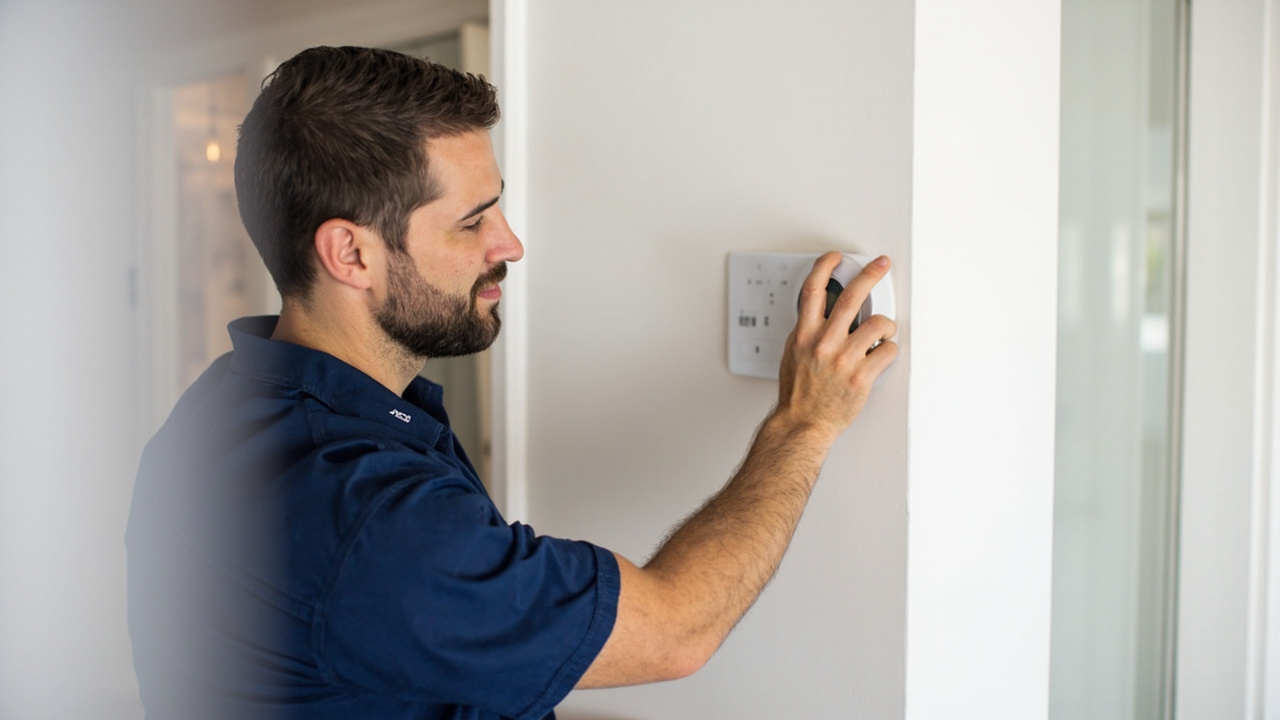
Thermostat calibration comes last. Many Los Angeles homes still use basic mechanical thermostats with mercury switches. Temperature drift and poor anticipator settings cause uncomfortable temperature swings and excessive cycling. We verify calibration, check wiring connections, and recommend programmable or smart thermostats for better control.

This isn't a 15-minute tune-up. Winter hvac preparation takes 90 minutes because we address the specific failure modes California systems experience.

What Happens During Your Winterization Service

Winterizing Your HVAC System in Los Angeles – Protect Your Equipment Before Winter's Unpredictable Swings Hit
01

System Diagnostic and Safety Check

We test your furnace through a complete heating cycle, measuring supply and return temperatures, airflow rates, and combustion exhaust levels. This identifies hidden problems before they cause failures. We inspect the heat exchanger for cracks using a flashlight and mirror, check gas valve operation, and verify the flame sensor responds correctly. Safety devices like limit switches and rollout switches get tested under load conditions to ensure they'll protect your home if something goes wrong.
02

Component Cleaning and Adjustment

We remove and clean the burner assembly, removing rust and corrosion common in coastal areas. The flame pattern gets adjusted for optimal combustion. The blower compartment gets vacuumed, removing dust that restricts airflow and causes overheating. Electrical connections get tightened because thermal cycling loosens terminals over time. The condensate drain gets flushed if you have a high-efficiency condensing furnace. These adjustments prevent the most common mid-season breakdowns Los Angeles homeowners face during cold snaps.
03

Performance Verification and Documentation

After service, we run your system through multiple cycles to verify stable operation and consistent temperatures. You get a written report showing combustion efficiency, temperature rise across the heat exchanger, and any components approaching end of life. We document filter size, thermostat settings, and recommended service intervals based on your system's age and usage patterns. You'll know exactly what condition your heating system is in before winter arrives, not after it fails on a cold weekend.

Why Los Angeles Homeowners Choose Local HVAC Expertise

You need someone who understands how Los Angeles microclimates affect HVAC performance. A technician trained in Phoenix doesn't know about marine layer moisture. Someone from the Inland Empire doesn't understand coastal corrosion patterns.

We've serviced heating systems from Manhattan Beach to La Cañada Flintridge. We know that homes in the Palisades face salt air degradation of electrical components. Properties in Altadena deal with wind-blown debris from the San Gabriel foothills. Valley homes experience wider temperature swings than beach communities, creating different stress patterns on furnace components.

Local building codes matter. Los Angeles requires specific venting materials and clearances that changed after updates to Title 24 energy standards. Older homes may have grandfathered installations that no longer meet current safety requirements. We identify these issues during inspection and explain your options for bringing systems into compliance.

Our service vehicles carry parts that fail most often in Southern California systems. We stock igniters for the furnace brands common in Los Angeles tract housing from the 1970s and 1980s. We carry capacitors in the values used by the major HVAC manufacturers who supplied California builders. This means we can often complete repairs during the initial service call instead of scheduling a return visit.

We also understand your usage patterns. Los Angeles homeowners use heat intermittently, not continuously. This creates different maintenance needs than systems running 24/7 in cold climates. Our winterization service addresses the specific failure modes that intermittent operation causes, not generic maintenance checklist items.

You're not getting a franchise technician following a corporate script. You're getting someone who knows your neighborhood and your system.

What to Expect from Your Winterization Appointment

Service Timing and Scheduling

Plan for a 90-minute service window. We schedule winterization appointments before the first cold weather arrives, typically October through early November when our schedule offers flexibility. You'll receive a confirmed appointment time with a two-hour arrival window. If we're running late, you get a courtesy call. We don't rush through the service to squeeze in more appointments. Proper hvac winter maintenance requires time to inspect components thoroughly, not just change a filter and collect a fee. Morning appointments work best because it allows time for any unexpected repairs the same day.

The Inspection Process Explained

You'll know what we're doing and why. We explain findings in plain language as we work. If we discover a cracked heat exchanger or failed component, you'll see it yourself. We take photos of problem areas for your records. The diagnostic includes temperature measurements, airflow calculations, and combustion analysis results in writing. You're not asked to approve repairs based on vague warnings about safety. You get specific information about what's wrong, why it matters, and what happens if you defer the repair. Most inspections reveal minor issues that get corrected during the service call.

The Quality of Completed Service

Your system will operate reliably when temperatures drop. Combustion efficiency improves after cleaning and adjustment, reducing your gas bills during winter operation. Airflow increases after blower cleaning, improving comfort and reducing temperature stratification between rooms. Safety devices get verified to work correctly, protecting your home from carbon monoxide risks or fire hazards. You receive a written report documenting current system condition, efficiency measurements, and recommended service intervals. The furnace will cycle smoothly without the banging, squealing, or short cycling that indicates problems. You'll notice better temperature control and faster warm-up times.

Ongoing Maintenance and Support

We provide filter replacement recommendations based on your specific system and home environment. Homes near construction zones or with pets need more frequent filter changes than clean environments. We'll show you how to access and replace your filter if you want to handle it yourself between service calls. If issues develop during winter, you're not starting from scratch with a new technician. We have your service history and system specifications on file. Priority scheduling goes to existing customers when emergency calls spike during cold snaps. You also receive reminders for spring air conditioning preparation, helping you maintain both heating and cooling systems year-round.

Frequently Asked Questions

You Have Questions,
We Have Answers

How to winterize a HVAC system? +

Start by replacing your air filter to ensure clean airflow. Inspect your thermostat and test the heating mode before cold nights arrive. Clean debris from around your outdoor unit and check that vents inside your home are open and unblocked. Schedule a professional inspection to check refrigerant levels, test the heat exchanger, and verify electrical connections. In Los Angeles, winterizing also means preparing for occasional rain, so check drain lines and ensure your condensate pump works. A technician can spot small issues before they become expensive repairs during the coldest months.

What is the $5000 rule for HVAC? +

The $5000 rule is a decision-making guideline for repair versus replacement. Multiply the age of your HVAC system by the repair cost. If the result exceeds $5000, replacement often makes more financial sense than fixing an aging unit. For example, a 12-year-old system needing a $500 repair equals $6000, suggesting replacement. This rule helps Los Angeles homeowners avoid throwing money at older systems that will need more repairs soon. Factor in energy efficiency gains and local utility rebates when deciding. A professional assessment can clarify whether repair or replacement fits your situation.

What is the 3 minute rule for AC? +

The 3-minute rule prevents compressor damage by spacing out your system cycles. After your AC shuts off, wait at least three minutes before restarting it. This delay allows refrigerant pressure to equalize throughout the system, protecting the compressor from strain. Rapid cycling or manual on-off switching without this pause can shorten compressor life and lead to costly repairs. Modern thermostats often have built-in delay features, but you should still avoid manually toggling your thermostat repeatedly. This simple practice extends equipment life and reduces emergency service calls in Los Angeles.

How to prepare your HVAC for winter? +

Replace your air filter first, then test your heating system before you need it. Clear leaves and debris from your outdoor unit and trim back vegetation. Check that all interior vents are open and furniture does not block airflow. Inspect your thermostat batteries and settings. Schedule a professional tune-up to clean burners, test ignition systems, and check carbon monoxide levels. In Los Angeles, winter preparation also means checking weatherstripping on doors and windows to maximize efficiency during cooler months. A preseason inspection catches small problems before they leave you without heat on a cold night.

Is it okay to spray water on your air conditioner? +

Yes, spraying water on your outdoor condenser coil is safe and beneficial when done correctly. Use a garden hose with moderate pressure to rinse away dust, pollen, and debris that block airflow. Spray from the inside out to push debris away from the fins. Avoid high-pressure washers, which can bend delicate fins and reduce efficiency. In Los Angeles, where dust and smog accumulate on outdoor units, periodic rinsing improves performance. Always turn off power at the breaker first. For deep cleaning or bent fins, call a professional to restore full airflow and efficiency.

Is 72 too high for heat in winter? +

No, 72 degrees is not too high for winter heating. Comfort and efficiency depend on your home's insulation, your household needs, and local climate. In Los Angeles, where winters are mild, 72 degrees is reasonable if you want consistent comfort. The Department of Energy recommends 68 degrees when you are home for energy savings, but personal comfort matters. Lower your thermostat when you are asleep or away to reduce energy use without sacrificing comfort during active hours. A programmable thermostat automates this balance, saving money while keeping your home comfortable.

What is the average lifespan of an HVAC system? +

The average HVAC system lasts 15 to 20 years with proper maintenance. Factors like installation quality, usage patterns, and local climate affect lifespan. In Los Angeles, systems may last longer due to mild winters, but smog and dust can stress components. Neglecting maintenance shortens lifespan dramatically. Regular filter changes, annual tune-ups, and prompt repairs extend equipment life. If your system is over 15 years old and needs frequent repairs, replacement often makes more sense. Newer systems offer better efficiency and reliability, reducing energy bills and repair costs over time.

What HVAC qualifies for tax credit 2025? +

For 2025, the federal Energy Efficient Home Improvement Credit covers HVAC systems meeting efficiency standards. Central air conditioners must have a SEER2 rating of 16 or higher. Heat pumps need a SEER2 of 16 and HSPF2 of 9. Gas furnaces require an AFUE of 95 percent or higher. The credit covers 30 percent of costs, up to $2000 annually. Los Angeles homeowners should verify equipment qualifies before purchasing and save receipts and manufacturer certifications. Consult a tax professional to confirm eligibility and claim the credit correctly on your return.

Does keeping the AC at 72 save money? +

Keeping your AC at 72 degrees does not save money compared to higher settings. Each degree below 78 increases energy use by roughly 3 to 5 percent. In Los Angeles, where summers are warm but not extreme, setting your thermostat to 76 or 78 degrees reduces energy bills without sacrificing comfort. Use ceiling fans to circulate air and create a cooling effect. Programmable thermostats let you raise the temperature when you are away, maximizing savings. Small adjustments add up over time, lowering your monthly utility costs while keeping your home comfortable.

How cool should my house be if it's 100 outside? +

When it is 100 degrees outside, your home should ideally stay around 75 to 80 degrees. Most residential AC systems can cool 15 to 20 degrees below outdoor temperature. Expecting 70 degrees during extreme heat stresses your system and increases energy bills. In Los Angeles, where triple-digit days happen occasionally, set realistic expectations. Close blinds, use ceiling fans, and avoid heat-generating activities during peak heat. If your system struggles to maintain even 80 degrees, check your air filter, clean the outdoor coil, or call a professional to inspect refrigerant levels and airflow.

How Los Angeles's Coastal and Inland Climate Zones Affect Heating System Performance

Los Angeles isn't one climate. It's a patchwork of microclimates separated by mountain ranges, coastal influence, and elevation changes. Beach communities rarely need heat, but when marine layer moisture combines with salt air, it accelerates corrosion of electrical components and metal ductwork. Inland valleys face overnight lows in the 30s during winter, creating 40-degree temperature swings within 24 hours. Foothill neighborhoods deal with wind-blown dust and debris that infiltrates HVAC systems. This variability means preparing hvac for winter requires understanding your specific location's challenges, not applying a generic maintenance procedure designed for consistent climates.

Los Angeles building codes and Title 24 energy standards create specific requirements for HVAC installations that differ from other regions. Furnace venting materials, combustion air requirements, and duct sealing standards reflect California's focus on energy efficiency and earthquake safety. Technicians unfamiliar with local codes may miss non-compliant installations common in older homes. Getting heating system ready for winter means working with professionals who understand Los Angeles construction practices, know which shortcuts local contractors took in different building eras, and can identify safety issues specific to California installations. Local expertise matters when your system faces unique operating conditions found nowhere else in the country.
HVAC Services in The Los Angeles Area

Want to know if we service your neighborhood? Use the map below to see our local coverage. A Plus proudly serves Los Angeles and nearby communities with fast response times and top-tier HVAC expertise. Whether you're downtown or in the suburbs, we're just a call away. Our mobile team is equipped to reach you quickly and solve your HVAC issues efficiently. Don’t hesitate to reach out—comfort and reliability are closer than you think.

Address:
A Plus HVAC Los Angeles, 1901 Ave of the Stars, Los Angeles, CA, 90067

Additional Services We Offer

Our news updates

Latest Articles & News from The Blogs

Sherman Oaks homeowners face a unique set of cooling challenges. The location between the Santa Monica Mountains and the flatlands…

Full AC Replacement Costs for Sherman Oaks Homeowners

Sherman Oaks homeowners face a unique set of cooling challenges. The location between the Santa Monica Mountains and the flatlands…

Switching From Gas to Electric Heating in Miracle Mile (And What It Costs)

Switching From Gas to Electric Heating in Miracle Mile (And What It Costs) Miracle Mile homeowners are moving toward all…

HVAC Strategies for Quiet Home Recording Studios in Toluca Lake

Precision HVAC Solutions for Los Angeles Recording StudiosHome studio owners in Toluca Lake face a unique set of challenges when…

Contact Us

Don't wait for a breakdown during the first cold snap. Call A Plus HVAC Los Angeles at (310) 579-0040 to schedule your heating system winterization. We'll ensure your furnace operates safely and efficiently when you need it most.