




El Monte sits in the San Gabriel Valley where summer temperatures regularly climb past 90 degrees from June through September. The inland location means no ocean breeze to cool things down, and the valley traps heat between the San Gabriel Mountains to the north and the Puente Hills to the south. This creates a pressure cooker effect that pushes air conditioning systems to their absolute limits.
Winter brings its own challenges. When cold fronts roll through, overnight temperatures can drop into the 30s, and older heating systems struggle to keep up. The temperature swings put constant stress on HVAC equipment, causing wear on compressors, heat exchangers, and blower motors. Add in the dust and particulate matter that settles in from nearby construction and industrial zones, and you have filters clogging faster than in coastal areas.
El Monte homes built before 1980 often have undersized ductwork and single-pane windows that leak conditioned air. Newer developments near Valley Boulevard and the 10 Freeway have better insulation, but the equipment still runs harder here than in temperate zones. Your HVAC system is not optional in El Monte. It is survival equipment for six months of the year.
We have been fixing broken air conditioners and furnaces in El Monte long enough to know every street, every building type, and every system quirk specific to this area. When you call A Plus HVAC Los Angeles, you get a crew that has worked on homes in South El Monte, businesses along Garvey Avenue, and industrial buildings near the Santa Anita Wash. We know the ductwork configurations in 1960s ranch homes. We know which apartment complexes have rooftop units with chronic electrical issues. We know the difference between a quick fix and a bandaid that fails in three months.
Our technicians arrive with fully stocked trucks because we know what breaks in El Monte's climate. We carry the capacitors that fail in extreme heat. We stock the igniters that crack from temperature cycling. We have the refrigerant for older R-22 systems still running in this area. That means fewer trips back to the shop and faster repairs when you are sweating or freezing.
We do not sell you equipment you do not need. If a repair makes sense, we repair it. If your system is on its last leg and throwing good money after bad, we tell you straight. We give you options with real numbers, not sales pitches. Our reputation in El Monte is built on honest work, not upselling. When your neighbor recommends us, it is because we fixed their problem without breaking their budget.
You also get our emergency response guarantee. We answer calls 24 hours a day, every day. HVAC failures do not wait for business hours, and neither do we. When your system quits at 9 PM on a Sunday, we are already on our way.

We answer emergency calls within minutes and dispatch technicians to El Monte locations fast. No automated phone trees. No waiting until tomorrow. Your HVAC crisis gets immediate attention because we know every hour without heating or cooling causes real problems for families and businesses.

Our service vehicles carry the parts that fail most often in El Monte's climate. Capacitors, contactors, thermostats, igniters, and refrigerant are already on the truck. We complete most repairs in a single visit without ordering parts or making you wait days for a callback.
We diagnose the actual problem, not the most expensive option. If a $150 repair solves your issue, we do not push a $5,000 replacement. If your system is genuinely beyond repair, we explain why with evidence and give you real options with transparent pricing.
We have worked on every type of structure in El Monte, from older homes near Durfee Avenue to commercial buildings along Peck Road. We understand the local building configurations, the common system failures, and the fastest routes to every neighborhood when you need help now.
A Plus HVAC Los Angeles handles every heating and cooling need for residential and commercial properties across El Monte. From emergency air conditioning repair when your system fails during a heatwave to complete HVAC installations for new construction, we provide the full spectrum of climate control services. Our work includes central air repair for homes, rooftop unit service for commercial buildings, furnace repair for gas and electric systems, ductwork modification, thermostat upgrades, and preventive maintenance programs that catch problems before they cause breakdowns.
We service all major brands and system types. Lennox, Carrier, Trane, Goodman, Rheem, York, American Standard, and Bryant systems all get the same expert attention. Split systems, package units, heat pumps, and zoned systems are all within our scope. Whether you have a single-family home in South El Monte or manage a multi-unit property near Valley Boulevard, we have the equipment and expertise to keep your HVAC system running efficiently. The work we do falls into three main categories that cover everything from emergencies to long-term system performance.
When your air conditioner quits in the middle of July or your furnace stops working on a cold January night, you need help immediately. We respond to emergency calls across El Monte with rapid dispatch and fully equipped service vehicles. Our technicians diagnose compressor failures, refrigerant leaks, electrical issues, blower motor problems, and igniter failures on the spot. We carry the parts needed to restore heating and cooling fast because we know waiting is not an option when indoor temperatures become dangerous.
When repair is no longer economical, we install new heating and cooling systems sized correctly for your space. We perform load calculations based on your square footage, insulation, window placement, and sun exposure to select equipment that will not be undersized or wastefully oversized. Our installations include new ductwork when needed, upgraded thermostats, proper refrigerant charging, and airflow balancing. We pull permits and ensure all work meets California Title 24 energy efficiency standards and local building codes.
Regular maintenance prevents most emergency breakdowns and extends system life. Our maintenance service includes cleaning condenser coils, checking refrigerant levels, testing capacitors and contactors, inspecting electrical connections, lubricating motors, replacing filters, and testing system performance under load. We catch worn parts before they fail and identify efficiency problems that increase your electric bill. Scheduled maintenance keeps your system running through El Monte's hottest and coldest months without surprise failures.
El Monte's climate and building characteristics create specific HVAC challenges that homeowners and property managers deal with repeatedly. The extreme summer heat pushes air conditioning systems to run 10 to 12 hours per day, which accelerates wear on compressors and fan motors. The temperature swings between day and night cause expansion and contraction in ductwork that can create leaks over time. Older homes in neighborhoods near Durfee Avenue and Tyler Avenue often have inadequate insulation and undersized return air vents that restrict airflow and make systems work harder.
The dust and particulate matter in the valley settles into outdoor condenser units, coating coils and reducing heat transfer efficiency. Cottonwood trees common in residential areas shed debris that clogs condensers in spring. Hard water in El Monte also causes mineral buildup in evaporative cooler systems and humidifiers. These local factors contribute to the four most common problems we respond to in this area.
When outdoor temperatures hit 95 degrees, air conditioners struggle to keep up if refrigerant is low, coils are dirty, or the compressor is failing. Homes built before 1990 often have undersized systems that were never designed to handle modern heat loads. Low airflow from clogged filters or failed blower motors also prevents adequate cooling when you need it most.
Gas furnaces in El Monte homes frequently experience igniter failures or flame sensor issues that prevent heating. These components degrade from repeated thermal cycling and fail without warning. Older furnaces with standing pilot lights have thermocouple problems. When the furnace will not ignite, families are left in the cold overnight until emergency service arrives.
Air conditioning systems lose cooling capacity when refrigerant leaks from corroded coils or loose fittings. El Monte's older housing stock still has many R-22 systems where refrigerant is expensive and difficult to source. Leaks cause compressors to run continuously without cooling the house, driving up electric bills while leaving you uncomfortable.
Capacitors, contactors, and circuit boards fail frequently in El Monte because extreme heat degrades electrical components. A failed capacitor prevents the compressor or fan motor from starting. A bad contactor stops the entire outdoor unit. These failures happen suddenly and require immediate replacement to restore system operation during heat waves.
When you contact A Plus HVAC Los Angeles for HVAC service in El Monte, you get a straightforward process focused on solving your problem fast. We answer calls directly, not through a call center. You speak with someone who understands heating and cooling systems and can ask the right questions to understand your situation. We provide realistic time estimates for arrival and keep you updated if anything changes.
Our technicians show up in clearly marked vehicles with identification. They assess your system thoroughly before recommending any work. You receive a clear explanation of what is wrong, what needs to be done, and what it will cost before any repairs begin. No surprise charges. No bait and switch pricing. You approve the work, then we execute it efficiently. Here are three things you can count on every time we service your HVAC system.
We explain technical problems in plain language. When your compressor has failed, we show you the failed component and explain why it happened. When you need a new system, we explain your options with real efficiency numbers and cost comparisons. You make informed decisions because we give you the information you need without technical jargon or pressure tactics. We answer your questions honestly and return calls promptly.
Emergency HVAC calls get priority dispatch. We understand that a broken air conditioner in August or a dead furnace in January creates a dangerous situation. Our technicians carry the most common repair parts and arrive ready to fix the problem on the first visit. We do not schedule you for a follow-up appointment days later unless we have to order a specialized part.
Our repairs are done correctly using quality parts and proper procedures. We do not cut corners or use substandard components that will fail in six months. After completing the work, we test system operation under load to verify everything functions as designed. You get documentation of the work performed and any warranty information for parts and labor.
We keep the service process simple because you are already dealing with a broken HVAC system. Three clear steps get your heating or cooling back online without unnecessary delays.
You call (310) 579-0040 and describe your problem. We ask a few questions to understand the symptoms and gather basic information about your system. For emergencies, we dispatch a technician immediately. For scheduled maintenance or non-urgent repairs, we arrange a convenient appointment time. You receive confirmation of the arrival window and a call when the technician is on the way to your El Monte location.
The technician arrives and inspects your HVAC system to identify the problem. This includes checking electrical components, testing refrigerant pressures, examining the heat exchanger, and evaluating overall system condition. You receive a clear explanation of what is wrong and a written estimate for the repair. Once you approve the work and the price, we proceed with the repair using parts from our stocked truck.
We complete the repair or installation according to manufacturer specifications and building codes. After the work is finished, we test the system under normal operating conditions to verify proper function. You see the system running correctly before we leave. We clean up the work area, provide documentation of services performed, and answer any questions about operation or maintenance.
HVAC systems in California operate under strict energy efficiency requirements outlined in Title 24 of the California Code of Regulations. Any new system installation or replacement must meet minimum SEER ratings that have increased significantly over the past decade. As of 2023, new air conditioning systems in Southern California must achieve at least 14 SEER for split systems and 13 SEER for package units. Furnaces must meet 80 percent AFUE for standard efficiency or 90 percent plus for condensing models.
Proper system sizing requires Manual J load calculations that account for building envelope characteristics, insulation values, window area and orientation, internal heat gains, and occupancy patterns. An undersized system will run continuously without maintaining comfort. An oversized system will short cycle, causing premature wear and poor humidity control. Most El Monte homes need 2.5 to 4 tons of cooling capacity, but accurate sizing requires specific measurements of your property.
Refrigerant handling is regulated by the EPA under Section 608 of the Clean Air Act. Any technician who works with refrigerant must hold EPA certification. R-22 refrigerant used in older systems is being phased out, making it expensive and difficult to obtain. Most new systems use R-410A, which operates at higher pressures and requires different components. Refrigerant must be recovered and recycled properly, not vented to atmosphere.
Ductwork design affects system performance as much as equipment quality. Ducts must be sized to deliver adequate airflow to each room based on Manual D calculations. Leaky ducts waste 20 to 30 percent of conditioned air in typical installations. Proper sealing with mastic and insulation in unconditioned spaces like attics improves efficiency substantially. Building codes require duct leakage testing for new installations to verify tight construction.
All HVAC installations in California must meet Title 24 energy efficiency standards. This includes minimum SEER ratings for cooling equipment, AFUE ratings for furnaces, proper duct sealing and testing, and documentation filed with the local building department. Non-compliant installations can be flagged during home sales and must be corrected to meet current code.
Accurate system sizing prevents efficiency problems and premature failure. Manual J load calculations determine the correct tonnage based on your home's specific characteristics. Undersized systems cannot maintain comfort. Oversized systems waste energy and wear out faster. Proper sizing requires detailed measurements, not rules of thumb based on square footage alone.
R-22 refrigerant is obsolete and expensive due to phase-out regulations. Systems using R-22 can be repaired if refrigerant is available, but replacement with R-410A systems is often more economical long term. Refrigerant handling requires EPA certification. Leaks must be repaired before recharging the system to prevent environmental violations and ongoing losses.
Leaky or poorly designed ductwork wastes substantial energy and reduces comfort. Proper duct sizing based on Manual D ensures adequate airflow to every room. Sealing ducts with mastic and insulating ducts in attics prevents loss of conditioned air. Title 24 requires duct leakage testing to verify tight construction on new installations.
This video explains common HVAC failures in El Monte, California, including air conditioning breakdowns during summer heat, furnace ignition problems, refrigerant leaks, and electrical component failures. Viewers learn about climate factors affecting heating and cooling systems in the San Gabriel Valley, warning signs of impending system failure, and guidance on repair versus replacement decisions for residential HVAC equipment.
A Plus HVAC Los Angeles provides heating and cooling service throughout El Monte and the surrounding San Gabriel Valley. We work in the residential neighborhoods south of Valley Boulevard where post-war homes have aging HVAC systems that need regular maintenance and eventual replacement. The area around Durfee Avenue and Tyler Avenue has many older properties where we have upgraded outdated equipment and repaired ductwork damaged by settling foundations.
North El Monte near the 10 Freeway has a mix of single-family homes and multi-unit residential buildings. The apartment complexes and condominiums in this area often have rooftop package units that require specialized service access and experience with commercial-grade equipment. We service these properties regularly and understand the logistics of working on rooftop installations without disrupting residents.
The commercial corridor along Garvey Avenue and Peck Road includes retail spaces, offices, and light industrial buildings. These properties have larger HVAC systems, often with multiple zones and sophisticated controls. We handle the increased complexity of commercial climate control including variable air volume systems, economizers, and building automation integration.
South El Monte is technically a separate city but shares the same climate challenges and building characteristics. We cross municipal boundaries seamlessly because the properties and systems are similar throughout the greater El Monte area. Whether you are near the Santa Anita Wash on the west side or approaching the Whittier Narrows Recreation Area to the south, we know the area and respond quickly.
The older housing stock near Fletcher Park and Zamora Park presents unique challenges with cramped attic spaces, limited electrical service capacity, and ductwork that was installed before modern efficiency standards. We have extensive experience retrofitting these homes with new systems while working within the constraints of older construction.
Properties near the Rio Hondo on the eastern edge of El Monte deal with higher humidity from the waterway. This affects system selection and sizing to ensure proper dehumidification during cooling season. We account for local microclimates when recommending equipment and setting up maintenance schedules.
The $5000 rule is a guideline for deciding whether to repair or replace your HVAC system. Multiply the repair cost by the age of your unit. If the result exceeds $5000, replacement makes more financial sense. For example, a $400 repair on a 10-year-old system equals $4000, so repair it. But a $600 repair on a 12-year-old unit equals $7200, so replace it. In El Monte, where AC units work hard during long cooling seasons, this rule helps you avoid pouring money into aging equipment that will fail again soon.
HVAC installers in El Monte typically charge between $75 and $150 per hour, depending on the complexity of the work and technician experience. Emergency service calls or after-hours work usually cost more. Standard maintenance visits or minor repairs fall on the lower end, while ductwork modifications or complex installations hit the higher range. Labor costs also vary based on whether you need refrigerant handling, electrical work, or permit-required modifications. Always get written estimates that break out labor separately from parts and materials before any work begins.
A complete HVAC system for a 2000 square foot house in El Monte typically ranges from $5000 to $12000, depending on equipment efficiency, brand, and installation complexity. You will need a 3 to 4-ton unit for adequate cooling during hot San Gabriel Valley summers. Higher SEER-rated systems cost more upfront but reduce monthly utility bills. Ductwork modifications, thermostat upgrades, and permit fees add to the total. Homes with older electrical panels may need upgrades to handle new equipment. Get multiple quotes and compare warranty coverage and equipment specifications.
The $5000 rule is a guideline for deciding whether to repair or replace your HVAC system. Multiply the repair cost by the age of your unit. If the result exceeds $5000, replacement makes more financial sense. For example, a $400 repair on a 10-year-old system equals $4000, so repair it. But a $600 repair on a 12-year-old unit equals $7200, so replace it. In El Monte, where AC units work hard during long cooling seasons, this rule helps you avoid pouring money into aging equipment that will fail again soon.
HVAC installers in El Monte typically charge between $75 and $150 per hour, depending on the complexity of the work and technician experience. Emergency service calls or after-hours work usually cost more. Standard maintenance visits or minor repairs fall on the lower end, while ductwork modifications or complex installations hit the higher range. Labor costs also vary based on whether you need refrigerant handling, electrical work, or permit-required modifications. Always get written estimates that break out labor separately from parts and materials before any work begins.
A complete HVAC system for a 2000 square foot house in El Monte typically ranges from $5000 to $12000, depending on equipment efficiency, brand, and installation complexity. You will need a 3 to 4-ton unit for adequate cooling during hot San Gabriel Valley summers. Higher SEER-rated systems cost more upfront but reduce monthly utility bills. Ductwork modifications, thermostat upgrades, and permit fees add to the total. Homes with older electrical panels may need upgrades to handle new equipment. Get multiple quotes and compare warranty coverage and equipment specifications.
The most common HVAC problems include dirty air filters restricting airflow, refrigerant leaks reducing cooling capacity, thermostat malfunctions causing temperature inconsistencies, and clogged condensate drains leading to water damage. In El Monte, dust accumulation from dry conditions clogs filters faster, requiring more frequent changes. Compressor failures often result from neglected maintenance or electrical issues. Ductwork leaks waste conditioned air and spike energy bills. Blower motor problems cause weak airflow or complete system shutdown. Regular maintenance catches these issues early, preventing expensive emergency repairs during extreme heat.
A new HVAC system for a 4000 square foot house typically costs $10000 to $20000 in El Monte. You will need a 5 to 7-ton unit or possibly a dual-zone system with two smaller units for better temperature control. Larger homes require more extensive ductwork, additional supply registers, and upgraded electrical service. High-efficiency systems with variable-speed technology cost more but deliver better comfort and lower operating costs. Installation complexity, existing ductwork condition, and zoning preferences significantly impact the final price. Custom homes or properties with multiple stories increase labor time and materials.
The 3-minute rule prevents compressor damage by requiring you to wait at least three minutes between turning your AC off and back on. When the system shuts down, refrigerant pressure needs time to equalize between the high and low-pressure sides. Restarting too quickly forces the compressor to work against unbalanced pressure, which stresses internal components and shortens equipment life. Most modern thermostats have built-in time delays to enforce this rule automatically. In El Monte's hot climate, avoid repeatedly adjusting your thermostat, which triggers frequent short-cycling and premature compressor failure.
Installing central AC in a 1500 square foot house in El Monte typically costs $4000 to $8000. You will need a 2 to 3-ton unit depending on insulation, ceiling height, and window exposure. Homes without existing ductwork face higher costs, potentially adding $3000 to $5000 for complete duct installation. Houses with crawl spaces or attics allow easier duct routing than slab foundations. The cost includes equipment, labor, electrical connections, condensate drain lines, thermostat installation, and permits. Higher SEER-rated units increase upfront costs but deliver long-term savings on utility bills.
A full HVAC installation typically takes one to three days for most El Monte homes. Straightforward replacements with existing ductwork often finish in one day. Systems requiring ductwork modifications, electrical panel upgrades, or structural changes need two to three days. Multi-zone systems or homes over 3000 square feet take longer. Permit inspections may extend the timeline by several days. Weather conditions, crew availability, and equipment delivery schedules affect completion time. Your installer should provide a detailed timeline before work begins. Plan to adjust your schedule, as you will need someone home during installation.
The cost to run AC for two hours depends on your system size, efficiency rating, and current electricity rates in El Monte. A typical 3-ton system uses about 3 kilowatts per hour. With average local rates around $0.25 per kilowatt-hour, two hours costs roughly $1.50. Older, inefficient units or larger systems cost more. Peak-hour electricity rates increase costs during afternoon hours. Proper maintenance, clean filters, and a programmable thermostat reduce operating expenses. Homes with poor insulation or air leaks force your AC to work harder, increasing hourly costs significantly.
The best months to buy an HVAC system in El Monte are October through March during the off-season. Contractors have lighter schedules and often offer better pricing and more flexible installation dates. You avoid the summer rush when demand spikes and lead times extend to weeks. Spring and fall provide moderate temperatures, so you can survive a few days without AC during installation. Manufacturers frequently release new models in spring, meaning last year's equipment goes on sale. Plan ahead rather than waiting for an emergency breakdown during a July heatwave when prices peak and availability drops.
The most common HVAC problems include dirty air filters restricting airflow, refrigerant leaks reducing cooling capacity, thermostat malfunctions causing temperature inconsistencies, and clogged condensate drains leading to water damage. In El Monte, dust accumulation from dry conditions clogs filters faster, requiring more frequent changes. Compressor failures often result from neglected maintenance or electrical issues. Ductwork leaks waste conditioned air and spike energy bills. Blower motor problems cause weak airflow or complete system shutdown. Regular maintenance catches these issues early, preventing expensive emergency repairs during extreme heat.
A new HVAC system for a 4000 square foot house typically costs $10000 to $20000 in El Monte. You will need a 5 to 7-ton unit or possibly a dual-zone system with two smaller units for better temperature control. Larger homes require more extensive ductwork, additional supply registers, and upgraded electrical service. High-efficiency systems with variable-speed technology cost more but deliver better comfort and lower operating costs. Installation complexity, existing ductwork condition, and zoning preferences significantly impact the final price. Custom homes or properties with multiple stories increase labor time and materials.
The 3-minute rule prevents compressor damage by requiring you to wait at least three minutes between turning your AC off and back on. When the system shuts down, refrigerant pressure needs time to equalize between the high and low-pressure sides. Restarting too quickly forces the compressor to work against unbalanced pressure, which stresses internal components and shortens equipment life. Most modern thermostats have built-in time delays to enforce this rule automatically. In El Monte's hot climate, avoid repeatedly adjusting your thermostat, which triggers frequent short-cycling and premature compressor failure.
Installing central AC in a 1500 square foot house in El Monte typically costs $4000 to $8000. You will need a 2 to 3-ton unit depending on insulation, ceiling height, and window exposure. Homes without existing ductwork face higher costs, potentially adding $3000 to $5000 for complete duct installation. Houses with crawl spaces or attics allow easier duct routing than slab foundations. The cost includes equipment, labor, electrical connections, condensate drain lines, thermostat installation, and permits. Higher SEER-rated units increase upfront costs but deliver long-term savings on utility bills.
A full HVAC installation typically takes one to three days for most El Monte homes. Straightforward replacements with existing ductwork often finish in one day. Systems requiring ductwork modifications, electrical panel upgrades, or structural changes need two to three days. Multi-zone systems or homes over 3000 square feet take longer. Permit inspections may extend the timeline by several days. Weather conditions, crew availability, and equipment delivery schedules affect completion time. Your installer should provide a detailed timeline before work begins. Plan to adjust your schedule, as you will need someone home during installation.
The cost to run AC for two hours depends on your system size, efficiency rating, and current electricity rates in El Monte. A typical 3-ton system uses about 3 kilowatts per hour. With average local rates around $0.25 per kilowatt-hour, two hours costs roughly $1.50. Older, inefficient units or larger systems cost more. Peak-hour electricity rates increase costs during afternoon hours. Proper maintenance, clean filters, and a programmable thermostat reduce operating expenses. Homes with poor insulation or air leaks force your AC to work harder, increasing hourly costs significantly.
The best months to buy an HVAC system in El Monte are October through March during the off-season. Contractors have lighter schedules and often offer better pricing and more flexible installation dates. You avoid the summer rush when demand spikes and lead times extend to weeks. Spring and fall provide moderate temperatures, so you can survive a few days without AC during installation. Manufacturers frequently release new models in spring, meaning last year's equipment goes on sale. Plan ahead rather than waiting for an emergency breakdown during a July heatwave when prices peak and availability drops.
Want to know if we service your neighborhood? Use the map below to see our local coverage. A Plus proudly serves Los Angeles and nearby communities with fast response times and top-tier HVAC expertise. Whether you're downtown or in the suburbs, we're just a call away. Our mobile team is equipped to reach you quickly and solve your HVAC issues efficiently. Don’t hesitate to reach out—comfort and reliability are closer than you think.
Address:
El Monte, CA, 91731
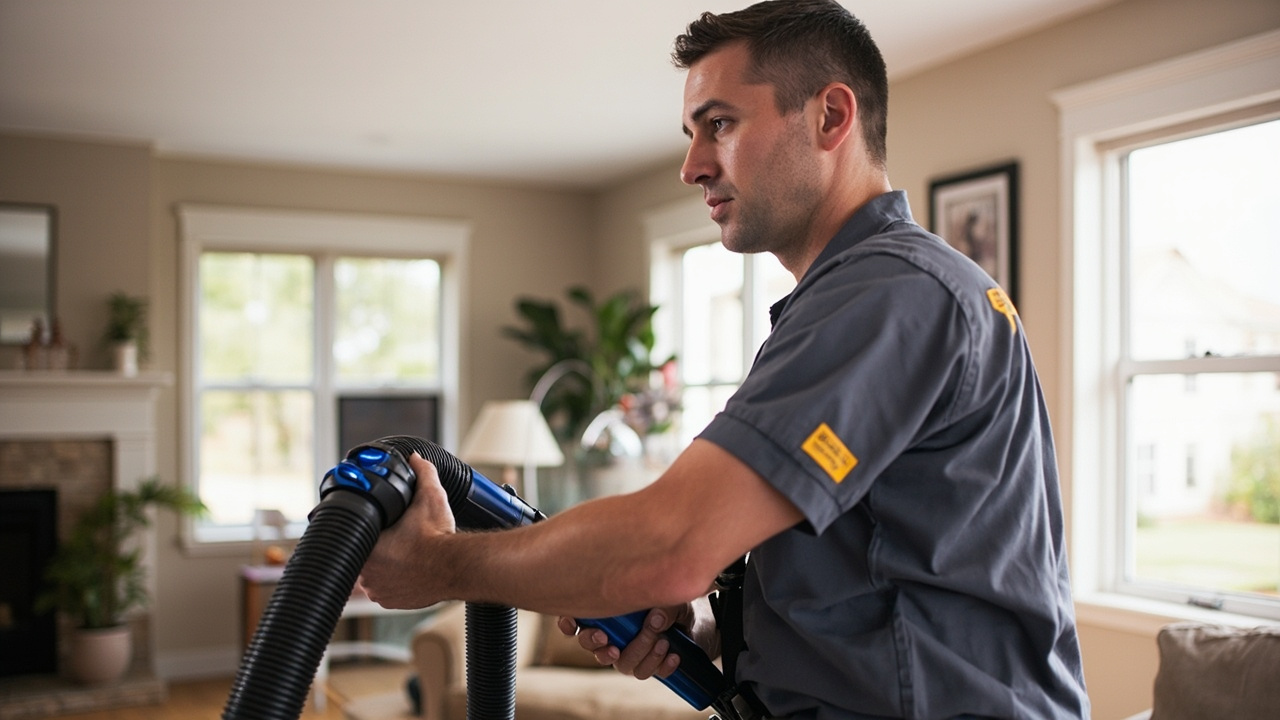
Professional Duct Cleaning in Culver City and Why It Matters for Your HomeCulver City homeowners often ask if professional maintenance for their ventilation system is a necessary expense. Living in a vibrant area near the…
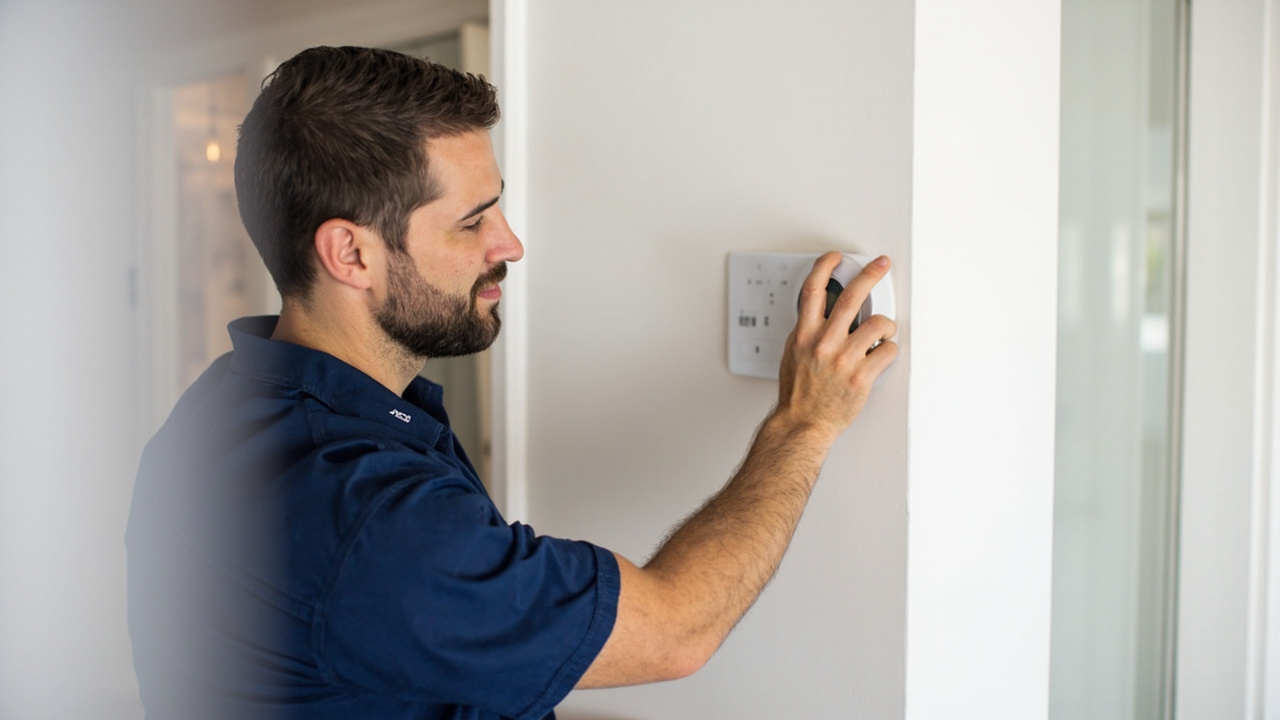
Venice Beach property owners face a unique set of challenges when managing heating and cooling…
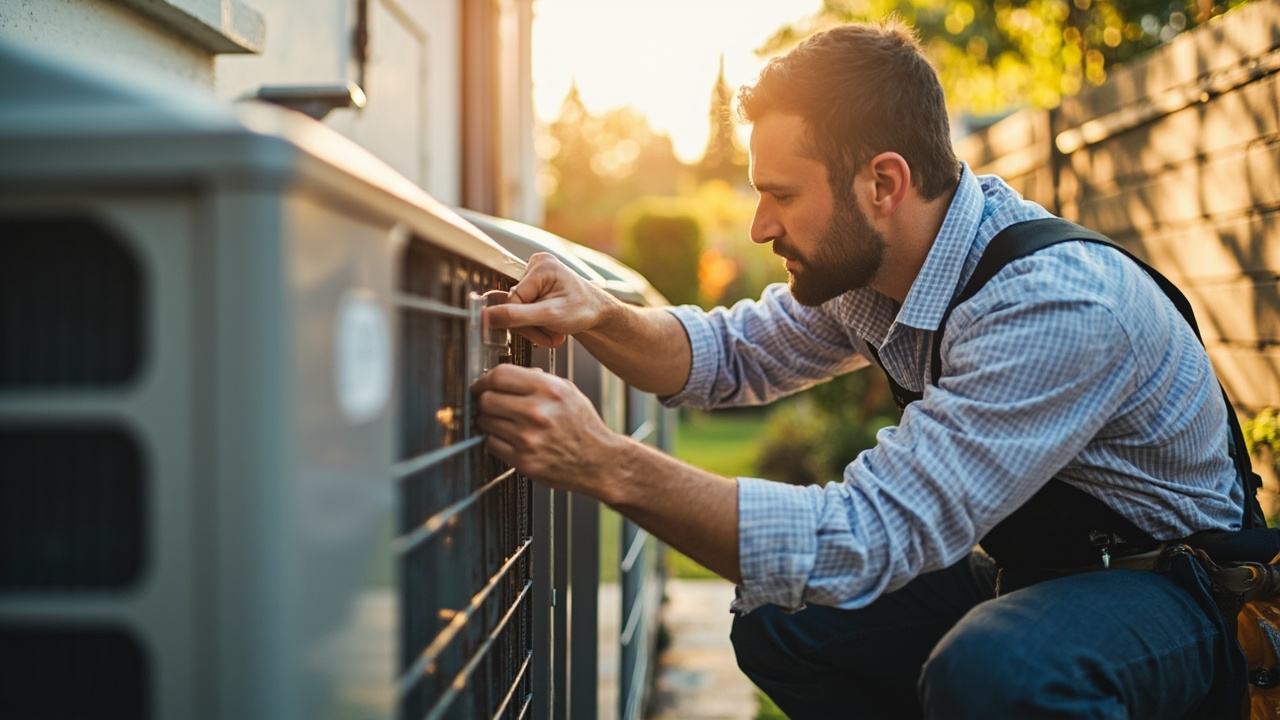
Sherman Oaks homeowners face a unique set of cooling challenges. The location between the Santa…
Switching From Gas to Electric Heating in Miracle Mile (And What It Costs) Miracle Mile…
Do not wait another hour with a broken heating or cooling system. Call A Plus HVAC Los Angeles right now at (310) 579-0040 for fast emergency service in El Monte. We answer calls 24/7 and dispatch technicians immediately for urgent repairs.
