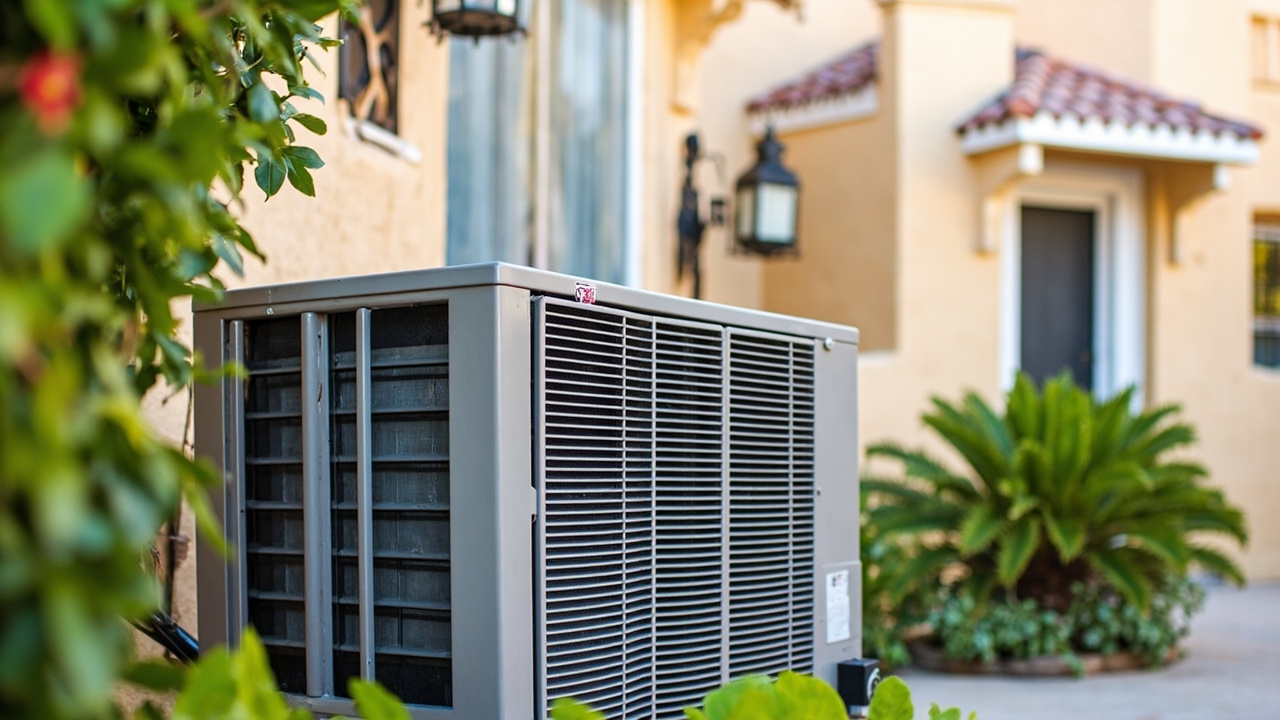







Los Angeles industrial facilities face compounding stress on chiller systems from urban heat island effects and electrical infrastructure limitations. Downtown manufacturing districts experience ambient temperatures 5 to 8 degrees higher than surrounding areas due to building density and pavement heat absorption. This elevated baseline forces air-cooled chillers to work against higher condenser temperatures, reducing capacity and increasing compressor runtime. The Los Angeles Department of Water and Power grid experiences voltage sags during peak summer demand periods, particularly affecting industrial corridors in Vernon and the Alameda Street manufacturing zone. These voltage drops starve compressor motors and trigger nuisance safety shutdowns that interrupt production. Facilities near the ports contend with additional challenges from marine layer humidity that accelerates corrosion and salt buildup on outdoor equipment.
A Plus HVAC Los Angeles maintains relationships with facilities throughout the industrial districts from downtown to the South Bay. We understand California Title 24 energy code requirements for economizer operation and refrigerant management regulations enforced by the South Coast Air Quality Management District. Our technicians recognize the infrastructure limitations common to older Los Angeles industrial buildings, including undersized electrical services and inadequate ventilation that compound cooling system stress. This local expertise allows us to recommend system modifications that improve reliability within the constraints of existing facilities. We coordinate with Los Angeles building inspectors for permit compliance when repairs involve refrigerant quantities requiring notification or electrical modifications affecting service capacity.