




menu

Outdoor Unit Not Spinning in Los Angeles | Fast Expert Diagnosis and Same-Day Repair

When your AC condenser fan stops working, A Plus HVAC Los Angeles provides rapid diagnosis and same-day outdoor unit repair to restore cooling fast in the greater Los Angeles metro.

Slider Image 1
Slider Image 2
Slider Image 3
Slider Image 4
Slider Image 5
Slider Image 7
Slider Image 8
Slider Image 9
Slider Image 10
Slider Image 11

Why Your AC Outdoor Unit Fan Stopped Working in Los Angeles

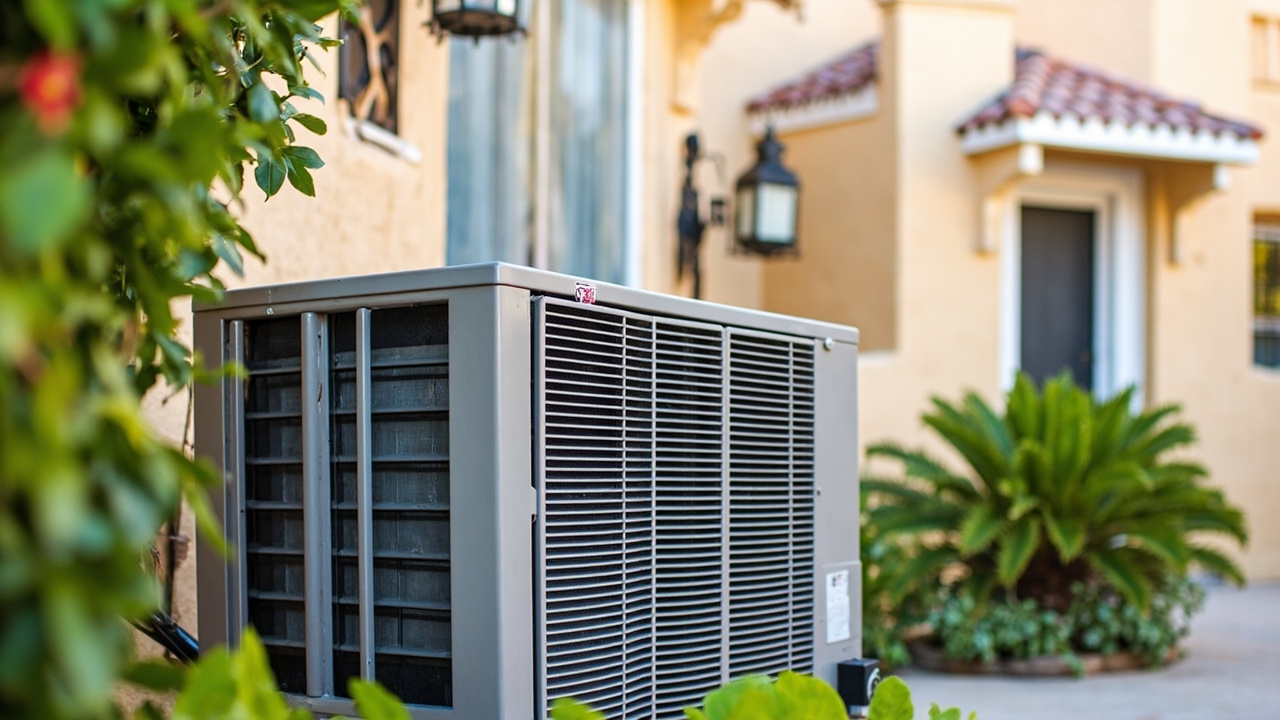
You step outside and notice something wrong. The air conditioner outdoor fan is not running. The compressor hums, but the fan blade sits still. Your house is getting warmer, and you know this problem will not fix itself.

In Los Angeles, outdoor units work overtime during the long cooling season that stretches from May through October. The combination of valley heat, coastal humidity, and airborne particulate from traffic creates a challenging environment for condenser fans. Dust accumulates on motor windings, capacitors degrade faster under sustained high temperatures, and fan blades corrode from salt air in coastal neighborhoods like Santa Monica and Venice.

When your condenser fan is not spinning, the problem stems from one of several mechanical or electrical failures. The capacitor, which provides the electrical surge needed to start the motor, often fails first under Los Angeles heat stress. Fan motors burn out after years of constant operation. Contractor relay switches stick. Fan blades seize when debris enters the housing.

The outside AC fan not turning creates immediate consequences. Your compressor runs without adequate heat exchange, causing refrigerant pressures to spike. Internal temperatures climb. The system struggles to cool your home and consumes excess electricity trying to compensate. If the compressor overheats and trips on its internal safety, you lose all cooling capacity.

Residents in Woodland Hills, Encino, and San Fernando Valley neighborhoods experience this problem frequently because of sustained triple-digit temperatures that push equipment beyond design limits. The unit that kept you comfortable last summer may fail this year because components reach their operational threshold.

Why Your AC Outdoor Unit Fan Stopped Working in Los Angeles
How We Diagnose and Repair Non-Spinning Condenser Fans

How We Diagnose and Repair Non-Spinning Condenser Fans

We arrive with diagnostic equipment designed to identify the exact failure point in your outdoor unit. Our technicians start with voltage testing at the contactor to verify power delivery to the fan motor circuit. We measure capacitance on the run capacitor and start capacitor if equipped, comparing readings against manufacturer specifications. A capacitor reading outside tolerance range gets replaced immediately.

When the capacitor tests good, we check for mechanical resistance by manually spinning the fan blade with power disconnected. If the blade turns freely, the problem is electrical. If the blade binds or drags, we inspect the motor bearings and shaft assembly for seizure. We test the fan motor directly with a multimeter, checking for continuity and proper resistance values on each winding. A motor with open windings or short circuits needs replacement.

We examine the contractor relay for contact wear, pitting, or carbon buildup that prevents proper closure. We verify the thermostat signal reaches the outdoor unit and triggers the contactor coil. We inspect wiring connections at the disconnect box, contactor, capacitor, and motor terminals for loose connections, corrosion, or heat damage.

For homes in Brentwood, Pacific Palisades, and coastal communities, we look for salt-induced corrosion on terminals and copper conductors. Inland areas like Burbank and Glendale see more dust infiltration that fouls contactors and motor windings.

Once we identify the failed component, we install manufacturer-approved replacement parts rated for your specific unit. We use quality run capacitors with proper microfarad ratings and voltage specifications. We mount new fan motors with vibration dampening hardware. We verify correct rotation direction and proper blade clearance before restoring power.

What Happens During Your Condenser Fan Repair

Outdoor Unit Not Spinning in Los Angeles | Fast Expert Diagnosis and Same-Day Repair
01

Emergency Diagnostic Assessment

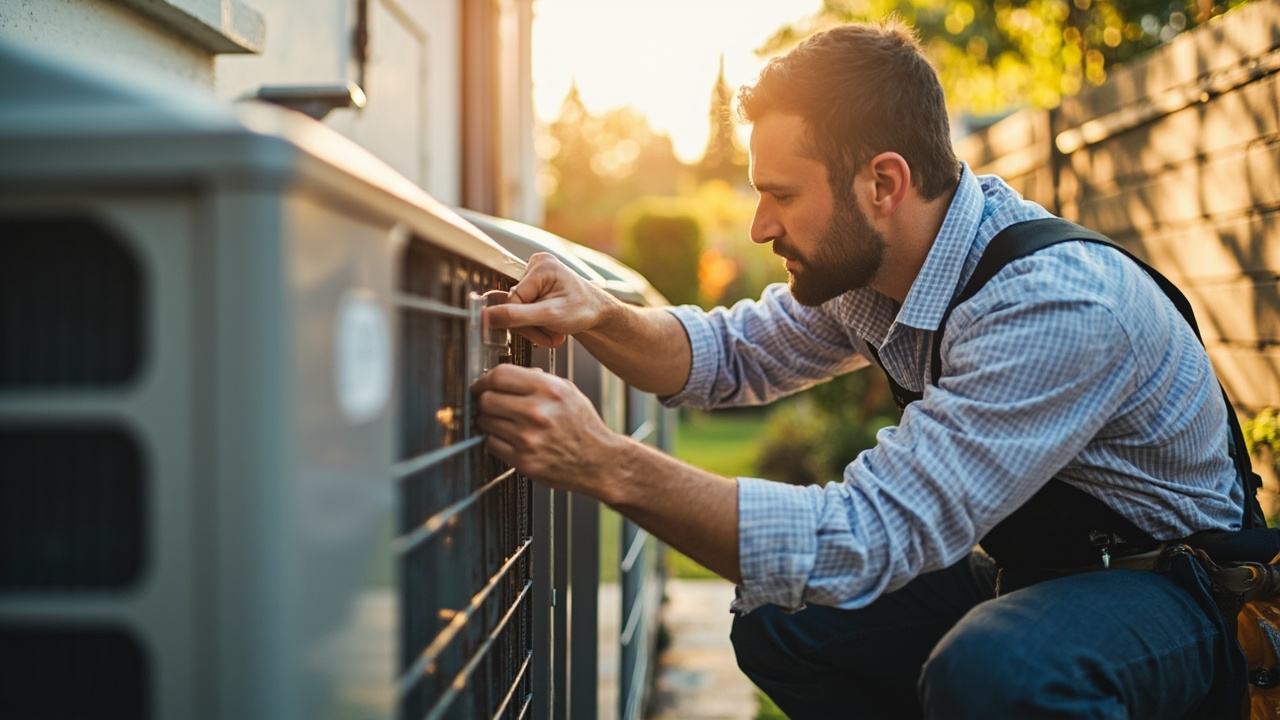
We arrive equipped to diagnose electrical and mechanical failures in your outdoor unit. You describe when the fan stopped and what sounds you heard. We power down the system at the disconnect and remove the top grille to access the fan assembly. Our technician performs voltage testing, capacitance measurement, and manual blade rotation checks to isolate the specific component causing your AC condenser fan not working condition.
02

Component Replacement

After identifying the failed part, we install the correct replacement component. Capacitor swaps take minutes. Motor replacements require disconnecting the old motor, mounting the new unit, and reconnecting all electrical leads with proper terminal crimps. We replace damaged contactors and burnt wiring. Every connection is tightened to torque specifications. We verify the fan blade is balanced and secured to the motor shaft before testing.
03

System Testing and Verification

We restore power and initiate a cooling cycle from your thermostat. We verify the condenser fan spins immediately when the compressor starts. We measure voltage and amperage draw to confirm the motor operates within normal parameters. We check refrigerant pressures to ensure proper heat rejection. We listen for abnormal noise and check for vibration. We confirm airflow direction and verify your system cools effectively before leaving your property.

Why Los Angeles Homeowners Choose A Plus HVAC for Condenser Fan Repairs

We specialize in diagnosing outdoor unit failures across every Los Angeles microclimate, from the salt air of Marina del Rey to the desert heat of the northeast valleys. Our technicians understand how local environmental factors accelerate component wear and adjust maintenance recommendations accordingly.

We stock replacement capacitors, fan motors, and contactors for major residential brands in our service vehicles. This means we complete most repairs during the first visit without waiting for parts orders. When your air conditioner outdoor fan is not running during a July heatwave, speed matters.

Our diagnostic approach eliminates guesswork. We test components systematically rather than swapping parts hoping to solve the problem. This saves you money and prevents unnecessary replacements. When we identify a failed capacitor, we also examine why it failed. A capacitor that burns out prematurely often signals voltage problems, compressor issues, or motor inefficiency that needs attention.

We provide transparent explanations of what failed and why. You see the damaged component. We explain how heat stress, electrical surges, or normal wear caused the failure. You understand whether this is routine maintenance or a symptom of larger system problems.

For properties in historic neighborhoods like Hancock Park and Windsor Square, we respect older home electrical systems and make recommendations that work within existing infrastructure. For newer construction in Playa Vista and downtown high-rises, we work with building management requirements and HOA guidelines.

We respond to condenser fan failures throughout greater Los Angeles, including Pasadena, Long Beach, Torrance, and Santa Clarita. Our technicians know local building codes and understand permit requirements for major component replacements.

What to Expect When You Call for Condenser Fan Repair

Same-Day Emergency Response

We dispatch technicians to condenser fan failures the same day you call. During peak summer demand, we prioritize complete system failures over routine maintenance. Our service vehicles carry common replacement parts including capacitors, contactors, and fan motors for major residential brands. Most repairs finish within two hours of arrival. You receive a phone call when the technician is en route with an estimated arrival window. We provide after-hours emergency service for urgent cooling loss situations.

Comprehensive Electrical and Mechanical Testing

Our diagnostic process includes voltage testing at the outdoor disconnect, capacitance measurement with precision meters, motor winding continuity checks, and contractor contact inspection. We manually rotate the fan blade to detect bearing failure or debris obstruction. We measure amp draw under load to identify motor efficiency problems. We inspect wiring for heat damage, corrosion, or loose connections. You receive a written assessment identifying the failed component and explaining why it failed. We provide repair options with upfront pricing before starting work.

Professional-Grade Component Installation

We install manufacturer-approved replacement parts rated for your specific unit. Run capacitors meet exact microfarad and voltage specifications. Replacement fan motors match original horsepower and rotation speed. We use proper terminal connectors and heat-shrink insulation on all electrical connections. We mount motors with vibration dampening hardware and verify proper blade clearance. We test system operation under load and measure refrigerant pressures to confirm proper heat rejection. Your outdoor unit runs quietly and efficiently after repair completion.

Post-Repair System Monitoring

After completing your condenser fan repair, we provide guidance on monitoring system performance. We explain what normal operation sounds like and what symptoms indicate developing problems. We recommend seasonal maintenance intervals based on your equipment age and local environmental factors. If you experience repeated component failures, we investigate underlying causes like voltage irregularities, refrigerant issues, or compressor problems. We maintain service records for your system and track component replacement history to identify patterns.

Frequently Asked Questions

You Have Questions,
We Have Answers

Why is my outside unit not spinning? +

Your outside unit stops spinning due to several common causes. A tripped breaker cuts power to the condenser. A failed capacitor prevents the motor from starting. The fan motor itself can burn out from age or overheating. Debris like leaves or sticks can jam the blades. In Los Angeles, dust and fine particulates from Santa Ana winds clog the unit and strain components. A faulty thermostat may fail to signal the condenser. Loose wiring causes intermittent power loss. Refrigerant leaks reduce system pressure and trigger safety shutoffs. Each problem requires different fixes, so accurate diagnosis matters.

What is the problem if the fan is not spinning? +

When your fan stops spinning, the condenser cannot release heat. Your refrigerant stays hot and the compressor works harder. This overheats the system and risks compressor failure, an expensive repair. The capacitor may be weak or dead. The motor itself can seize from wear or lack of lubrication. Electrical issues like burnt contactors prevent the motor from receiving power. In older Los Angeles homes with outdated wiring, voltage drops affect motor performance. A frozen fan blade or bent blade also prevents rotation. Ignoring a non-spinning fan leads to total system breakdown.

Why is my AC unit making a sound but not spinning? +

Your AC makes noise but the fan does not spin because the compressor runs while the fan motor fails independently. A bad capacitor prevents fan startup even though the compressor hums. The fan motor bearings seize, causing grinding or buzzing sounds. Electrical issues energize the contactor but not the motor. Debris jams the blade while the unit tries to operate. In Los Angeles, hard water scale and mineral buildup from rooftop installations add resistance. A failed start relay clicks repeatedly without engaging the motor. This scenario stresses the compressor and requires immediate attention to prevent catastrophic damage.

Should I turn off my AC if the fan isn't spinning? +

Yes, turn off your AC immediately if the fan stops spinning. Running the system without fan operation causes the compressor to overheat rapidly. Refrigerant cannot release heat, raising internal pressure to dangerous levels. The compressor works against excessive resistance and burns out within hours. This turns a simple fan repair into a total system replacement. In Los Angeles heat, a disabled unit already struggles. Shut down at the thermostat and the breaker panel. Call a technician before restarting. Continuing operation guarantees expensive damage. Protect your investment by acting fast when you notice the problem.

How much does it cost to fix a AC fan not spinning? +

Repair costs depend on the root cause. A capacitor replacement runs low in price. Fan motor replacement costs more due to parts and labor. Compressor damage from delayed repairs escalates costs significantly. Los Angeles service rates reflect local labor markets and travel distances across the metro. Diagnostic fees apply before repairs begin. Age and unit accessibility affect labor time. Rooftop installations common in commercial buildings add complexity. Warranty status on parts reduces expense. Emergency service during extreme heat increases rates. Preventive maintenance catches problems early and avoids expensive failures. Multiple failed components raise total costs substantially.

How do you reset your outside AC unit? +

Reset your outside AC unit by turning off the thermostat first. Locate your electrical panel and flip the breaker for the condenser to OFF. Wait five full minutes to discharge capacitors and reset internal controls. Flip the breaker back to ON. Return to the thermostat and set it to COOL below current room temperature. The unit should start within minutes. In Los Angeles, high temperatures cause thermal overloads that require longer cool-down periods. If the unit fails to restart or trips the breaker again, stop attempts and call a technician. Repeated resets without fixing the problem cause additional damage.

How do I know if my fan motor is blown? +

A blown fan motor shows clear symptoms. The motor hums or buzzes but the blade does not turn. You smell burning plastic or electrical odors near the unit. The motor housing feels extremely hot to touch. The shaft does not rotate freely when you spin the blade by hand with power off. In Los Angeles installations exposed to direct sun, motors overheat faster and fail prematurely. A multimeter test shows no continuity across motor windings. Capacitor tests may pass, confirming motor failure. Visible burn marks on wiring or the motor casing indicate catastrophic failure. Replace the motor rather than attempt repairs.

Can you spray WD-40 in a fan motor? +

No, never spray WD-40 in a fan motor. WD-40 is a solvent, not a lubricant, and attracts dust that gums up bearings. It degrades motor windings and insulation. Modern sealed motors require no external lubrication. Older motors with oil ports need specific motor oil, not penetrating spray. In dusty Los Angeles conditions, WD-40 creates a sticky paste that seizes components faster. The propellant damages electrical contacts. Use only manufacturer-recommended lubricants if your motor has designated oil ports. Most residential condensers use sealed bearings that last the motor's lifetime. Improper lubrication voids warranties and accelerates failure.

How do I make my fan spin again? +

First, shut off power at the breaker. Check for debris blocking the blade and remove it. Inspect the capacitor for bulging or leaking, common failure signs. Test the capacitor with a multimeter if you have electrical knowledge. Spin the blade by hand. If it moves freely, the motor may be good but the capacitor failed. If the blade resists or the shaft does not turn, the motor bearings seized. In Los Angeles, annual maintenance prevents most spinning failures by catching worn parts early. Replace failed components rather than attempting temporary fixes. Improper repairs create safety hazards and void insurance claims.

What is the $5000 rule for AC? +

The $5,000 rule suggests replacing your AC unit if repair costs exceed half the system's value. If your unit is older and repair estimates approach this threshold, replacement makes better financial sense. Factor in efficiency gains from new units. Los Angeles energy rates make efficient systems valuable. A 15-year-old unit needing major repairs like compressor replacement often justifies full replacement. New systems include warranties and lower operating costs. Evaluate refrigerant type. Older R-22 systems face expensive refrigerant costs. Modern units use R-410A. Calculate payback period on energy savings. This rule guides decision-making but consider your specific circumstances.

How Los Angeles Heat and Coastal Air Affect Outdoor Unit Longevity

Los Angeles outdoor units face unique operational stress from the combination of sustained high temperatures and salt-laden coastal air. Valley neighborhoods regularly see 100-plus degree days that keep condenser fans running 12 to 16 hours daily throughout summer. This constant operation degrades capacitors faster than in milder climates. Coastal areas from Malibu to San Pedro experience accelerated corrosion on motor windings, fan blades, and electrical terminals from salt particulate carried inland by ocean breezes. The dense urban environment adds another layer of challenge as exhaust particulate, construction dust, and industrial emissions coat condenser coils and infiltrate motor housings.

Working exclusively in the Los Angeles basin gives our technicians deep familiarity with how local conditions affect equipment. We know which brands hold up better in Venice salt air versus Northridge valley heat. We understand that units installed in Pasadena foothill communities collect more dust than those in Culver City. We adjust maintenance recommendations based on your specific microclimate and installation environment. This local expertise means we diagnose problems faster and provide solutions that account for the environmental factors your outdoor unit faces daily.
HVAC Services in The Los Angeles Area

Want to know if we service your neighborhood? Use the map below to see our local coverage. A Plus proudly serves Los Angeles and nearby communities with fast response times and top-tier HVAC expertise. Whether you're downtown or in the suburbs, we're just a call away. Our mobile team is equipped to reach you quickly and solve your HVAC issues efficiently. Don’t hesitate to reach out—comfort and reliability are closer than you think.

Address:
A Plus HVAC Los Angeles, 1901 Ave of the Stars, Los Angeles, CA, 90067

Additional Services We Offer

Our news updates

Latest Articles & News from The Blogs

Sherman Oaks homeowners face a unique set of cooling challenges. The location between the Santa Monica Mountains and the flatlands…

Full AC Replacement Costs for Sherman Oaks Homeowners

Sherman Oaks homeowners face a unique set of cooling challenges. The location between the Santa Monica Mountains and the flatlands…

Switching From Gas to Electric Heating in Miracle Mile (And What It Costs)

Switching From Gas to Electric Heating in Miracle Mile (And What It Costs) Miracle Mile homeowners are moving toward all…

HVAC Strategies for Quiet Home Recording Studios in Toluca Lake

Precision HVAC Solutions for Los Angeles Recording StudiosHome studio owners in Toluca Lake face a unique set of challenges when…

Contact Us

Your outdoor unit needs immediate attention when the fan stops spinning. Call A Plus HVAC Los Angeles now at (310) 579-0040 for same-day diagnosis and repair. We arrive equipped to fix the problem and restore cooling fast.