




menu

HVAC Maintenance & Tune-Ups in Los Angeles | Keep Your System Running Through Every Heatwave and Wildfire Season

Professional heating and cooling tune ups protect your comfort when Los Angeles temperatures swing from 110-degree summer peaks to unexpected winter lows, preventing breakdowns during the seasons you need your system most.

Slider Image 1
Slider Image 2
Slider Image 3
Slider Image 4
Slider Image 5
Slider Image 7
Slider Image 8
Slider Image 9
Slider Image 10
Slider Image 11

Why Los Angeles Climate Demands Year-Round HVAC Preventative Maintenance

Your HVAC system in Los Angeles works harder than you think. Summer temperatures regularly hit triple digits in the Valley while coastal neighborhoods stay 20 degrees cooler. That temperature variance forces your air conditioner to cycle constantly, wearing down capacitors, contactors, and compressor components faster than systems in more stable climates.

Wildfire season adds another layer of stress. Smoke and ash particles infiltrate your system through outdoor condenser units, clogging coils and reducing heat transfer efficiency. When your AC struggles to cool during a heatwave because coils are covered in particulate matter, your energy bills spike and your comfort disappears.

Los Angeles's low humidity also creates problems most homeowners miss. Dry air causes evaporator coils to accumulate dust instead of washing it away through condensation. That dust layer acts as insulation, forcing your furnace and AC to run longer cycles to reach set temperatures. You pay more every month without realizing the cause.

Seasonal HVAC check ups catch these issues before they cascade into expensive failures. A heating and cooling tune up identifies refrigerant leaks, tests electrical connections, measures airflow, and cleans components that directly impact system performance. Regular AC and furnace maintenance extends equipment lifespan by years, not months.

Without consistent HVAC system inspection, small problems multiply. A dirty flame sensor causes your furnace to short cycle. Low refrigerant reduces cooling capacity by 20 percent. A failing capacitor leaves you without AC on the hottest day of August. Professional preventative maintenance stops these failures before they start.

Why Los Angeles Climate Demands Year-Round HVAC Preventative Maintenance
How Professional HVAC System Inspection Prevents Breakdowns

How Professional HVAC System Inspection Prevents Breakdowns

A proper heating and cooling tune up goes far beyond changing filters. We start with electrical testing because loose connections cause 40 percent of HVAC failures in Los Angeles. High resistance in contactors creates heat buildup that degrades components. We measure voltage and amperage at every connection point, tightening terminals and replacing worn contactors before they fail.

Refrigerant charge testing comes next. Los Angeles heat makes even small refrigerant leaks problematic. We use electronic leak detectors and pressure gauges to verify your system holds the exact charge specified by the manufacturer. Overcharged systems waste energy and damage compressors. Undercharged systems freeze evaporator coils and leave you sweating through summer nights.

Combustion analysis separates basic service from professional HVAC preventative maintenance. We test your furnace's heat exchanger for cracks, measure flame characteristics, and verify proper venting. Natural gas furnaces in older Los Angeles homes sometimes develop heat exchanger failures that leak carbon monoxide. Our diagnostic equipment catches these safety issues before they endanger your family.

Airflow measurement tells us what your ducts are doing. We calculate temperature splits across your evaporator coil and check static pressure in your ductwork. Poor airflow causes premature compressor failure and creates hot spots in your home. Sometimes the fix is simple duct sealing. Other times we find undersized return air grilles that have choked your system for years.

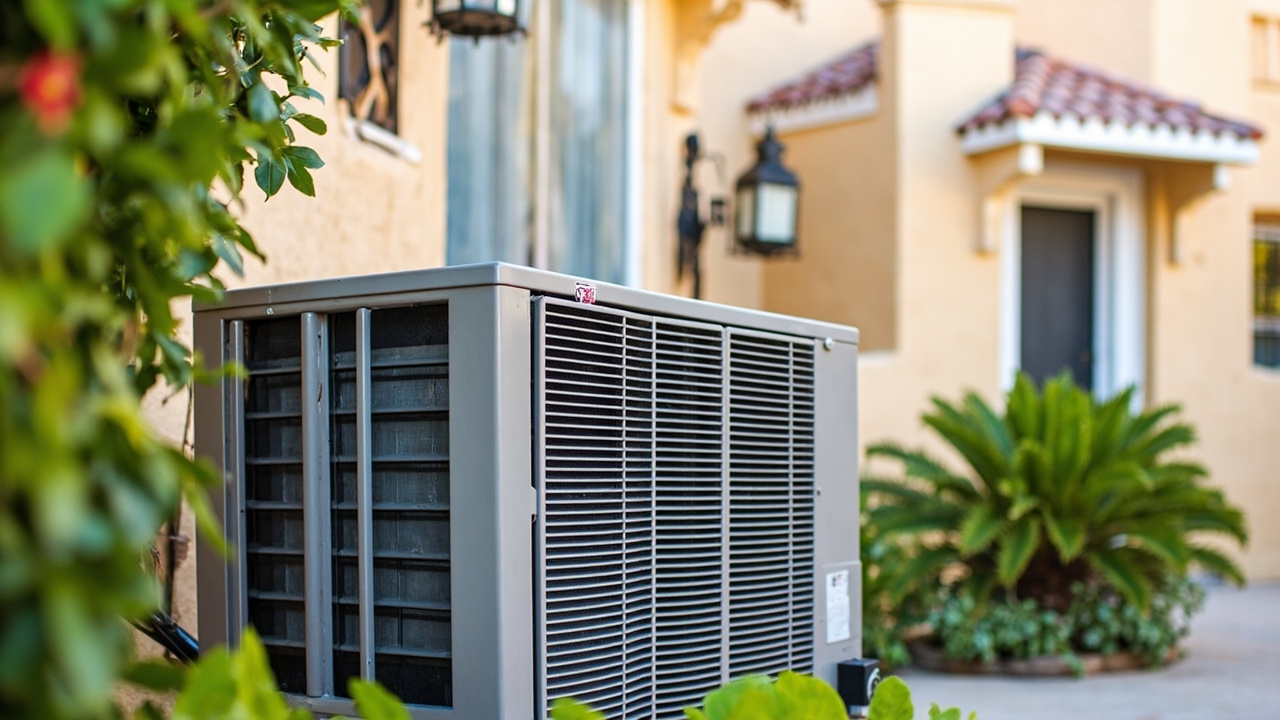
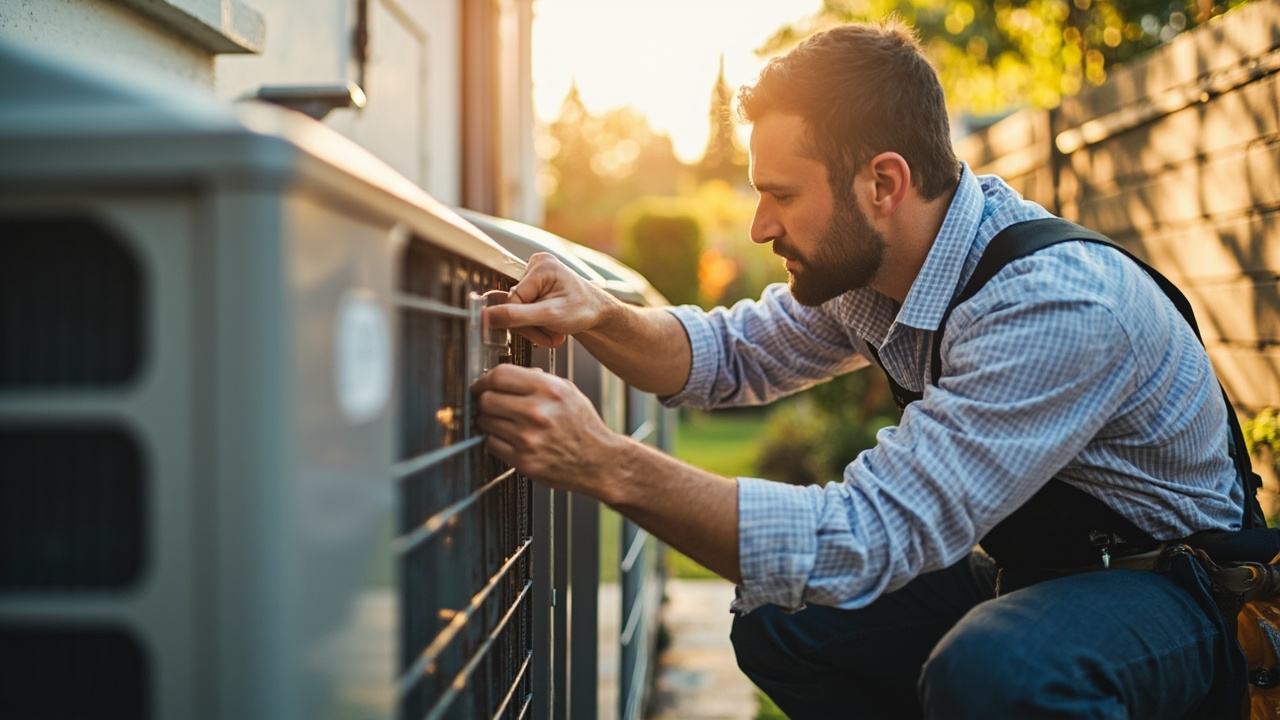
Condenser coil cleaning makes the biggest immediate difference. Los Angeles air carries dust from construction, pollen from landscaping, and ash from seasonal fires. We chemically clean outdoor coils to restore heat rejection capacity, then verify fan motor operation and blade balance.

What Happens During Your Los Angeles HVAC Tune Up

HVAC Maintenance & Tune-Ups in Los Angeles | Keep Your System Running Through Every Heatwave and Wildfire Season
01

System Diagnostic Testing

We arrive with diagnostic meters and testing equipment, not just hand tools. Your technician measures voltage at your disconnect, tests capacitor microfarad ratings, and checks refrigerant pressures before touching anything else. This baseline data shows us exactly what your system is doing right now, not what we think it should be doing based on age or appearance.
02

Component Cleaning and Calibration

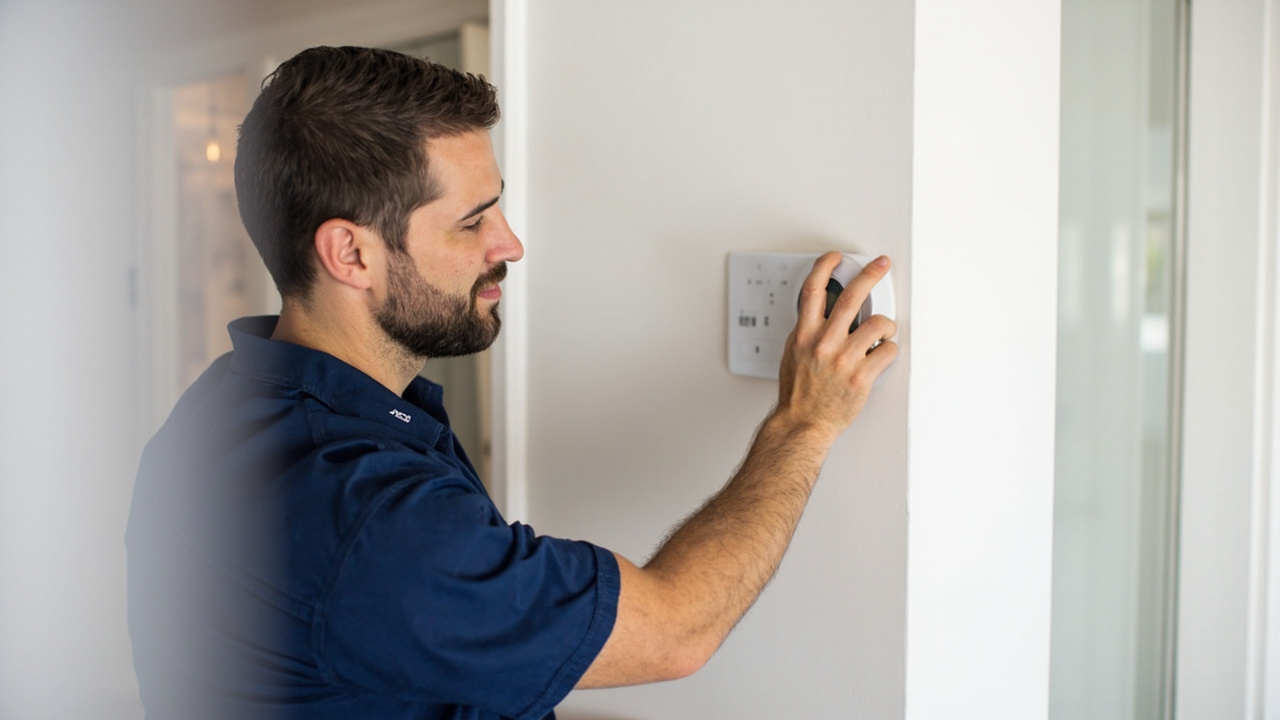
After diagnostics, we clean and recalibrate the components that affect performance. Condenser coils get chemical treatment to remove embedded particulate. We clean flame sensors, adjust gas valve pressure, lubricate blower motors, and verify thermostat calibration. Every adjustment gets documented with before and after measurements so you see exactly what changed and why it matters for your comfort.
03

Performance Verification and Reporting

We retest everything after service to verify improvements. You get a detailed report showing refrigerant pressures, temperature splits, electrical readings, and airflow measurements. We explain what we found, what we fixed, and what might need attention in the next six months. No surprises, no upselling, just transparent information about your equipment so you can make informed decisions.

Why Los Angeles Homeowners Trust A Plus HVAC for Preventative Maintenance

Los Angeles spans 503 square miles with microclimates that change every few miles. A maintenance plan that works in Santa Monica might miss critical issues in Woodland Hills. We understand how coastal humidity affects indoor coils differently than Valley heat affects outdoor condensers.

Our technicians train specifically on the equipment most common to Southern California. Los Angeles homes predominantly use split systems with outdoor condensers exposed to intense UV radiation and temperature extremes. We know which capacitor brands fail early in desert heat, which contactors pit quickly from frequent cycling, and which refrigerant leaks develop in systems over seven years old.

Building codes matter too. Los Angeles requires specific ventilation standards and combustion air requirements that differ from surrounding counties. When we service your furnace, we verify compliance with current LA Department of Building and Safety standards, not generic national codes. That attention to local requirements protects you during home sales and insurance claims.

We also understand the seasonal patterns that affect your HVAC system. Santa Ana winds bring dust and debris that clog outdoor units in fall. June gloom keeps coastal systems from running much, which causes different maintenance needs than Valley systems that run nonstop. Your seasonal HVAC check up timing should match your specific neighborhood's climate patterns.

A Plus HVAC Los Angeles builds maintenance schedules around your equipment and location, not generic templates. If you live near the 405 freeway, your condenser coils need more frequent cleaning because of brake dust and exhaust particulate. If you are in the hills above Malibu, we watch for corrosion from salt air. Local expertise means catching problems specific to your address.

What You Can Expect from Professional HVAC Maintenance

Service Scheduling and Response Time

We schedule your heating and cooling tune up during off-peak hours when we can give your system complete attention without rushing to emergency calls. Most seasonal HVAC check ups take 90 minutes to two hours depending on equipment age and configuration. We offer morning and afternoon windows, and we call 30 minutes before arrival so you are not waiting around all day. If you are on a maintenance plan, we contact you proactively before each season to book your appointment, taking that task off your plate completely.

Comprehensive System Evaluation

Your HVAC system inspection covers 37 separate checkpoints across heating and cooling components. We test safety controls, measure temperature rises, verify proper flame characteristics, check refrigerant superheat and subcooling, inspect electrical connections, and evaluate ductwork condition. You receive a written report detailing every measurement and observation. If we find issues, we explain the problem, the risk if left unaddressed, and your options for correction. We prioritize items by urgency so you understand what needs immediate attention versus what can wait until next season.

Guaranteed Performance Improvements

After your AC and furnace maintenance, your system runs more efficiently and reliably. You will notice more consistent temperatures between rooms, quieter operation, and lower energy bills. We measure and document performance improvements so you see the value of preventative service. Most customers report 10 to 15 percent reductions in monthly energy costs after their first professional tune up, especially if the system has gone years without proper maintenance. Better performance also means fewer breakdowns during peak seasons when you need your HVAC system most.

Ongoing Maintenance Planning

We do not just service your system and disappear. Your technician creates a customized maintenance timeline based on equipment age, usage patterns, and your specific Los Angeles microclimate. Coastal homes might need annual service while Valley homes in high-dust areas benefit from bi-annual visits. We track service history, parts replacements, and performance trends so each visit builds on the last. Our maintenance plans include priority scheduling and discounted rates on repairs, giving you peace of mind that your comfort system stays protected year-round.

Frequently Asked Questions

You Have Questions,
We Have Answers

How much should a HVAC tune up cost? +

HVAC tune-up costs in Los Angeles typically range from $75 to $200 per unit, depending on your system type and the scope of service. Single-zone systems cost less than multi-zone or commercial setups. Prices vary based on whether you need a furnace tune-up, AC tune-up, or both. Many contractors offer seasonal promotions or maintenance plans that reduce per-visit costs. Coastal areas like Santa Monica may see higher rates due to salt air corrosion concerns. Always ask what the service includes before booking. A cheap tune-up that skips refrigerant checks or blower cleaning saves you nothing long-term.

What does a HVAC tune up include? +

A comprehensive HVAC tune-up includes inspection of all major components, cleaning the condenser coils and evaporator, checking refrigerant levels, testing thermostat calibration, lubricating moving parts, tightening electrical connections, inspecting ductwork for leaks, and replacing or cleaning air filters. The technician tests airflow, measures temperature differential, and inspects the blower motor and belt. For furnaces, they check the heat exchanger for cracks and test carbon monoxide levels. In Los Angeles, technicians often focus on AC components due to year-round cooling demands. A proper tune-up takes 60 to 90 minutes and addresses both performance and safety concerns.

What is the difference between HVAC tune up and maintenance? +

The terms are often used interchangeably, but there is a distinction. HVAC maintenance is the ongoing process of keeping your system running, including filter changes, visual inspections, and minor adjustments you or a technician perform throughout the year. A tune-up is a specific, comprehensive service event where a technician performs a full diagnostic checklist, tests system performance, and makes necessary adjustments. Think of maintenance as daily brushing and flossing, while a tune-up is your annual dental exam. In Los Angeles, consistent maintenance between tune-ups helps your system handle extended cooling seasons without breakdowns.

What is the $5000 rule for HVAC? +

The $5,000 rule is a replacement decision guideline. Multiply the cost of repairs by the age of your system in years. If the result exceeds $5,000, replacement makes more financial sense than repair. For example, a $500 repair on a 12-year-old unit equals $6,000, suggesting replacement. A $500 repair on a 5-year-old unit equals $2,500, making repair the better choice. This rule helps you avoid throwing money at an aging system. In Los Angeles, where AC units work harder due to extended heat, systems often reach the replacement threshold around 12 to 15 years.

Is a HVAC tune-up worth it? +

Yes. A tune-up prevents 95 percent of system failures, extends equipment life by 3 to 5 years, and maintains efficiency ratings that keep energy bills low. In Los Angeles, where AC units run nearly year-round, skipping tune-ups causes refrigerant leaks, compressor failure, and dirty coils that increase runtime by 30 percent. A $150 tune-up saves you from $300 to $800 emergency repairs and keeps your warranty valid. Most manufacturers require annual maintenance to honor coverage. You also avoid indoor air quality issues from clogged filters and mold growth in drain pans.

What is the 3 minute rule for AC? +

The 3-minute rule protects your compressor from short cycling damage. After your AC shuts off, refrigerant pressure needs 3 minutes to equalize between the high and low sides of the system. Restarting too soon forces the compressor to start against high pressure, causing electrical strain and premature wear. Modern thermostats include a built-in delay to enforce this rule. If your system cycles on and off rapidly, you have a problem. In Los Angeles, where units run long hours during heat waves, respecting this rule prevents compressor burnout, which costs $1,500 to $3,000 to replace.

What is the average cost of a full tune up? +

The average cost for a full HVAC tune-up in Los Angeles runs $100 to $175 for a single-zone residential system. This covers both heating and cooling components. Dual-zone or whole-home systems cost $150 to $250 because the technician services multiple air handlers or zones. Commercial systems cost more due to size and complexity. Prices increase if repairs are needed beyond the standard tune-up checklist. Some companies bundle tune-ups into annual maintenance agreements that include priority service and discounts on repairs. Get quotes from three local contractors and compare what each service includes before committing.

How long does a HVAC tune up take? +

A thorough HVAC tune-up takes 60 to 90 minutes for a standard residential system. The technician inspects both indoor and outdoor units, cleans coils, checks refrigerant, tests electrical connections, and calibrates the thermostat. Larger homes with multiple zones or ductwork issues may take 2 hours. If the technician finds problems like a refrigerant leak or worn capacitor, diagnostic and repair time extends the visit. In Los Angeles, techs often spend extra time on condenser coils because dust and smog buildup reduces efficiency. Quick 20-minute tune-ups that skip critical steps are not true maintenance visits.

How do I know if my AC needs a tune up? +

Your AC needs a tune-up if you notice weak airflow, warm air from vents, unusual noises like grinding or squealing, frequent cycling, rising energy bills, or musty odors. Visual signs include ice on refrigerant lines, water pooling near the indoor unit, or the outdoor fan not spinning. In Los Angeles, many systems run 8 to 10 months per year, so annual tune-ups are non-negotiable. If your last service was over 12 months ago, schedule one now. Waiting until the system fails during a Santa Ana heat event leaves you without cooling for days during peak demand.

What are the 4 types of maintenance? +

The four types of maintenance are preventive, predictive, corrective, and reactive. Preventive maintenance includes scheduled tune-ups and inspections to stop failures before they happen. Predictive maintenance uses diagnostics and monitoring to spot issues early. Corrective maintenance fixes minor problems during routine service before they worsen. Reactive maintenance is emergency repair after a breakdown. HVAC tune-ups fall under preventive maintenance. In Los Angeles, where cooling is critical year-round, relying on reactive maintenance costs you more in emergency fees, lost comfort, and shortened equipment life. Shift to preventive service with annual tune-ups to avoid crisis calls.

How Los Angeles Air Quality and Urban Heat Islands Affect Your HVAC Maintenance Needs

Los Angeles ranks among the worst cities in America for air quality, with ozone and particulate matter regularly exceeding EPA standards during summer months. Your outdoor condenser unit sits in this environment 24/7, pulling contaminated air across aluminum fins and copper coils. Smog deposits create an acidic film that corrodes metal components and traps heat-blocking debris. Urban heat island effect compounds the problem. Concrete and asphalt in dense neighborhoods like Koreatown and Downtown LA raise ambient temperatures 5 to 7 degrees higher than surrounding areas, forcing your AC to work against superheated air. Regular HVAC preventative maintenance removes these environmental contaminants before they permanently damage expensive components or reduce cooling capacity when you need it most during triple-digit heatwaves.

Los Angeles building codes and climate zones create specific maintenance requirements that generic service companies often miss. The city spans multiple HVAC climate zones, from coastal Zone 6 to inland Zone 10, each with different sizing requirements and efficiency standards. Equipment that works perfectly in Redondo Beach will struggle in Northridge because of different humidity levels and temperature extremes. A Plus HVAC Los Angeles trains technicians on these hyperlocal variations so your seasonal HVAC check up addresses the specific challenges your equipment faces at your address. We also stay current on LA Department of Building and Safety updates that affect ventilation requirements, combustion air standards, and refrigerant regulations. That local expertise means your system stays compliant and efficient regardless of which Los Angeles neighborhood you call home.
HVAC Services in The Los Angeles Area

Want to know if we service your neighborhood? Use the map below to see our local coverage. A Plus proudly serves Los Angeles and nearby communities with fast response times and top-tier HVAC expertise. Whether you're downtown or in the suburbs, we're just a call away. Our mobile team is equipped to reach you quickly and solve your HVAC issues efficiently. Don’t hesitate to reach out—comfort and reliability are closer than you think.

Address:
A Plus HVAC Los Angeles, 1901 Ave of the Stars, Los Angeles, CA, 90067

Additional Services We Offer

Our news updates

Latest Articles & News from The Blogs

Sherman Oaks homeowners face a unique set of cooling challenges. The location between the Santa Monica Mountains and the flatlands…

Full AC Replacement Costs for Sherman Oaks Homeowners

Sherman Oaks homeowners face a unique set of cooling challenges. The location between the Santa Monica Mountains and the flatlands…

Switching From Gas to Electric Heating in Miracle Mile (And What It Costs)

Switching From Gas to Electric Heating in Miracle Mile (And What It Costs) Miracle Mile homeowners are moving toward all…

HVAC Strategies for Quiet Home Recording Studios in Toluca Lake

Precision HVAC Solutions for Los Angeles Recording StudiosHome studio owners in Toluca Lake face a unique set of challenges when…

Contact Us

Do not wait for a breakdown during the hottest week of summer or coldest night of winter. Call A Plus HVAC Los Angeles at (310) 579-0040 right now to schedule your heating and cooling tune up. We will test, clean, and optimize your system so it runs efficiently when you need it most.