




menu

Zone Control Systems in Los Angeles – End Hot and Cold Spots with Multi-Zone Temperature Control

Stop wasting energy on rooms you're not using. Zone control systems give you independent temperature control for every area of your home or business, cutting utility bills while keeping everyone comfortable in Los Angeles's variable microclimates.

Slider Image 1
Slider Image 2
Slider Image 3
Slider Image 4
Slider Image 5
Slider Image 7
Slider Image 8
Slider Image 9
Slider Image 10
Slider Image 11

Why Los Angeles Homes Waste Money on Single-Zone Heating and Cooling

You crank the thermostat to cool the bedroom, but now the living room feels like a freezer. Or the upstairs stays 10 degrees warmer than the first floor, no matter what you do. This is the frustration of single-zone HVAC systems in Los Angeles, where sprawling floor plans and multiple stories create uneven temperature zones.

Los Angeles homes face unique challenges. Coastal areas near Santa Monica and Venice deal with marine layer mornings that burn off by noon, creating temperature swings within hours. Inland neighborhoods like Studio City and Sherman Oaks see 15-degree differences between morning and afternoon. Multi-story homes trap heat upstairs while basements stay cold. Rooms with large windows gain heat faster than interior spaces. A single thermostat cannot compensate for these variables.

Traditional forced air systems treat your entire home as one zone. The thermostat reads one temperature in one location, usually a hallway, and makes decisions for every room. This creates hot and cold spots, forces you to overcool or overheat certain areas, and drives up utility bills as your system works harder to balance unbalanced loads.

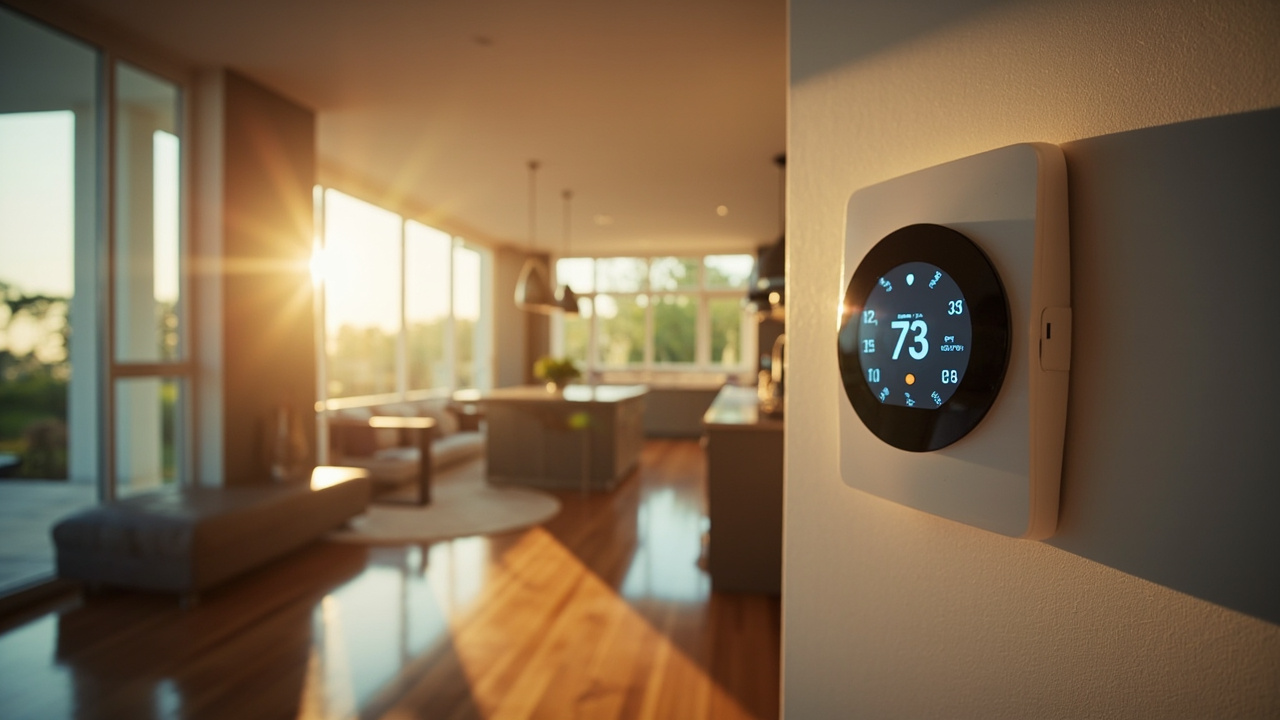
HVAC zoning systems solve this problem by dividing your home into separate zones, each with independent temperature control. Motorized dampers in your ductwork open and close to direct airflow only where it's needed. Each zone gets its own thermostat. The second floor can stay cooler while the first floor warms up. Unused guest rooms stay off. Bedrooms cool down at night while living areas maintain daytime temperatures. This is zoned heating and cooling, and it's how Los Angeles residents stop wasting energy on empty spaces.

Why Los Angeles Homes Waste Money on Single-Zone Heating and Cooling
How Multi-Zone HVAC Systems Cut Energy Waste and Improve Comfort

How Multi-Zone HVAC Systems Cut Energy Waste and Improve Comfort

A central air zoning system works by installing motorized dampers inside your existing ductwork. These dampers act as gates, opening and closing to control airflow to specific zones. Each zone has its own thermostat that communicates with a central control panel. When a zone calls for heating or cooling, the control panel opens the dampers for that zone and signals your HVAC equipment to run. Other zones stay closed.

The result is precision. You set the upstairs bedrooms to 68 degrees for sleeping. The downstairs living area stays at 72 degrees. The home office cools to 70 degrees during work hours, then goes into setback mode when you're done. Each zone operates independently, so you're not conditioning spaces you're not using.

This approach cuts energy consumption by 20 to 30 percent in most Los Angeles homes. Your HVAC system runs less because it's not fighting to cool the entire house when only two rooms need it. Equipment strain decreases. Compressor cycles shorten. Blower runtime drops. These efficiency gains extend the lifespan of your furnace and air conditioner while lowering monthly utility bills.

Zoning also solves comfort complaints. Rooms with southern exposure no longer overheat while north-facing rooms stay cold. Multi-story homes achieve balanced temperatures across floors. Home offices, sunrooms, and converted garages get individual control instead of suffering as afterthoughts in a single-zone design. You eliminate the thermostat wars between family members who prefer different temperatures.

A Plus HVAC Los Angeles designs zoning systems based on your home's layout, sun exposure, occupancy patterns, and existing ductwork. We calculate zone loads, select damper locations, and integrate the system with your current equipment. The installation is surgical, not disruptive. Most homes need three to five zones for optimal performance.

What Happens During Your Zone Control System Installation

Zone Control Systems in Los Angeles – End Hot and Cold Spots with Multi-Zone Temperature Control
01

Home Assessment and Zone Mapping

We start by walking your home and identifying natural zones based on usage, sun exposure, floor level, and ductwork access. We measure each room's cooling and heating load, inspect your existing HVAC equipment for zoning compatibility, and evaluate your ductwork for damper placement. This assessment determines how many zones you need and where to install thermostats. We provide a detailed zone map and equipment list before any work begins.
02

Damper and Control Installation

Our technicians install motorized dampers at calculated points in your ductwork, typically in the attic or basement where trunk lines split into branch ducts. We mount zone thermostats in each area, run low-voltage control wiring to a central panel, and integrate the system with your furnace and air conditioner. We test each damper for proper operation, verify airflow balance, and calibrate the control logic to prevent short cycling or pressure imbalances that damage equipment.
03

System Calibration and Walkthrough

After installation, we run the system through multiple cycles, adjusting damper positions and thermostat settings to achieve even temperatures across all zones. We program setback schedules if desired, demonstrate how to use each zone's controls, and explain how to optimize settings for maximum efficiency. You receive documentation on zone configuration, damper locations, and maintenance requirements. We schedule a 30-day follow-up to fine-tune settings based on real-world usage patterns.

Why Los Angeles Homeowners Trust A Plus HVAC for Zoning Solutions

Los Angeles building stock ranges from 1920s Spanish bungalows to modern multi-story construction. Each era has different duct sizing, insulation standards, and HVAC configurations. Retrofitting a zoning system into a 70-year-old home with cramped ductwork requires different techniques than installing one in new construction. A Plus HVAC Los Angeles has worked with every style of residential and light commercial building in the basin.

We understand the local climate zones. Coastal areas need humidity control and mild cooling. The San Fernando Valley demands high-capacity cooling for summer heat. Homes in the hills deal with elevation changes that affect airflow and pressure balancing. We size equipment and design zones based on these microclimates, not generic assumptions.

Permit compliance matters. Los Angeles Department of Building and Safety requires permits for HVAC modifications that alter ductwork or electrical systems. We pull permits, schedule inspections, and ensure your zoning installation meets Title 24 energy codes. This protects your home's resale value and prevents issues during future inspections or refinancing.

We use commercial-grade dampers with metal blades and sealed actuators, not the plastic residential-grade components that fail within three years. Our control panels support integration with smart thermostats, allowing remote access and scheduling through your phone. We install bypass dampers or variable-speed blowers when needed to prevent pressure buildup in single-zone operation.

You also get honest assessments. Not every home benefits from zoning. If your ductwork is undersized, leaky, or poorly designed, zoning will not fix those problems. We identify these issues upfront and recommend duct sealing, insulation upgrades, or system replacements when they make more sense than adding zones. This honesty saves you money and prevents future service calls.

What to Expect When You Add Zone Control to Your HVAC System

Installation Timeline and Disruption

Most residential zoning installations take one to two days, depending on the number of zones and ductwork accessibility. We work in attics, crawlspaces, or mechanical rooms, so interior disruption is minimal. You'll need to provide attic access and clear a path to your air handler. The HVAC system will be offline for several hours during damper installation and control wiring. We schedule installations during mild weather when possible. Complex projects with extensive duct modifications or multi-story retrofits may take three days. You receive a detailed timeline before work begins.

System Evaluation and Compatibility Check

Before installation, we inspect your furnace and air conditioner to confirm they can handle zoned operation. Older single-stage equipment may require a bypass damper to prevent high static pressure when only one zone calls. Variable-speed blowers work better with zoning because they adjust airflow automatically. We test ductwork for leaks, measure static pressure, and calculate whether your system has adequate capacity for your desired zones. If your equipment is undersized or near end-of-life, we recommend addressing those issues first. Zoning on failing equipment wastes money and creates callbacks.

Energy Savings and Comfort Improvement

You'll notice immediate comfort improvements once zones are calibrated. Temperature consistency across your home improves within days. Energy savings show up over the first full billing cycle, typically 20 to 30 percent reduction in HVAC runtime. The exact savings depend on your usage patterns and how aggressively you set zone temperatures. Homes where multiple zones stay off during work hours see the highest savings. Smart thermostat integration allows you to automate setbacks and track usage per zone. You also extend equipment life because your HVAC system runs fewer total hours per year.

Maintenance and Long-Term Support

Zoning systems require minimal maintenance beyond standard HVAC service. Dampers have moving parts that should be inspected annually during routine tune-ups. We check actuator operation, lubricate damper shafts, and verify control panel programming. Thermostats need battery replacements if not hardwired. We offer service plans that include zoning system checks as part of biannual maintenance visits. If a damper fails, replacement takes less than an hour. Control panels rarely fail, but we keep common parts in stock for quick repairs. You also receive lifetime phone support for programming questions or troubleshooting.

Frequently Asked Questions

You Have Questions,
We Have Answers

What is a zone control system? +

A zone control system divides your home into separate areas, each with its own thermostat. Motorized dampers inside your ductwork open or close to direct airflow where you need it. You control the temperature in each zone independently. In Los Angeles homes, this means you can cool a sun-drenched west-facing bedroom without overcooling a shaded north-facing office. The system connects to a central control panel that manages damper positions based on each thermostat's demand. This setup reduces energy waste and eliminates hot and cold spots common in multi-story or sprawling single-story homes across the greater Los Angeles metro.

What is the zone control system? +

The zone control system is an HVAC upgrade that uses dampers, multiple thermostats, and a control panel to manage airflow to different areas of your home. Instead of one thermostat controlling your entire house, you get precise temperature control in each zone. For Los Angeles residents, this addresses the challenge of varying sun exposure throughout the day. Rooms facing the Pacific get different heating and cooling needs than inland-facing spaces. The control panel reads temperature demands from each thermostat and adjusts dampers automatically. This creates customized comfort and cuts energy costs by heating or cooling only occupied spaces.

How much does a zone control system cost? +

Zone control system costs vary based on the number of zones, existing ductwork condition, and equipment complexity. Factors include damper quantity, thermostat type (smart versus basic), and whether your current system can handle zoning without modifications. Los Angeles homes with older ductwork may need additional sealing or modifications to prevent air leakage. Multi-story homes typically require more zones than single-story layouts. Installation complexity increases costs if your ductwork is difficult to access or if electrical work is needed for multiple thermostats. A professional assessment of your specific home and HVAC system determines accurate pricing.

Are zoned HVAC systems worth it? +

Zoned HVAC systems pay off for Los Angeles homeowners dealing with uneven temperatures, multi-story layouts, or rooms with different sun exposure patterns. You save money by cooling only occupied spaces instead of the entire house. In sprawling ranch-style homes common in the San Fernando Valley, zoning eliminates waste from conditioning unused guest rooms or home offices. Families with conflicting temperature preferences benefit immediately. The system also extends equipment life by reducing runtime. If you have consistent hot or cold spots, high energy bills, or a home over 2,000 square feet, zoning delivers measurable comfort and cost improvements.

What is the $5000 rule for HVAC? +

The $5,000 rule is an informal guideline contractors use when major HVAC repairs approach this threshold. If repair costs exceed $5,000 and your system is over 10 years old, replacement often makes better financial sense than repair. This applies to compressor failures, heat exchanger cracks, or refrigerant line replacements. In Los Angeles, where cooling demands stress aging systems, this rule helps homeowners avoid throwing money at equipment near end-of-life. Modern systems offer better efficiency and may qualify for utility rebates. Always get a detailed cost-benefit analysis comparing repair costs against replacement with updated SEER ratings before deciding.

How do I know if I have a zoned HVAC system? +

Check for multiple thermostats throughout your home. Zoned systems have one thermostat per zone, usually in hallways or main rooms of each area. Open your return air vents and look for motorized dampers inside the ductwork, they look like metal blades with small motors attached. Check your electrical panel for a zone control board, often labeled clearly. In Los Angeles homes built after 2000, builders sometimes installed zoning in custom constructions. Look at your HVAC control panel near the air handler for zone indicators or labeled wiring. If you see only one thermostat and no dampers, you have a single-zone system.

What are the 6 zones in the zone control system? +

The six zones reference is not a universal standard. Zone quantity depends on your home layout and comfort needs. Common residential zoning divides homes by floor (upstairs and downstairs), by wings (east and west), or by usage (bedrooms, living areas, and home offices). Los Angeles homes often zone based on sun exposure, separating south and west-facing rooms from shaded areas. A typical setup might include first floor living spaces, second floor bedrooms, a home office, and a primary suite as separate zones. Your HVAC contractor designs zone configuration based on your specific floor plan, ductwork layout, and temperature goals.

How to zone your home HVAC? +

Zoning your home HVAC starts with a professional assessment of your ductwork, current system capacity, and floor plan. A technician maps out logical zones based on usage patterns, sun exposure, and existing duct runs. Motorized dampers get installed in main trunk lines feeding each zone. New thermostats are mounted in each zone and wired to a central control panel. In Los Angeles homes, contractors often recommend separating rooms with large west-facing windows from interior spaces. Your existing air handler must have adequate capacity to handle zoning without short cycling. Professional installation ensures proper damper sizing and control programming.

What is a zone control panel? +

A zone control panel is the brain of your zoned HVAC system. This electronic board receives temperature signals from each thermostat and commands dampers to open or close accordingly. The panel mounts near your air handler or furnace and connects to all zone dampers and thermostats through low-voltage wiring. It manages system operation to prevent equipment damage from closed dampers, often by opening bypass dampers or cycling the blower. In Los Angeles installations, advanced panels integrate with smart thermostats for remote control and scheduling. The panel ensures your system delivers conditioned air only where needed while protecting equipment from improper operation.

How much is HVAC for a 2000 square foot house? +

HVAC costs for a 2,000 square foot house depend on system type, efficiency rating, ductwork condition, and installation complexity. Los Angeles homes need properly sized cooling capacity to handle summer heat, typically requiring higher SEER ratings for energy efficiency. Factors include whether you choose a single-stage, two-stage, or variable-speed system, and if existing ductwork needs modifications. Older homes may need electrical upgrades or new refrigerant line sets. Multi-story layouts cost more than single-story due to longer duct runs and additional installation time. Get multiple detailed quotes that include equipment specifications, labor, permits, and warranty coverage for accurate budgeting.

How Los Angeles's Microclimate Variations Make Zoning Essential for Year-Round Comfort

Los Angeles sits across multiple climate zones within a 50-mile radius. Coastal neighborhoods experience marine layer fog and mild temperatures. The San Fernando Valley bakes under 100-degree heat. Foothill areas like Pasadena face Santa Ana wind events that spike temperatures overnight. Homes near the coast need minimal cooling but deal with humidity. Valley homes need high-capacity cooling six months a year. A single-zone system cannot adapt to these swings. Zone control systems let you respond to microclimate conditions by adjusting temperatures room by room, floor by floor. West-facing rooms with afternoon sun exposure get independent cooling. Shaded north-facing rooms stay warmer without overcooling the rest of the house.

Los Angeles enforces Title 24 energy efficiency standards that prioritize reduced HVAC energy consumption. Zoning systems help meet these standards by eliminating waste. Local contractors who understand these codes design systems that pass inspection and maximize rebates from utility programs like LADWP's Energy Efficiency Solutions program. A Plus HVAC Los Angeles works with local inspectors and knows which zone configurations meet code without overcomplicating the design. We've installed zoning in homes across the basin, from Brentwood to Silver Lake, and understand the permitting process for every jurisdiction. This local expertise prevents delays, failed inspections, and costly rework.

HVAC Services in The Los Angeles Area

Want to know if we service your neighborhood? Use the map below to see our local coverage. A Plus proudly serves Los Angeles and nearby communities with fast response times and top-tier HVAC expertise. Whether you're downtown or in the suburbs, we're just a call away. Our mobile team is equipped to reach you quickly and solve your HVAC issues efficiently. Don’t hesitate to reach out—comfort and reliability are closer than you think.

Address:
A Plus HVAC Los Angeles, 1901 Ave of the Stars, Los Angeles, CA, 90067

Additional Services We Offer

Our news updates

Latest Articles & News from The Blogs

Sherman Oaks homeowners face a unique set of cooling challenges. The location between the Santa Monica Mountains and the flatlands…

Full AC Replacement Costs for Sherman Oaks Homeowners

Sherman Oaks homeowners face a unique set of cooling challenges. The location between the Santa Monica Mountains and the flatlands…

Switching From Gas to Electric Heating in Miracle Mile (And What It Costs)

Switching From Gas to Electric Heating in Miracle Mile (And What It Costs) Miracle Mile homeowners are moving toward all…

HVAC Strategies for Quiet Home Recording Studios in Toluca Lake

Precision HVAC Solutions for Los Angeles Recording StudiosHome studio owners in Toluca Lake face a unique set of challenges when…

Contact Us

Call A Plus HVAC Los Angeles at (310) 579-0040 for a free zone assessment. We'll map your home, explain your options, and show you exactly how much you can save with multi-zone temperature control.