




menu

AC Unit Leaking Water in Los Angeles – Fast Diagnosis and Permanent Repair

When your air conditioner drips water, you need a technician who can pinpoint the exact cause and fix it right the first time, preventing damage to your ceilings, walls, and flooring.

Slider Image 1
Slider Image 2
Slider Image 3
Slider Image 4
Slider Image 5
Slider Image 7
Slider Image 8
Slider Image 9
Slider Image 10
Slider Image 11

Why Your AC System Is Leaking Water in Los Angeles

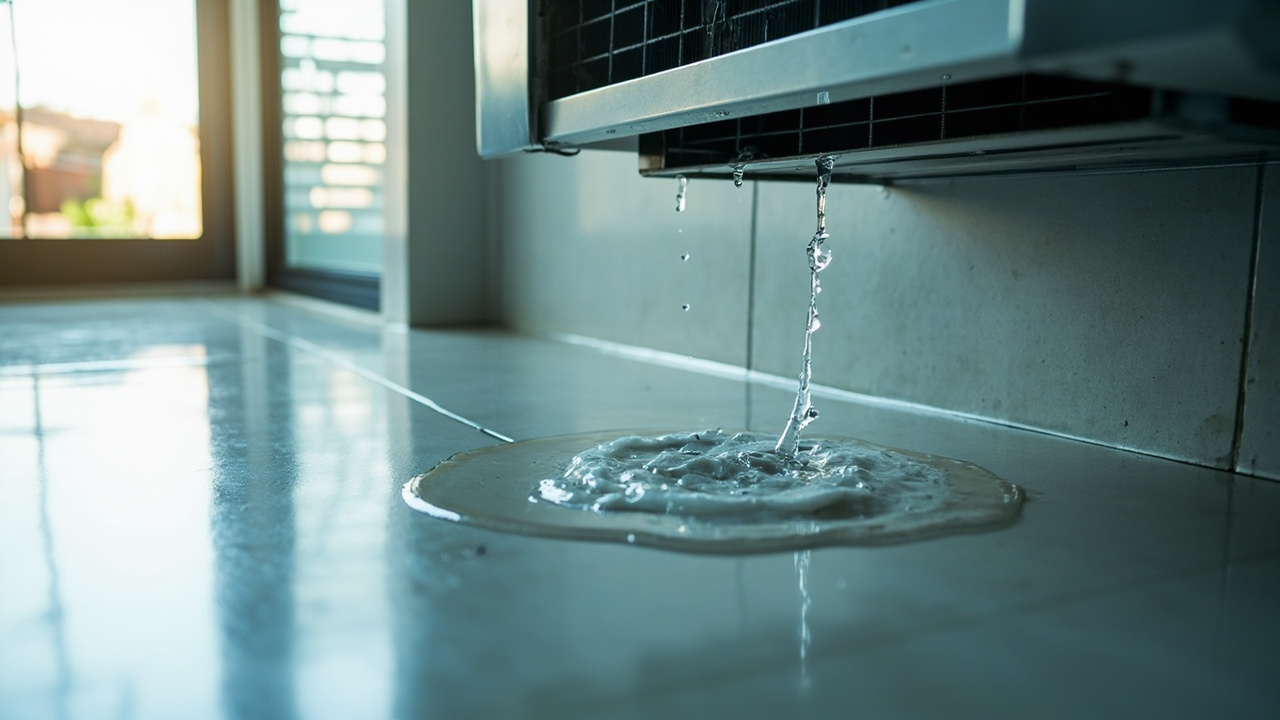
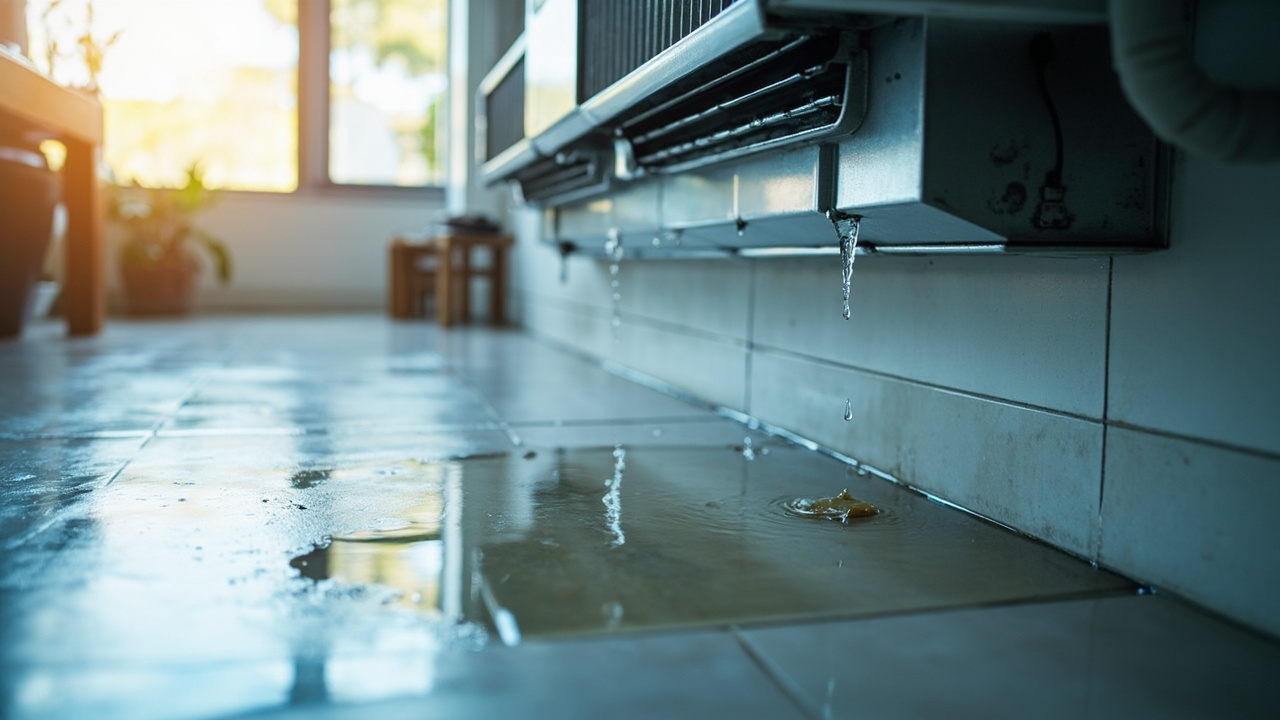
You walk past your air conditioner and notice a puddle forming beneath the unit. The air conditioning leaking water is not normal, and it signals a breakdown somewhere in your system.

Los Angeles runs its cooling systems hard from April through October. The extended cooling season means your condensate drain line, evaporator coil, and drain pan endure months of continuous moisture exposure. When the condensate drain line clogs with algae, dust, or biological growth, water backs up. When the evaporator coil ices over due to refrigerant loss or airflow restrictions, it melts and overwhelms the drain pan. When the drain pan corrodes through years of acidic condensate pooling in one spot, water drips from the AC unit onto your floor.

Many homes in Mid-City, Silver Lake, and Highland Park were built before modern HVAC drain standards. Older installations often lack proper slope on the drain line or use undersized piping that cannot handle the volume of condensate your modern high-efficiency unit produces. The result is an AC water leak that damages drywall, stains ceilings, and creates conditions for mold growth.

The air conditioner dripping water is not a cosmetic problem. It points to refrigerant loss, airflow failure, or drainage obstruction. Each of these failures reduces cooling capacity, spikes your electric bill, and accelerates compressor wear. Ignoring the leak turns a simple drain cleaning into a multi-system failure that requires coil replacement, refrigerant recharge, and structural repair.

You need a technician who understands the interaction between your evaporator coil, blower motor, refrigerant charge, and drain system. The fix is not always obvious, and guessing costs you money.

Why Your AC System Is Leaking Water in Los Angeles
How We Stop the Water Leak and Restore Your System

How We Stop the Water Leak and Restore Your System

We do not show up with a shop vacuum and call it fixed. We diagnose the root cause of the water dripping from your AC unit by inspecting every component in the condensate pathway and the refrigeration cycle.

First, we examine the evaporator coil for ice formation. If the coil is frozen, we measure the refrigerant charge with manifold gauges and check for airflow restrictions caused by a dirty filter, closed supply vents, or a failing blower motor. A frozen coil means refrigerant is expanding too quickly or air is not moving fast enough across the fins. We correct the imbalance before addressing the water.

Next, we inspect the condensate drain pan for cracks, rust-through, or improper positioning. Many older units use metal pans that corrode after years of acidic water exposure. We replace compromised pans with impact-resistant polymer pans that resist corrosion and handle thermal expansion without cracking.

Then we clear the condensate drain line. We use a wet vacuum to pull blockages from the exterior termination point, then flush the line with a biocide solution that kills algae and prevents regrowth. If the line lacks proper slope or uses flexible tubing that sags and traps water, we re-pipe the drain with rigid PVC sloped at a quarter-inch per foot to ensure gravity drainage.

We also verify that the drain line terminates outside the building envelope and away from the foundation. Lines that dump water near the foundation create moisture intrusion problems that go beyond HVAC.

After clearing the drain and correcting airflow or refrigerant issues, we test the system under load to confirm the evaporator coil reaches proper operating temperature and condensate drains freely without backing up.

What Happens When You Call About an AC Water Leak

AC Unit Leaking Water in Los Angeles – Fast Diagnosis and Permanent Repair
01

System Diagnosis

We start by running your system through a full cooling cycle while monitoring the evaporator coil, drain pan, and refrigerant pressures. We measure airflow across the coil with an anemometer and check the blower motor amperage to rule out mechanical failure. This diagnostic phase isolates whether the leak originates from drainage failure, refrigerant loss, or airflow restriction.
02

Component Repair

Once we identify the failure point, we clear the drain line, replace the drain pan if corroded, repair refrigerant leaks if detected, or restore airflow by replacing the filter and cleaning the blower wheel. If the evaporator coil is iced, we allow it to thaw completely before restarting the system. We do not rush the repair. We fix the underlying cause.
03

Performance Verification

After repairs, we run the system for 20 to 30 minutes to verify the evaporator coil reaches the correct operating temperature, condensate drains without pooling, and the air handler maintains proper airflow. We measure the temperature split between return and supply air to confirm refrigerant charge and airflow are within manufacturer specifications. You get documentation of the repair and confirmation that the system operates correctly.

Why Los Angeles Homeowners Choose A Plus HVAC for Water Leak Repairs

Los Angeles operates under Title 24 energy standards that regulate refrigerant handling, ductwork installation, and condensate drainage. We follow these codes because they prevent the shortcuts that cause recurring leaks and system failures. When we replace a drain pan or re-pipe a condensate line, we do it to code so the repair lasts.

We also understand the construction styles common to Los Angeles. Many homes in Echo Park, Koreatown, and Westlake feature second-story air handlers installed in attic spaces with minimal clearance. Accessing the drain pan and evaporator coil in these installations requires experience navigating tight spaces without damaging ductwork or insulation. We have worked in these homes for years and know how to service the equipment without creating collateral damage.

You also get honest answers. If the drain pan is rusted through and the evaporator coil is 15 years old with pinhole leaks, we tell you. We explain whether repairing the leak makes sense or whether replacing the air handler is the smarter financial decision. We do not sell you a drain cleaning when the coil is failing.

Our technicians carry the tools to complete the repair on the first visit. We stock replacement drain pans, PVC fittings, refrigerant, and biocide treatments on every truck. We do not schedule a second trip to finish what should have been done the first time.

We also provide referrals for water damage restoration if the leak has stained ceilings or soaked insulation. We work with contractors who understand the timeline and scope of HVAC-related water damage so you get coordinated repairs, not finger-pointing between trades.

What to Expect When We Repair Your AC Water Leak

Same-Day Service Availability

We dispatch a technician within hours of your call. Water leaks from air conditioners cause progressive damage the longer they run. Drywall absorbs moisture, insulation becomes saturated, and mold spores begin colonizing within 24 to 48 hours. We treat water leaks as urgent because the damage clock is running. Most repairs are completed the same day, and you receive a detailed explanation of what failed and why.

Complete System Assessment

We do not assume the problem is a clogged drain. We inspect the refrigerant charge, measure airflow, check the drain pan for damage, and verify the evaporator coil is not icing. Many water leaks result from multiple failures that interact, and fixing one without addressing the other leaves you with a recurring problem. You get a written diagnostic report that explains what we found and what we recommend.

Permanent Repair, Not Temporary Fixes

We replace corroded drain pans with corrosion-resistant materials. We re-pipe improperly sloped drain lines with rigid PVC. We repair refrigerant leaks and recharge the system to the correct subcooling and superheat values. If the blower motor is pulling excessive amperage and restricting airflow, we replace it. You do not get a bandaid. You get a repair that addresses the root cause and prevents the leak from returning.

Preventive Maintenance Recommendations

After the repair, we explain how to prevent future leaks. This includes replacing your filter every 30 to 60 days, scheduling annual coil cleaning, and flushing the condensate drain line every six months. We also offer maintenance agreements that include drain line service, filter replacement, and refrigerant level checks. Regular maintenance prevents the conditions that cause water leaks and extends the life of your equipment.

Frequently Asked Questions

You Have Questions,
We Have Answers

How do I stop my air conditioner from leaking water? +

First, turn off your AC to prevent water damage. Check if the drain pan is full and empty it. Look at the condensate drain line for visible clogs near the air handler. Replace your air filter if it looks dirty, as restricted airflow causes the evaporator coil to freeze and then leak when it melts. In Los Angeles, dust and smog particles clog filters faster than other regions. If the leak continues after these steps, you need a licensed technician to inspect the drain line, evaporator coil, refrigerant levels, and drain pan for cracks or corrosion.

Can I still use my AC if it's leaking water? +

No, you should turn off your AC when it leaks water. Continued operation causes the leak to worsen and risks electrical damage to components. Water near electrical wiring creates a shock hazard. If the leak stems from a frozen evaporator coil, running the system keeps the coil frozen and prevents proper cooling. If a clogged drain line is the cause, water will overflow the drain pan and damage your ceiling, walls, or flooring. Turn off the system and call a technician to diagnose the root cause before restarting.

Is a leaking AC unit an emergency? +

It depends on the leak severity and location. A small drip from the condensate line is not an emergency, but you should address it within 24 hours. Heavy water pooling near electrical components or dripping through your ceiling requires immediate attention to prevent structural damage or electrical hazards. In Los Angeles homes with older HVAC systems, leaks can escalate quickly due to corroded drain pans or brittle drain lines. If you see water spreading or the leak started suddenly during peak cooling season, call for same-day service to prevent costly secondary damage.

How do I unclog my AC condensate drain line? +

Locate the condensate drain line, a PVC pipe coming from your air handler. Turn off your AC first. Find the access point, remove the cap, and use a wet/dry vacuum to suction out the clog from the outside end of the drain line. Alternatively, pour a cup of distilled white vinegar down the drain line to dissolve algae and mold buildup. Wait 30 minutes, then flush with water. In Los Angeles, hard water mineral deposits can combine with dust to create stubborn clogs. If the clog persists, a technician can use professional tools to clear the blockage.

Is AC leaking water expensive to fix? +

Cost depends on the cause. A simple drain line flush runs low, while a cracked drain pan or refrigerant leak costs more. Evaporator coil replacement is the most expensive repair. In Los Angeles, most leaks stem from clogged drain lines or dirty filters, which are affordable fixes. If your system has low refrigerant causing coil freeze, expect higher costs for leak detection, refrigerant recharge, and repair. Age matters too. Systems over 10 years old may need multiple repairs. Get a detailed diagnostic before approving any work to avoid surprise charges.

What is the 3 minute rule for AC? +

The 3 minute rule means you should wait at least 3 minutes between turning your AC off and back on. This pause allows refrigerant pressure to equalize throughout the system. Restarting too quickly forces the compressor to work against high pressure, which can damage the compressor motor or trip the circuit breaker. If your AC is leaking water and you turned it off to stop the leak, wait the full 3 minutes before restarting. This simple practice extends compressor life and prevents expensive repairs down the line.

How long can I run my AC if it is leaking water? +

You should not run your AC at all if it is leaking water. Every minute of operation risks greater water damage to your home and potential electrical hazards. If the leak comes from a frozen evaporator coil, running the system keeps ice forming and prevents proper cooling, wasting energy while damaging components. If the drain line is clogged, continued operation will overflow the drain pan. Turn off the system immediately and schedule a repair. In Los Angeles, where AC runs heavily from May through October, ignoring a leak compounds damage quickly.

Can I fix a leaking AC myself? +

You can handle basic tasks like changing the air filter, clearing visible debris from the drain line opening, or emptying a full drain pan. Pouring vinegar down the drain line to dissolve minor clogs is safe. Beyond that, AC repairs require specialized tools and refrigerant handling certification. Attempting to repair refrigerant leaks, replace the evaporator coil, or fix electrical components without training risks personal injury and can void your warranty. In Los Angeles, where HVAC systems work hard year-round, incorrect DIY repairs often create bigger problems and higher repair bills.

What happens if I ignore an AC leak? +

Ignoring an AC leak leads to serious consequences. Water damages drywall, ceiling materials, insulation, and flooring, causing mold growth within 24 to 48 hours. Mold spreads quickly in Los Angeles homes due to warmth and humidity trapped in walls. Electrical components exposed to water corrode and fail, creating fire hazards. Continued operation with a frozen coil damages the compressor, the most expensive component to replace. Small leaks become big problems fast. What starts as a minor drain line clog can escalate into thousands in water damage and HVAC repairs.

What is the $5000 rule for AC? +

The $5000 rule is a guideline to decide between repairing or replacing your AC. Multiply the repair cost by the age of your system in years. If the result exceeds $5000, replacement makes more financial sense than repair. For example, a $500 repair on a 12-year-old unit equals $6000, suggesting replacement. A $300 repair on a 5-year-old unit equals $1500, favoring repair. In Los Angeles, where AC systems endure long cooling seasons and work harder than other climates, this rule helps avoid throwing money at an aging system nearing failure.

Why Los Angeles's Extended Cooling Season Accelerates Condensate Drain Failures

Los Angeles runs air conditioners from April through October, and many homes operate cooling systems year-round. This extended runtime means your evaporator coil produces condensate for months without interruption. The constant moisture flow through the drain line creates ideal conditions for algae growth, biofilm formation, and mineral scale accumulation. Systems in humid climates like Florida experience similar issues, but Los Angeles adds another challenge. Our water supply contains calcium and magnesium that precipitate out in the warm, slow-moving environment of a condensate drain line. Over time, this mineral buildup narrows the pipe and restricts flow. When combined with biological growth, the drain line clogs completely and water backs into the drain pan.

A Plus HVAC Los Angeles has serviced air conditioning systems across the basin for years. We know the drain line configurations common to homes built in the 1940s through the 1980s, and we understand the modifications required to bring older installations up to current drainage standards. We also work directly with property managers and building owners in multi-family buildings where air handler access is limited and drain line routing is complex. Local expertise matters because we recognize the problems before we open the air handler and we carry the parts needed to fix them.
HVAC Services in The Los Angeles Area

Want to know if we service your neighborhood? Use the map below to see our local coverage. A Plus proudly serves Los Angeles and nearby communities with fast response times and top-tier HVAC expertise. Whether you're downtown or in the suburbs, we're just a call away. Our mobile team is equipped to reach you quickly and solve your HVAC issues efficiently. Don’t hesitate to reach out—comfort and reliability are closer than you think.

Address:
A Plus HVAC Los Angeles, 1901 Ave of the Stars, Los Angeles, CA, 90067

Additional Services We Offer

Our news updates

Latest Articles & News from The Blogs

Sherman Oaks homeowners face a unique set of cooling challenges. The location between the Santa Monica Mountains and the flatlands…

Full AC Replacement Costs for Sherman Oaks Homeowners

Sherman Oaks homeowners face a unique set of cooling challenges. The location between the Santa Monica Mountains and the flatlands…

Switching From Gas to Electric Heating in Miracle Mile (And What It Costs)

Switching From Gas to Electric Heating in Miracle Mile (And What It Costs) Miracle Mile homeowners are moving toward all…

HVAC Strategies for Quiet Home Recording Studios in Toluca Lake

Precision HVAC Solutions for Los Angeles Recording StudiosHome studio owners in Toluca Lake face a unique set of challenges when…

Contact Us

Do not wait for the water stain to spread. Call A Plus HVAC Los Angeles at (310) 579-0040 and get a technician dispatched today. We diagnose the cause, fix the problem, and confirm your system is running correctly.