




menu

Troubleshooting AC Issues in Los Angeles – Fast Diagnosis and Proven Solutions for Every Cooling Problem

When your air conditioner fails in the Los Angeles heat, accurate troubleshooting AC issues means identifying the real problem fast, avoiding unnecessary repairs, and restoring comfort without the guesswork.

Slider Image 1
Slider Image 2
Slider Image 3
Slider Image 4
Slider Image 5
Slider Image 7
Slider Image 8
Slider Image 9
Slider Image 10
Slider Image 11

Why Los Angeles Air Conditioners Fail in Predictable Ways

Los Angeles air conditioners face a specific set of challenges tied directly to local climate patterns. Inland Valley neighborhoods regularly hit triple digits in summer, while coastal areas battle marine layer moisture that corrodes electrical components and fosters mold growth in ductwork. This thermal variation creates expansion and contraction cycles that stress compressor mounts, refrigerant lines, and condenser coils.

Diagnosing air conditioner problems here means understanding how coastal salt air degrades aluminum fins faster than in dry climates. Central air troubleshooting requires checking for refrigerant leaks caused by vibration stress unique to units running 10 to 12 hours daily from May through October. HVAC system diagnostics must account for dust infiltration from Santa Ana wind events that clog air filters in days, not weeks.

Identifying AC faults in Los Angeles also means recognizing when older homes lack proper electrical capacity for modern high-SEER units. Homes built before 1990 in neighborhoods like Echo Park or Highland Park often run 100-amp panels that struggle during peak cooling loads. This causes breaker trips that homeowners mistake for mechanical failures when the real issue is undersized wiring.

Your air conditioning troubleshooting guide starts with understanding these local factors. A warm room does not always mean a broken compressor. Poor airflow could trace back to ductwork never designed for central air in converted 1920s bungalows common throughout Silver Lake and Los Feliz. Effective troubleshooting AC issues means separating symptoms from root causes, which requires local knowledge and systematic testing.

Why Los Angeles Air Conditioners Fail in Predictable Ways
How Professional HVAC System Diagnostics Work

How Professional HVAC System Diagnostics Work

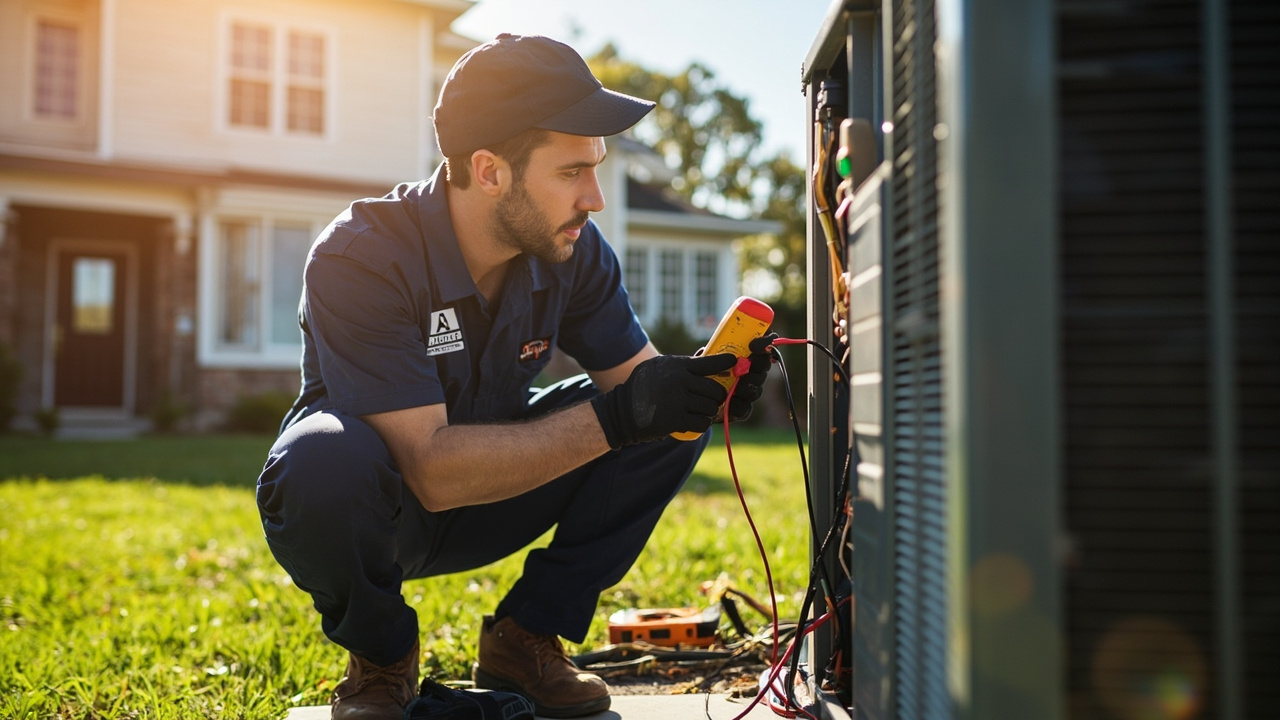
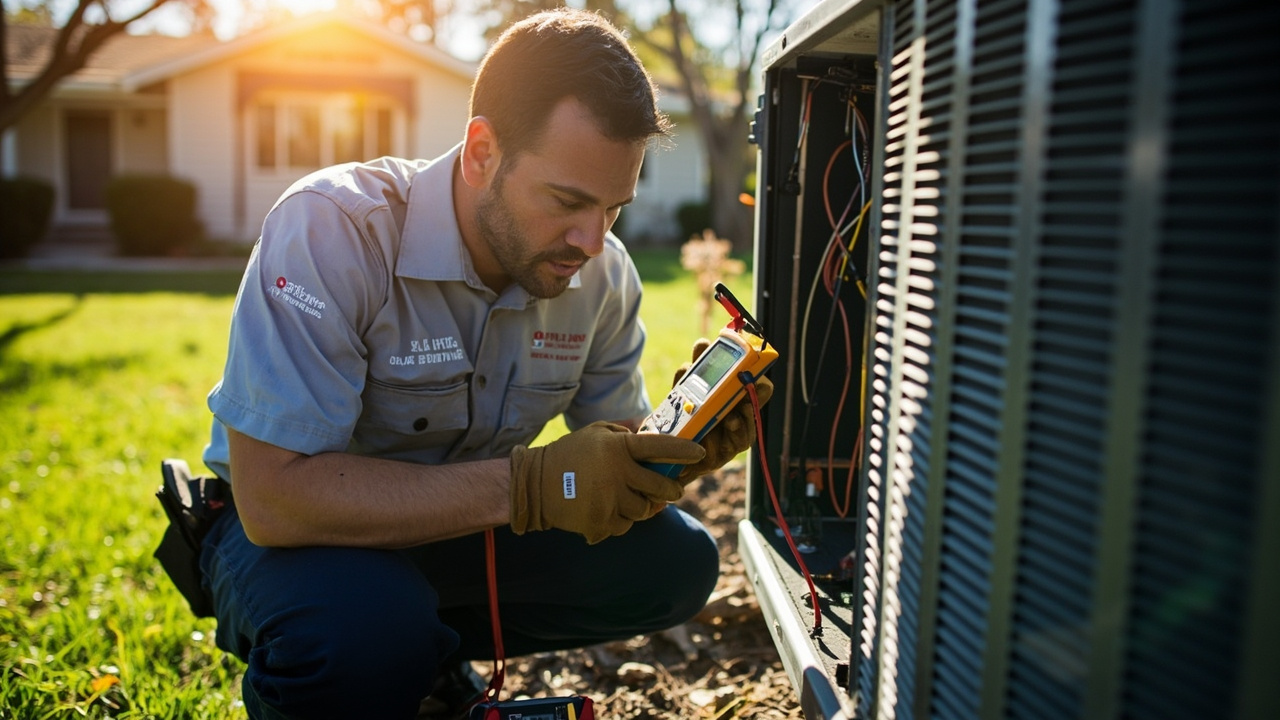
Professional troubleshooting AC issues follows a structured diagnostic protocol that eliminates guesswork. The process begins with baseline measurements: supply air temperature, return air temperature, static pressure across the air handler, and amperage draw at the condensing unit. These numbers reveal whether the system suffers from airflow restriction, refrigerant imbalance, or electrical issues before any component gets replaced.

Central air troubleshooting requires testing refrigerant charge using subcooling and superheat calculations, not just pressure gauge readings. Los Angeles heat pumps running in cooling mode need subcooling between 8 and 12 degrees for optimal efficiency. Superheat readings at the evaporator coil should fall between 10 and 15 degrees. Values outside these ranges indicate undercharge, overcharge, or restriction in the refrigerant circuit that affects capacity and compressor longevity.

Diagnosing air conditioner problems also means load testing the capacitor bank. Compressor start capacitors weaken in high ambient temperatures common to San Fernando Valley and Inland Empire installations. A capacitor reading 5 microfarads below its rated value will cause hard starting and shortened compressor life, yet the system might still cool adequately enough that homeowners ignore the problem until catastrophic failure occurs.

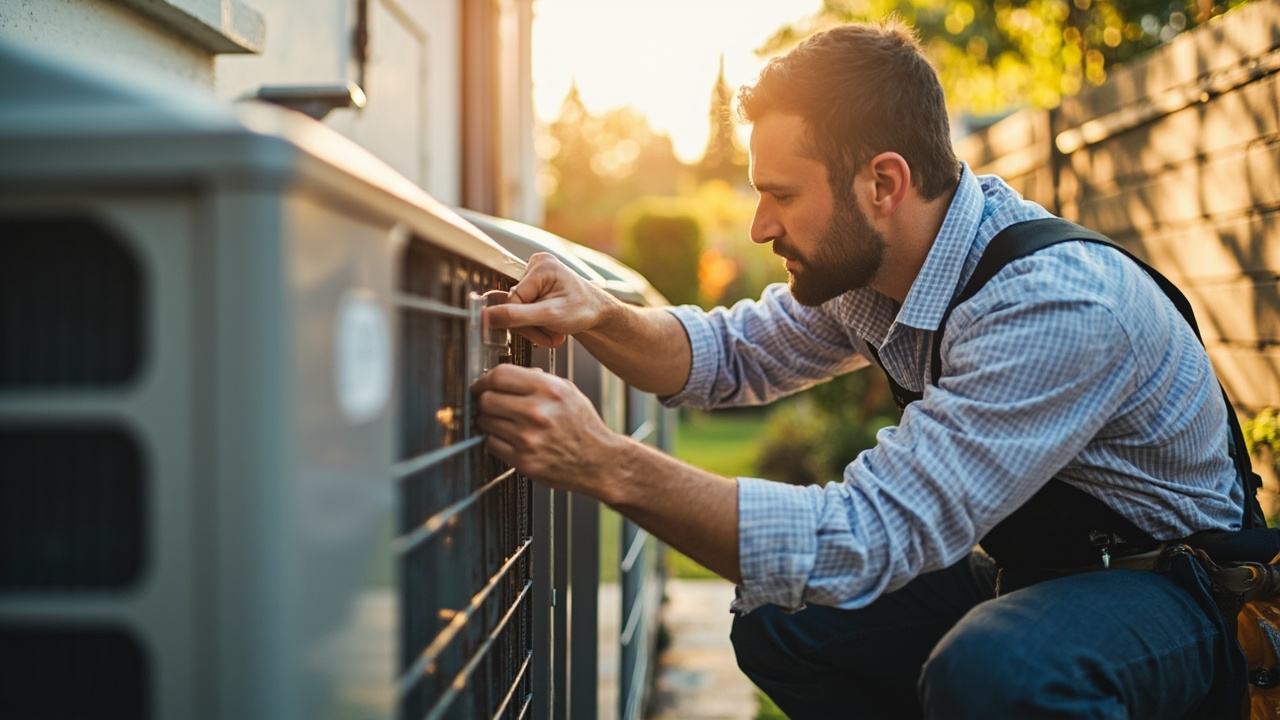
Identifying AC faults requires inspecting the entire refrigerant circuit for oil staining that signals slow leaks. Evaporator coils hidden in attic air handlers develop pinhole leaks from formicary corrosion caused by volatile organic compounds outgassing from building materials. These leaks lose two to three ounces of refrigerant per season, slowly degrading performance until the system runs constantly without reaching setpoint. A Plus HVAC Los Angeles uses nitrogen pressure testing and electronic leak detection to find these hidden failures that visual inspection misses.

What Happens During Your AC Diagnostic Appointment

Troubleshooting AC Issues in Los Angeles – Fast Diagnosis and Proven Solutions for Every Cooling Problem
01

System Performance Baseline

The diagnostic starts with measuring actual system performance against manufacturer specifications. This includes temperature differential across the evaporator coil, airflow volume at registers, and runtime cycles. These baseline readings establish whether your air conditioner operates within normal parameters or shows efficiency loss that points to specific component failure or maintenance neglect.
02

Component Testing and Analysis

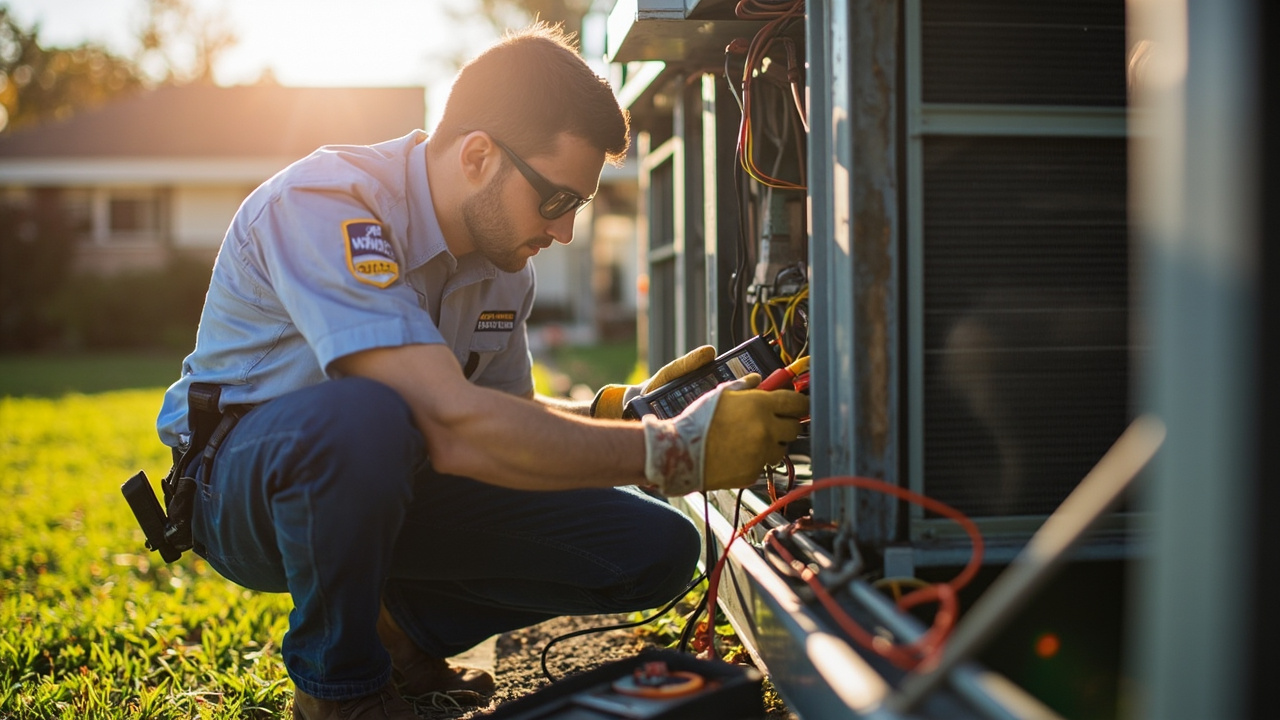
Each major component undergoes isolated testing: capacitor microfarad values, contactor resistance, thermostat calibration, blower motor amperage, and refrigerant charge verification. This systematic approach identifies failing parts before they cause secondary damage. A weak capacitor caught early prevents compressor burnout. A clogged condensate drain found now prevents water damage to ceilings and drywall in homes throughout Los Angeles.
03

Documented Findings and Options

You receive a written diagnostic report explaining what tests were performed, what was found, and what fixes are needed versus recommended. This transparency lets you make informed decisions about repairs. If your 18-year-old condenser needs a third compressor replacement, you get honest guidance about whether repair makes financial sense or replacement delivers better long-term value for your specific situation and budget.

Why Los Angeles Homeowners Choose Local HVAC Diagnostics

Troubleshooting AC issues in Los Angeles requires familiarity with local installation practices that affect system performance. Homes in Hancock Park and Windsor Square often have original ductwork from 1940s gravity furnace conversions that restrict airflow for modern air handlers. Technicians unfamiliar with these older homes misdiagnose weak cooling as refrigerant problems when the real issue is undersized return air plenums that starve the evaporator coil.

Local expertise also means understanding Los Angeles Department of Building and Safety requirements for system modifications. Adding refrigerant to a system with unknown leak history violates EPA Section 608 regulations and California Air Resources Board rules. A Plus HVAC Los Angeles follows proper leak repair and evacuation procedures that protect your investment and keep your home compliant with state and federal environmental standards.

Diagnosing air conditioner problems correctly the first time prevents the expensive cycle of repeat service calls and misguided repairs. National chains send different technicians on each visit, losing diagnostic continuity. Local providers maintain service history that reveals patterns, like chronic evaporator coil icing that points to ductwork issues rather than refrigerant charge problems.

Central air troubleshooting also benefits from understanding microclimates across Los Angeles County. A system adequate for a Brentwood home three miles from the ocean will struggle in a Pasadena home where summer temperatures run 15 degrees hotter. Proper diagnostics include evaluating whether your current equipment matches your specific thermal load, or if chronic problems stem from undersized capacity that no amount of repair will fix.

Geographic knowledge matters when identifying AC faults tied to environmental factors. Homes near the 405 and 10 freeway interchange deal with higher particulate contamination that clogs filters and coils faster. Properties downwind from commercial kitchens in Koreatown or Thai Town battle grease-laden air that fouls condensing units. These location-specific factors shape diagnostic approach and maintenance recommendations.

What Your AC Diagnostic Appointment Includes

Same-Day Diagnostic Availability

Most troubleshooting appointments happen within 24 hours of your call. You get a two-hour arrival window with text notification when the technician is 30 minutes out. The diagnostic takes 45 to 90 minutes depending on system complexity and accessibility. You receive preliminary findings before the technician leaves, with detailed written estimates for any recommended repairs. Emergency diagnostics are available for complete system failures during heat waves when indoor temperatures threaten vulnerable household members.

Comprehensive System Evaluation

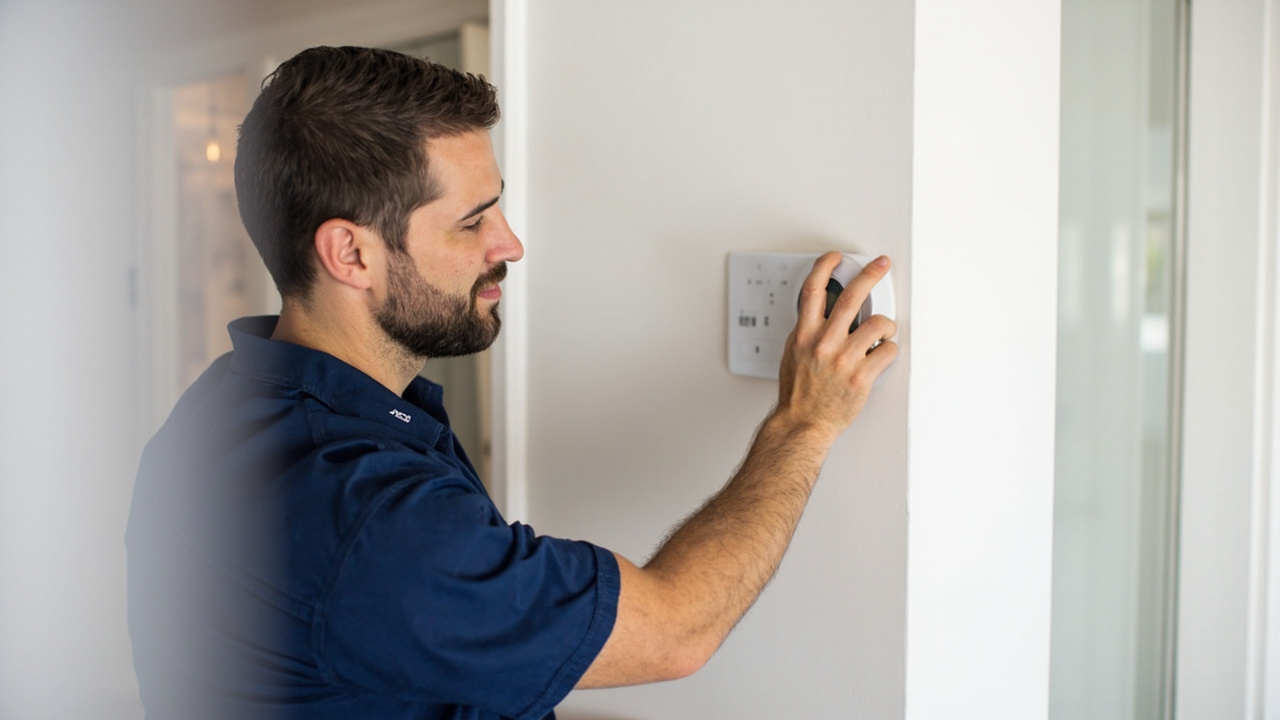
The diagnostic covers every component that affects cooling performance: thermostat calibration, electrical connections, refrigerant charge, airflow measurement, ductwork inspection, condensate drain function, and safety control operation. You learn not just what is broken, but why it failed and what conditions might cause future problems. This complete evaluation often reveals multiple small issues that together explain poor performance, rather than a single catastrophic failure requiring immediate attention or system replacement.

Clear Answers Without Pressure

You get honest assessment of what needs immediate repair, what can wait, and what represents normal wear for your system age. If your air conditioner needs replacement rather than repair, you receive objective guidance explaining why, with cost comparison showing total expense over the next five years for repair versus replacement. There is no pressure to make immediate decisions on major expenses. You keep the written diagnostic report and estimates to review and compare, making the choice that fits your timeline and budget.

Follow-Up Support and Tracking

Your diagnostic findings get logged in a service history that informs future maintenance and repair decisions. If you authorize repairs, post-repair testing confirms the fix resolved the original complaint and restored system efficiency. You receive guidance on preventing recurrence, including filter change intervals specific to your home's dust load and whether duct cleaning or air purification would address underlying air quality issues contributing to system stress. Follow-up calls confirm your satisfaction and system performance after major repairs.

Frequently Asked Questions

You Have Questions,
We Have Answers

What is the most common AC problem? +

The most common AC problem in Los Angeles is a dirty air filter. When filters clog with dust and debris, airflow drops and your system works harder, driving up energy bills. In LA's smoggy conditions and wildfire seasons, filters collect particulates faster than in other regions. You should check your filter monthly and replace it every 1-3 months. Other frequent issues include refrigerant leaks, faulty capacitors, and dirty condenser coils. Regular maintenance prevents most breakdowns. If your AC struggles to cool during heatwaves, the filter is the first thing to inspect before calling a technician.

What is the 3 minute rule for AC? +

The 3 minute rule is a safety delay built into modern AC systems to protect the compressor. After your unit shuts off, you must wait at least 3 minutes before restarting it. This allows refrigerant pressure to equalize throughout the system. Restarting too quickly can damage the compressor, which is the most expensive component to replace. If you notice your thermostat cycling rapidly or the unit short-cycling, you have a different problem that requires professional diagnosis. Always respect this delay when manually turning your system on and off.

What is the $5000 rule for AC? +

The $5,000 rule is a replacement guideline based on repair costs. Multiply your AC unit's age by the repair estimate. If the result exceeds $5,000, replacement makes more financial sense than repair. For example, a 12-year-old unit needing a $500 repair equals $6,000, suggesting replacement. This rule accounts for diminishing efficiency and the likelihood of additional failures in older systems. Los Angeles heat demands reliable cooling, and older units consume more energy. Consider newer models with higher SEER ratings that reduce electricity costs while qualifying for utility rebates.

How to troubleshoot air conditioning problems? +

Start troubleshooting by checking your thermostat settings and replacing the air filter. Verify the circuit breaker has not tripped and inspect the outdoor unit for debris or obstructions. Check that vents throughout your home are open and unblocked. Listen for unusual sounds like grinding, squealing, or clicking. If the unit runs but does not cool, you may have low refrigerant or a failed compressor. If it does not turn on at all, the capacitor or contactor may be faulty. Complex issues require a licensed technician with proper tools and refrigerant certification.

Why is my AC running but not cooling? +

When your AC runs but does not cool, you likely have low refrigerant from a leak, a failed compressor, or frozen evaporator coils. In Los Angeles, dirty condenser coils covered in dust and smog residue reduce heat transfer efficiency. Check if the outdoor fan spins when the unit runs. If not, the fan motor or capacitor failed. Frozen coils appear as ice buildup on the indoor unit and result from restricted airflow or refrigerant issues. Turn off the system immediately if you see ice. These problems require professional repair, refrigerant handling, and leak detection equipment.

What should my AC be set at if it's 100 degrees outside? +

When outdoor temperatures hit 100 degrees in Los Angeles, set your thermostat to 78 degrees. AC systems can typically cool indoor air 15-20 degrees below outdoor temperature. Setting it lower forces the unit to run continuously without reaching the target, wasting energy and stressing components. If 78 feels too warm, use ceiling fans to increase comfort through air circulation. Close blinds on sun-facing windows during peak afternoon heat. Well-insulated homes maintain cooler temperatures more easily. If your system cannot maintain 78 degrees during extreme heat, schedule a maintenance check.

Why is my AC set to 72 but reads 78? +

Your thermostat reads 78 despite being set to 72 because your AC cannot keep up with heat gain. Common causes include an undersized unit, low refrigerant, dirty coils, or poor insulation. Los Angeles homes with inadequate attic insulation or older single-pane windows lose cooling rapidly. Check that your outdoor unit is not obstructed and the filter is clean. The system may need more time to reach the set point during peak afternoon heat. If the gap persists overnight when temperatures drop, you have a capacity or mechanical issue requiring professional diagnosis.

How to tell if an AC capacitor is bad? +

A bad capacitor shows specific symptoms. Your AC will not start, makes a humming noise without the fan spinning, or shuts off randomly during operation. You may hear clicking from the outdoor unit without the compressor engaging. Capacitors can bulge, leak oil, or show burn marks on top. Never attempt to test or replace a capacitor yourself. They store lethal electrical charges even when power is disconnected. Capacitors fail frequently in Los Angeles due to extreme summer heat and constant cycling. A technician can test and replace a failed capacitor quickly and safely.

How long should your AC run on a 100 degree day? +

On a 100 degree day in Los Angeles, your AC should run 15-20 hours total, cycling on and off throughout the day. Each cooling cycle lasts 15-20 minutes. Continuous operation without cycling indicates an undersized unit or a mechanical problem. Short cycles under 10 minutes signal a failing component or thermostat issue. Properly sized systems maintain indoor temperature without constant operation. If your unit runs nonstop during extreme heat but keeps your home comfortable, that is normal. However, nonstop operation with poor cooling requires immediate professional attention to prevent compressor failure.

What is the life expectancy of an air conditioner? +

Air conditioners in Los Angeles typically last 12-15 years with proper maintenance. Coastal areas with salt air may see shorter lifespans due to corrosion. Inland areas with extreme heat stress components more, potentially reducing longevity. Regular maintenance extends lifespan by preventing small issues from becoming major failures. Units older than 10 years lose efficiency, consuming more electricity while cooling less effectively. If your system requires frequent repairs or cannot maintain comfortable temperatures during summer, replacement becomes cost-effective. Modern units with higher SEER ratings deliver better performance and lower operating costs than older models.

How Los Angeles Air Quality and Climate Accelerate AC Component Failure

Troubleshooting AC issues in Los Angeles means accounting for air quality impacts that do not affect systems in cleaner climates. Summer ozone levels and particulate matter from vehicle emissions create a corrosive environment for aluminum condenser fins and copper refrigerant lines. Homes in neighborhoods bordering the 110, 101, and 5 freeways see condensing unit degradation 30 percent faster than properties in less congested areas. Marine layer moisture in beach communities from Manhattan Beach through Malibu accelerates electrical contact corrosion and fosters biological growth in drain pans that clogs condensate lines. Identifying AC faults requires understanding these location-specific wear patterns that shape maintenance needs and component lifespan.

Central air troubleshooting in Los Angeles also requires knowledge of local building code evolution and permit requirements for system modifications. The City of Los Angeles and surrounding municipalities enforce California Title 24 energy standards that mandate minimum SEER ratings and refrigerant types for replacement installations. HVAC system diagnostics must consider whether older R-22 systems justify expensive repairs when refrigerant scarcity and cost make replacement more economical. Local contractors understand these regulatory factors and help homeowners make decisions that balance immediate repair needs against long-term efficiency requirements and environmental compliance mandated by California Air Resources Board regulations.
HVAC Services in The Los Angeles Area

Want to know if we service your neighborhood? Use the map below to see our local coverage. A Plus proudly serves Los Angeles and nearby communities with fast response times and top-tier HVAC expertise. Whether you're downtown or in the suburbs, we're just a call away. Our mobile team is equipped to reach you quickly and solve your HVAC issues efficiently. Don’t hesitate to reach out—comfort and reliability are closer than you think.

Address:
A Plus HVAC Los Angeles, 1901 Ave of the Stars, Los Angeles, CA, 90067

Additional Services We Offer

Our news updates

Latest Articles & News from The Blogs

Sherman Oaks homeowners face a unique set of cooling challenges. The location between the Santa Monica Mountains and the flatlands…

Full AC Replacement Costs for Sherman Oaks Homeowners

Sherman Oaks homeowners face a unique set of cooling challenges. The location between the Santa Monica Mountains and the flatlands…

Switching From Gas to Electric Heating in Miracle Mile (And What It Costs)

Switching From Gas to Electric Heating in Miracle Mile (And What It Costs) Miracle Mile homeowners are moving toward all…

HVAC Strategies for Quiet Home Recording Studios in Toluca Lake

Precision HVAC Solutions for Los Angeles Recording StudiosHome studio owners in Toluca Lake face a unique set of challenges when…

Contact Us

Stop guessing what is wrong with your air conditioner. Call (310) 579-0040 now for professional troubleshooting that identifies the real problem and gives you clear options. Same-day appointments available throughout Los Angeles County.