




menu

High Energy Bills in Los Angeles – Expert HVAC Diagnostics That Pinpoint the Real Problem

When your electricity bills keep climbing despite no change in usage, the issue is often hidden inside your HVAC system. We use precision diagnostics to find inefficiencies that contractors miss and restore normal operating costs.

Slider Image 1
Slider Image 2
Slider Image 3
Slider Image 4
Slider Image 5
Slider Image 7
Slider Image 8
Slider Image 9
Slider Image 10
Slider Image 11

Why Los Angeles Homeowners Face Rising Utility Costs Year After Year

You set the thermostat to the same temperature every summer, yet your electricity bills keep rising. The frustration is real. You are not imagining it. In Los Angeles, the combination of intense summer heat, older housing stock, and punishing afternoon sun exposure creates a perfect storm for expensive electricity bills.

Most homes in neighborhoods like Van Nuys, Silver Lake, and Culver City were built before modern insulation standards took effect. Single-pane windows, inadequate attic insulation, and aging ductwork leak conditioned air before it ever reaches your living space. Your HVAC system runs longer cycles to compensate. The compressor works harder. The blower motor stays on continuously. All of this translates to skyrocketing energy bills that drain your budget month after month.

The problem compounds when your air conditioning unit loses refrigerant charge or develops failing capacitors. These issues do not trigger an obvious breakdown. The system still runs. It just runs inefficiently. You notice the increased heating and cooling costs on your utility statement, but the root cause stays hidden until a technician performs a proper load calculation and refrigerant pressure test.

Los Angeles summers now regularly hit triple digits in the San Fernando Valley. Coastal areas experience more frequent heat waves due to shifting marine layer patterns. Your HVAC system was likely sized for conditions that no longer exist. An undersized unit or one with degraded components will cycle constantly, burning through electricity while failing to maintain comfortable indoor temperatures. This is not a problem you can ignore or wish away. It requires professional diagnosis.

Why Los Angeles Homeowners Face Rising Utility Costs Year After Year
How We Identify the Hidden Causes of Costly Utility Expenses

How We Identify the Hidden Causes of Costly Utility Expenses

Generic HVAC tune-ups miss the real issues. A technician who checks the filter and cleans the coils has done the bare minimum. We approach high energy bills as a diagnostic challenge that requires measuring actual system performance against manufacturer specifications.

Our process starts with a blower door test to quantify air leakage. We measure static pressure across the duct system to identify restrictions and leaks. A thermal imaging camera reveals insulation voids and thermal bridging in walls and ceilings. These tools give us objective data about where your conditioned air is going and why your system works harder than it should.

Next, we verify refrigerant charge using superheat and subcooling calculations. Most systems run low on refrigerant due to small leaks that develop over years. A system running 10 percent low on charge can increase operating costs by 20 percent or more. We do not guess. We measure the actual charge against the nameplate specifications and correct any deficiencies.

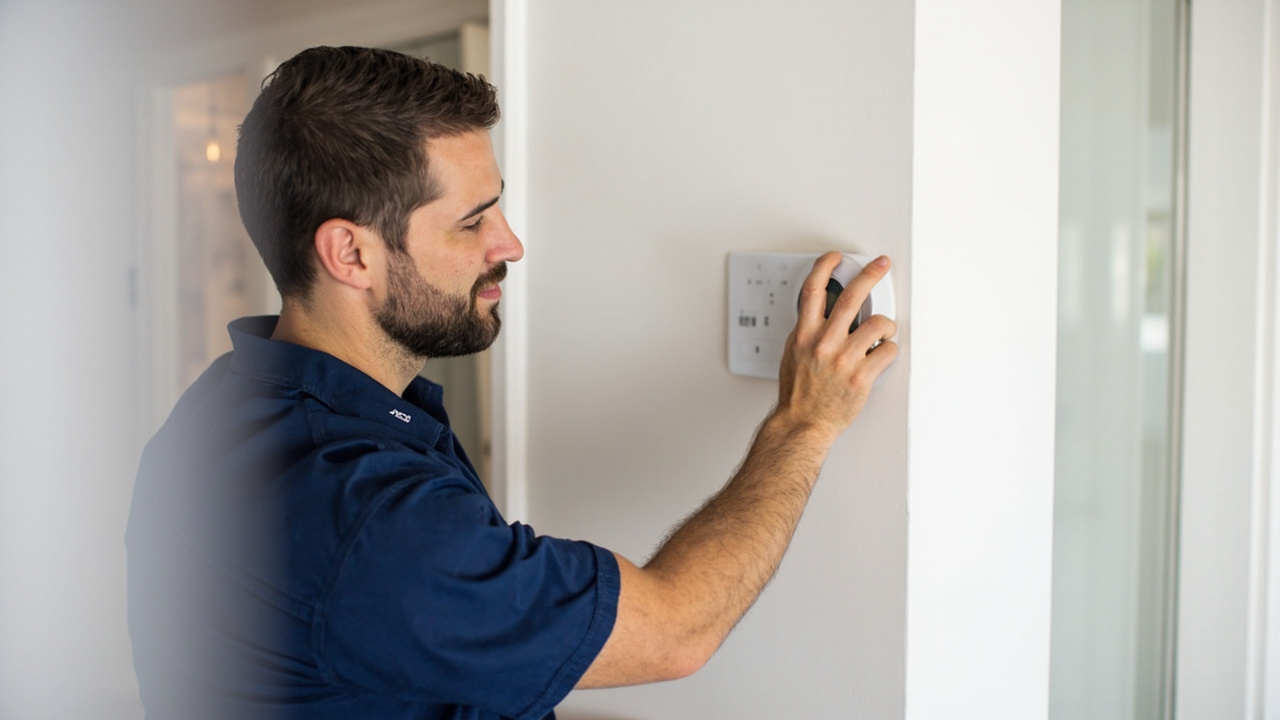
We also evaluate the thermostat location and programming. A thermostat mounted on a sun-exposed wall or near a heat source will trigger unnecessary cooling cycles. Programmable thermostats with incorrect settings waste energy during unoccupied hours. These issues seem minor but contribute significantly to rising utility costs over time.

Finally, we perform a Manual J load calculation to verify your system is properly sized for your home. An oversized unit will short-cycle, failing to dehumidify properly and wasting energy on startup surges. An undersized unit runs continuously without reaching setpoint. Either condition creates expensive electricity bills that will not improve without addressing the underlying mismatch between equipment capacity and actual cooling load.

What Happens During Your Energy Efficiency Evaluation

High Energy Bills in Los Angeles – Expert HVAC Diagnostics That Pinpoint the Real Problem
01

Initial System Assessment

We begin with a detailed review of your recent utility bills to establish baseline costs and identify usage patterns. Our technician inspects your HVAC equipment, checking the installation date, maintenance history, and current operating condition. We measure supply and return air temperatures, verify proper airflow across the evaporator coil, and test electrical components including capacitors and contactors for signs of degradation that increase energy consumption.
02

Diagnostic Testing

Using calibrated instruments, we measure refrigerant pressures and calculate superheat and subcooling to verify proper charge. We test duct leakage using a duct blaster and measure static pressure at multiple points to identify restrictions. Thermal imaging reveals insulation deficiencies and air leakage paths. We check thermostat calibration and placement. This data-driven approach identifies the specific components or conditions responsible for increased heating and cooling costs in your home.
03

Solutions and Implementation

After completing diagnostics, we provide a detailed report ranking issues by impact on energy consumption. You receive a clear explanation of each problem and the expected savings from correcting it. We prioritize repairs that deliver the fastest return on investment. Whether the solution involves sealing ductwork, correcting refrigerant charge, upgrading the thermostat, or replacing failing components, you will know exactly what to expect and how it reduces your costly utility expenses.

Why Los Angeles Residents Trust A Plus HVAC Los Angeles for Energy Solutions

Generic advice does not solve high energy bills. You need someone who understands the specific challenges Los Angeles homeowners face and has the diagnostic tools to measure system performance objectively.

We have worked in neighborhoods from Boyle Heights to Pacific Palisades for years. We know which homes have original single-pane windows, which subdivisions were built during the 1970s energy crisis with marginal insulation, and which areas experience the worst afternoon solar heat gain. This local knowledge informs our diagnostic approach and helps us identify problems faster than technicians unfamiliar with the region.

Our technicians carry calibrated test equipment, not just hand tools. We measure superheat, subcooling, static pressure, and amperage draw. We use thermal imaging cameras and duct blasters. These instruments cost thousands of dollars and require training to use correctly. Most HVAC companies skip this step because it takes time and expertise. We include it as standard procedure because guessing wastes your money.

We also understand Los Angeles building codes and Title 24 energy efficiency requirements. If your system needs replacement, we ensure it meets current efficiency standards and qualifies for available rebates through LADWP or Southern California Edison. We handle the paperwork and coordinate inspections. You get a system that performs efficiently and complies with all local regulations.

The difference between acceptable and efficient HVAC performance comes down to attention to detail. A system that maintains temperature is not necessarily operating efficiently. We verify proper refrigerant charge, adequate airflow, correct thermostat placement, and minimal duct leakage. These factors determine whether your energy bills stay manageable or continue climbing year after year. Our diagnostic process identifies and corrects each variable systematically.

What to Expect When You Schedule an Energy Efficiency Evaluation

Response Time and Scheduling Flexibility

We schedule energy evaluations at your convenience, including evenings and weekends. Most assessments take two to three hours depending on your home size and system complexity. You will receive a confirmed appointment window, and our technician calls 30 minutes before arrival. We understand high energy bills create financial stress, so we prioritize getting you answers quickly. Same-week appointments are typically available. If you need urgent service due to system failure or extreme weather, we can often accommodate next-day scheduling.

Comprehensive Diagnostic Process

Our evaluation goes far beyond a standard tune-up. The technician performs refrigerant testing, duct leakage measurement, static pressure analysis, and thermal imaging. You will see the diagnostic data firsthand. We explain what each measurement means and how it affects your electricity bills. The assessment includes checking thermostat programming, verifying proper airflow across the evaporator coil, testing electrical components, and inspecting ductwork for damage or disconnection. You receive a written report with findings and recommendations prioritized by cost savings potential.

Measurable Results and Performance Verification

After implementing recommended repairs or adjustments, we verify improvement using the same diagnostic tools from the initial evaluation. You will see before and after measurements proving the system now operates within manufacturer specifications. We provide guidance on monitoring your utility bills over the next billing cycle to confirm cost reduction. Most customers notice lower energy consumption within the first month. If repairs involved refrigerant correction or duct sealing, the improvement is typically immediate and substantial.

Ongoing Support and Maintenance Planning

Energy efficiency requires ongoing attention, not just one-time fixes. We offer maintenance plans that include biannual inspections, priority scheduling, and discounted repairs. Regular maintenance prevents the gradual efficiency loss that occurs as components age and refrigerant slowly leaks. Plan members receive reminders before filter changes are due and seasonal system checks before peak cooling season. This proactive approach keeps your system running efficiently and prevents the gradual increase in operating costs that catches most homeowners by surprise.

Frequently Asked Questions

You Have Questions,
We Have Answers

Why is my electric bill so high suddenly? +

A sudden spike in your electric bill usually points to a malfunctioning HVAC system or aging equipment working overtime. In Los Angeles, summer heat forces air conditioners to run longer, especially if your unit has dirty filters or low refrigerant. Rate increases from the Department of Water and Power can also surprise you. Check your thermostat settings, inspect for air leaks around windows and doors, and look at your usage history online. If your system cycles constantly or rooms feel unevenly cooled, your HVAC likely needs professional inspection to restore efficiency.

Why is your energy bill suddenly so much more expensive? +

Energy bills climb when cooling systems lose efficiency or demand increases. Los Angeles residents face intense summer temperatures that push older air conditioners beyond optimal performance. Your unit may be low on refrigerant, have clogged coils, or suffer from ductwork leaks. Time-of-use rates from your utility provider also mean you pay more during peak afternoon hours. Adding new appliances or working from home increases baseline consumption. Compare this month's kilowatt-hour usage to previous months, not just the dollar amount, to identify whether the problem is consumption or rates.

What runs your electric bill up the most? +

HVAC systems account for nearly half of residential electricity use in Los Angeles. Your air conditioner works hardest during July through September when temperatures regularly exceed 85 degrees. Water heaters rank second, followed by washers, dryers, and refrigerators. Older central air units without variable-speed compressors cycle on and off constantly, wasting energy. Poorly sealed ductwork in attics loses 20 to 30 percent of cooled air before it reaches your rooms. Upgrading to a high-SEER system and sealing ducts cuts consumption dramatically while improving comfort.

What is the average electric bill in RI? +

This question asks about Rhode Island, not Los Angeles. The average electric bill in Rhode Island runs between $130 and $180 monthly, depending on season and home size. Rhode Island experiences cold winters that drive heating costs, unlike Los Angeles, where cooling dominates expenses. If you live in Los Angeles and face high bills, focus on your air conditioning efficiency, insulation quality, and ductwork integrity. Local climate differences mean Rhode Island data does not apply to Southern California energy consumption patterns or utility rate structures.

Why is my electric bill over $400? +

A $400 electric bill in Los Angeles signals a serious efficiency problem or dramatic usage increase. Your HVAC system may be failing, running continuously without reaching set temperature. Check for refrigerant leaks, frozen evaporator coils, or a malfunctioning thermostat. Older homes with single-pane windows and poor attic insulation lose cooled air rapidly. Pool pumps running 24 hours or electric water heaters set too high also spike bills. Pull your meter reading to verify accuracy, then schedule an HVAC inspection to diagnose mechanical issues before next month's cycle.

How much bill for 1 hour AC? +

A central air conditioner in Los Angeles costs between $0.36 and $0.72 per hour to run, depending on system size and efficiency rating. A 3-ton unit draws roughly 3,000 watts. At Los Angeles Department of Water and Power rates averaging $0.28 per kilowatt-hour, expect about $0.84 hourly for a standard system. High-efficiency variable-speed units cost less. Running AC for eight hours daily during summer adds $200 to $350 monthly. Proper maintenance, programmable thermostats, and sealed ductwork reduce runtime and lower costs without sacrificing comfort.

Why is my electric bill so high when no one lives there? +

Empty homes still consume electricity through phantom loads and climate control. If your Los Angeles property sits vacant, the refrigerator, water heater, and HVAC system may still run. A malfunctioning thermostat can trigger cooling cycles needlessly. Water heaters maintain temperature 24 hours daily, even with zero demand. Check your breaker panel and shut off unnecessary circuits. Inspect for hidden issues like a running toilet refilling constantly or outdoor lighting staying on. Smart meters let you track hourly usage through your utility portal to pinpoint the problem appliance or system.

How do I figure out why my power bill is so high? +

Start by comparing kilowatt-hour usage across recent bills, not just dollar amounts. Log into your Los Angeles Department of Water and Power account to view daily and hourly consumption patterns. Spikes during specific times point to particular appliances or systems. Turn off your main breaker and watch your meter. If it still spins, you have a wiring fault or meter error. Hire a licensed HVAC technician to test your air conditioner's amp draw and runtime. Thermal imaging cameras identify insulation gaps and air leaks driving excessive cooling costs.

What contributes most to my electric bill? +

Air conditioning dominates electric bills in Los Angeles, consuming 40 to 50 percent of total household energy. Water heating follows at 15 to 20 percent, then lighting, refrigeration, and laundry appliances. Older HVAC systems with SEER ratings below 14 waste energy compared to modern high-efficiency units. Ductwork leaks in unconditioned attic spaces force your system to work harder. During summer months, cooling costs triple compared to spring. Upgrading insulation, sealing ducts, and installing a programmable thermostat reduces HVAC runtime and cuts bills by 20 to 30 percent.

How can I find out what is using the most electricity in my house? +

Use a plug-in energy monitor to measure individual appliance consumption in real time. These devices cost under $30 and reveal exact wattage and cost per hour. Check your HVAC runtime by noting when the outdoor condenser activates. Los Angeles homes often find air conditioners cycling constantly due to undersized returns or dirty coils. Review your utility's online portal for hourly usage graphs. Schedule an energy audit with a certified technician who uses thermal imaging and blower door tests to identify insulation failures, duct leaks, and equipment inefficiencies driving your bills higher.

How Los Angeles Climate Patterns Drive Increased Heating and Cooling Costs

Los Angeles experiences a Mediterranean climate with hot, dry summers and mild winters, but microclimates vary dramatically across the basin. The San Fernando Valley regularly hits 100 degrees while coastal areas remain 20 degrees cooler due to marine influence. This temperature gradient means HVAC systems in Valley neighborhoods like Reseda, North Hollywood, and Woodland Hills run significantly longer cycles than equipment in Santa Monica or Manhattan Beach. Homes built before 1990 typically lack adequate insulation for these extreme conditions. Attics in Valley homes routinely reach 140 degrees during summer afternoons, radiating heat into living spaces and forcing air conditioning systems to run continuously. This extended runtime translates directly to skyrocketing energy bills that compound year after year as equipment ages and loses efficiency.

Los Angeles building codes have evolved significantly over the past two decades, with Title 24 energy standards becoming progressively stricter. However, the majority of housing stock predates these requirements. Older homes in established neighborhoods like Los Feliz, Highland Park, and West Adams were built when energy was cheap and efficiency was an afterthought. Upgrading these systems requires local expertise and familiarity with retrofit challenges specific to California construction methods. We work with Los Angeles homes daily and understand the permitting process through LADWP for efficiency upgrades. Our technicians know which improvements qualify for utility rebates and how to navigate the inspection requirements. This local knowledge saves you time and ensures any system modifications comply with current code while maximizing available incentives.
HVAC Services in The Los Angeles Area

Want to know if we service your neighborhood? Use the map below to see our local coverage. A Plus proudly serves Los Angeles and nearby communities with fast response times and top-tier HVAC expertise. Whether you're downtown or in the suburbs, we're just a call away. Our mobile team is equipped to reach you quickly and solve your HVAC issues efficiently. Don’t hesitate to reach out—comfort and reliability are closer than you think.

Address:
A Plus HVAC Los Angeles, 1901 Ave of the Stars, Los Angeles, CA, 90067

Additional Services We Offer

Our news updates

Latest Articles & News from The Blogs

Sherman Oaks homeowners face a unique set of cooling challenges. The location between the Santa Monica Mountains and the flatlands…

Full AC Replacement Costs for Sherman Oaks Homeowners

Sherman Oaks homeowners face a unique set of cooling challenges. The location between the Santa Monica Mountains and the flatlands…

Switching From Gas to Electric Heating in Miracle Mile (And What It Costs)

Switching From Gas to Electric Heating in Miracle Mile (And What It Costs) Miracle Mile homeowners are moving toward all…

HVAC Strategies for Quiet Home Recording Studios in Toluca Lake

Precision HVAC Solutions for Los Angeles Recording StudiosHome studio owners in Toluca Lake face a unique set of challenges when…

Contact Us

High energy bills will not fix themselves. Every month you wait costs you money. Call A Plus HVAC Los Angeles at (310) 579-0040 to schedule a comprehensive energy efficiency evaluation. We identify the real problems and give you solutions that lower your utility costs permanently.