The Massive Temperature Shifts in Topanga Canyon
Topanga Canyon sits in a unique geographic pocket that creates a weather pattern unlike the rest of Los Angeles. While the San Fernando Valley bakes in stagnant heat and coastal areas stay wrapped in thick marine layers, Topanga experiences a significant temperature swing every day. We call this the diurnal shift. In 2026, we see daytime temperatures in the canyon hitting 95 degrees while evening temperatures drop to 60 degrees. This 35 degree difference is the exact reason why residents are moving away from relying solely on central air conditioning. The canyon topography traps hot air during the day, but it also provides a reservoir of cold mountain air the moment the sun sets behind the ridges. Smart homeowners use this to their advantage.
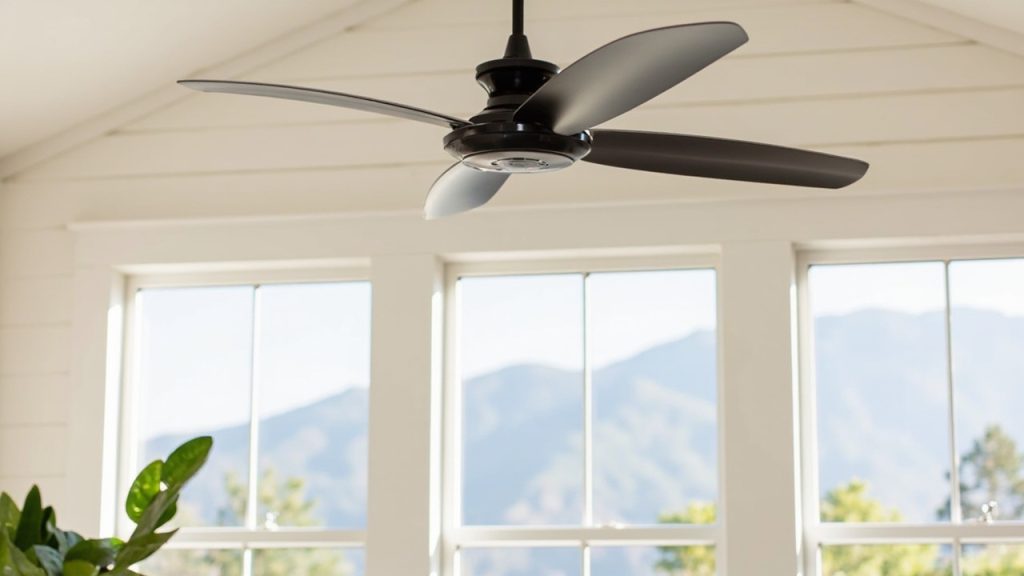
Running a standard air conditioner during the peak hours of 4 PM to 9 PM in Los Angeles is expensive. Southern California Edison and LADWP have increased peak pricing significantly this year. If you live near Old Topanga Canyon Road or in the Fernwood area, you know that the mountain air becomes crisp early in the evening. A whole house fan allows you to pull that cold air into your living space immediately. This is not the same as an attic fan. A whole house fan is a powerful unit installed in your ceiling that pulls air from the house and pushes it out through the attic vents. It creates a complete air exchange that an AC unit simply cannot match.
When you turn on a whole house fan, you must open a few windows. The fan creates a vacuum effect. It pulls the hot air out of your rooms and replaces it with the cool canyon breeze. This process can replace the entire volume of air in your home 15 to 20 times per hour. Most homeowners find they can turn off their AC by 7 PM and let the fan handle the rest of the night. If you ever face a sudden system failure, you might need finding 24-7 emergency HVAC help in Los Feliz when you need it most to ensure your backup systems are ready for the next heatwave. This is common for those living in the more remote parts of the canyon where service calls take longer to schedule.
The Physics of Thermal Mass Cooling
Central air conditioning cools the air inside your home, but it does very little to cool the actual structure. Your walls, furniture, and flooring hold onto heat long after the AC stops running. This is thermal mass. In the high desert and canyon environments of Southern California, the heat trapped in your home structure radiates back into the rooms all night long. This is why your AC might kick on at 2 AM even when it is cool outside. The air is cool, but the walls are still 80 degrees. You are fighting the building materials rather than the weather.
Whole house fans solve this by cooling the structure itself. By pulling massive amounts of air through the house and into the attic, the fan cools the framing of the home and the attic insulation. This prevents the attic from acting like a giant radiator that beams heat down through your ceiling. Homeowners in the Santa Monica Mountains are using this method to keep their homes cooler for longer periods during the following day. This approach is similar to how why Santa Monica homeowners are switching to heat pumps this year to improve overall home efficiency and reduce carbon footprints. The goal is to move heat out of the building rather than just chilling the air inside it.
Comparing Costs and Efficiency in 2026
The financial difference between running a whole house fan and a central AC unit is substantial. A typical central air system uses about 3,500 to 5,000 watts of power per hour. In contrast, a modern high-efficiency whole house fan from 2026 brands uses between 200 and 600 watts. You can run a fan for the entire night for less than the cost of running your AC for one hour. This data is critical for Topanga residents who are often on older electrical grids that can be sensitive to high loads during heatwaves. Using less power reduces the strain on your electrical panel and your wallet.
| Feature | Central Air Conditioning | Whole House Fan |
|---|---|---|
| Hourly Power Usage | 3,500 – 5,000 Watts | 200 – 600 Watts |
| Installation Time | 2 – 4 Days | 1 Day |
| Air Quality | Recirculated Filtered Air | 100% Fresh Outside Air |
| Effect on Attic | Minimal Impact | Aggressive Heat Removal |
| Operational Cost | High Peak Rates | Very Low |
Many people worry about the noise of a large fan. In the past, these units sounded like jet engines. But the technology in 2026 has changed. Modern units use acoustical ducting and permanent magnet motors that are nearly silent. You can sleep with the fan running in the hallway and barely hear a hum. For those living in historic or unique properties, such as those who might be selecting the best ductless mini split installers for historic Beverly Hills homes, finding quiet and non-invasive cooling options is always the priority. The same logic applies to the rustic cabins and mid-century builds found throughout Topanga Canyon.
Seasonal Variations in the Santa Monica Mountains
The Santa Monica Mountains experience specific seasonal effects that impact how you use your cooling systems. During the late spring and early summer, we experience the May Gray and June Gloom effect. This brings a heavy marine layer into the canyon that can linger until early afternoon. While this keeps temperatures lower, it also increases humidity. A whole house fan is excellent during these months because it helps circulate that damp air and prevents it from becoming stagnant inside your home. It keeps the indoor air feeling fresh despite the outdoor mist.
As we move into the peak of summer and early autumn, the Santa Ana winds become a concern. These winds are hot, dry, and often carry dust. During Santa Ana events, you should keep your windows closed and rely on your AC. But on a typical summer night in August, the temperature in Topanga will drop into the 60s while the valley stays in the 80s. This is when the whole house fan outperforms every other system. It pulls that 60 degree air through your bedrooms and creates a natural wind chill effect that makes sleeping much more comfortable. You get the benefits of the mountain climate without the high utility bills.
The Best Way to Use Both Systems
Most HVAC experts in Los Angeles recommend a hybrid cooling strategy. You do not have to choose one or the other. You use the AC during the hottest part of the afternoon when the outside air is too warm to bring inside. Once the outside temperature drops below the inside temperature, you switch to the whole house fan. This allows you to flush out the heat of the day and pre-cool the home for the next morning. This is especially effective in Topanga where the marine layer often provides a natural cooling effect by late evening.
There are specific steps to follow for maximum efficiency with a whole house fan in a canyon environment.
- Wait until the outside temperature is at least 5 degrees cooler than the inside temperature.
- Open windows on the side of the house that faces the prevailing canyon breeze.
- Close windows in rooms that are not being used to concentrate the airflow in active areas.
- Run the fan on high for the first hour to flush the attic heat quickly.
- Switch the fan to low for the remainder of the night to maintain a steady breeze.
- Close all windows by 8 AM the next morning to trap the cool air inside before the sun hits the ridges.
This method keeps your home comfortable well into the afternoon without ever touching the thermostat. It also extends the life of your AC unit. By reducing the number of hours your compressor runs, you avoid the need for fast Silver Lake AC repair without overpaying during the peak of summer when technicians are busiest. Regular maintenance is still necessary for any mechanical system. Just as you would seek professional furnace maintenance in Pasadena to reduce winter heating costs, you should have your fan shutters and attic vents inspected annually to ensure they are clear of debris.
Installation and 2026 Building Code Requirements
Installing a whole house fan in Topanga requires attention to California Title 24 energy standards. In 2026, these standards require specific airflow calculations based on the square footage of your home. You need enough attic venting to allow the air pushed up by the fan to escape. If you do not have enough vents, the fan will create backpressure and will not work correctly. It could even cause your water heater to back-draft if it is not installed with proper safety sensors and pressure balancing. This is why professional installation is mandatory for safety and performance.
We also have to consider the high fire risk in the canyon. Modern 2026 installations must include ember-resistant vents. These specialized vents prevent sparks from a wildfire from being sucked into your attic while still allowing air to flow out during normal operation. This is a critical safety feature that many general contractors overlook but specialized HVAC technicians prioritize. You can learn more about these standards through the California Energy Commission website. In Los Angeles County, the 2026 permit process has become more streamlined but remains strict regarding electrical loads and venting ratios.
Permit costs in Los Angeles County for 2026 typically involve a base mechanical permit fee ranging from 185 to 250 dollars. When you add the electrical permit for a new circuit, the total government fees often land between 320 and 450 dollars. This does not include the cost of the unit or the labor. However, obtaining these permits is vital for your home insurance coverage. If a fire occurs and your vents are not up to current code, your claim could be denied. We always recommend working with a contractor who handles the permit application as part of the service package.
| Home Size (Sq Ft) | Recommended CFM (Airflow) | Required Attic Venting (Sq Ft) |
|---|---|---|
| 1,000 – 1,500 | 3,000 – 4,500 | 4.5 – 6.0 |
| 1,500 – 2,200 | 4,500 – 6,500 | 6.0 – 9.0 |
| 2,200 – 3,000 | 6,500 – 9,000 | 9.0 – 12.0 |
| 3,000+ | 9,000+ | 12.0+ |
The installation process typically takes less than a day. A technician cuts a hole in the ceiling, usually in a central hallway. The fan is suspended from the rafters in the attic to prevent vibration noise from transferring to the ceiling drywall. The controls are then wired to a wall switch or a remote. Some 2026 models even connect to your local weather station data to automatically turn on when the canyon air reaches the optimal temperature for cooling.
Air Quality and Wildfire Considerations
One common question Topanga residents ask involves air quality. Because a whole house fan brings in outside air, you are at the mercy of whatever is floating in the breeze. During most of the year, the air in the Santa Monica Mountains is some of the cleanest in Los Angeles. During Santa Ana wind events or nearby wildfires, you should keep the fan off. Bringing in smoke or high levels of pollen will negate the benefits of the cooling and could damage your indoor air quality.
For homeowners concerned about allergens, some 2026 whole house fan models now include replaceable filters. While these can slightly reduce the airflow, they provide an extra layer of protection against dust and debris. This is a significant upgrade from older models that offered no filtration. According to Energy.gov, proper use of these fans can also help reduce indoor moisture and odors by constantly cycling in fresh air, which is a major health benefit in older canyon cabins that might suffer from mildew during the rainy season.
Frequently Asked Questions for Topanga Residents
How many windows should I open when running the fan? You generally need to open two to four windows depending on the size of the fan. You want about one square foot of open window space for every 750 CFM of fan power. It is best to open windows in the rooms you want to cool first. If you want to cool your bedroom, open that window and the fan will pull the breeze directly across your bed.
What is the lifespan of a modern 2026 fan motor? High-quality permanent magnet motors used in 2026 models are designed to last 15 to 20 years with minimal maintenance. These motors are brushless, which means there is less friction and heat buildup during operation. This longevity makes the fan a much better investment than a portable AC unit which might only last three to five years.
Can I use the fan during the May Gray period? Yes, you can use the fan when it is foggy or overcast. While the humidity is higher, the air is still cool. Running the fan on a lower speed will help move that air through the home and prevent that damp, heavy feeling that often settles in the canyon during the spring months. It helps keep the air inside the house from becoming saturated with moisture.
Will the fan pull in dust from the canyon roads? Topanga can be dusty, especially near dirt roads like those in the Sylvia Park area. If you live near a high-traffic dirt road, we recommend installing a filtered fan unit. These use MERV-rated filters to catch large particles of dust before they enter your living space. You will need to change these filters once or twice a year depending on the road conditions.
Is a whole house fan safe for pets? The fans are very safe. The intake is covered by a decorative grille that prevents anything from getting into the blades. For pets that are sensitive to noise, the 2026 whisper-quiet models are ideal. Most pets enjoy the breeze created by the fan, as it helps cool their coats much faster than stagnant air conditioned air.
Choosing the Right Solution for Your Home
Deciding whether to add a whole house fan or stick with central air depends on your daily schedule and your tolerance for open windows. If you work from home and can manage the windows as the temperature changes, a fan will save you thousands of dollars over the next few years. If you prefer a set and forget system where the windows stay locked, you may want to focus on a high-efficiency heat pump or mini split system. For the majority of Topanga homes, the fan offers a level of comfort that AC simply cannot match. The feeling of a natural breeze moving through the house at night is much more pleasant than the dry, recycled air of a standard air conditioner.
If you are ready to stop spending a fortune on electricity and start using the natural climate of the canyon to your advantage, a whole house fan is the most effective upgrade you can make this year. It works with the environment rather than against it. You will see a difference in your very first utility bill and feel a difference in the air quality of your home immediately. Reach out to a local technician who understands the specific venting requirements of the Santa Monica Mountains to ensure your system is safe, quiet, and efficient for the 2026 season.
{
“@context”: “https://schema.org”,
“@type”: “BlogPosting”,
“headline”: “Why Topanga Canyon Homeowners Are Adding Whole House Fans Instead of Just Running the AC”,
“description”: “Learn why Topanga Canyon residents use whole house fans to handle the 2026 diurnal shift and reduce cooling costs in the Santa Monica Mountains.”,
“wordCount”: 2588,
“datePublished”: “2026-02-13T11:26:00.000Z”,
“dateModified”: “2026-02-13T11:26:00.000Z”,
“inLanguage”: “en-US”,
“mainEntityOfPage”: {
“@type”: “WebPage”,
“@id”: “https://aplushvaclosangeles.com”
},
“publisher”: {
“@type”: “LocalBusiness”,
“name”: “A Plus HVAC Los Angeles”,
“url”: “https://aplushvaclosangeles.com”
},
“author”: {
“@type”: “Organization”,
“name”: “A Plus HVAC Los Angeles”,
“url”: “https://aplushvaclosangeles.com”
},
“image”: {
“@type”: “ImageObject”,
“url”: “https://aplushvaclosangeles.com/wp-content/uploads/2026/03/why-topanga-canyon-homeowners-are-adding-whole-hou-1.jpg”
}
}
{
“@context”: “https://schema.org”,
“@type”: “HVACBusiness”,
“name”: “A Plus HVAC Los Angeles”,
“url”: “https://aplushvaclosangeles.com”,
“address”: {
“@type”: “PostalAddress”,
“addressLocality”: “Los Angeles”
},
“areaServed”: {
“@type”: “City”,
“name”: “Los Angeles”
}
}
{
“@context”: “https://schema.org”,
“@type”: “BreadcrumbList”,
“itemListElement”: [
{
“@type”: “ListItem”,
“position”: 1,
“name”: “Home”,
“item”: “https://aplushvaclosangeles.com”
},
{
“@type”: “ListItem”,
“position”: 2,
“name”: “Blog”,
“item”: “https://aplushvaclosangeles.com/blog”
},
{
“@type”: “ListItem”,
“position”: 3,
“name”: “Why Topanga Canyon Homeowners Are Adding Whole House Fans Instead of Just Running the AC”
}
]
}
{
“@context”: “https://schema.org”,
“@type”: “Service”,
“serviceType”: “HVAC”,
“provider”: {
“@type”: “LocalBusiness”,
“name”: “A Plus HVAC Los Angeles”,
“url”: “https://aplushvaclosangeles.com”
},
“areaServed”: {
“@type”: “City”,
“name”: “Los Angeles”
},
“description”: “Learn why Topanga Canyon residents use whole house fans to handle the 2026 diurnal shift and reduce cooling costs in the Santa Monica Mountains.”
}
