Living in a century old Spanish Colonial or Tudor Revival in Carthay Circle provides a sense of history that modern Los Angeles builds cannot match. Even so, the original gravity furnaces and lack of central air conditioning make current summers difficult. You face a unique challenge when you decide to upgrade your climate control. You must balance modern comfort with the strict requirements of the Historic Preservation Overlay Zone (HPOZ). Preserving the original lath and plaster walls and detailed crown moldings is the priority during any mechanical installation.
Many homeowners worry that adding air conditioning requires dropping ceilings or destroying original architectural details. This is no longer the case in 2026. Specialized systems now exist to fit into the tightest crawlspaces and wall cavities found in historic Los Angeles properties. Whether you own a home near the Carthay Circle Park or along Commodore Sloat Drive, you can achieve quiet and efficient cooling without changing the look of your interior rooms. Current technology allows for a complete climate overhaul that remains entirely invisible to the naked eye.
The Technical Realities of Carthay Circle Historic Retrofitting
Older homes in this neighborhood often rely on thick masonry or lath and plaster construction. These materials act as great insulators but make traditional ductwork installation nearly impossible. Standard twelve inch ducts require massive soffits that ruin the sightlines of a period room. If you try to force modern ducts into a home built a century ago, you will likely end up losing closet space or cutting through original floor joists. This compromises the structural integrity of the home and lowers its historical value.
Gravity furnaces are another common find in Carthay Circle basements. These massive units worked by letting hot air rise naturally through large floor vents. Removing these systems requires care because of the age of the materials involved. Once the old unit is gone, you are left with a central location for new equipment but no way to distribute air to the second floor. This is where modern engineering helps preservation efforts. You need a solution that moves air through small openings rather than large metal trunks. Modern heat pump air handlers in 2026 are compact enough to fit where these old giants once sat.
Architectural Differences and HVAC Installation Variations
Carthay Circle features two primary architectural styles that each present specific challenges for climate control. Spanish Colonial homes usually have flat roofs or low pitched tile roofs. These homes often feature thick stucco walls and narrow crawlspaces. To install HVAC here, technicians often use the parapet walls to hide refrigerant lines. The thick walls require diamond tipped core drills to create paths for high-velocity tubing. Because Spanish Colonial homes often have high ceilings with exposed beams, we cannot run ducts across the ceiling. We instead utilize the space beneath the floorboards or behind the decorative plaster curves in the corners of the rooms.
Tudor Revival homes present a different set of obstacles. These houses feature steep gables, narrow corridors, and multiple floor levels. The attic space is often a series of small, disconnected triangles. For a Tudor home, a split system is usually necessary. We might place one small air handler in a master closet to serve the upper floor and a second unit in the basement for the living areas. The vertical nature of Tudor homes means we must find ways to run tubing through the interior of the walls. This is where the small size of modern tubing becomes a necessity. We can snake these lines through the same gaps used for plumbing or electrical wires without removing the historic half timbering on the exterior.
High Velocity Systems for Minimal Architectural Impact
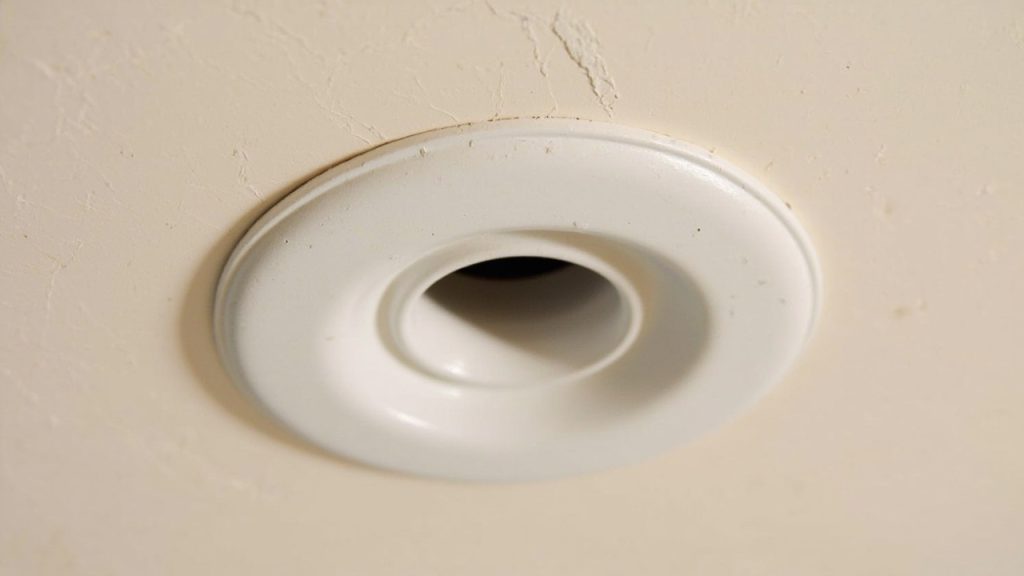
Small duct high-velocity systems are the gold standard for historic Los Angeles homes. Brands like Unico or SpacePak use flexible tubes that are only two inches in diameter. We can snake these tubes through existing wall cavities much like electrical wiring. This eliminates the need for drywall boxes or dropped ceilings in your dining room or parlor. The air enters the room through small circular vents that we can paint to match your ceiling or hide in the corners of wood paneling. In 2026, these vents are available in various finishes like brass, oak, and even custom plaster to blend into the background.
These systems work on the principle of aspiration. Instead of dumping a large volume of air into a room, they create a gentle suction that mixes the room air with the conditioned air. This results in very even temperatures from floor to ceiling. For residents who have dealt with the hot and cold spots common in older properties, this is a major upgrade. High-velocity units also excel at dehumidification. This helps protect your original wood floors and antique furniture from the swelling caused by Los Angeles humidity. In 2026, these systems are quieter than ever before, operating at decibel levels that do not interfere with normal conversation or sleep.
Specific 2026 Technical Specifications for High Velocity Systems
The 2026 models of high-velocity systems come with advanced technical metrics that favor historic preservation. Most units now feature a SEER2 rating of at least 19.0 and an HSPF2 rating of 9.5. They utilize the latest R-454B refrigerant, which is the current standard for low global warming potential. The air handlers are equipped with variable speed brushless DC motors. These motors allow the system to ramp up or down slowly, preventing the loud thud often heard when older air conditioners kick on. This is especially important for the quiet residential streets of Carthay Circle.
The static pressure in these systems is maintained at 1.5 inches of water column. This high pressure is what allows the air to move through the two inch tubes without losing efficiency. The tubes themselves are wrapped in R-8 insulation, which is the 2026 requirement for preventing energy loss in unconditioned spaces like attics or crawlspaces. Each outlet is capable of delivering thirty five to forty cubic feet of air per minute. This means a standard bedroom only requires two or three small outlets to maintain perfect comfort even during a heatwave. The system sensors now integrate with smart home platforms, allowing you to monitor the humidity levels in each room to ensure the preservation of your lath and plaster walls.
Ductless Mini Split Options for Zoned Comfort
If your Carthay Circle home has a layout that prevents even small ductwork, ductless mini splits are the next best option. In 2026, these units have become much smaller and more aesthetic. You can now find floor mounted units that look similar to traditional radiators. These sit low to the ground and do not dominate the wall space. For those who want the best results, selecting the best ductless mini split installers for historic Beverly Hills homes or Carthay properties ensures that the refrigerant lines are hidden behind downspouts or decorative trim on the exterior.
The main benefit of a ductless system is zoning. You can keep your upstairs bedrooms at sixty eight degrees while leaving the downstairs living areas at seventy four. This saves a significant amount on monthly utility bills. Since Carthay Circle homes often have high ceilings that trap heat, having independent control over each room prevents the system from running constantly to cool empty spaces. Modern 2026 units feature motion sensors that reduce output when a room is empty, further increasing your energy savings.
Performance Comparison for Historic HVAC Retrofits
Choosing the right technology depends on your specific architectural constraints and your budget for the project. Below is a comparison of the three most common methods used in 2026 for Los Angeles historic properties.
| System Type | Installation Impact | Efficiency (SEER2) | Best Architectural Match |
|---|---|---|---|
| High-Velocity (Unico) | Very Low (2 inch ducts) | 19 to 23 | Spanish Colonial and Tudor |
| Ductless Mini Split | Minimal (No ducts) | 22 to 32 | Homes with no attic space |
| Variable Speed Heat Pump | Moderate (Standard ducts) | 18 to 25 | Renovated homes with existing space |
When looking at these numbers, remember that California Title 24 standards in 2026 prioritize high efficiency. Most historic retrofits now qualify for significant rebates because they replace inefficient gas furnaces with electric heat pump technology. Residents should check the LADWP website for current rebate availability for whole home electrification projects.
Detailed Steps for the Carthay Circle HPOZ Board Application
Carthay Circle is protected by strict rules to ensure the neighborhood keeps its charm. You cannot simply install a large condensing unit on the side of your house where it is visible from the street. The Los Angeles Department of City Planning requires that mechanical equipment be screened or placed in locations that do not detract from the historic character. This involves a multi step approval process that you must complete before starting work.
The first step is the pre application consultation with the HPOZ planner. You will present your initial plan to see if it meets the general guidelines of the preservation plan. Next, you must prepare a detailed site plan. This plan must show the exact location of the proposed outdoor condenser and any exterior piping. You will need to take photos of your home from the street (the public right of way) and mark where the equipment will be. If the equipment is visible, you must include a plan for landscaping or a wooden fence that matches the architectural style to hide the unit.
Once your documents are ready, you submit the application for a Certificate of Appropriateness or an Administrative Clearance. This is then reviewed by the Carthay Circle HPOZ Board. They typically meet twice a month. You or your contractor will present the project and answer questions about the noise levels and the visual impact. In 2026, the board heavily favors electric heat pumps but remains strict about their placement. After you receive board approval, you can then apply for your mechanical and electrical permits through the Los Angeles Department of Building and Safety (LADBS). Following these steps prevents expensive fines and ensures your project is legal.
2026 Pricing and Electrification Rebate Analysis
Investing in a modern HVAC system for a historic home involves several cost factors that differ from standard new construction. In the 2026 market, a full high-velocity system for a three bedroom home in Carthay Circle typically costs between twenty thousand and thirty two thousand dollars. This includes the delicate labor of working with lath and plaster. While the initial price is higher than a traditional central air system, the long term benefits and current incentives offset the cost. For example, the whole home electrification rebates in 2026 are more accessible than ever.
Under the current federal programs, you can claim a tax credit of up to two thousand dollars for installing a high efficiency heat pump. Additionally, LADWP provides local rebates that can reach as high as three thousand dollars for residents who switch from gas to electric heating. If your home requires an electrical panel upgrade to handle the new equipment, there are additional credits available for that work. When you combine these incentives, the total cost of the system can drop by five thousand dollars or more. The energy savings from a SEER2 twenty-two system will also reduce your monthly cooling bills by forty percent compared to older units.
Heat Pumps and the Transition to Electric Heating
In 2026, gas furnace installations are becoming less common in Southern California due to local environmental goals. Modern heat pumps provide both heating and cooling from a single outdoor unit. These systems are incredibly quiet, which is important in Carthay Circle where homes sit relatively close together. You do not want a noisy compressor keeping your neighbors awake at night. Many Santa Monica homeowners are switching to heat pumps this year for similar reasons, seeking efficiency and quiet operation.
Heat pumps work by moving heat rather than creating it. In the summer, they pull heat out of your home. In the winter, they reverse the process. Even when the temperature drops during a chilly Los Angeles January, modern cold climate heat pumps remain highly effective. They eliminate the need for a gas line to the furnace, which can be a major safety benefit in older homes with aging pipes. This shift to electric heating also improves the indoor air quality of your historic home by removing the risk of carbon monoxide leaks from old heat exchangers.
Comparison of Architectural Styles and HVAC Needs
| Feature | Spanish Colonial Style | Tudor Revival Style |
|---|---|---|
| Primary Obstacle | Thick masonry and flat roofs | Steep gables and narrow attics |
| Duct Strategy | Under floor or parapet runs | Multi unit split systems |
| Wall Material | Heavy stucco and plaster | Lath and plaster with timbering |
| Unit Placement | Rear yard or hidden balconies | Side yards with heavy screening |
Protecting Your Investment with Regular Care
A historic HVAC retrofit is a major investment in your property value. Maintaining these systems is different than maintaining a standard furnace. High-velocity systems have specialized filters that must stay clean to maintain proper airflow. If you have a property with older ductwork or a hybrid setup, you should look into professional furnace maintenance in Pasadena or local Los Angeles specialists who understand the nuances of vintage home systems. Regular cleaning of the small outlets is also necessary to prevent dust streaks on your historic ceilings.
Unexpected breakdowns in the middle of a heatwave are more than just an inconvenience. They can put stress on the older electrical systems often found in Carthay Circle. If you experience an outage, seeking finding 24-7 emergency HVAC help in Los Feliz or nearby areas ensures you get a technician who knows how to handle historic wiring and delicate interiors. Quick response times prevent the indoor humidity from spiking, which protects your home from mold and wood rot. In 2026, most new systems come with remote monitoring that alerts your technician to a problem before you even notice the temperature rising.
Steps for a Successful HVAC Upgrade in Carthay Circle
Follow these steps to ensure your project stays on track and respects your home architecture.
- Conduct a load calculation to ensure the system is sized correctly for thick walls and older insulation.
- Consult with an HPOZ specialist to determine the best placement for the outdoor condenser and verify 2026 setbacks.
- Inspect the existing electrical panel to see if an upgrade to two hundred amp service is required for a new heat pump.
- Choose registers and vents that match the period of the home, such as slotted wood or brass circles.
- Verify that the contractor has experience with lath and plaster repair to avoid large cracks during the vent installation.
- Document the entire process with photos to provide to the HPOZ Board upon completion of the work.
- Submit your rebate applications to LADWP and the federal government immediately after the final inspection.
If you find yourself needing immediate assistance with an aging system before you are ready for a full upgrade, look for fast Silver Lake AC repair without overpaying to keep your current unit running through the peak of summer. This gives you the time needed to plan a thoughtful and historically accurate replacement for the following season. Proper planning ensures that you do not make a rushed decision that could damage the architectural integrity of your property.
Modernizing a Carthay Circle home requires a partner who respects the craftsmanship of the past. By choosing high-velocity technology or discreet ductless units, you can enjoy 2026 comfort levels without losing the soul of your residence. The goal is always to make the HVAC system invisible while making the comfort undeniable. If you are ready to explore how these systems can fit into your specific floor plan, reaching out for a site evaluation is the first step toward a cooler, more efficient home. Your historic home was built to last for generations, and a modern climate system ensures it remains livable for the next hundred years.
{
“@context”: “https://schema.org”,
“@type”: “BlogPosting”,
“headline”: “Updating HVAC in a Carthay Circle Historic Home Without Ruining the Architecture”,
“description”: “Learn how to install modern high-velocity HVAC and heat pumps in Carthay Circle historic homes while following HPOZ guidelines and 2026 California standards.”,
“wordCount”: 2643,
“datePublished”: “2026-03-09T13:21:00.000Z”,
“dateModified”: “2026-03-09T13:21:00.000Z”,
“inLanguage”: “en-US”,
“mainEntityOfPage”: {
“@type”: “WebPage”,
“@id”: “https://aplushvaclosangeles.com”
},
“publisher”: {
“@type”: “LocalBusiness”,
“name”: “A Plus HVAC Los Angeles”,
“url”: “https://aplushvaclosangeles.com”
},
“author”: {
“@type”: “Organization”,
“name”: “A Plus HVAC Los Angeles”,
“url”: “https://aplushvaclosangeles.com”
},
“image”: {
“@type”: “ImageObject”,
“url”: “https://aplushvaclosangeles.com/wp-content/uploads/2026/03/updating-hvac-in-a-carthay-circle-historic-home-wi-1.jpg”
}
}
{
“@context”: “https://schema.org”,
“@type”: “HVACBusiness”,
“name”: “A Plus HVAC Los Angeles”,
“url”: “https://aplushvaclosangeles.com”,
“address”: {
“@type”: “PostalAddress”,
“addressLocality”: “Los Angeles”
},
“areaServed”: {
“@type”: “City”,
“name”: “Los Angeles”
}
}
{
“@context”: “https://schema.org”,
“@type”: “BreadcrumbList”,
“itemListElement”: [
{
“@type”: “ListItem”,
“position”: 1,
“name”: “Home”,
“item”: “https://aplushvaclosangeles.com”
},
{
“@type”: “ListItem”,
“position”: 2,
“name”: “Blog”,
“item”: “https://aplushvaclosangeles.com/blog”
},
{
“@type”: “ListItem”,
“position”: 3,
“name”: “Updating HVAC in a Carthay Circle Historic Home Without Ruining the Architecture”
}
]
}
{
“@context”: “https://schema.org”,
“@type”: “Service”,
“serviceType”: “HVAC”,
“provider”: {
“@type”: “LocalBusiness”,
“name”: “A Plus HVAC Los Angeles”,
“url”: “https://aplushvaclosangeles.com”
},
“areaServed”: {
“@type”: “City”,
“name”: “Los Angeles”
},
“description”: “Learn how to install modern high-velocity HVAC and heat pumps in Carthay Circle historic homes while following HPOZ guidelines and 2026 California standards.”
}
