How to Restore or Hide Original HVAC Vents in a Highland Park Craftsman without Ruining Historic Character
Owning a Craftsman home in Highland Park means living inside a piece of Los Angeles history. These homes, built largely between 1905 and 1930, feature Douglas Fir woodwork, lath and plaster walls, and built-in buffets that define the Northeast Los Angeles aesthetic. The current 2026 climate in the San Gabriel Valley and the Los Angeles basin brings heat waves that these homes were never meant to handle. You need modern cooling, but you cannot bear the thought of cutting into your original crown molding or hiding your stained glass behind a bulky plastic unit. Restoring original vents or strategically hiding new HVAC components is the only way to maintain the architectural integrity of these bungalows. Many residents in Garvanza or near York Boulevard face the same dilemma when trying to meet current California Title 24 energy standards without ruining their historic charm.
Restoring Original Decorative Grilles and Registers
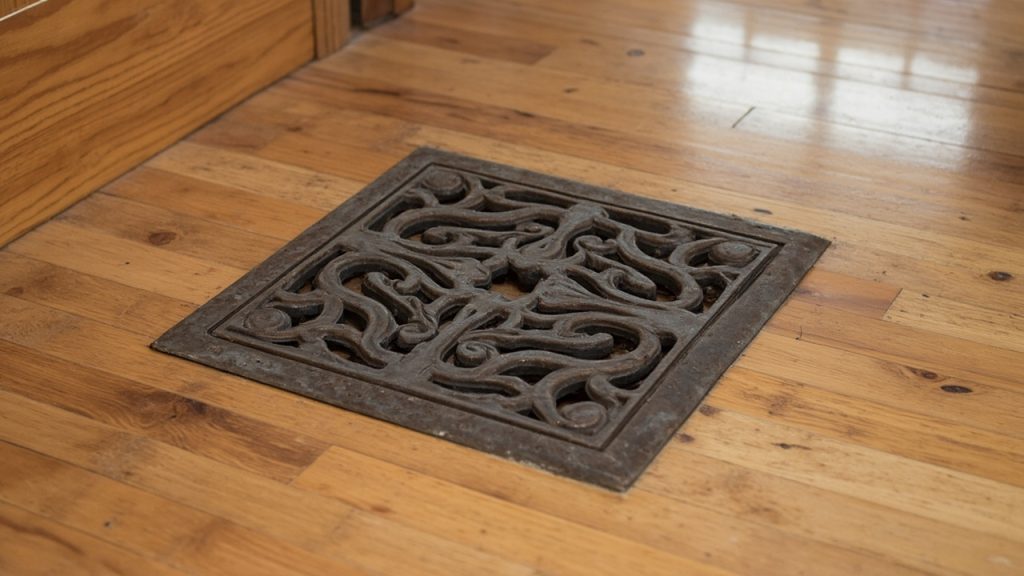
Many Craftsman homes in Highland Park still have their original cast iron floor registers or wall-mounted grilles. These were often part of old gravity furnaces or floor heaters that no longer meet safety codes. Instead of removing them and patching the floor with mismatched wood, you can restore these pieces to serve as return air vents for a modern system. Professional restoration involves stripping away a century of lead paint and soot. You can then powder-coat the metal in a matte black or oil-rubbed bronze finish that matches the period hardware of your home. This process keeps the aesthetic of the 1920s while allowing your 2026 heat pump to breathe. Using original vents for modern air distribution requires careful planning. Modern blowers move air at a much higher velocity than old gravity systems. If the original vent is too small, it will whistle or restrict airflow. A veteran technician can calculate the static pressure to see if your antique grilles can handle the cubic feet per minute requirements of a new heat pump. If the grille is too restrictive, we sometimes enlarge the opening behind the plate while keeping the original faceplate intact. This preserves the visual history without choking the motor of your indoor air handler.
Discreet HVAC Technology for Historic Bungalows
Traditional central air conditioning requires large, rectangular metal ducts. These are impossible to fit into a Highland Park Craftsman without lowering the ceilings or building unsightly soffits. To avoid this, many homeowners now choose high-velocity systems. Brands like Unico use small, flexible tubes that are only two inches in diameter. These tubes can snake through the existing cavities in your walls and floors without disturbing the lath and plaster. High-velocity vents are small circles that can be painted to match your ceiling or hidden in the corners of a room. This is the preferred method for homes in the Highland Park Historic Preservation Overlay Zone. These systems provide excellent dehumidification, which is important for preserving old wood during the humid late-summer months in Southern California. Many people are switching to heat pumps because they offer both heating and cooling in one package that fits the tight footprints of historic properties. In 2026, these units are quieter than ever and use inverter technology to maintain steady temperatures without the constant cycling of older models.
Comparing Historic Friendly HVAC Options in 2026
| System Type | Aesthetic Impact | Duct Diameter | Current SEER2 Rating |
|---|---|---|---|
| High-Velocity Systems | Minimal with 2-inch circles | 2 to 3 inches | 18 to 22 |
| Ductless Mini-Split | Moderate with wall units | No ducts needed | 20 to 30 |
| VRF Concealed Systems | Very Low through small vents | Variable sizes | 19 to 24 |
| Standard Central AC | High requires new soffits | 8 to 12 inches | 14 to 17 |
Navigating the HPOZ Approval Process in Highland Park
The Highland Park Historic Preservation Overlay Zone is one of the largest in Los Angeles. If your home is a contributing structure, you must follow specific rules for any changes that are visible from the public right of way. In 2026, the local board is especially focused on how heat pump condensers are screened from the street. You must submit a request for a Certificate of Appropriateness before starting any work that changes the exterior. This includes where refrigerant lines enter the house. We recommend using a line set cover that is painted to match your trim color. This makes the modern pipes blend into the architecture of the home. The board also looks at the placement of the outdoor unit. It should be located in a side or rear yard and screened with landscaping or wood fencing that matches the period of the house. For a recent project near Avenue 57, we worked with a homeowner to hide a high-efficiency heat pump behind a custom redwood lattice that matched their original porch detailing. This allowed them to get full approval in one meeting. If you provide technical drawings that show the vent covers will match the historic period, the process moves much faster. The current policy in 2026 encourages moving away from gas, so the city is often willing to help homeowners who are making the transition to electric systems.
Steps for HPOZ Approval
- Identify if your property is a contributing or non-contributing structure in the Highland Park district.
- Submit a Request for Certificate of Appropriateness for any visible exterior changes.
- Provide technical drawings showing the condenser unit location and screening methods.
- Specify that interior vent covers will match the historic period of the home.
- Ensure all penetrations through original siding are sealed with historically accurate materials.
- Attend the local board meeting to answer questions about the noise levels and visibility.
Maintenance Routines for High-Velocity Systems in Historic Homes
High-velocity systems require specific maintenance to keep them running quietly in a 2026 environment. Because these systems use smaller ducts, the air pressure is higher. This means that keeping the filters clean is the most important task you have. A clogged filter will make the system work much harder and can lead to frozen coils. You should check your filter every thirty days during the peak of the Los Angeles summer. Many 2026 systems now have smart sensors that will alert your phone when the static pressure changes, indicating a dirty filter. Another vital step is checking the condensate drain line. These systems remove a lot of moisture from the air, which is great for your old wood floors but means the drain line works overtime. We recommend a professional flush of the drain line every spring. This prevents water from backing up and damaging your ceiling or plaster walls. You should also have a technician check the tension on the blower belt if your specific model uses one. A loose belt causes a whistling sound that is very noticeable in the quiet nights of Mount Washington. Finally, ensure that the small round outlets are not blocked by heavy curtains or furniture. These outlets need clear space to throw the air across the room and create the cooling effect these systems are famous for.
Los Angeles Policy Updates and the 2026 Transition Away from Gas
The City of Los Angeles has implemented new mandates in 2026 that affect how we heat and cool our homes. The goal is a full transition away from gas appliances. For historic homes in Highland Park, this means that when an old floor heater or gas furnace fails, the replacement must be an electric heat pump. The city provides significant rebates through the LADWP to help cover the cost of these upgrades. These rebates often make the more expensive high-velocity systems comparable in price to a standard install. The 2026 Clean Building Ordinance also requires that any new HVAC system meets higher efficiency standards. This is good for your utility bills but requires a more sophisticated installation process. We have seen many homeowners in the hills near Occidental College save hundreds of dollars a year after making the switch. The new 2026 heat pump models are designed to handle the specific temperature swings we see in the valley, providing heat during the chilly winter mornings and powerful cooling during the triple-digit summer afternoons. If you are still using an old gas wall heater, now is the time to look into these electric alternatives before the local rebates reach their funding limits.
Concealing New Ductwork Without Damaging Lath and Plaster
If you choose a standard or VRF system, you must find a way to hide the ductwork. In a typical two-story Craftsman, the best place to hide ducts is inside closets or behind existing built-in cabinets. This technique is called a furred-out chase. By sacrificing six inches of space in the back of a closet, you can run vertical ducting to the second floor without touching the main hallway walls. This keeps the public spaces of your home looking exactly as they did a hundred years ago. Another option is the use of floor-mounted registers. Since many Craftsman homes sit on a raised foundation with a crawl space, technicians can install the entire duct system under the house. This allows the air to enter the room through the floor, much like the original heating systems. This avoids any ceiling penetrations. You do not want to cut into your original lath and plaster ceilings if you can avoid it. When you must go through a wall, we use specialized tools to make clean cuts that minimize vibration. This prevents the plaster from cracking several feet away from the work area. We always look for ways to use existing voids in the framing of the house to run our lines.
The Restoration and Installation Timeline
| Project Phase | Typical Duration | Impact on Home Use |
|---|---|---|
| Site Assessment and Manual J Load Calculation | 1 Day | No impact on daily life |
| Vent Restoration including stripping and coating | 5 to 7 Days | Vents removed for shop work |
| Duct Routing and Rough-In Phase | 3 to 5 Days | Limited access to specific work zones |
| Equipment Installation and System Startup | 2 Days | Some noise from system testing |
| HPOZ and City Final Inspection | 1 Day | Someone must be home for the inspector |
Strategic Placement of Modern HVAC Controls
The thermostat is often the most glaring modern addition to an old wall. In 2026, many smart thermostats are available in finishes that mimic brass or bronze. You can also hide the thermostat inside a small cabinet or use remote sensors that are smaller than a coin. This allows the main control unit to stay in a laundry room or hallway while the system monitors the temperature in your living room or master bedroom. This setup is perfect for the large living areas found in Garvanza homes where one sensor might not capture the full picture. If you are worried about the noise of a modern system, high-velocity units are much quieter than they were in the past. They use sound-dampening tubes that prevent the vibration of the blower from traveling through the walls. This is vital for the quiet, tree-lined streets of Highland Park where sound carries easily at night. We can also install the indoor units in an attic or a crawl space to keep the mechanical sounds away from your sleeping areas. Current 2026 models feature whisper-quiet fans that are barely audible even when running at full capacity during a heatwave.
Selecting the Right Materials for Vent Covers
When you cannot use the original vents, you should look for high-quality reproductions. Avoid the thin, stamped steel vents found at big-box hardware stores. These look cheap and out of place against heavy oak trim. Instead, look for solid brass or cast aluminum registers. Many local Los Angeles architectural salvage yards carry period-correct pieces that can be cleaned and adapted for modern use. Using a local craftsman to create custom wood vent covers that match your specific stain is another way to make the HVAC system disappear. These custom covers can be slotted into your existing baseboards or floors. This makes them look like they have been there since the house was built. The goal is a system that provides the comfort of 2026 without the visual clutter of the modern era. By focusing on high-velocity options, floor-based ducting, and careful restoration of metal grilles, you can keep your Highland Park Craftsman cool and efficient. If you need help planning an installation that respects your home history, contact a specialist who knows the unique challenges of Northeast Los Angeles architecture. We can help you navigate the city requirements and the technical needs of your historic home to ensure you stay comfortable all year long. Call us at 323-555-0199 or visit our office near the Arroyo Seco to discuss your historic restoration project.
{
“@context”: “https://schema.org”,
“@type”: “BlogPosting”,
“headline”: “How to Restore or Hide Original HVAC Vents in a Highland Park Craftsman without Ruining Historic Character”,
“description”: “Learn how to preserve your Highland Park Craftsman character in 2026 while upgrading to high-efficiency HVAC and navigating the Clean Building Ordinance.”,
“wordCount”: 2111,
“datePublished”: “2026-03-28T15:43:00.000Z”,
“dateModified”: “2026-03-28T15:43:00.000Z”,
“inLanguage”: “en-US”,
“mainEntityOfPage”: {
“@type”: “WebPage”,
“@id”: “https://aplushvaclosangeles.com”
},
“publisher”: {
“@type”: “LocalBusiness”,
“name”: “A Plus HVAC Los Angeles”,
“url”: “https://aplushvaclosangeles.com”
},
“author”: {
“@type”: “Organization”,
“name”: “A Plus HVAC Los Angeles”,
“url”: “https://aplushvaclosangeles.com”
},
“image”: {
“@type”: “ImageObject”,
“url”: “https://aplushvaclosangeles.com/wp-content/uploads/2026/03/how-to-restore-or-hide-original-hvac-vents-in-a-hi-1.jpg”
}
}
{
“@context”: “https://schema.org”,
“@type”: “HVACBusiness”,
“name”: “A Plus HVAC Los Angeles”,
“url”: “https://aplushvaclosangeles.com”,
“address”: {
“@type”: “PostalAddress”,
“addressLocality”: “Los Angeles”
},
“areaServed”: {
“@type”: “City”,
“name”: “Los Angeles”
}
}
{
“@context”: “https://schema.org”,
“@type”: “BreadcrumbList”,
“itemListElement”: [
{
“@type”: “ListItem”,
“position”: 1,
“name”: “Home”,
“item”: “https://aplushvaclosangeles.com”
},
{
“@type”: “ListItem”,
“position”: 2,
“name”: “Blog”,
“item”: “https://aplushvaclosangeles.com/blog”
},
{
“@type”: “ListItem”,
“position”: 3,
“name”: “How to Restore or Hide Original HVAC Vents in a Highland Park Craftsman without Ruining Historic Character”
}
]
}
{
“@context”: “https://schema.org”,
“@type”: “Service”,
“serviceType”: “HVAC”,
“provider”: {
“@type”: “LocalBusiness”,
“name”: “A Plus HVAC Los Angeles”,
“url”: “https://aplushvaclosangeles.com”
},
“areaServed”: {
“@type”: “City”,
“name”: “Los Angeles”
},
“description”: “Learn how to preserve your Highland Park Craftsman character in 2026 while upgrading to high-efficiency HVAC and navigating the Clean Building Ordinance.”
}
