
Precision HVAC Solutions for Los Angeles Recording Studios
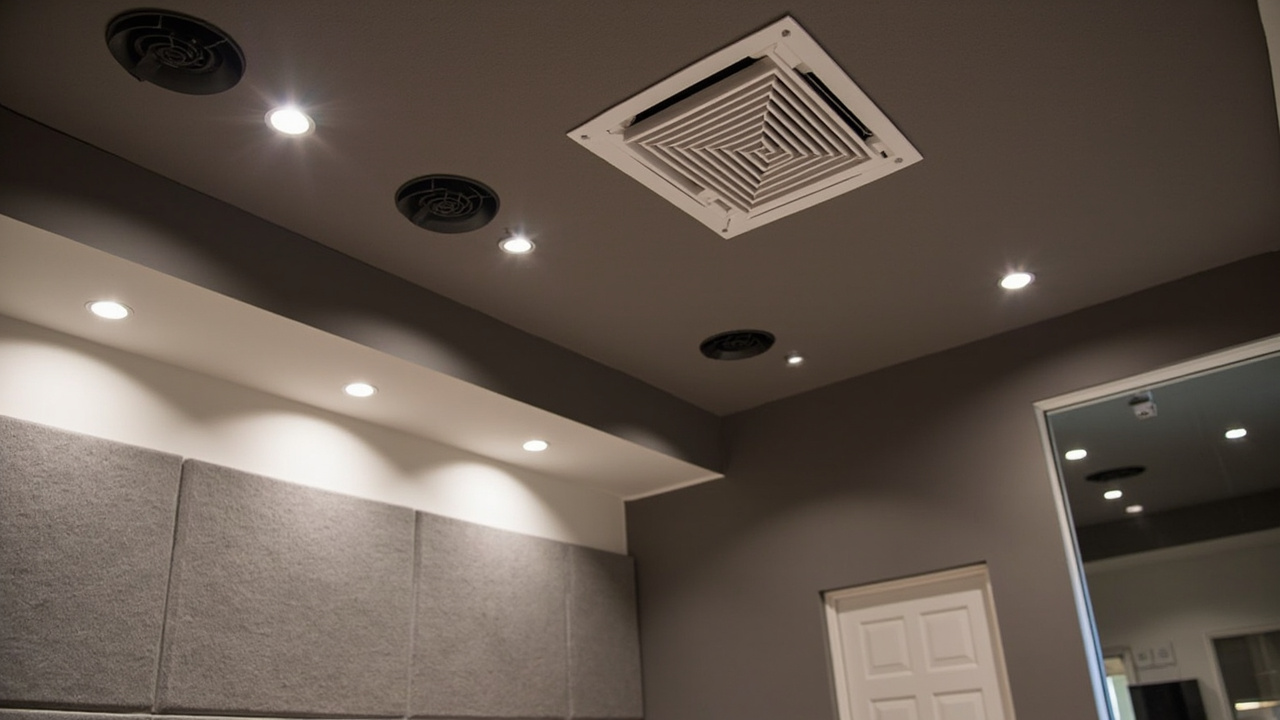
Home studio owners in Toluca Lake face a unique set of challenges when the heat of the San Fernando Valley meets the need for total silence. You might live near Riverside Drive or the Lakeside Golf Club and find that the local climate requires constant cooling for your expensive rack gear and instruments. However, standard air conditioning systems create a level of background hum that ruins a clean vocal track or a sensitive acoustic recording. Achieving professional audio results in 2026 requires a specialized approach to mechanical ventilation that prioritizes sound isolation without sacrificing the cooling power needed for Los Angeles summers.
Many producers in the neighborhood find themselves choosing between a quiet room that is too hot to work in or a cool room that is too loud to record in. This conflict happens because traditional HVAC systems move air at high speeds through narrow metal ducts. This creates turbulence and vibration that travel directly into your microphones. In a professional setting, we look for a Noise Criteria or NC rating of 15 to 20. Reaching this level of silence requires more than just buying a quiet unit. It requires a complete rethink of how air enters and exits your studio space.
The Challenge of Studio Climate Control in Toluca Lake
Toluca Lake has a specific microclimate that often stays several degrees warmer than coastal areas like Santa Monica. While someone might be Switching to Heat Pumps in Santa Monica for mild year-round comfort, your Toluca Lake studio needs a system that can handle 100-plus degree days while maintaining a dead-silent noise floor. The architectural style of many homes in this area often includes crawlspaces or attics that provide the physical room needed for acoustic treatments, but these spaces also trap heat.
Soundproofing a room usually involves making it airtight. You add layers of mass-loaded vinyl, double-stud walls, and specialized drywall. This keeps the street noise from the 134 freeway out, but it also traps the heat generated by your computer, amplifiers, and body. Without a specialized HVAC strategy, your soundproof booth becomes an oven within thirty minutes of a session. If you need Fast Silver Lake AC Repair Without Overpaying while setting up your workspace, our team can help you understand the basics of airflow before you commit to a major studio build.
Understanding Noise Criteria Ratings for Audio Work
In the world of professional acoustics, we measure the background noise of a room using Noise Criteria curves. These curves evaluate sound across different frequencies. For a home studio in a quiet residential pocket of Toluca Lake, you should aim for an NC-20 rating at a minimum. Professional commercial facilities often push for NC-15. To reach these numbers, the air coming out of your vents must move at a very low velocity. Most residential systems push air at 500 to 800 feet per minute. For a studio, we target 250 to 300 feet per minute. This lower speed prevents the whistling and rushing sounds commonly heard in offices and homes.
We also have to consider the Sound Transmission Class or STC of the walls. If we cut a hole in a high-STC wall to run a duct, we have created a sound leak. This is why we use sound baffles and plenum boxes. These components force the air to turn several corners before entering the room. Since sound travels in a straight line better than air does, these turns help dissipate the noise before it reaches your ears. Residents who are Finding 24-7 Emergency HVAC Help in Los Feliz often realize their systems were never designed for this level of detail.
Comparing Quiet HVAC Systems for 2026 Home Studios
Not all HVAC units are built the same when it comes to decibel levels. In 2026, we have access to high-efficiency systems that use variable speed compressors. These units do not just kick on at full blast. They ramp up slowly and can run at very low capacities to maintain a steady temperature with minimal noise. The following table compares common systems used in Toluca Lake studio conversions.
| System Type | Average Noise Floor | Best Use Case | Installation Complexity |
|---|---|---|---|
| Ductless Mini Split | 19 to 25 dB | Single Room Vocal Booths | Moderate |
| Variable Refrigerant Flow (VRF) | 15 to 22 dB | Multi-room Production Suites | High |
| Ducted System with Silencers | 15 to 20 dB | Professional Grade Studios | Very High |
| Standard Central Air | 35 to 45 dB | General Living Areas | Low |
We are often called the Best Ductless Mini Split Installers for Historic Beverly Hills Homes because we know how to hide these units in sensitive environments. For a studio, the ductless option is popular because it eliminates the need for large duct runs. However, the fan is inside the room with you. For the ultimate silent experience, a remote VRF system or a ducted system with heavy acoustic treatment is the superior choice.
Essential Acoustic Installation Techniques
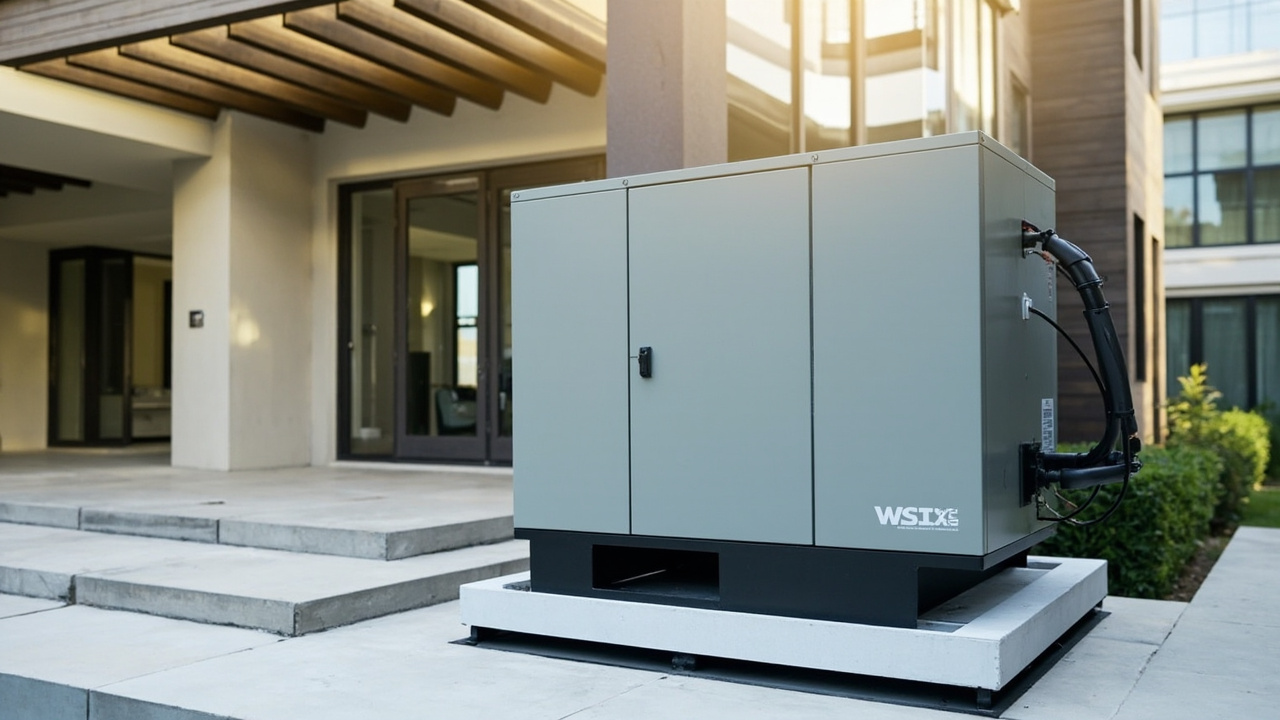
Building a quiet system involves several technical steps that go beyond a standard home installation. These methods ensure that vibration from the outdoor compressor or the indoor fan motor does not vibrate through the framing of your house and into your microphones.
- Vibration Isolation Pads. We place the indoor air handler on specialized rubber and cork pads or hang it using spring isolators to decouple it from the structure.
- Oversized Ductwork. By using larger ducts than a standard house would require, we reduce the air velocity which eliminates the sound of rushing air.
- Internal Acoustic Lining. We use fiberglass-free, antimicrobial liners inside the ducts to soak up high-frequency noise without compromising air quality.
- Plenum Boxes. These large lined boxes act as a transition point where air slows down and sound is trapped before the air enters the studio.
- Flex Ducting with Sharp Turns. Unlike a normal home where we want straight runs for efficiency, we intentionally use some S-turns in flex ducts to break up sound waves.
If you are planning a winter build, remember that Professional Furnace Maintenance in Pasadena is just as important as cooling. You want your heating element to be just as quiet as your cooling coils. A clicking igniter or a loud gas valve can be just as problematic during a take as a loud fan.
Title 24 Compliance for Modern California Studios
In 2026, every HVAC project in Los Angeles must meet strict California Title 24 energy efficiency standards. This can be tricky for studios because some of the traditional ways we make systems quiet, like using very long duct runs, can make them less energy efficient. We solve this by using high-SEER2 rated equipment that exceeds state mandates. According to the California Energy Commission, these efficiency standards help reduce the load on the grid during peak summer months, which is vital for Valley residents.
We also follow ASHRAE standards for ventilation to ensure your studio has enough fresh air. Because studio rooms are airtight, carbon dioxide can build up quickly, leading to fatigue and poor decision making during a mix. We install Energy Recovery Ventilators or ERVs that bring in fresh air from outside while pre-cooling it with the exhaust air. This keeps your air fresh without letting the Toluca Lake street noise inside.
| Feature | Requirement for Studio Performance | Title 24 Compliance Factor |
|---|---|---|
| Air Velocity | Under 300 Feet Per Minute | Requires precise fan speed control |
| Duct Insulation | R-8 or higher with acoustic liner | Meets 2026 thermal mandates |
| Fresh Air Intake | 15 to 20 CFM per person | Achieved via ERV/HRV systems |
| Thermostat Control | Smart zoning with occupancy sensors | Required for all new LA installs |
Designing the Ideal Air Path for Sound Isolation
The layout of your ductwork is just as important as the unit you choose. In many Toluca Lake homes, we have the luxury of using the attic space to create a dual-plenum system. One plenum handles the supply air, and another handles the return air. This creates a balanced pressure environment. If you only have a supply vent and no return, the air pressure in the room will build up, making the door hard to close and causing the fan to work harder and louder.
We also use Z-ducts or sound labyrinths. These are custom-built boxes lined with heavy acoustic foam. The air must travel through a maze inside the box. Every time the air hits a wall of the maze, it loses sound energy. By the time the air reaches your register, the mechanical noise from the fan has been reduced by as much as 20 decibels. This is the difference between hearing a loud hum and hearing nothing at all.

Maintaining Your Studio System for Longevity
Once your quiet system is installed, you must maintain it to keep it running at those low decibel levels. In the dusty environment of the San Fernando Valley, filters can clog quickly. A clogged filter makes the fan work harder, which increases the noise level and puts stress on the motor. We recommend high-MERV filters that are changed every three months to keep the air clean and the system quiet.
You should also check the vibration isolation mounts annually. Over time, rubber pads can harden and lose their effectiveness. If you start to hear a low-frequency rumble in your recordings that was not there before, it is often a sign that a motor is out of balance or a mounting pad has failed. Regular inspections ensure that your investment in a high-end recording space is protected for years to come.
Choosing the right partner for your studio HVAC project in Toluca Lake means working with someone who understands the intersection of mechanical engineering and acoustic science. We have spent years perfecting these installations for industry professionals across Los Angeles. If you are ready to upgrade your workspace and finally get the silence your recordings deserve, reach out to a specialist who knows the local codes and the specific needs of a modern production environment.
{
“@context”: “https://schema.org”,
“@type”: “BlogPosting”,
“headline”: “HVAC Strategies for Quiet Home Recording Studios in Toluca Lake”,
“description”: “Achieve professional Noise Criteria ratings in your Toluca Lake home studio with specialized HVAC isolation and low velocity air systems for 2026 standards.”,
“wordCount”: 1653,
“datePublished”: “2026-04-24T09:03:00.000Z”,
“dateModified”: “2026-04-24T09:03:00.000Z”,
“inLanguage”: “en-US”,
“mainEntityOfPage”: {
“@type”: “WebPage”,
“@id”: “https://aplushvaclosangeles.com”
},
“publisher”: {
“@type”: “LocalBusiness”,
“name”: “A Plus HVAC Los Angeles”,
“url”: “https://aplushvaclosangeles.com”
},
“author”: {
“@type”: “Organization”,
“name”: “A Plus HVAC Los Angeles”,
“url”: “https://aplushvaclosangeles.com”
},
“image”: {
“@type”: “ImageObject”,
“url”: “https://aplushvaclosangeles.com/wp-content/uploads/2026/03/keeping-the-noise-out-the-best-hvac-strategies-for-1.jpg”
}
}
{
“@context”: “https://schema.org”,
“@type”: “HVACBusiness”,
“name”: “A Plus HVAC Los Angeles”,
“url”: “https://aplushvaclosangeles.com”,
“address”: {
“@type”: “PostalAddress”,
“addressLocality”: “Los Angeles”
},
“areaServed”: {
“@type”: “City”,
“name”: “Los Angeles”
}
}
{
“@context”: “https://schema.org”,
“@type”: “BreadcrumbList”,
“itemListElement”: [
{
“@type”: “ListItem”,
“position”: 1,
“name”: “Home”,
“item”: “https://aplushvaclosangeles.com”
},
{
“@type”: “ListItem”,
“position”: 2,
“name”: “Blog”,
“item”: “https://aplushvaclosangeles.com/blog”
},
{
“@type”: “ListItem”,
“position”: 3,
“name”: “HVAC Strategies for Quiet Home Recording Studios in Toluca Lake”
}
]
}
{
“@context”: “https://schema.org”,
“@type”: “Service”,
“serviceType”: “HVAC”,
“provider”: {
“@type”: “LocalBusiness”,
“name”: “A Plus HVAC Los Angeles”,
“url”: “https://aplushvaclosangeles.com”
},
“areaServed”: {
“@type”: “City”,
“name”: “Los Angeles”
},
“description”: “Achieve professional Noise Criteria ratings in your Toluca Lake home studio with specialized HVAC isolation and low velocity air systems for 2026 standards.”
}
