Switching From Gas to Electric Heating in Miracle Mile (And What It Costs)
Miracle Mile homeowners are moving toward all electric living at a rapid pace in 2026. This transition from natural gas to high-efficiency heat pumps is a response to both environmental goals and the superior comfort provided by modern technology. If you live near the La Brea Tar Pits or within the historic pockets of Mid-Wilshire, you understand the unique challenges of local housing. Replacing an old gas furnace with an electric air source heat pump requires more than a simple equipment swap. It involves electrical upgrades and careful consideration of the architectural integrity of your home. This guide explains the process and the investment required for a successful conversion in the current Los Angeles market.
The move to electric heating is driven by the performance of 2026 heat pump models. These systems no longer operate like the inefficient units of the past. Modern systems utilize advanced refrigerants and variable speed compressors to provide consistent warmth even on the coldest California nights. For residents in neighborhoods like Carthay Circle and Wilshire Vista, the benefits include improved safety and the elimination of carbon monoxide risks associated with aging gas lines. Making the switch also prepares your home for future city building codes that continue to move away from fossil fuel reliance.
Understanding the Transition in Miracle Mile Homes
Most homes along the Museum Row and within the Art Deco districts of Miracle Mile were originally built with gas floor furnaces or early central gas systems. Moving to a heat pump system changes how your home feels and functions. A heat pump does not create heat through combustion. Instead, it moves heat from the outside air into your home during the winter. In the summer, the process reverses to provide cooling. This dual functionality is why many Santa Monica homeowners have already moved away from gas units.
The technical process begins with a Manual J load calculation. This calculation determines the exact heating and cooling needs of your specific Miracle Mile property. We account for the high ceilings of Spanish Colonial homes and the large windows common in local architecture. Without an accurate load calculation, a system may be too large or too small. This leads to humidity issues or frequent cycling. Once the sizing is confirmed, the removal of the old gas furnace begins. This includes safely capping the gas line and ensuring the old venting system is properly sealed to prevent drafts.
Preserving Architectural Integrity on Museum Row and Art Deco Districts
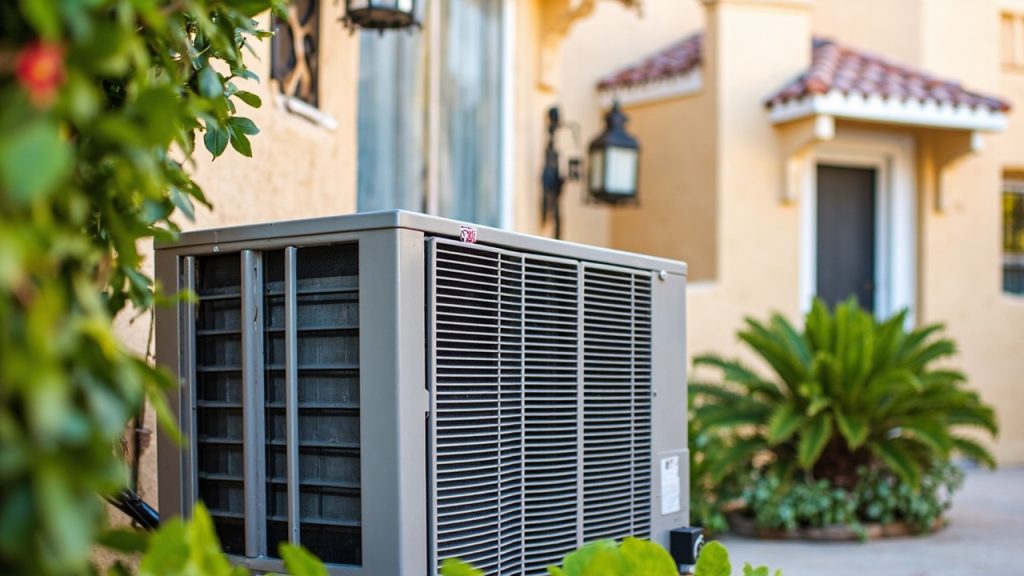
Miracle Mile is famous for its concentration of historic architecture. Maintaining the visual and structural integrity of an Art Deco or Spanish Revival home during an HVAC retrofit is a specialized task. Many homes near Wilshire Boulevard have limited attic space or shallow crawlspaces that make traditional ductwork difficult. For these properties, we often implement slim-line horizontal discharge units. These outdoor condensers have a much smaller footprint than traditional cubes. They fit perfectly in the narrow side-yards common on Dunsmuir Avenue and Ridgeley Drive.
Preserving the interior is equally important. In Art Deco homes, we avoid cutting into original plaster moldings or decorative ceiling details. We use high-velocity mini-duct systems or ductless solutions that require minimal wall penetration. If your home has a designated historic status under the Mills Act, our installation teams follow specific protocols to ensure all work remains compliant with preservation standards. This includes using discreet line-set covers that can be painted to match the exterior stucco of your Spanish Colonial Revival property. By selecting equipment with low-profile designs, we ensure the modern upgrade does not detract from the classic character of the Miracle Mile streetscape.
The Electrical Panel Upgrade Requirement
A primary hurdle for Miracle Mile gas to electric conversions is the existing electrical infrastructure. Many homes in this neighborhood still operate on 100 Amp or even 60 Amp electrical panels. A modern heat pump requires a dedicated circuit. If you plan to add an electric vehicle charger or an induction stove later, a 200 Amp panel upgrade is often necessary.
Upgrading a panel in Los Angeles involves coordination with the Los Angeles Department of Water and Power. The city requires specific permits for this work. In 2026, the demand for these upgrades is high, so scheduling should happen early in your project timeline. An undersized panel will trip breakers when the heat pump and other appliances run simultaneously. This electrical work is a significant portion of the total conversion cost but adds long-term value to the property.
Current Efficiency Standards for 2026
When selecting a system, you will encounter terms like SEER2 and HSPF2. These metrics measure cooling and heating efficiency respectively. In the Los Angeles climate, a higher HSPF2 rating is beneficial for those few chilly nights, but the SEER2 rating remains the priority for our long summers. Most premium systems in 2026 utilize inverter technology. This allows the compressor to run at variable speeds rather than just turning on and off. This results in much quieter operation and more consistent temperatures.
| System Component | Standard Efficiency | High Efficiency (Inverter) |
|---|---|---|
| Cooling Rating (SEER2) | 14.3 to 16.0 | 18.0 to 24.0+ |
| Heating Rating (HSPF2) | 7.5 to 8.5 | 9.0 to 11.0+ |
| Operational Noise Level | 70 to 76 Decibels | 54 to 65 Decibels |
| Temperature Consistency | Moderate Fluctuations | Very Precise Control |
Detailed Cost Breakdown for 2026 Conversions
The cost of switching from gas to electric depends on the complexity of the installation and the specific equipment selected. In the Miracle Mile area, the following price ranges reflect current 2026 market rates for professional installation and high-quality equipment. These figures include both the indoor air handler and the outdoor condenser unit.
| Project Category | Estimated Price Range | Key Variables |
|---|---|---|
| Heat Pump Equipment | $6,500 to $13,500 | Brand, Capacity, Efficiency Rating |
| Installation Labor | $4,500 to $9,000 | Ductwork Repairs, Accessibility, Location |
| Electrical Service Upgrade | $2,800 to $6,200 | 200 Amp Panel, Wiring, LADWP Fees |
| City Permits and Inspections | $600 to $1,800 | Plan Check, Structural Review |
| Refrigerant Line and Drainage | $1,200 to $3,000 | Line-set Length, Pump Installation |
Total project costs often range between $15,000 and $30,000 before rebates. While the initial investment is higher than a standard gas furnace replacement, the long-term utility savings and increase in home value provide a strong return. Many homeowners find that the elimination of a monthly gas service charge adds up significantly over a decade. Additionally, the enhanced air filtration of modern electric systems reduces dust and allergens, which is a major benefit for those living near the construction projects along the Purple Line extension.
Local Rebates and Financial Incentives in Los Angeles
The cost of switching to electric heating is offset by several current programs. The TECH Clean California initiative provides substantial rebates for homeowners moving from gas to electric heat pumps. Additionally, the federal government offers tax credits under the Inflation Reduction Act. These credits can cover a large percentage of the equipment cost.
LADWP also offers local incentives for energy-efficient upgrades. These programs often require that the installation be performed by a licensed contractor who is part of their approved network. We recommend checking the current rebate portal before starting your project. These funds are often distributed on a first-come basis and can change as quarterly goals are met. Combining federal tax credits with state and local rebates often makes the electric transition comparable in price to a standard gas furnace replacement.
Technical FAQ Regarding Modern Refrigerants
The transition to electric heat pumps in 2026 involves the use of new refrigerants like R-32 and R-454B. These substances replaced R-410A to meet stricter environmental standards. Understanding these changes helps you make an informed decision for your home.
What is the difference between R-32 and R-454B refrigerants?
R-32 is a single-component refrigerant that offers higher efficiency and better heat transfer than older options. R-454B is a blend designed specifically for systems where low global warming potential is the priority. Both are classified as A2L refrigerants, which means they are mildly flammable but safe for residential use when installed in compliant systems. In 2026, most major manufacturers have standardized one of these two options based on their specific compressor designs.
Are these new refrigerants safe for my family?
Yes. Systems using R-32 or R-454B include built-in safety features like leak detection sensors. If a leak occurs, the system automatically shuts down and activates the blower fan to disperse the refrigerant safely. These safety measures are mandatory for all 2026 installations. The risk level is extremely low and significantly safer than the combustion risks associated with old gas furnaces.
Can I use my existing refrigerant lines for R-32?
In most cases, we recommend installing new copper line-sets. R-32 and R-454B operate at different pressures and use different lubricants than older R-22 or R-410A systems. Using old pipes can lead to compressor failure or efficiency loss. If the lines are buried in the walls of a historic Miracle Mile home and cannot be reached, we must perform a professional flush and pressure test, though new lines remain the gold standard for 2026 reliability.
Installation Steps for a Gas to Electric Conversion
Changing your fuel source is more involved than a simple swap. Our teams follow a specific sequence to ensure the system performs at peak efficiency.
- Perform a thorough inspection of existing ductwork to ensure it can handle the airflow requirements of a heat pump.
- Safe decommissioning and removal of the existing gas furnace and venting pipes.
- Installation of the new indoor air handler, often in the same closet or attic space.
- Mounting the outdoor condenser on a level pad with vibration isolators to keep the system quiet.
- Running a new high-voltage electrical line from the main panel to the indoor and outdoor units.
- Installation of a new refrigerant lineset and condensate drainage system.
- Testing the system under load and calibrating the new smart thermostat.
If you live in a historic home where ductwork is not feasible, you might look into ductless mini split installers in Beverly Hills and Miracle Mile. These systems bypass the need for large ducts and allow for individual room control. This is especially useful for upper floors in Spanish Revival homes that stay warmer than the ground level.
Comparing Dual Fuel and Full Electric Systems
Some residents are not ready to go fully electric. A dual fuel system, also known as a hybrid system, uses an electric heat pump for most of the year but keeps a gas furnace for the coldest days. While this is less common in the mild Miracle Mile climate, it is an option for those who already have a relatively new gas furnace. However, most 2026 installations favor full electric heat pumps because they eliminate the gas bill entirely.
| Feature | Full Electric Heat Pump | Dual Fuel (Hybrid) System |
|---|---|---|
| Primary Fuel Source | Electricity Only | Electricity and Natural Gas |
| Indoor Air Quality | Highest (No combustion) | Improved (Partial combustion) |
| Maintenance Needs | Single System Service | Maintenance for Both Gas and Electric |
| Carbon Footprint | Lowest Possible | Moderate |
Maintenance Requirements for New Electric Systems
Once your new system is installed, maintaining it is simpler than a gas furnace. There are no burners to clean or heat exchangers to inspect for cracks. However, regular service remains necessary to protect your investment. We suggest seasonal tune-ups to check refrigerant levels and clean the coils. This is similar to the furnace maintenance in Pasadena that we provide for residents with older setups.
Miracle Mile can be dusty due to proximity to major construction and the natural environment near the tar pits. Filters should be checked every month and replaced at least every quarter. A clogged filter will force the heat pump to work harder, which increases your electricity bill and shortens the lifespan of the blower motor. We also recommend checking the outdoor unit for any debris from local landscaping that might block airflow.
For those who experience sudden system failures, we offer emergency HVAC help in Los Feliz and the surrounding areas. We also provide Silver Lake AC repair for residents who need immediate assistance with their cooling systems. Making the switch to a modern electric system significantly reduces the likelihood of these emergency calls because you are starting with new, reliable components and eliminating the risks of gas leaks or pilot light failures.
If you are ready to explore a gas to electric conversion for your Miracle Mile home, the first step is a professional assessment. We can help you navigate the rebates and technical requirements to ensure your transition is smooth and effective. Contact us to schedule a consultation and begin the process of modernizing your home heating and cooling system for the 2026 season.
{
“@context”: “https://schema.org”,
“@type”: “BlogPosting”,
“headline”: “Switching From Gas to Electric Heating in Miracle Mile (And What It Costs)”,
“description”: “Learn about the cost and process of gas to electric heating conversions in Miracle Mile for 2026. Find info on heat pumps, rebates, and historic home solutions.”,
“wordCount”: 2102,
“datePublished”: “2026-04-25T06:40:00.000Z”,
“dateModified”: “2026-04-25T06:40:00.000Z”,
“inLanguage”: “en-US”,
“mainEntityOfPage”: {
“@type”: “WebPage”,
“@id”: “https://aplushvaclosangeles.com”
},
“publisher”: {
“@type”: “LocalBusiness”,
“name”: “A Plus HVAC Los Angeles”,
“url”: “https://aplushvaclosangeles.com”
},
“author”: {
“@type”: “Organization”,
“name”: “A Plus HVAC Los Angeles”,
“url”: “https://aplushvaclosangeles.com”
},
“image”: {
“@type”: “ImageObject”,
“url”: “https://aplushvaclosangeles.com/wp-content/uploads/2026/03/switching-from-gas-to-electric-heating-in-miracle-1.jpg”
}
}
{
“@context”: “https://schema.org”,
“@type”: “HVACBusiness”,
“name”: “A Plus HVAC Los Angeles”,
“url”: “https://aplushvaclosangeles.com”,
“address”: {
“@type”: “PostalAddress”,
“addressLocality”: “Los Angeles”
},
“areaServed”: {
“@type”: “City”,
“name”: “Los Angeles”
}
}
{
“@context”: “https://schema.org”,
“@type”: “BreadcrumbList”,
“itemListElement”: [
{
“@type”: “ListItem”,
“position”: 1,
“name”: “Home”,
“item”: “https://aplushvaclosangeles.com”
},
{
“@type”: “ListItem”,
“position”: 2,
“name”: “Blog”,
“item”: “https://aplushvaclosangeles.com/blog”
},
{
“@type”: “ListItem”,
“position”: 3,
“name”: “Switching From Gas to Electric Heating in Miracle Mile (And What It Costs)”
}
]
}
{
“@context”: “https://schema.org”,
“@type”: “Service”,
“serviceType”: “HVAC”,
“provider”: {
“@type”: “LocalBusiness”,
“name”: “A Plus HVAC Los Angeles”,
“url”: “https://aplushvaclosangeles.com”
},
“areaServed”: {
“@type”: “City”,
“name”: “Los Angeles”
},
“description”: “Learn about the cost and process of gas to electric heating conversions in Miracle Mile for 2026. Find info on heat pumps, rebates, and historic home solutions.”
}
