Building an Accessory Dwelling Unit in Eagle Rock presents unique challenges that main residences rarely face. These smaller footprints require a specific approach to heating and cooling. You are likely dealing with tight lot lines near Colorado Boulevard or converting a vintage garage tucked behind a 1920s bungalow. The goal is to maximize every square inch of living space while staying compliant with strict California energy codes. In 2026, the focus has shifted entirely toward electrification and high-efficiency heat pump technology. Choosing the wrong system can lead to short cycling, high utility bills, and noise complaints from neighbors who live only feet away from your new unit. You must also account for ADU construction costs when planning your mechanical budget to ensure long-term ROI.
Eagle Rock experiences significant temperature swings due to its location near the San Rafael Hills. Summer days often reach triple digits while winter nights can drop into the low 40s. A standard window unit or a portable air conditioner will not cut it for a permanent dwelling. You need a system that provides consistent comfort without occupying valuable floor space. Modern ADUs in Los Angeles must meet Title 24 requirements which dictate everything from insulation levels to HVAC efficiency ratings. This guide helps you navigate these technical requirements so your new build stays permitted and comfortable through every season. You should also consult local Eagle Rock permitting guides before selecting your final equipment layout.
Understanding Title 24 Requirements in 2026
Every new ADU in Los Angeles must adhere to the current California Building Standards Code. These regulations prioritize energy conservation and demand-side management. In 2026, the state has moved away from gas-fired appliances in favor of electric solutions. This means your ADU will use a heat pump for both heating and cooling. Heat pumps are efficient because they move heat rather than generating it from fuel. For homeowners in Eagle Rock, this alignment with state goals translates to smoother permit approvals and lower long-term operating costs.
Compliance involves more than just picking a high-efficiency unit. You must consider the cooling capacity relative to the square footage. An oversized unit will cool the room too quickly without removing humidity. This leaves the air feeling clammy and cold. A professional load calculation known as a Manual J is necessary to determine the exact needs of your space. This calculation accounts for the orientation of your ADU, the number of windows, and the type of insulation used in the walls. You can find more details on these federal standards via the U.S. Department of Energy website which outlines how these systems function in different climates.
The Science of Manual J Calculations
A Manual J calculation is the industry standard for sizing HVAC equipment. In the tight confines of an Eagle Rock ADU, every British Thermal Unit or BTU counts. We look at the sensible heat and latent heat. Sensible heat is the temperature you see on the thermostat. Latent heat refers to the moisture levels in the air. For an ADU near the Yosemite Recreation Center, we have to consider the specific shade patterns of the local oak trees. If your ADU is tucked under a large canopy, your cooling load drops significantly during the summer.
We also evaluate the U-factor of your windows and the R-value of your insulation. Current 2026 codes require high-performance envelopes. This means your ADU stays warmer in the winter and cooler in the summer. If we size the system based on old rules of thumb like 500 square feet per ton, we will fail. Modern ADUs are so well-insulated that they often need much less cooling than you might expect. Over-sizing leads to short cycling. This is when the compressor turns on and off too frequently. It destroys the equipment and wastes electricity. We use software to model the heat gain from your appliances and the heat loss through your floor slab. This ensures your unit runs at peak efficiency during the hottest August afternoons.
Technical Differences Between SEER and SEER2 Ratings
You may see references to both SEER and SEER2 when shopping for equipment. SEER stands for Seasonal Energy Efficiency Ratio. SEER2 is the updated standard that became mandatory for all new equipment. The main difference lies in the testing procedure known as M1. In the old SEER testing, the external static pressure was set at 0.1 inches of water column. This was unrealistic because most duct systems create much more resistance than that. SEER2 tests equipment at 0.5 inches of water column. This provides a much more accurate representation of how the system performs in your actual home.
For an Eagle Rock homeowner, a SEER2 rating tells you how the unit handles the resistance of the internal coils and the filters. A unit with a 20 SEER2 rating is significantly more efficient than an older 20 SEER unit. The math behind SEER2 accounts for the electricity consumed by the blower motor while fighting against the static pressure of the system. This is why 2026 building codes in California focus exclusively on SEER2. When you compare models, always look for the SEER2 sticker. It ensures you are comparing the same performance metrics under the new, tougher testing conditions. Higher ratings often lead to faster payback periods despite the higher initial purchase price.
The Advantage of Ductless Mini-Splits
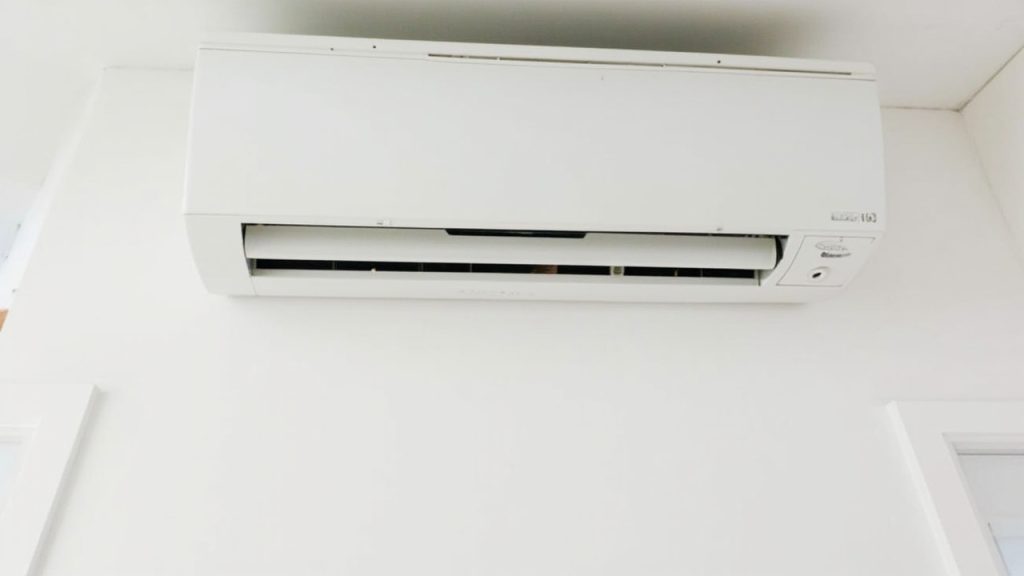
Ductless mini-splits are the most popular choice for ADUs in neighborhoods like Eagle Rock and Silver Lake. These systems consist of an outdoor condenser and one or more indoor air handlers mounted on the wall. They do not require bulky ductwork which is perfect for garage conversions where ceiling height is limited. Mini-splits offer control over the climate of the ADU. If the unit is a two-story build or a larger detached structure, you can install multiple indoor heads. Each head acts as its own zone. This allows a tenant to keep the bedroom cool while saving energy in the living area.
The lack of ducts means there is no energy loss associated with leaky or poorly insulated ductwork in an attic space. In the tight residential lots common in Eagle Rock, the quiet operation of these units is a benefit. Most modern condensers run at decibel levels lower than a normal conversation. In 2026, these units also feature advanced inverter technology. This allows the compressor to speed up or slow down based on demand. It does not just blast cold air at full speed. It modulates to maintain a steady temperature within a fraction of a degree. This precision prevents the uncomfortable temperature swings associated with older central systems.
| System Type | Efficiency SEER2 | Installation Time | Best For |
| Ductless Mini-Split | 20 to 30 plus | 1 to 2 days | Garage conversions and small studios |
| Ducted Mini-Split | 18 to 24 | 3 to 5 days | Modern new builds with attic space |
| Central Heat Pump | 16 to 22 | 4 to 6 days | Large ADUs over 1000 square feet |
| Packaged Heat Pump | 14 to 18 | 1 to 2 days | Wall-mount applications with no yard space |
Ducted Mini-Splits for a Seamless Look
Some homeowners prefer an aesthetic where the HVAC components are hidden. Ducted mini-splits offer a compromise between a full central air system and a ductless unit. These systems use a compact air handler hidden in a small crawlspace or a drop ceiling. Short runs of ductwork deliver air to discrete vents in each room. This setup is ideal for ground-up ADU builds where you have the flexibility to design the ceiling joists to accommodate the equipment. It provides a clean finish that many renters in the Los Angeles market find appealing.
While more expensive to install than ductless versions, ducted mini-splits are often quieter inside the living space. There is no large plastic unit on the wall. Instead, you only see small registers. This is a common choice for high-end ADUs. Proper airflow design is critical here to ensure the short duct runs do not create static pressure issues for the blower motor. We ensure the return air path is clear so the system can breathe. A restricted return will cause the indoor coil to freeze up even in the middle of an Eagle Rock heatwave. Maintenance access is also a factor. We place the air handler where it can be serviced without tearing out drywall.
Smart Home Integration for ADU Rentals
If you plan to use your Eagle Rock ADU as a rental property, smart home integration is essential. In 2026, thermostats from brands like Ecobee or Google Nest allow you to monitor energy usage from your smartphone. You can set temperature limits to prevent tenants from running the AC at 60 degrees with the windows open. Many systems now include geofencing. This feature detects when the tenant leaves the property and adjusts the temperature to an energy-saving mode automatically. It saves money on your LADWP bill without requiring any manual effort.
Smart integration also allows for remote diagnostics. If the system starts to struggle, it can send an alert to your phone before the unit fails. This prevents emergency repair calls on a Saturday night. You can also integrate the HVAC with smart window sensors. If a tenant opens a large sliding door to enjoy the breeze from the San Rafael Hills, the AC can shut off automatically. This level of control is standard for 2026 ADU builds. It protects your investment and ensures the equipment is not abused by occupants who are not paying the utility bills. These systems also track filter life and remind you when it is time for a replacement.
Seasonal Maintenance for the Eagle Rock Climate
The climate in Eagle Rock can be harsh on HVAC equipment. We deal with heavy dust from the nearby hills and intense Santa Ana winds in the fall. Regular maintenance is the only way to ensure your system lasts its full 15 year lifespan. You should clean the outdoor condenser coils every spring. If dirt and pollen build up on those coils, the system cannot reject heat efficiently. This forces the compressor to work harder and raises your electricity costs. It also leads to component failure during the hottest weeks of July.
Indoor maintenance is just as important. For ductless systems, you must wash the plastic mesh filters every two weeks. If you have a ducted system, change the MERV 11 or MERV 13 filters every three months. During the June Gloom period, the humidity levels in Los Angeles can rise. This is when we check the condensate drain lines. If algae or dust clogs these lines, water will back up and leak into your ADU walls. We recommend a professional tune up twice a year. One before the cooling season starts and one before the winter chill arrives in December. This proactive approach keeps your energy efficiency high and your repair costs low.
| Installation Step | Average Duration | Key Requirement |
| Permit Application | 2 to 4 weeks | Approved Title 24 report |
| Equipment Sizing | 1 to 2 hours | Manual J load calculation |
| Rough-in Phase | 1 to 2 days | Placement of refrigerant lines and electrical |
| Final Installation | 1 day | Pressure testing and refrigerant charging |
| City Inspection | 1 day | Verification of code compliance and safety |
Noise Ordinances and Condenser Placement
The City of Los Angeles has strict rules regarding noise. Section 112.02 of the Los Angeles Municipal Code states that air conditioning equipment cannot exceed the ambient noise level by more than five decibels at the property line. In Eagle Rock, where houses are built close together, this is a major hurdle. If you place a loud unit right next to your neighbor’s bedroom window, you will receive a citation. Quality heat pumps are designed with noise dampening blankets around the compressor and variable speed fans that ramp up slowly to avoid loud startups.
Placement also impacts efficiency. A condenser that is boxed in by fences or trash enclosures will not get enough airflow. This causes the system to overheat and fail prematurely. We recommend placing the unit on the side of the ADU that receives the least direct afternoon sun. This helps the unit reject heat more easily during scorching afternoons. If the unit is placed in a narrow side yard, we ensure there is at least 24 inches of clearance on all sides for proper air intake. We also use vibration-dampening pads to keep the sound from traveling through the foundation and into the living space. Proper mounting prevents the low-frequency hum of the compressor from vibrating through the floor joists.
LADWP and SCE Rebate Opportunities
The transition to green energy in 2026 is supported by financial incentives. The Los Angeles Department of Water and Power offers substantial rebates for residents who install high-efficiency heat pumps. These rebates can cover a significant portion of the equipment cost. To qualify, the system must meet specific energy benchmarks that exceed the standard building code. You can check the current rebate levels at the LADWP official site to see which models are eligible for the highest payouts. These programs change frequently, so we always check the latest requirements during the planning phase.
Southern California Edison also provides programs for homes in areas they service. These programs are part of a push to reduce the load on the grid during peak hours. By installing a smart thermostat alongside your new heat pump, you may qualify for ongoing credits. This is beneficial for ADUs that are being used as guest houses. Many homeowners find that the move to heat pumps is driven by these financial incentives. In 2026, the tax credits provided by the federal government also remain a factor. We provide the necessary documentation to ensure you receive every dollar you are owed for making an energy-efficient choice. Combining local and federal incentives often reduces the cost gap between standard and high-performance equipment.
Indoor Air Quality in Tight ADU Enclosures
Modern ADUs are built to be airtight to meet energy standards. While this is great for efficiency, it can be bad for air quality. Without proper ventilation, pollutants like cooking odors and pet dander can build up. You should consider adding an Energy Recovery Ventilator to your HVAC system. An ERV brings in fresh outdoor air and exhausts stale indoor air while transferring the temperature from the outgoing air to the incoming air. This provides fresh air without wasting the energy you spent to cool the room. It is a critical component for small spaces where air can become stagnant quickly.
- Choose a unit with a high MERV rating for better filtration of local allergens.
- Install a smart thermostat to monitor humidity levels automatically.
- Ensure the condensate drain line is properly sloped and terminates in a safe location.
- Plan for regular coil cleaning to maintain heat exchange efficiency.
- Verify that the outdoor unit is mounted on a level, vibration-dampening pad.
- Keep the area around the outdoor condenser clear of leaves and debris.
Eagle Rock residents often deal with dust and pollen from the hills. A high-quality filtration system is a necessity for maintaining a healthy living environment in a small space. Make sure you know how to access the filters in your specific unit. Some ceiling-mounted models require a ladder or special tools to open the grate. We recommend using filters that can trap particles as small as 0.3 microns to keep the air inside your ADU cleaner than the air outside. Proper filtration also protects the internal components of your HVAC system from dust buildup which preserves efficiency.
Common Questions About Eagle Rock ADU HVAC
Do I need a separate permit for HVAC in an ADU build? Yes. While the HVAC is usually part of your main building permit, it requires specific inspections. The city inspector will check the electrical connections, the refrigerant line pressure, and the condensate drainage. They also verify that the unit matches the Title 24 report submitted during the planning phase. If you change models mid-project, you must update your paperwork to avoid failing the final inspection. This ensures the safety and efficiency of your mechanical systems.
How much does it cost to run a heat pump in an ADU? In 2026, heat pumps are the most cost-effective way to heat and cool a small space. Because they use electricity, the cost depends on your utility tier. Most well-insulated ADUs under 800 square feet cost very little to keep comfortable. Using a smart thermostat to manage the system during peak hours can further reduce these costs. Heat pumps are roughly three to four times more efficient than electric baseboard heaters because they use electricity to move heat rather than create it through resistance.
Can I use a window unit instead of a heat pump? No. Window units do not meet the Title 24 energy requirements for new residential dwellings in California. They are also noisy and block natural light. For a legal, permitted ADU in Los Angeles, you must have a permanently installed heating and cooling system. A mini-split or a central heat pump is the standard requirement. Window units are considered temporary appliances and do not count toward the habitability requirements of a new build. Attempting to use them will result in a failed certificate of occupancy.
What is the lifespan of a mini-split system in Eagle Rock? With proper maintenance, a high-quality mini-split should last 15 years. The salt air is not a major factor in Eagle Rock, but the heat is. Units that are forced to run at 100 percent capacity all summer will fail sooner. This is why proper sizing is so important. A correctly sized unit that modulates its speed will experience much less wear and tear on the compressor. Regular cleaning of the outdoor unit is the best way to extend the life of your equipment and avoid expensive premature replacements.
Final Considerations for Your Eagle Rock Build
Your choice of HVAC system will impact the comfort and value of your ADU for years. By focusing on high-efficiency heat pump technology, you satisfy current building codes while keeping future energy costs manageable. Focus on quiet operation to keep your neighbors happy and use professional sizing tools to ensure the system lasts its full expected lifespan. Whether you choose a sleek ductless unit or a hidden ducted system, the key is proper installation by a team that understands the demands of the Los Angeles climate. Take the time to review the available rebates and prepare your documentation early in the construction process to maximize your savings. If you are ready to design a custom climate solution for your new accessory dwelling unit, contact our local specialists today to start the load calculation process and ensure your Eagle Rock project is a success.
{
“@context”: “https://schema.org”,
“@type”: “BlogPosting”,
“headline”: “Choosing the Best HVAC System for Your New Eagle Rock ADU”,
“description”: “Learn how to select the most efficient HVAC system for your Eagle Rock ADU in 2026 while meeting Title 24 standards and maximizing your small living space.”,
“wordCount”: 3100,
“datePublished”: “2026-02-09T07:23:00.000Z”,
“dateModified”: “2026-02-09T07:23:00.000Z”,
“inLanguage”: “en-US”,
“mainEntityOfPage”: {
“@type”: “WebPage”,
“@id”: “https://aplushvaclosangeles.com”
},
“publisher”: {
“@type”: “LocalBusiness”,
“name”: “A Plus HVAC Los Angeles”,
“url”: “https://aplushvaclosangeles.com”
},
“author”: {
“@type”: “Organization”,
“name”: “A Plus HVAC Los Angeles”,
“url”: “https://aplushvaclosangeles.com”
},
“image”: {
“@type”: “ImageObject”,
“url”: “https://aplushvaclosangeles.com/wp-content/uploads/2026/03/choosing-the-best-hvac-system-for-your-new-eagle-r-1.jpg”
}
}
{
“@context”: “https://schema.org”,
“@type”: “HVACBusiness”,
“name”: “A Plus HVAC Los Angeles”,
“url”: “https://aplushvaclosangeles.com”,
“address”: {
“@type”: “PostalAddress”,
“addressLocality”: “Los Angeles”
},
“areaServed”: {
“@type”: “City”,
“name”: “Los Angeles”
}
}
{
“@context”: “https://schema.org”,
“@type”: “BreadcrumbList”,
“itemListElement”: [
{
“@type”: “ListItem”,
“position”: 1,
“name”: “Home”,
“item”: “https://aplushvaclosangeles.com”
},
{
“@type”: “ListItem”,
“position”: 2,
“name”: “Blog”,
“item”: “https://aplushvaclosangeles.com/blog”
},
{
“@type”: “ListItem”,
“position”: 3,
“name”: “Choosing the Best HVAC System for Your New Eagle Rock ADU”
}
]
}
{
“@context”: “https://schema.org”,
“@type”: “Service”,
“serviceType”: “HVAC”,
“provider”: {
“@type”: “LocalBusiness”,
“name”: “A Plus HVAC Los Angeles”,
“url”: “https://aplushvaclosangeles.com”
},
“areaServed”: {
“@type”: “City”,
“name”: “Los Angeles”
},
“description”: “Learn how to select the most efficient HVAC system for your Eagle Rock ADU in 2026 while meeting Title 24 standards and maximizing your small living space.”
}
