How to Choose the Right AC Size for a Valley Village Bungalow
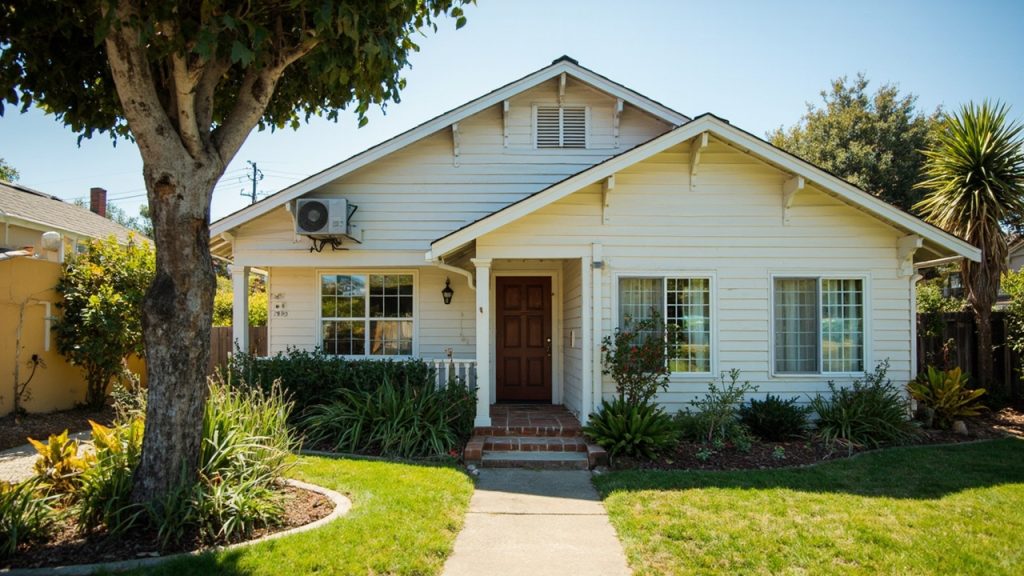
Valley Village bungalow owners face a specific challenge when summer arrives. These homes often feature charming architecture from the middle of the last century but struggle with modern heat loads. Most residences in this part of the San Fernando Valley sit in a microclimate that stays significantly hotter than coastal areas like Santa Monica. Choosing an air conditioner for these smaller footprints requires precision. If you pick a unit that is too small, it will run constantly and fail to reach your target temperature. If you pick a unit that is too large, it will short cycle. This means the compressor turns on and off rapidly. It leads to high humidity and premature equipment failure. You need the right capacity to ensure comfort and efficiency in the current 2026 climate.
Understanding Cooling Capacity and British Thermal Units
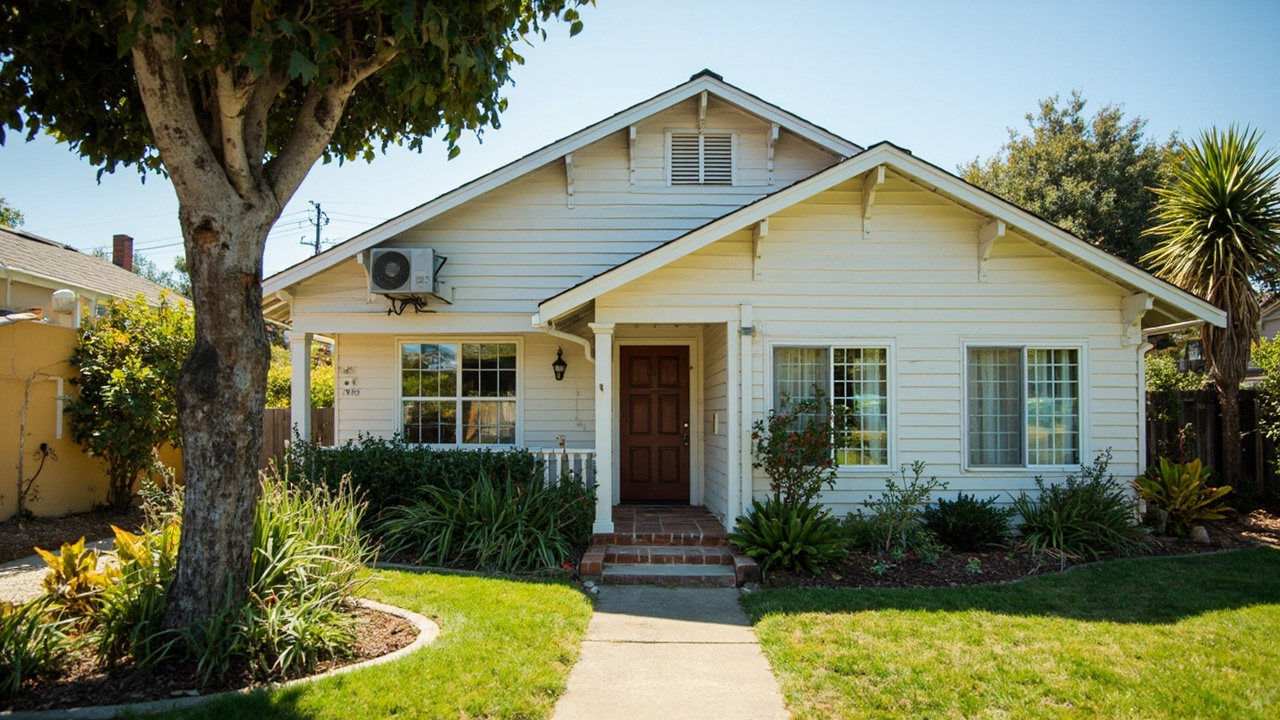
Heating and cooling professionals measure air conditioning capacity in British Thermal Units or BTUs. This number tells you how much heat an air conditioner can remove from a room in one hour. For a typical Valley Village bungalow with standard eight foot ceilings, the calculation starts with square footage. However, you must also consider the unique heat gain of the San Fernando Valley. Temperatures in this neighborhood frequently climb above one hundred degrees during July and August. This environmental factor increases the cooling load beyond what a standard online calculator might suggest. You must account for the intensity of the sun hitting your roof and walls throughout the afternoon.
Most bungalow layouts in this area range from eight hundred to one thousand five hundred square feet. A small unit might provide twelve thousand BTUs which equals one ton of cooling. Larger residential systems for these homes usually top out at thirty six thousand BTUs or three tons. Most local experts recommend adding a twenty percent buffer to the base BTU requirement to handle the extreme heat spikes common in the current year. This ensures your system does not struggle when the local weather forecast calls for record breaking heat in the valley.
Manual J Load Calculations for California Homes
Professional HVAC technicians do not rely on guesses or simple charts. We use a process called a Manual J load calculation. This is the industry standard recognized by the Air Conditioning Contractors of America. This calculation looks at the entire thermal envelope of your home. It includes the orientation of your windows, the type of insulation in your attic, and the materials used in your walls. Many Valley Village homes still have original lath and plaster walls. These materials hold heat differently than modern drywall. A Manual J calculation takes these details into account to provide an exact tonnage requirement.
California Title 24 energy codes now require strict adherence to these sizing standards for any new installation or major upgrade in 2026. These rules exist to reduce energy waste across the state power grid. If your system is oversized, it wastes electricity every time it starts up. If it is undersized, it puts a strain on the Los Angeles Department of Water and Power infrastructure during peak hours. Getting a professional calculation protects your investment and keeps your home compliant with current state building regulations.
BTU Requirements for Common Bungalow Sizes
This table provides a baseline for cooling needs in the San Fernando Valley climate. These figures assume standard insulation and average window counts. If your home has large west facing windows or poor attic insulation, you may need to move up to the next size level.
| Square Footage | Standard BTU Need | Valley Village Adjusted BTU Need | Tonnage Equivalent |
|---|---|---|---|
| 700 to 900 | 18,000 | 21,000 | 1.5 to 2.0 Tons |
| 1,000 to 1,200 | 21,000 | 24,000 | 2.0 Tons |
| 1,300 to 1,500 | 24,000 | 30,000 | 2.5 Tons |
| 1,600 to 1,800 | 30,000 | 36,000 | 3.0 Tons |

The Impact of San Fernando Valley Architecture
Valley Village is known for its post war cottages and traditional bungalows. Many of these homes have crawlspaces and raised foundations. This architectural style affects how air flows through the home. Older ductwork hidden in these crawlspaces often leaks as much as thirty percent of the conditioned air before it reaches your living room. When we size a new unit, we must inspect the integrity of the delivery system. If your ducts are old, a larger AC unit will not solve your comfort problems. It will only push more cold air into the dirt beneath your house.
Ceiling height also plays a major role in your cooling strategy. Some bungalows in the neighborhood feature vaulted ceilings or converted attic spaces. These areas trap heat and require more powerful airflow. If you have recently added an Accessory Dwelling Unit or ADU to your property, your main system may no longer be sufficient to handle the total load. Many homeowners are now switching to heat pumps this year to manage these specific cooling needs more efficiently. Heat pumps offer excellent performance for the moderate Los Angeles winters and the intense summer heat.
Comparing Cooling Systems for Small Los Angeles Footprints
Choosing the right size also involves choosing the right technology. Not every bungalow needs a massive central air conditioner. In 2026, technology allows for more modular options. You can choose from traditional split systems, packaged units, or high efficiency mini splits. Each has a different impact on your home aesthetics and monthly utility costs.
| System Type | Best For | Efficiency Level | Installation Time |
|---|---|---|---|
| Central Air Split System | Homes with existing ductwork | High (SEER2 16+) | 2 to 3 Days |
| Ductless Mini Split | Small bungalows and ADUs | Very High (SEER2 20+) | 1 Day |
| Variable Speed Heat Pump | Year round comfort | Excellent | 2 to 3 Days |
If you live in a historic area, selecting the best ductless mini split installers for historic Beverly Hills homes or Valley Village bungalows is essential. These systems do not require bulky ductwork. You can place the indoor air handlers in specific rooms to create cooling zones. This is perfect for a bungalow where the bedroom might stay hot while the living room feels like an ice box. Zoned cooling allows you to save money by only cooling the rooms you are currently using.
Environmental Factors in Valley Village
Sun exposure is the biggest enemy of your AC unit in the valley. A house on a corner lot with no shade trees will require a higher BTU capacity than a home shaded by mature oaks. We often look at the Heat Gain Coefficient of your windows. If you still have single pane windows, your AC will work twice as hard. Upgrading to double pane glass with a low emissivity coating significantly reduces the size of the AC unit you actually need.
Air quality is another local concern. Being close to major corridors like Laurel Canyon Boulevard or the 101 freeway means more dust and particulate matter in the air. When your system is correctly sized, it maintains a steady cycle that pulls air through your filtration system effectively. An oversized system shuts off too quickly to filter the air properly. This leaves allergens and pollutants inside your home. Proper sizing ensures that your indoor air quality remains high throughout the year.
Common Sizing Mistakes and How to Avoid Them
Many homeowners believe that bigger is always better. This is a myth that costs Los Angeles residents thousands of dollars every year. A three ton unit in an eight hundred square foot home will cool the space in ten minutes. However, the air will feel clammy. This happens because the system did not run long enough to remove the moisture from the air. In the San Fernando Valley, managing humidity is just as important as managing temperature. A properly sized unit runs for longer cycles at a lower intensity. This consistent operation pulls water out of the air and creates a crisp, comfortable environment.
Another mistake is ignoring the furnace or air handler. If you upgrade your outdoor condenser to a larger size but leave the old indoor coil, you create a mismatch. This leads to frozen coils and expensive repairs. If you need fast Silver Lake AC repair without overpaying or help in Valley Village, you should always check that your indoor and outdoor components are compatible. In 2026, many manufacturers sell matched sets that are specifically designed to work together for maximum SEER2 ratings.
Steps to Determine Your Ideal AC Size
- Measure the square footage of every room that needs cooling.
- Count the number of windows and note their cardinal direction.
- Check the insulation levels in your attic and crawlspace.
- Identify any heat generating appliances in the kitchen or laundry area.
- Consult with a NATE certified technician for a Manual J calculation.
- Review current LADWP rebates for high efficiency system upgrades.
Once you have this data, you can make an informed decision. You should also consider the future of your home. If you plan to replace your roof or add insulation soon, you might be able to install a smaller, more efficient AC unit. Reducing the heat load of your home is often cheaper than buying a massive air conditioner. Modern 2026 standards prioritize this whole home approach to comfort.
The Importance of Regular Maintenance for Sized Systems
Even a perfectly sized unit will fail if it is neglected. Dust from the valley floor clogs up condenser coils and reduces the heat transfer capacity of your system. This effectively makes your correctly sized unit behave like an undersized one. We recommend scheduling a tune up before the first heat wave of the spring. This includes checking refrigerant levels and cleaning the condensate drain line. If you are in other parts of the city, professional furnace maintenance in Pasadena to reduce winter heating costs is just as important as summer service in the valley.
Properly maintained systems last longer and maintain their efficiency ratings for many years. When a technician visits your Valley Village home, they should check the static pressure in your ducts. This ensures that the air is moving at the correct speed for your unit size. If the pressure is too high, it means your ducts are too small for the AC tonnage. This is a common issue when people upgrade to a larger unit without modifying their ventilation system.
Final Thoughts on Choosing the Right System
Living in Valley Village means enjoying beautiful neighborhoods and a close knit community. Do not let the summer heat ruin your experience. By taking the time to calculate your cooling load accurately, you ensure your home remains a sanctuary. Look for local experts who understand the specific challenges of Los Angeles architecture and climate. Whether you choose a traditional central system or a modern mini split, the goal is consistent, efficient comfort.
If you notice your current system struggling to keep up or cycling on and off every few minutes, it is time for a professional evaluation. We can help you navigate the complexities of 2026 energy codes and find a solution that fits your bungalow and your budget. Protecting your home from the San Fernando Valley sun starts with the right equipment and the right sizing strategy.
{
“@context”: “https://schema.org”,
“@type”: “BlogPosting”,
“headline”: “How to Choose the Right AC Size for a Valley Village Bungalow”,
“description”: “Learn how to select the perfect air conditioner size for your Valley Village home. Avoid short cycling and high energy bills with expert sizing tips for 2026.”,
“wordCount”: 1852,
“datePublished”: “2026-03-03T10:11:00.000Z”,
“dateModified”: “2026-03-03T10:11:00.000Z”,
“inLanguage”: “en-US”,
“mainEntityOfPage”: {
“@type”: “WebPage”,
“@id”: “https://aplushvaclosangeles.com”
},
“publisher”: {
“@type”: “LocalBusiness”,
“name”: “A Plus HVAC Los Angeles”,
“url”: “https://aplushvaclosangeles.com”
},
“author”: {
“@type”: “Organization”,
“name”: “A Plus HVAC Los Angeles”,
“url”: “https://aplushvaclosangeles.com”
},
“image”: {
“@type”: “ImageObject”,
“url”: “https://aplushvaclosangeles.com/wp-content/uploads/2026/03/how-to-choose-the-right-ac-size-for-a-valley-villa-1.jpg”
}
}
{
“@context”: “https://schema.org”,
“@type”: “HVACBusiness”,
“name”: “A Plus HVAC Los Angeles”,
“url”: “https://aplushvaclosangeles.com”,
“address”: {
“@type”: “PostalAddress”,
“addressLocality”: “Los Angeles”
},
“areaServed”: {
“@type”: “City”,
“name”: “Los Angeles”
}
}
{
“@context”: “https://schema.org”,
“@type”: “BreadcrumbList”,
“itemListElement”: [
{
“@type”: “ListItem”,
“position”: 1,
“name”: “Home”,
“item”: “https://aplushvaclosangeles.com”
},
{
“@type”: “ListItem”,
“position”: 2,
“name”: “Blog”,
“item”: “https://aplushvaclosangeles.com/blog”
},
{
“@type”: “ListItem”,
“position”: 3,
“name”: “How to Choose the Right AC Size for a Valley Village Bungalow”
}
]
}
{
“@context”: “https://schema.org”,
“@type”: “Service”,
“serviceType”: “HVAC”,
“provider”: {
“@type”: “LocalBusiness”,
“name”: “A Plus HVAC Los Angeles”,
“url”: “https://aplushvaclosangeles.com”
},
“areaServed”: {
“@type”: “City”,
“name”: “Los Angeles”
},
“description”: “Learn how to select the perfect air conditioner size for your Valley Village home. Avoid short cycling and high energy bills with expert sizing tips for 2026.”
}
