
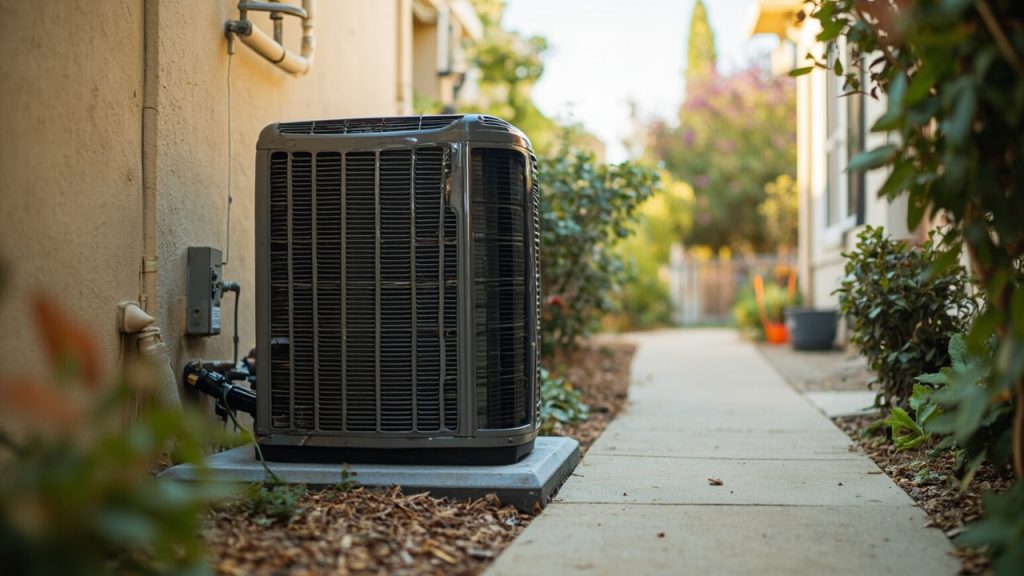
How to Quiet a Noisy Outdoor AC Unit to Keep Your Mar Vista Neighbors Happy
Living in Mar Vista requires a balance of coastal comfort and close quarters. The residential density in neighborhoods near Mar Vista Park and the Venice border means that houses often sit less than ten feet apart. When your air conditioner cycles on during a humid summer night in 2026, the mechanical noise pulses directly against the stucco walls of the house next door. This proximity makes a loud condenser a frequent source of tension between neighbors. Keeping your outdoor unit quiet is a necessity for maintaining positive community relationships and adhering to current city regulations.
Sound travels with ease through the narrow breezeways common in West Los Angeles architecture. The reflective nature of hard siding and concrete driveways can amplify a simple hum into a disruptive roar. If your outdoor unit sounds like a jet engine or a rattling crate, you likely face an efficiency problem and a compliance risk. Solving these issues requires an understanding of modern sound suppression techniques and the specific requirements of the current Los Angeles Municipal Code Section 112.02 regarding residential noise levels.
[Image Alt Text Placeholder: A modern variable speed outdoor AC unit installed on a level pad in a narrow Mar Vista side yard with vibration isolation pads visible.]
Understanding Los Angeles Noise Regulations for Residential HVAC
The City of Los Angeles maintains strict standards for noise produced by mechanical equipment. In 2026, the allowable noise increase is capped at five decibels above the ambient noise level at the property line. For a quiet street in the Mar Vista hill area, the ambient night noise might be 45 decibels. If your air conditioner operates at 75 decibels, you are significantly over the legal limit. Neighbors have the right to request an inspection from the Department of Building and Safety if the noise disrupts their peace.
Standard air conditioners from a decade ago were rarely built with sound suppression as a priority. These older units often register between 72 and 80 decibels during peak operation. Current 2026 technology has pushed the limits of silence, with premium units operating as low as 45 decibels. Achieving this level of quiet requires specific engineering and proper installation on a stable, level surface. Ignoring a noise complaint can lead to citations and mandatory equipment modification or replacement.
Why Your Outdoor Condenser Makes Excessive Noise
Excessive noise usually points to three specific mechanical issues. Vibration is the most common culprit. When the compressor or fan motor spins, it creates a rhythmic shaking. If the unit cabinet has loose screws or is not perfectly level, this shaking creates a metallic rattle. In the Mar Vista area, the salt air drifting from the Pacific Ocean can accelerate the corrosion of fasteners, leading to more vibration over time.
Airflow turbulence is another source of noise. When fan blades are dirty or bent, they cannot move air efficiently. This creates a chopping or whistling sound as the air hits the obstructions. Finally, mechanical wear in the compressor bearings or the fan motor can create a high pitched squeal or a low grinding sound. These sounds indicate that the components are reaching the end of their service life. Identifying the specific type of noise helps determine whether you need a simple repair or a full system upgrade.
The Role of Inverter Technology in Noise Reduction
The most significant advancement in HVAC silence in 2026 is the widespread use of inverter technology. Traditional single stage air conditioners operate on an all or nothing basis. They kick on at 100 percent capacity with a loud clunk and stay at that level until the house is cool. This sudden surge is what usually wakes up your neighbors. Variable speed systems use an inverter to modulate the compressor speed in small increments.
The technical process involves converting incoming alternating current to direct current and then back to a variable frequency alternating current. This allows the compressor to run as low as 25 percent capacity. At these lower speeds, the unit is nearly silent. The fan also moves slower, which reduces the sound of air moving through the coils. By running for longer periods at lower speeds, the system maintains a consistent temperature without the loud start and stop cycles that define older HVAC equipment.
Comparison of Silent Outdoor AC Units for 2026
Choosing the right model is the first step toward a quiet home. Manufacturers now provide specific sound pressure ratings for every unit. These ratings are verified through independent testing. The following table compares several popular models used in Mar Vista homes for their noise performance.
| Manufacturer and Model | Lowest Sound Rating | Technology Type | Ideal Application |
|---|---|---|---|
| Carrier Infinity 26 | 51 dB | Variable Speed Inverter | Maximum Sound Control |
| Lennox Signature SL28XCV | 56 dB | Variable Capacity | High Efficiency Cooling |
| Trane XV20i TruComfort | 54 dB | Inverter Driven | Heavy Use Reliability |
| Daikin Fit | 55 dB | Side Discharge Inverter | Compact Side Yards |
| Mitsubishi P-Series | 46 dB | Horizontal Discharge | Extreme Noise Sensitivity |
[Image Alt Text Placeholder: A technician installing a high density sound blanket over a compressor inside a residential AC cabinet.]
Practical Fixes for Existing HVAC Equipment
If a new system is not in your current plan, you can still take steps to muffle the sound of your existing unit. These modifications can lower the noise level by several decibels. This is often enough to satisfy a neighbor or meet local code requirements. Start by inspecting the unit for any loose parts. Tighten all screws on the cabinet and ensure the fan motor is securely mounted.
- Install a custom fit compressor sound blanket to absorb internal motor noise.
- Replace old plastic or rubber feet with high density vibration isolation pads.
- Level the concrete pad with composite shims to stop the cabinet from rocking.
- Clean the condenser coils to reduce the strain on the fan motor.
- Add a sound barrier fence using mass loaded vinyl or acoustic panels.
When you build a sound barrier, you must leave enough space for airflow. A barrier that is too close to the unit will cause it to overheat. This leads to higher energy bills and eventual compressor failure. Maintain a distance of at least 24 inches on all sides of the equipment. Use heavy materials like cedar or specialized acoustic fencing that can withstand the coastal moisture in Mar Vista. Avoid light plastic or metal fencing as these materials can vibrate and increase the noise.
Strategic Placement in Narrow Mar Vista Lots
The location of your AC unit determines how much sound reaches the neighbors. Placing a unit in a narrow breezeway between two homes creates an echo chamber. The sound bounces off the walls and intensifies. If possible, place the unit in a more open area of the backyard. If the side yard is the only option, consider a side discharge unit. These units have a horizontal fan that pushes air and sound away from the house rather than straight up into the eaves.
Mounting units on wall brackets can also help if ground space is limited. However, you must use high quality rubber isolators to prevent the vibration from transferring into the wall studs of your home. A professional installation should always include a check of the surrounding environment to ensure the equipment is not placed directly under a neighbor bedroom window. Proper planning during the installation phase saves years of frustration and potential legal disputes.
Estimated Investment Levels for Noise Reduction Upgrades
Improving the sound profile of your HVAC system involves different levels of investment. Some solutions are simple and affordable, while others require a significant commitment to new technology. The table below outlines the general investment levels for various noise reduction strategies in 2026.
| Improvement Strategy | Estimated Noise Reduction | Investment Level | Expected Durability |
|---|---|---|---|
| Vibration Isolation Pads | 3 to 5 dB | Low | 5 to 10 Years |
| Compressor Sound Blanket | 5 to 8 dB | Medium | 8 to 12 Years |
| Acoustic Barrier Wall | 10 to 12 dB | Medium to High | 15 to 20 Years |
| Variable Speed System Upgrade | 15 to 25 dB | High | 15 to 20 Years |
| Unit Relocation Service | Variable | High | Permanent |
While a full system upgrade represents the highest initial investment, it provides the most significant long term value. A quiet variable speed unit reduces noise while also lowering monthly utility costs. For homeowners in Mar Vista who plan to stay in their properties for many years, the silence and efficiency of modern 2026 equipment justify the cost. For those looking for immediate relief on a tighter budget, sound blankets and isolation pads provide a measurable improvement for a minimal investment.
Advanced 2026 HVAC Sound Technologies
Innovation continues to drive noise levels down for residential cooling. One of the current breakthroughs is the use of magnetic levitation fan motors. Traditional motors rely on ball bearings which eventually wear down and create friction noise. Magnetic levitation allows the fan shaft to float in a magnetic field. This removes all physical contact and friction. The result is a fan that is virtually silent and requires almost no maintenance over its lifespan.
Active noise cancellation is also becoming more common in premium units. Similar to noise canceling headphones, some 2026 systems use sensors to detect the frequency of the compressor hum. The system then generates an opposing sound wave to cancel out the noise. This technology is particularly effective at removing the low frequency drone that typically penetrates through walls and windows. These advanced features are often integrated into the smart home ecosystem, allowing you to monitor decibel levels from your phone.
[Image Alt Text Placeholder: A diagram showing the difference between turbulent airflow in an old AC unit versus laminar airflow in a modern 2026 silent unit.]
The Impact of Salt Air on HVAC Noise in Mar Vista
The proximity to the ocean is a major factor for Mar Vista homeowners. Salt air is highly corrosive to the aluminum fins and copper tubing of an outdoor unit. As the fins corrode, they become brittle and can start to rattle in the wind or during the cooling cycle. Salt buildup on fan blades can also create an imbalance. An unbalanced fan will shake the entire unit and cause the motor bearings to fail prematurely.
To prevent this, you should rinse your outdoor unit with fresh water from a garden hose once a month. This removes the salt crust and prevents the corrosion that leads to excessive noise. Professional maintenance should include a thorough cleaning of the internal components and the application of a corrosion resistant coating. Keeping the unit clean ensures that the airflow remains smooth and quiet throughout the year. Ignoring the effects of the coastal climate will lead to a noisy system and a shorter equipment lifespan.
How to Discuss Noise Issues with Your Neighbors
If a neighbor complains about your air conditioner, the best approach is transparency. Invite them to show you where the noise is most disruptive. This helps you understand if the problem is a direct sound path or a vibration traveling through a shared fence. Explain the steps you are taking to address the issue. Whether you are ordering a sound blanket or scheduling a professional inspection, keeping the neighbor informed prevents the situation from escalating to a city complaint.
Often, a simple adjustment to the unit schedule can provide relief. You might program the thermostat to run the house slightly cooler during the evening so the unit does not have to work as hard during the quietest hours of the night. In 2026, many smart thermostats allow for a quiet mode that limits the compressor speed during specific hours. This shows your neighbors that you are proactive about their comfort and respect the shared environment of the Mar Vista community.
Ensure a Quiet and Comfortable Home Today
Managing the noise of an outdoor AC unit is a critical part of home ownership in Mar Vista. Between the strict Los Angeles noise ordinances and the close proximity of residential lots, silence is a valuable asset. By utilizing modern inverter technology, high quality sound barriers, and regular maintenance, you can keep your home cool without disturbing the peace of the neighborhood. The technology of 2026 makes it easier than ever to achieve a silent outdoor environment while enjoying the benefits of high efficiency cooling.
If your outdoor unit is creating friction with your neighbors or simply sounds louder than it should, now is the time to act. A professional evaluation can identify whether a simple vibration fix or a more advanced sound suppression strategy is necessary. Take the first step toward a quieter home by reviewing your current equipment and exploring the silent cooling options available in the current market. Contact a local HVAC specialist to discuss a sound audit for your Mar Vista property and ensure your system meets all current local standards.
{
“@context”: “https://schema.org”,
“@type”: “BlogPosting”,
“headline”: “How to Quiet a Noisy Outdoor AC Unit to Keep Your Mar Vista Neighbors Happy”,
“description”: “Learn how to reduce air conditioner noise and comply with Los Angeles Municipal Code in Mar Vista. Explore quiet 2026 HVAC technology and maintenance tips.”,
“wordCount”: 2138,
“datePublished”: “2026-04-23T11:54:00.000Z”,
“dateModified”: “2026-04-23T11:54:00.000Z”,
“inLanguage”: “en-US”,
“mainEntityOfPage”: {
“@type”: “WebPage”,
“@id”: “https://aplushvaclosangeles.com”
},
“publisher”: {
“@type”: “LocalBusiness”,
“name”: “A Plus HVAC Los Angeles”,
“url”: “https://aplushvaclosangeles.com”
},
“author”: {
“@type”: “Organization”,
“name”: “A Plus HVAC Los Angeles”,
“url”: “https://aplushvaclosangeles.com”
},
“image”: {
“@type”: “ImageObject”,
“url”: “https://aplushvaclosangeles.com/wp-content/uploads/2026/03/how-to-quiet-a-noisy-outdoor-ac-unit-to-keep-your-1.jpg”
}
}
{
“@context”: “https://schema.org”,
“@type”: “HVACBusiness”,
“name”: “A Plus HVAC Los Angeles”,
“url”: “https://aplushvaclosangeles.com”,
“address”: {
“@type”: “PostalAddress”,
“addressLocality”: “Los Angeles”
},
“areaServed”: {
“@type”: “City”,
“name”: “Los Angeles”
}
}
{
“@context”: “https://schema.org”,
“@type”: “BreadcrumbList”,
“itemListElement”: [
{
“@type”: “ListItem”,
“position”: 1,
“name”: “Home”,
“item”: “https://aplushvaclosangeles.com”
},
{
“@type”: “ListItem”,
“position”: 2,
“name”: “Blog”,
“item”: “https://aplushvaclosangeles.com/blog”
},
{
“@type”: “ListItem”,
“position”: 3,
“name”: “How to Quiet a Noisy Outdoor AC Unit to Keep Your Mar Vista Neighbors Happy”
}
]
}
{
“@context”: “https://schema.org”,
“@type”: “Service”,
“serviceType”: “HVAC”,
“provider”: {
“@type”: “LocalBusiness”,
“name”: “A Plus HVAC Los Angeles”,
“url”: “https://aplushvaclosangeles.com”
},
“areaServed”: {
“@type”: “City”,
“name”: “Los Angeles”
},
“description”: “Learn how to reduce air conditioner noise and comply with Los Angeles Municipal Code in Mar Vista. Explore quiet 2026 HVAC technology and maintenance tips.”
}
