Navigating the Permitting Process for New AC Installations in the Hollywood Hills
Securing a new air conditioning system in the Hollywood Hills involves more than selecting a brand. In 2026, the Los Angeles Department of Building and Safety, or LADBS, manages a rigorous oversight process for all mechanical installations. Homeowners in neighborhoods like Beachwood Canyon and Mount Olympus deal with unique geographical and regulatory demands. This guide explains the current permit requirements to keep your home compliant and your investment safe.
Why Mechanical Permits are Mandatory in 2026
Every new air conditioning installation in the City of Los Angeles requires a mechanical permit. This is a legal mandate under the current California Mechanical Code. The permit ensures your installation meets safety standards for electrical wiring, refrigerant handling, and structural stability. For residents in the Hollywood Hills, these permits are vital because of high fire risks and the complex terrain of the Santa Monica Mountains. A permit provides an official record that your system was installed by a qualified professional with a C-20 license. It also protects your property value. When you sell a home in zip codes like 90068 or 90046, buyers expect a full permit history. Missing documents can stall a sale or cause expensive repairs. If you need help with an older system while planning your upgrade, you can find expert advice on fast Silver Lake AC repair without overpaying to keep your current unit running.
Types of LADBS Permits for HVAC Projects
LADBS provides different paths for permits depending on your project. Most standard residential replacements qualify for an Express Permit. These are issued quickly through the LADBS online portal if the work does not change the structure of the home. Many Hollywood Hills homes require a Plan Check. If you install a system in a new addition or move the condenser to a steep slope, engineers must review your site plans. This review ensures equipment placement does not violate noise rules or cross property lines. Residents often find that finding 24-7 emergency HVAC help in Los Feliz is simpler than managing the paperwork for a major hillside move. The following table compares the two primary permit paths for 2026 projects.
| Permit Category | Typical Project Need | Approval Timeframe |
|---|---|---|
| Express Permit | Direct replacement in the same spot | Same day via online portal |
| Plan Check Permit | New locations or steep slope mounts | Ten to fifteen business days |
| Supplemental Permit | Adding new ductwork to a permit | One to two business days |
Technical Engineering Requirements for Hillside Equipment Pads
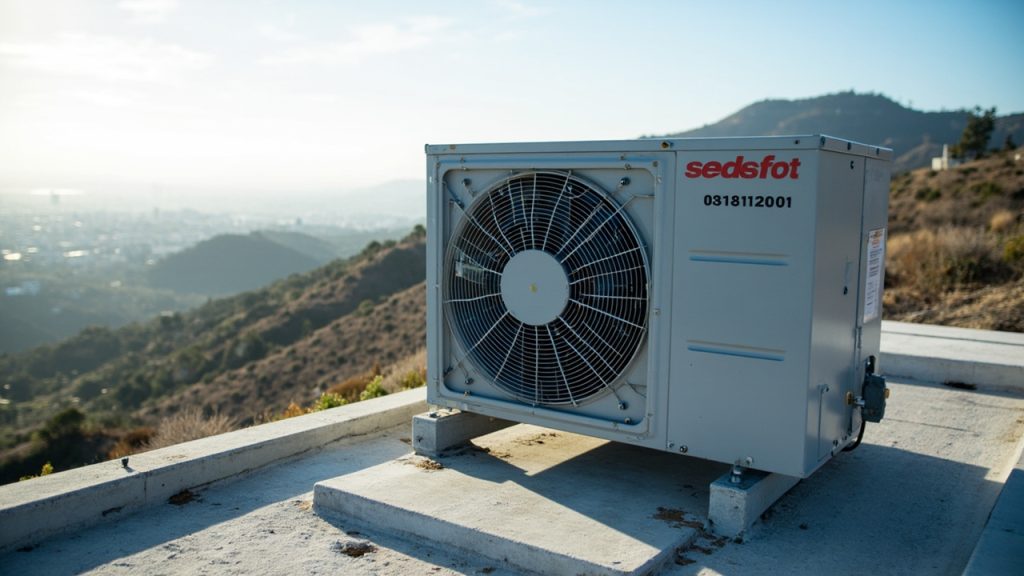
Engineering standards for hillside equipment pads are strict in 2026. If your property has a slope greater than 15 percent, you cannot use a simple plastic pad. The city requires a site-specific plan showing how the pad will stay level during a seismic event or heavy rain. Most hillside pads now require 2500 PSI concrete reinforced with #4 rebar. The rebar must be spaced every 12 inches. The pad itself must be at least four inches thick. It should sit on top of six inches of compacted crushed rock. If the slope is very steep, you may need a small retaining wall or a pier-supported platform. These structural elements ensure your condenser does not slide down the canyon during a winter storm. You must also ensure the pad is level within one-eighth of an inch per foot to prevent oil migration issues in the compressor. Proper drainage around the pad is mandatory to prevent soil erosion from undermining the foundation of the equipment.
2026 Permit and HERS Testing Fee Estimates
Permit costs in Los Angeles depend on the value of the equipment and the complexity of the work. You should budget for both the city fees and the third party testing fees required by state law. The city charges a base fee plus several surcharges for technology and planning. HERS testing is a separate cost paid to an independent rater. The table below shows the estimated costs for a standard 2026 installation in the Hollywood Hills.
| Fee Description | Type of Charge | Estimated Range |
|---|---|---|
| LADBS Base Permit Fee | City Government Fee | Standard residential rates |
| General Plan Maintenance | City Surcharge | Percentage of base fee |
| State Green Building Fee | State Surcharge | Fixed based on project value |
| HERS Duct Leakage Test | Third Party Provider | Flat fee per system |
| HERS Fan Watt Draw Test | Third Party Provider | Included in rater visit |
Title 24 and HERS Efficiency Compliance
California energy standards are very tight in 2026. Every permitted AC installation must follow Title 24 Part 6 of the California Code of Regulations. This law sets the minimum energy efficiency for your equipment. In Los Angeles, your system must meet current SEER2 ratings. A major part of the permit process is the Home Energy Rating System, or HERS, testing. An independent rater must visit your home to verify the system works as intended. They check for duct leakage and verify the refrigerant charge is correct. In 2026, duct leakage must be below five percent for new systems. The rater uses a duct blaster fan to pressurize the system and find leaks. Without a passing report, the city inspector will not sign off on your final permit. This focus on efficiency explains why Santa Monica homeowners are switching to heat pumps this year as these systems often exceed local requirements. You can learn more about these standards on the California Energy Commission website.
Step by Step Permit Process for Hollywood Residents
The process starts with your contractor. A licensed professional must pull the permit using their C-20 license credentials. You should not pull an owner-builder permit if you hire a company. This puts all the liability on you. First, the contractor submits the application through the LADBS portal or at a regional office like the Van Nuys or Metro location. Once the permit is issued, the installation begins. After the work is done, the HERS rater performs the efficiency inspection. Finally, you or your contractor must schedule a visit with a city mechanical inspector. The inspector will verify the unit is secure and the electrical connections are safe. They also check the circuit breaker size and the wire gauge. If you live in a historic zone, you might consider selecting the best ductless mini split installers for historic Beverly Hills homes to avoid common issues with traditional ductwork. The current documentation needed for a permit includes these items.
- A completed LADBS mechanical permit application
- Specific model and serial numbers for all new units
- A signed contract from a C-20 licensed professional
- Current Certificate of Workers Compensation insurance
- CF1R forms for Title 24 energy compliance
- A plot plan if the outdoor unit location is new
Environmental and Noise Challenges in the Hills
Installing air conditioning in the hills presents hurdles not found in the flatlands. Sound travels easily through the canyons. Your condenser cannot exceed 50 decibels at the property line in many residential zones. You may need to install sound blankets or acoustic screens to pass the noise inspection. Additionally, many parts of the hills are in Very High Fire Hazard Severity Zones. Your outdoor unit must have five feet of clearance from brush and flammable plants. Regular system checks are vital here. Just as people seek professional furnace maintenance in Pasadena to prepare for winter, hills residents must maintain AC units to prevent them from becoming a fire risk. You can find more details on licensing at the Contractors State License Board portal.
Timeline for Permit Approval and Final Inspections
Timing matters when your system fails during a heatwave. While an online Express Permit is fast, the physical inspection depends on city staffing. In 2026, the average wait for an inspection in the Hollywood Hills is three to five business days. You must be at the property or provide access for the inspector. If the inspector finds a problem, they will issue a correction notice. The contractor must fix the issue and schedule a second visit. This can add a week to the project. To avoid this, ensure your contractor checks the electrical disconnect and the condensate drain line before the city arrives. The table below shows the current expected timelines for a standard project.
| Project Stage | Expected Duration | Primary Action |
|---|---|---|
| Permit Filing | One day | Contractor submits data to LADBS |
| System Install | One to two days | Labor and initial testing |
| HERS Verification | One day | Third party rater verifies airflow |
| City Walkthrough | Three to five days | LADBS inspector signs the job card |
Neighborhood Standards and HOA Interactions
Common questions often arise regarding neighbors and local associations in the Hollywood Hills. Dealing with these nuances before you install can prevent legal disputes later.
Do I need to notify my neighbors before installing a new AC?
The city does not require formal notification for a standard replacement. If you are building a new hillside platform near a property line, it is a good neighbor policy to discuss it first. This prevents complaints about noise or aesthetics when the city inspector arrives. Many residents in the Bird Streets or Outpost Estates value their quiet environment, so choosing a low-decibel unit is helpful.
What if my HOA has different rules than the city?
Your Homeowners Association may have stricter rules than LADBS. They might require specific colors for the unit or hidden placement. You must follow both city codes and HOA bylaws. If the HOA requires a placement that violates city code, the city code takes priority. Always get HOA architectural committee approval before starting any structural work on a hillside pad.
Can I place my unit right on the property line?
No. Most residential zones in the Hollywood Hills require a side yard setback of at least three to five feet. Placing a unit too close to the line can result in a permit denial. The inspector will check the plot plan to ensure the condenser does not encroach on neighboring land or public right of way.
Consequences of Installing Without a Permit
Some people try to skip the permit to save money. This is a mistake in 2026. The City of Los Angeles has increased code enforcement. If a neighbor reports noise or a city worker sees a new unit without a permit, you will face fines. These fines often cost more than the permit. Unpermitted work can also lead to insurance denials. If an electrical fire happens and the cause is an unpermitted AC, your insurance company may not pay. There is also the issue of future sales. Real estate disclosures ask about permitted work. If you cannot show a final permit, you may have to pay for a retroactive permit and tear out work that does not meet the 2026 code. This risk is not worth the small initial savings. Keeping your home legal is the best choice for property owners in Southern California.
Final Steps for Your Hollywood Hills Upgrade
Permitting is the last step for a successful cooling project. By working with a contractor who knows LADBS rules, you avoid the trouble of red tags and failed visits. The Hollywood Hills offer great views, but they also have high standards for mechanical work. Ensure your contractor manages the paperwork and stays for the final walkthrough. This professional path ensures your new air conditioning system provides comfort for years without legal issues. If you are ready to start, contact a local professional who knows the 90068 and 90069 neighborhoods. They will help you pick the right equipment and manage the local bureaucracy with ease.
{
“@context”: “https://schema.org”,
“@type”: “BlogPosting”,
“headline”: “Navigating the Permitting Process for New AC Installations in the Hollywood Hills”,
“description”: “Secure your 2026 Hollywood Hills AC permit without the stress. This guide covers LADBS requirements, hillside engineering, HERS testing, and local fee schedules.”,
“wordCount”: 1905,
“datePublished”: “2026-03-06T07:49:00.000Z”,
“dateModified”: “2026-03-06T07:49:00.000Z”,
“inLanguage”: “en-US”,
“mainEntityOfPage”: {
“@type”: “WebPage”,
“@id”: “https://aplushvaclosangeles.com”
},
“publisher”: {
“@type”: “LocalBusiness”,
“name”: “A Plus HVAC Los Angeles”,
“url”: “https://aplushvaclosangeles.com”
},
“author”: {
“@type”: “Organization”,
“name”: “A Plus HVAC Los Angeles”,
“url”: “https://aplushvaclosangeles.com”
},
“image”: {
“@type”: “ImageObject”,
“url”: “https://aplushvaclosangeles.com/wp-content/uploads/2026/03/navigating-the-permitting-process-for-new-ac-insta-1.jpg”
}
}
{
“@context”: “https://schema.org”,
“@type”: “HVACBusiness”,
“name”: “A Plus HVAC Los Angeles”,
“url”: “https://aplushvaclosangeles.com”,
“address”: {
“@type”: “PostalAddress”,
“addressLocality”: “Los Angeles”
},
“areaServed”: {
“@type”: “City”,
“name”: “Los Angeles”
}
}
{
“@context”: “https://schema.org”,
“@type”: “FAQPage”,
“mainEntity”: [
{
“@type”: “Question”,
“name”: “Do I need to notify my neighbors before installing a new AC?”,
“acceptedAnswer”: {
“@type”: “Answer”,
“text”: “The city does not require formal notification for a standard replacement. If you are building a new hillside platform near a property line, it is a good neighbor policy to discuss it first. This prevents complaints about noise or aesthetics when the city inspector arrives. Many residents in the Bird Streets or Outpost Estates value their quiet environment, so choosing a low-decibel unit is helpful.”
}
},
{
“@type”: “Question”,
“name”: “What if my HOA has different rules than the city?”,
“acceptedAnswer”: {
“@type”: “Answer”,
“text”: “Your Homeowners Association may have stricter rules than LADBS. They might require specific colors for the unit or hidden placement. You must follow both city codes and HOA bylaws. If the HOA requires a placement that violates city code, the city code takes priority. Always get HOA architectural committee approval before starting any structural work on a hillside pad.”
}
},
{
“@type”: “Question”,
“name”: “Can I place my unit right on the property line?”,
“acceptedAnswer”: {
“@type”: “Answer”,
“text”: “No. Most residential zones in the Hollywood Hills require a side yard setback of at least three to five feet. Placing a unit too close to the line can result in a permit denial. The inspector will check the plot plan to ensure the condenser does not encroach on neighboring land or public right of way.”
}
}
]
}
{
“@context”: “https://schema.org”,
“@type”: “BreadcrumbList”,
“itemListElement”: [
{
“@type”: “ListItem”,
“position”: 1,
“name”: “Home”,
“item”: “https://aplushvaclosangeles.com”
},
{
“@type”: “ListItem”,
“position”: 2,
“name”: “Blog”,
“item”: “https://aplushvaclosangeles.com/blog”
},
{
“@type”: “ListItem”,
“position”: 3,
“name”: “Navigating the Permitting Process for New AC Installations in the Hollywood Hills”
}
]
}
{
“@context”: “https://schema.org”,
“@type”: “Service”,
“serviceType”: “HVAC”,
“provider”: {
“@type”: “LocalBusiness”,
“name”: “A Plus HVAC Los Angeles”,
“url”: “https://aplushvaclosangeles.com”
},
“areaServed”: {
“@type”: “City”,
“name”: “Los Angeles”
},
“description”: “Secure your 2026 Hollywood Hills AC permit without the stress. This guide covers LADBS requirements, hillside engineering, HERS testing, and local fee schedules.”
}
