How Salt Air Impacts Your Malibu Home Comfort System
Living along the Pacific Coast Highway offers some of the most beautiful views in Los Angeles. It also presents a significant challenge for your home comfort system. The mist coming off the ocean carries high concentrations of salt. This salt settles on your outdoor condenser unit and begins a chemical process that can destroy an air conditioner in less than half its expected service life. In 2026 we see many homeowners in Carbon Beach and Point Dume facing system failures after just five years because of unmanaged corrosion. If you live in Malibu you are fighting a constant battle against the Pacific Ocean air.
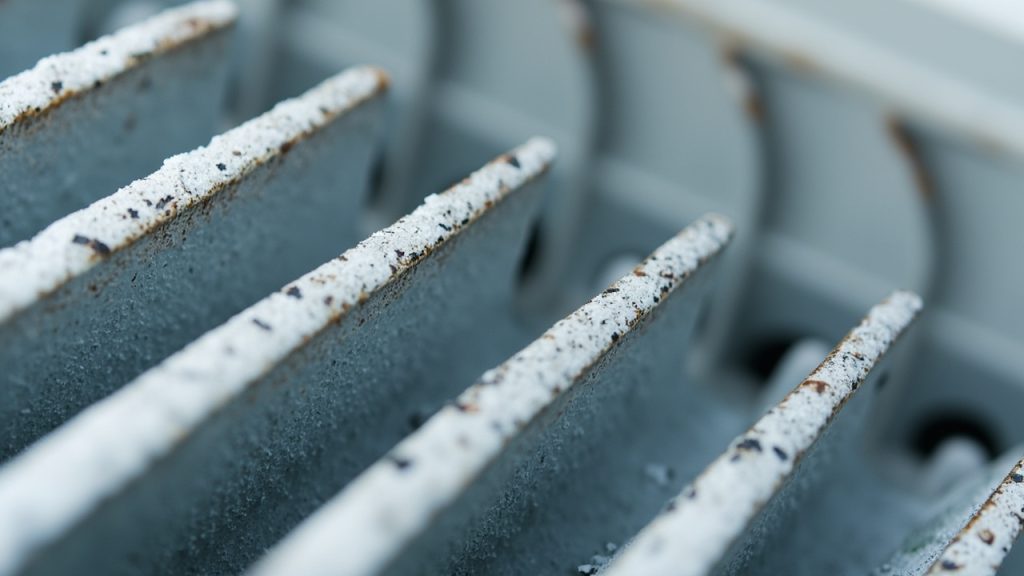
When salt air hits the aluminum fins and copper coils of your unit it triggers galvanic corrosion. This happens because the salt acts as an electrolyte between two different types of metal. The aluminum fins start to turn into a white powder and fall away from the copper tubing. Once these fins disappear your air conditioner cannot dump heat effectively. Your system works harder and your electricity bills in the Malibu hills climb. This is why ocean-air AC protection is the most important investment for any coastal property owner. You cannot treat a Malibu HVAC system the same way you would treat a system in the valley.
Corrosion happens faster when humidity is high and the air is warm. Malibu stays humid year-round which keeps the salt active on your metal surfaces. If you live within one mile of the water your unit faces constant exposure. Even homes further up in Topanga Canyon see effects from the marine layer that rolls in every evening. The salt ions penetrate deep into the condenser coil where standard garden hoses cannot reach. Over time this leads to refrigerant leaks that are difficult and expensive to fix. Professional intervention is the only way to neutralize these ions before they eat through the metal walls of your coils.
The Chemistry of 2026 Refrigerants and Coil Vulnerability
Modern air conditioning systems in 2026 use new refrigerants like R-454B and R-32 to meet environmental standards. These refrigerants operate at significantly higher pressures than the older R-410A systems. To handle these pressures while maintaining high-efficiency manufacturers must use thinner metal for the condenser coils. These thinner walls are necessary to allow heat to transfer quickly between the refrigerant and the outside air. This technical requirement makes the coils far more vulnerable to salt air damage than systems from a decade ago.
The chemical composition of R-454B includes a blend of difluoromethane and tetrafluoropropene. These components are highly efficient but require the system to maintain a very tight seal. When salt air causes even microscopic pitting on the surface of a thin aluminum or copper coil the high internal pressure of the 2026 refrigerant forces a leak much faster. A pinhole leak that might have taken years to develop in an old system can now disable a Malibu unit in months. This is why the protective barrier on your coils is no longer optional for coastal residents. The thinner the metal the faster the salt eats through to the pressurized gas inside. You can find more information on current energy standards to understand how these systems operate.
Manufacturers have also moved toward all-aluminum microchannel coils in 2026. While these resist some types of corrosion they are highly susceptible to formicary corrosion and salt-induced pitting. The tiny channels where the refrigerant flows are easily blocked by the white oxide powder created when salt meets aluminum. Once these channels block the head pressure in your compressor rises. This leads to a catastrophic failure of the compressor motor which is the most expensive part of your system to replace. Protecting the exterior surface of these microchannels is the only way to maintain the cooling capacity of a modern high-efficiency unit.
Comparing Lifespan and Performance in Coastal Zones
The following table shows how proximity to the Pacific Ocean changes the expected life of an air conditioner in Los Angeles. These figures are based on current 2026 maintenance data for the local area.
| Distance from Coast | Unprotected Lifespan | Protected Lifespan | Efficiency Loss over 5 Years |
|---|---|---|---|
| 0 to 1 Mile | 4 to 6 Years | 10 to 12 Years | 35 Percent |
| 1 to 5 Miles | 7 to 9 Years | 13 to 15 Years | 20 Percent |
| Over 5 Miles | 12 to 15 Years | 15 to 18 Years | 5 Percent |
As the table indicates the difference between a protected and unprotected unit is nearly double the service life. If you ignore the salt you will be shopping for a new system twice as often as someone living in the San Fernando Valley. This makes the upfront cost of protective coatings a high-return investment for Malibu residents. We see systems in Malibu Colony that fail in four years because the owners did not apply a professional salt shield. Meanwhile a coated unit just down the road stays in perfect condition for over a decade.
Protective Coating Technologies for Coastal HVAC
We use several types of specialized coatings to seal the metal surfaces of your air conditioner. The goal is to create a barrier that salt cannot penetrate. In 2026 the two most common professional solutions are epoxy-phenolic coatings and polyurethane-based treatments. These are often applied at the factory but can also be applied in the field by a trained technician. The field application requires a specialized cleaning process to ensure the coating bonds to the metal.
Blygold and Heresite are the industry standards for these coatings. They involve cleaning the coils to a surgical level and then spraying a flexible layer over every square inch of the heat exchanger. This layer must be thin enough to allow heat to pass through but thick enough to stop salt ions. If you are already dealing with a breakdown and need Silver Lake AC repair you might not be thinking about coatings yet. For coastal homes it is a requirement. Homeowners in Pacific Palisades find that these coatings pay for themselves within three years through energy savings and the avoidance of emergency repairs.
The 2026 versions of these coatings are more advanced than previous iterations. They now include antimicrobial properties that prevent mold growth in the humid Malibu air. They also feature higher UV resistance to withstand the constant California sun. When we apply a coating we focus on the edges of the fins where the metal is sharpest. These edges are where corrosion usually begins. A thick uniform coat on these edges prevents the salt from finding a foothold. We also treat the base pan of the unit where salt water often pools and rots the bottom of the cabinet.
Maintenance Schedule for Coastal Air Conditioners
Regular maintenance is the only way to keep salt from accumulating. You cannot simply wait for your annual tune-up. Coastal units require a different cadence than homes in Pasadena or Glendale. If you are used to furnace maintenance in Pasadena you might be surprised by how much more hands-on Malibu systems are. Follow this schedule to keep your warranty valid and your system running.
- Weekly Freshwater Rinsing. Use a gentle stream of water from a garden hose to rinse the outdoor coils. Do not use a pressure washer as it will flatten the aluminum fins.
- Monthly Filter Checks. High salt and humidity can cause filters to clog faster especially if your unit is near a sandy area like Zuma Beach.
- Quarterly Professional Cleaning. A technician should use a specialized salt-neutralizing wash every three months if you live on the water.
- Annual Coating Inspection. We check the integrity of the protective layer to ensure no chips or cracks have appeared from windblown sand.
- Semi-annual Electrical Inspection. Salt air is conductive and can corrode the contactors inside your service panel.
Selecting the Right Unit for a Malibu Home
If you are installing a new system you should look for units with specific technical requirements for 2026. Look for a Seacoast Warranty. These are specific models offered by brands like Trane or Carrier that come with pre-coated coils and stainless steel fasteners. Most standard units use galvanized steel screws that will rust shut within twelve months in a coastal environment. We recommend units with 1000-hour salt spray ratings based on the ASTM B117 testing standard. This rating proves the unit can survive the harsh conditions of a beachfront property.
In 2026 the best units for Malibu feature all-aluminum coils rather than a mix of copper and aluminum. This eliminates the galvanic reaction between different metals. You should also look for a unit with a SEER2 rating of at least 15.2. Higher-efficiency units have larger coils which allows them to run at lower temperatures. This reduces the rate of chemical reactions like corrosion. Specific models like the Carrier Infinity Series with Greenspeed Intelligence or the Trane TruComfort systems offer advanced cabinet designs that shield the internal components from direct salt spray.
We also suggest elevating the outdoor unit. Keeping the condenser at least twelve inches off the ground helps prevent salt-laden sand from accumulating at the base. Sand holds moisture and salt against the metal which creates a constant corrosive environment. A simple equipment pad or a custom wall mount can significantly reduce the amount of debris your unit sucks in during the Santa Ana wind season. If you are on a hillside in Malibu Heights elevating the unit also helps with airflow and prevents the unit from recycling its own hot air.
Check the fan motor specifications before you buy. A high-quality coastal unit should have a fully enclosed fan motor with permanently lubricated bearings. Salt air can penetrate standard motors and cause the internal windings to short out. We also look for cabinets with powder-coated paint finishes that exceed 2000 hours of salt spray testing. A rusted cabinet does more than look bad. It allows salt air to reach the sensitive electronics and compressor inside. Buying a unit without these specs is a recipe for a replacement in less than five years.
The Importance of Professional Salt Neutralization
Standard coil cleaners found at hardware stores are often too acidic or too alkaline for coastal units. They can accelerate corrosion if not rinsed perfectly. We use specific chemicals designed to break the bond between salt crystals and metal. This is vital for high-end systems where reliability is expected. When the salt is neutralized the metal stays cool and the compressor does not have to work at high pressures. We often use a salt-away solution that leaves a microscopic protective film on the metal after the cleaning is finished.
Professional cleaning also involves checking the electrical components. Salt air is conductive. It can get into the contactors and capacitors of your outdoor unit and cause electrical shorts. This is a common cause for calls regarding emergency HVAC help in Los Feliz or Malibu. Keeping the cabinet sealed and the internal components clean prevents these failures. We also check the drain lines for salt-related clogs. Salt and dust can combine to create a thick sludge that blocks condensate lines and causes water damage inside your home.
Cost Factors for Coastal Protection and Replacement
The cost of maintaining a coastal unit is higher than an inland unit but the cost of neglect is far worse. Below is a comparison of typical costs associated with managing salt air corrosion in the Los Angeles area in 2026.
| Service Type | Frequency | Impact on Lifespan |
|---|---|---|
| Freshwater Rinsing | Weekly (DIY) | High Preservation |
| Professional Salt Wash | Quarterly | Extends Life by 3 to 5 Years |
| Aftermarket Coil Coating | Once Every 5 Years | Prevents Structural Failure |
| Full System Replacement | Every 5 to 7 Years (Unprotected) | Major Capital Expense |
A major factor in these costs is the type of refrigerant used in modern 2026 systems. Newer refrigerants operate at higher pressures which means the coils are thinner than they were a decade ago. Thinner coils are more susceptible to pinhole leaks caused by salt. This makes the protective barrier even more critical than it was in the past. If you skip your quarterly maintenance you are essentially shortening the life of your equipment by several months every time the marine layer rolls in.
Malibu Homeowner FAQ Regarding Salt Damage and Warranties
Does my standard manufacturer warranty cover salt air corrosion?
In 2026 most standard warranties explicitly exclude damage caused by environmental factors. Salt air is classified as an environmental factor rather than a manufacturing defect. If your coils fail because of salt pitting the manufacturer will likely deny your claim for a replacement part. This is why purchasing a unit with a specific seacoast warranty is vital. These specialized warranties cover the coils for a longer period even in high-salt environments. Always read the fine print regarding environmental exclusions before you purchase a new system in Malibu.
How often should I really rinse my AC unit if I live on Carbon Beach?
If you are directly on the water you should rinse your unit every week. Use low-pressure water to wash away the salt crust that forms on the fins. If you notice a white powdery substance you are already seeing the effects of corrosion. Rinsing once a month is not enough for homes within 500 feet of the high-tide line. The salt is active as long as it is on the metal. Removing it weekly is the only way to stop the chemical reaction from continuing.
Can I apply a protective coating myself?
We do not recommend DIY coatings for 2026 AC units. The process requires a chemical deep-clean that removes every trace of salt and oil from the metal surfaces. If you trap salt under a layer of coating you will actually accelerate the corrosion process. Professional technicians use specialized equipment to ensure the coating reaches the center of the coil block without clogging the airflow. A DIY spray can often blocks the fins and causes the system to overheat and fail.
Is a heat pump better for Malibu than a traditional AC and furnace?
Heat pumps are excellent for the Malibu climate because they provide both heating and cooling efficiently. However they have the same vulnerability to salt air as a traditional air conditioner. In 2026 many Malibu residents are switching to heat pumps to comply with new energy codes. If you make this switch you must ensure the heat pump has a coastal protection package. The outdoor unit for a heat pump runs year-round which means it faces salt exposure in every season.
Customized Protection for Los Angeles Micro-climates
Los Angeles has very specific weather patterns. Malibu is unique because it faces the ocean directly while being backed by mountains. This traps salt air in the canyons. Santa Monica and the South Bay have similar issues but the wind patterns differ. We provide customized maintenance plans based on your specific zip code and distance from the high-tide line. A house on Broad Beach needs a much more aggressive cleaning schedule than a house near Pepperdine University. We track the local humidity and salt spray levels to adjust our service calls accordingly.
Our technicians have spent years working on these coastal systems. We know exactly where the corrosion starts on each brand of air conditioner. We often see rust forming on the fan motor mounts and the compressor feet first. By identifying these spots early we can apply touch-up coatings before the damage spreads to the coils. This proactive approach is the only way to avoid the high cost of premature system failure in the 2026 Los Angeles market. We focus on the small details that big-box contractors miss.
If you have noticed white powder on your AC fins or if your unit is making more noise than usual it is time for a coastal inspection. We can evaluate the current state of your metal surfaces and recommend a salt-shield treatment to stop the damage. Our team helps you protect your investment and keep your Malibu home cool throughout the warmest months of the year. Stop the salt before it stops your cooling. Schedule your comprehensive coastal HVAC evaluation now to keep your system running through 2026 and beyond.
{
“@context”: “https://schema.org”,
“@type”: “BlogPosting”,
“headline”: “Protecting Your Malibu AC Unit From Coastal Salt Air Corrosion”,
“description”: “Discover how to protect your Malibu HVAC system from salt air corrosion in 2026. Learn about coastal coatings, maintenance, and 2026 refrigerant standards.”,
“wordCount”: 2685,
“datePublished”: “2026-02-07T06:48:00.000Z”,
“dateModified”: “2026-02-07T06:48:00.000Z”,
“inLanguage”: “en-US”,
“mainEntityOfPage”: {
“@type”: “WebPage”,
“@id”: “https://aplushvaclosangeles.com”
},
“publisher”: {
“@type”: “LocalBusiness”,
“name”: “A Plus HVAC Los Angeles”,
“url”: “https://aplushvaclosangeles.com”
},
“author”: {
“@type”: “Organization”,
“name”: “A Plus HVAC Los Angeles”,
“url”: “https://aplushvaclosangeles.com”
},
“image”: {
“@type”: “ImageObject”,
“url”: “https://aplushvaclosangeles.com/wp-content/uploads/2026/03/protecting-your-malibu-ac-unit-from-coastal-salt-a-1.jpg”
}
}
{
“@context”: “https://schema.org”,
“@type”: “HVACBusiness”,
“name”: “A Plus HVAC Los Angeles”,
“url”: “https://aplushvaclosangeles.com”,
“address”: {
“@type”: “PostalAddress”,
“addressLocality”: “Los Angeles”
},
“areaServed”: {
“@type”: “City”,
“name”: “Los Angeles”
}
}
{
“@context”: “https://schema.org”,
“@type”: “BreadcrumbList”,
“itemListElement”: [
{
“@type”: “ListItem”,
“position”: 1,
“name”: “Home”,
“item”: “https://aplushvaclosangeles.com”
},
{
“@type”: “ListItem”,
“position”: 2,
“name”: “Blog”,
“item”: “https://aplushvaclosangeles.com/blog”
},
{
“@type”: “ListItem”,
“position”: 3,
“name”: “Protecting Your Malibu AC Unit From Coastal Salt Air Corrosion”
}
]
}
{
“@context”: “https://schema.org”,
“@type”: “Service”,
“serviceType”: “HVAC”,
“provider”: {
“@type”: “LocalBusiness”,
“name”: “A Plus HVAC Los Angeles”,
“url”: “https://aplushvaclosangeles.com”
},
“areaServed”: {
“@type”: “City”,
“name”: “Los Angeles”
},
“description”: “Discover how to protect your Malibu HVAC system from salt air corrosion in 2026. Learn about coastal coatings, maintenance, and 2026 refrigerant standards.”
}
