High Velocity HVAC Services in Los Angeles for Modern and Historic Homes
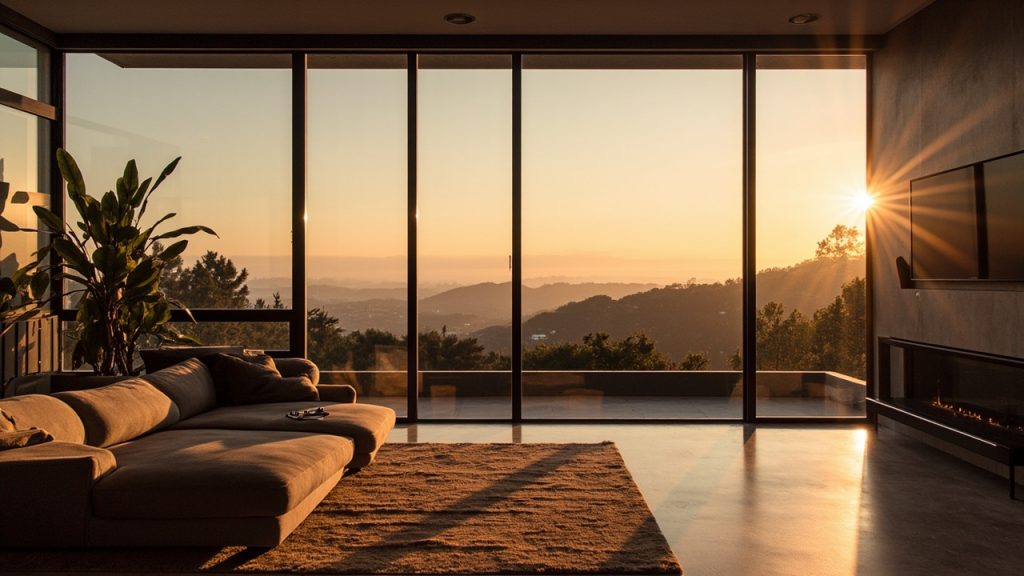
Mount Washington hillside living presents a unique set of challenges for homeowners who value architectural integrity. Many of these properties are classic mid century modern builds from the post war era. They feature open floor plans and exposed post and beam ceilings. While these designs offer stunning aesthetics and views of the Los Angeles basin, they leave zero room for the bulky ductwork required by traditional air conditioning systems. Owners often feel forced to choose between a sweltering indoor environment or ugly bulkheads that destroy the clean lines of their home. High velocity HVAC systems offer a sophisticated solution that preserves the original vision of the architect while providing cooling for the current 2026 climate.
The steep winding roads of Mount Washington require a specialized approach to home services. Narrow streets and limited parking mean that large scale construction projects are difficult to manage. Small duct high velocity systems, often called SDHV, are easier to transport and install in these hillside environments. These systems use flexible tubing that measures only two inches in diameter. This allows the cooling infrastructure to snake through wall cavities and crawlspaces without the need for major structural alterations. For those who need fast Silver Lake AC repair without overpaying, understanding these technical differences helps in making an informed decision for nearby hillside neighborhoods.
The Mount Washington Challenge for Mid Century Modern Homeowners
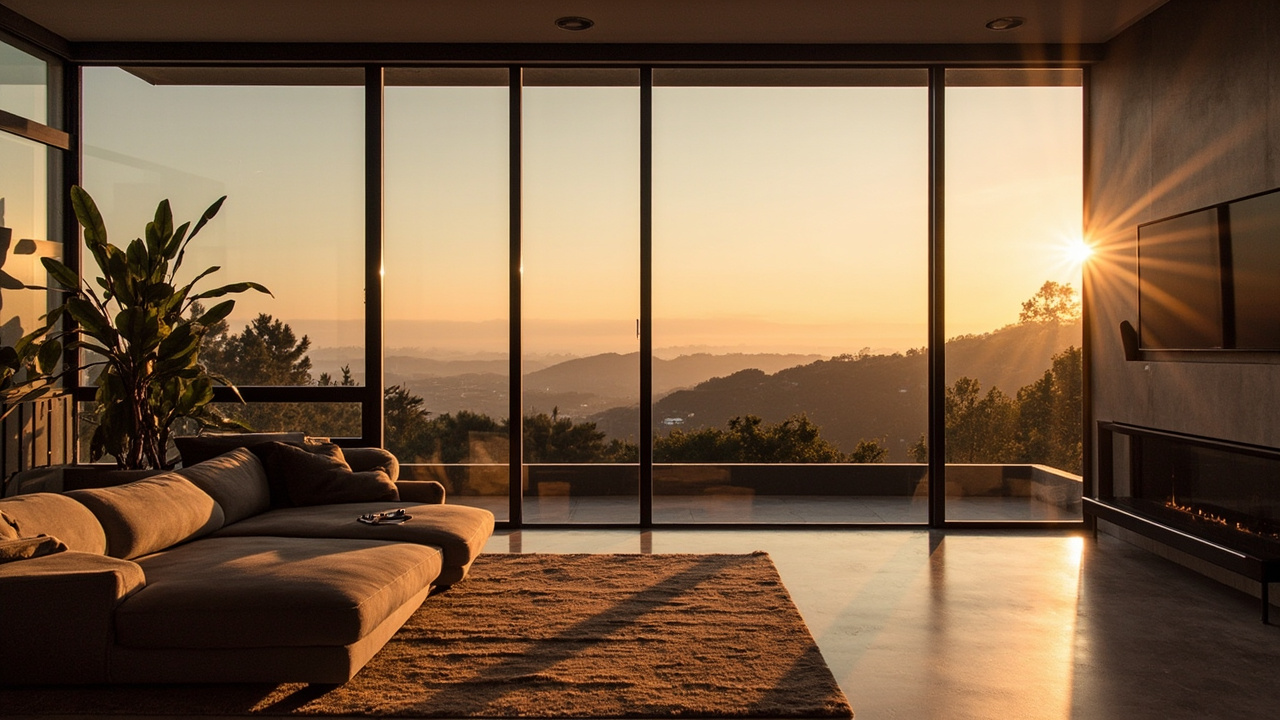
Mid century modern architecture in Los Angeles relies on the concept of bringing the outdoors in. This is achieved through floor to ceiling glass walls and thin roof lines. Standard forced air systems require a minimum of six to ten inches of clearance for metal ductwork. In a Mount Washington home with no attic and no basement, there is simply nowhere to hide these large pipes. Many owners are tempted to install wall mounted mini splits, but these can look like white plastic boxes that clash with the minimalist aesthetic of a custom home. High velocity systems solve this by using tiny vents that are barely noticeable. These vents can be painted or stained to match wood ceilings or plaster walls.
Temperature control in these homes is also difficult because of the high glass to wall ratio. The sun hitting large windows creates a massive heat load during the afternoon hours. Traditional systems often struggle to keep up because they cycle on and off based on the temperature near the thermostat. High velocity technology uses a different method to move air. It creates a gentle suction that pulls the room air into the stream of cold air. This process provides a uniform temperature from the floor to the ceiling. It eliminates the hot spots that are common in homes with vaulted ceilings and large windows. Residents who are finding 24-7 emergency HVAC help in Los Feliz often discover that high velocity retrofits are the long term answer to chronic cooling failures in historic districts.
Understanding Small Duct High Velocity Technology
Small duct high velocity systems operate on the principle of aspiration. While standard systems dump air into a room at a low speed, SDHV systems deliver air at a high speed through small openings. This high speed air creates a pressure differential that mixes the air in the room more effectively. According to Wikipedia information on high velocity HVAC, this results in better dehumidification and more consistent comfort levels. In the humid coastal air that sometimes drifts into the Los Angeles hills, removing moisture is just as important as lowering the temperature. The cooling coils in an SDHV unit are typically thicker and colder than those in a standard unit. This allows the system to remove up to thirty percent more moisture from the air during the cooling cycle.
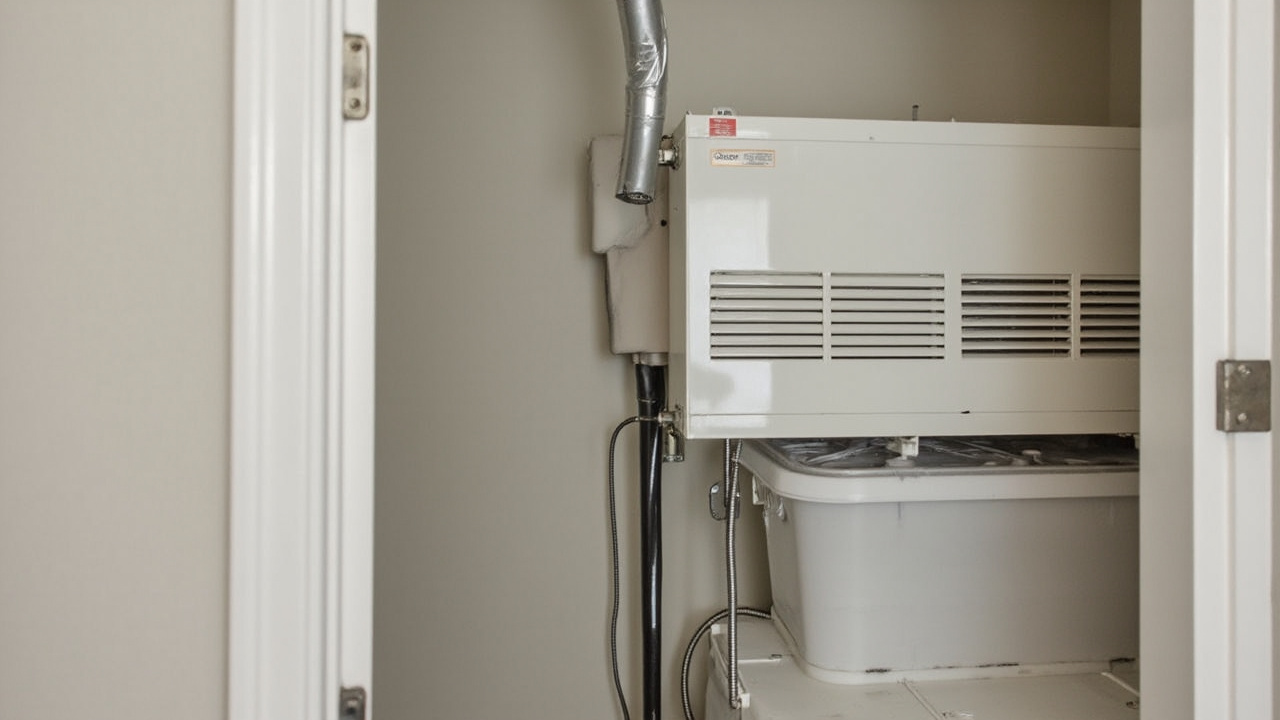
The air handler for these systems is much smaller than a standard furnace or air conditioner. It can be tucked away in a small closet or under a stairwell. The flexible tubing is insulated and sound dampened, which makes the system incredibly quiet. You will not hear the loud bang of metal ducts expanding and contracting or the rushing sound of air coming through a large grate. Instead, you get a whisper quiet stream of air that maintains a perfect environment. This is critical for homeowners who work from home in quiet neighborhoods like Moon Canyon or the area surrounding the Self Realization Fellowship.
Comparison of Cooling Technologies for Los Angeles Retrofits
| Feature | Traditional Forced Air | Ductless Mini Splits | High Velocity SDHV |
|---|---|---|---|
| Duct Diameter | 6 to 12 inches | None | 2 to 3 inches |
| Aesthetic Impact | High bulky vents | Visible wall units | Discrete round vents |
| Dehumidification | Standard | Moderate | Superior 30 percent more |
| Installation Type | Major renovation | Wall piercing | Non invasive tubing |
| Air Distribution | Convection | Direct stream | Aspiration mixing |
Benefits of Choosing High Velocity for Your Los Angeles Property
One of the primary reasons homeowners are choosing high velocity systems in 2026 is the ease of installation. Traditional retrofits might take weeks and involve multiple contractors to patch drywall and move electrical lines. An SDHV installation is often completed in a fraction of the time. The flexible tubing can be pulled through existing spaces just like electrical wiring. This reduces the labor costs associated with a total home renovation. It also means you can keep your original lath and plaster walls or wood paneling intact. Preserving these materials is vital for the resale value of a mid century modern masterpiece.
Efficiency is another major factor for Los Angeles residents. With the current 2026 energy prices, every bit of savings counts. High velocity systems are compatible with modern heat pump technology. This allows for both heating and cooling from a single efficient unit. If you are curious about why Santa Monica homeowners are switching to heat pumps, the reasons are similar for Mount Washington. You reduce your carbon footprint while meeting the strict California Title 24 energy standards. The inverter technology used in these systems allows the compressor to run at various speeds. This prevents the energy spikes that occur when a traditional system turns on at full power.
- Small two inch vents fit seamlessly into any decor.
- Quiet operation makes it ideal for bedrooms and home offices.
- Eliminates the need for drop ceilings or unsightly soffits.
- Superior moisture removal prevents indoor mold and mildew.
- Compatible with high efficiency 2026 SEER2 rated outdoor units.
- Flexible installation paths around existing plumbing and electrical.
Installation Timeline and Process in Mount Washington
When you decide to upgrade your home, the process begins with a detailed load calculation. This is not a generic estimate based on square footage. An expert technician must evaluate the window types, insulation levels, and the orientation of the home toward the sun. In Mount Washington, the afternoon sun can significantly increase the cooling load. Once the load is calculated, the air handler location is selected. This is usually in a crawlspace or a small utility closet. The next step involves mapping the paths for the flexible tubing. Technicians use specialized tools to thread the tubes through the structure of the house.
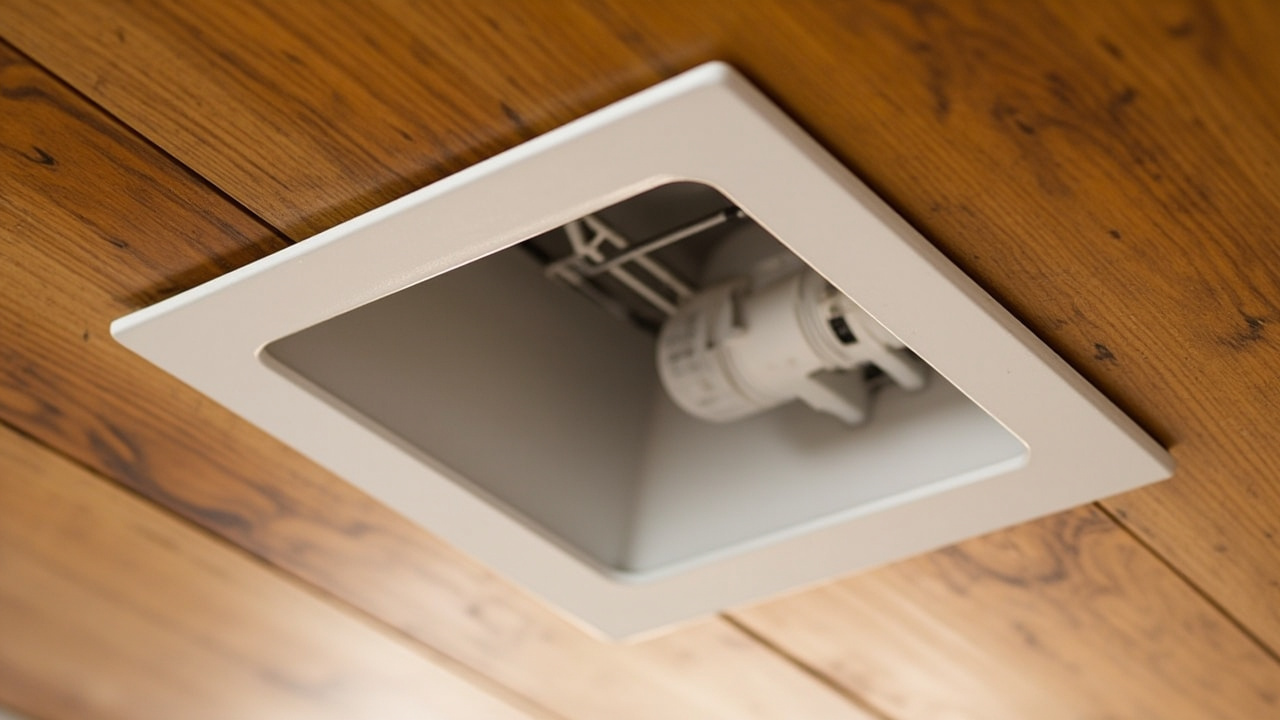
The final phase is the installation of the outlets. These are small round openings that can be placed in ceilings, walls, or even floors. Because the air mixes so well, the placement of the vents is much more flexible than with a traditional system. You do not have to worry about placing a sofa directly over a vent. After the system is charged with refrigerant and the air levels are balanced, the home is ready for the heat. For those in other historic areas, selecting the best ductless mini split installers in Beverly Hills might be common, but many are finding that high velocity offers a more hidden alternative for the most sensitive architectural projects.
Energy Efficiency and Rebates for Los Angeles Homeowners
Living in Los Angeles provides access to several incentive programs for high efficiency upgrades. The LADWP and Southern California Edison offer rebates for systems that meet specific SEER2 ratings. In 2026, these standards have become more stringent to help the state reach its climate goals. High velocity systems often exceed these requirements because they have zero duct leakage. Traditional metal ducts can lose up to twenty five percent of the conditioned air through small gaps and uninsulated sections. The seamless nature of SDHV tubing ensures that all the air you pay to cool actually reaches your living space.
Proper maintenance is the key to keeping these systems running at peak performance. Just like professional furnace maintenance in Pasadena, high velocity systems need annual checkups. Technicians will check the filter, clean the coils, and verify that the air pressure is consistent throughout the tubing network. Because the system uses high pressure, keeping the filters clean is especially important to prevent strain on the motor. Most modern systems in 2026 include smart sensors that alert you when a filter change is necessary.
Performance Data for High Velocity Systems
| Metric | Standard Unit Value | High Velocity Value |
|---|---|---|
| Duct Air Leakage Rate | 15 to 25 percent | Less than 3 percent |
| Dehumidification Rate | Standard | 30 percent higher |
| Noise Level in Decibels | 50 to 60 dB | 30 to 40 dB |
| Typical SEER2 Rating | 14 to 18 | 18 to 22 plus |
| Vent Diameter | 10 to 12 inches | 2 inches |
Choosing the right HVAC system for a Mount Washington home is about more than just temperature. It is about respecting the history of the neighborhood while embracing the technology of 2026. The unique hillside geography and the specific architectural styles of Los Angeles demand a customized approach. High velocity systems provide a level of comfort and discretion that other technologies cannot match. Whether you are restoring a vintage home on San Rafael Avenue or updating a modern build on Sea View Avenue, the right cooling solution will protect your investment and your quality of life.
When you are ready to explore the possibilities for your home, look for a technician with specific experience in SDHV systems. These units require a different set of skills for balancing and installation compared to standard air conditioners. A high velocity system is a long term investment in the comfort and value of your property. By choosing a system that fits your home instead of forcing your home to fit the system, you ensure that your mid century modern gem remains a comfortable sanctuary for years to come. Information from the Department of Energy shows that specialized systems are often the most efficient choice for unique floor plans.
Final Considerations for Your Home Cooling Strategy
As summer temperatures in Southern California continue to reach new highs, having a reliable system is non negotiable. The peace of mind that comes from a quiet, efficient, and hidden air conditioner allows you to focus on enjoying your home. Mount Washington residents have always been known for their appreciation of art and design. High velocity HVAC is the only system that treats your home like the work of art it is. You can maintain the open ceilings and the wall of windows without sacrificing the cool air you need during a July heatwave. Contact a local expert today to see how a small duct system can be integrated into your specific floor plan. The process is simpler than you might expect and the results are transformative for your living environment.
{
“@context”: “https://schema.org”,
“@type”: “BlogPosting”,
“headline”: “Saving Your Mount Washington Mid Century Modern With High Velocity HVAC”,
“description”: “Preserve your Mount Washington mid century modern home with high velocity HVAC. Learn how small duct systems provide elite cooling without ruining architecture.”,
“wordCount”: 1886,
“datePublished”: “2026-02-12T08:38:00.000Z”,
“dateModified”: “2026-02-12T08:38:00.000Z”,
“inLanguage”: “en-US”,
“mainEntityOfPage”: {
“@type”: “WebPage”,
“@id”: “https://aplushvaclosangeles.com”
},
“publisher”: {
“@type”: “LocalBusiness”,
“name”: “A Plus HVAC Los Angeles”,
“url”: “https://aplushvaclosangeles.com”
},
“author”: {
“@type”: “Organization”,
“name”: “A Plus HVAC Los Angeles”,
“url”: “https://aplushvaclosangeles.com”
},
“image”: {
“@type”: “ImageObject”,
“url”: “https://aplushvaclosangeles.com/wp-content/uploads/2026/03/how-to-save-your-mount-washington-mid-century-mode-1.jpg”
}
}
{
“@context”: “https://schema.org”,
“@type”: “HVACBusiness”,
“name”: “A Plus HVAC Los Angeles”,
“url”: “https://aplushvaclosangeles.com”,
“address”: {
“@type”: “PostalAddress”,
“addressLocality”: “Los Angeles”
},
“areaServed”: {
“@type”: “City”,
“name”: “Los Angeles”
}
}
{
“@context”: “https://schema.org”,
“@type”: “BreadcrumbList”,
“itemListElement”: [
{
“@type”: “ListItem”,
“position”: 1,
“name”: “Home”,
“item”: “https://aplushvaclosangeles.com”
},
{
“@type”: “ListItem”,
“position”: 2,
“name”: “Blog”,
“item”: “https://aplushvaclosangeles.com/blog”
},
{
“@type”: “ListItem”,
“position”: 3,
“name”: “Saving Your Mount Washington Mid Century Modern With High Velocity HVAC”
}
]
}
{
“@context”: “https://schema.org”,
“@type”: “Service”,
“serviceType”: “HVAC”,
“provider”: {
“@type”: “LocalBusiness”,
“name”: “A Plus HVAC Los Angeles”,
“url”: “https://aplushvaclosangeles.com”
},
“areaServed”: {
“@type”: “City”,
“name”: “Los Angeles”
},
“description”: “Preserve your Mount Washington mid century modern home with high velocity HVAC. Learn how small duct systems provide elite cooling without ruining architecture.”
}
