Studio City Homeowners Guide to Choosing Between Heat Pumps and Central Air
Living in Studio City requires a cooling system that can handle the aggressive heat of the San Fernando Valley. Temperatures near Ventura Boulevard often climb higher than the coastal areas of Los Angeles. As a homeowner in 2026, you face a choice between traditional central air conditioning and modern heat pump technology. Both systems provide reliable cooling, but they operate differently and impact your utility bills in various ways. Understanding these differences helps you make an informed investment for your property in neighborhoods like Colfax Meadows or the Silver Triangle.
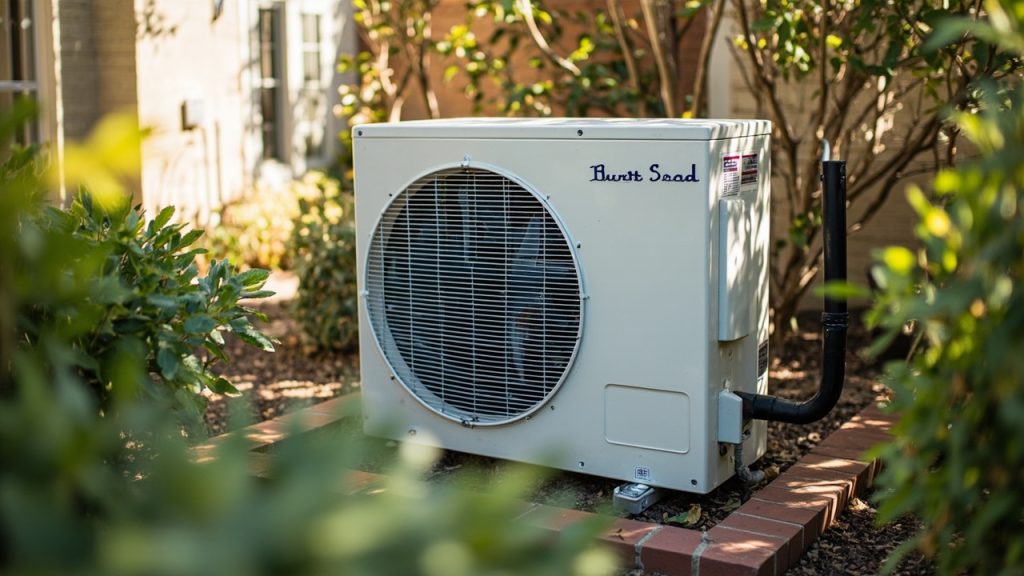
Central air conditioning has been the standard for decades in Southern California. These systems use a compressor to move heat from inside your home to the outdoors. They typically pair with a gas furnace to provide heat during the cooler months. In contrast, a heat pump is a two way system. It moves heat out of your home in the summer and pulls heat from the outside air to warm your home in the winter. Because Los Angeles experiences mild winters, heat pumps have become a primary choice for residents looking to electrify their homes and reduce their carbon footprint.
How Mechanical Differences Impact Performance in the San Fernando Valley
Central air systems are designed for one specific job. They cool air by circulating refrigerant through a closed loop. The indoor evaporator coil absorbs heat, and the outdoor condenser unit releases it. This setup is highly effective when temperatures exceed 100 degrees in Studio City. Most modern units in 2026 use R-454B refrigerant, which complies with current environmental standards. You can learn more about official efficiency guidelines at the U.S. Department of Energy website.
Heat pumps use the exact same process for cooling. The main difference is a component called a reversing valve. This valve allows the system to change the direction of the refrigerant flow. In the summer, it acts exactly like a central air conditioner. In the winter, it reverses the cycle to provide heat. Many people worry that a heat pump cannot handle extreme heat. Modern inverter technology allows these systems to maintain high performance even when the Valley experiences a heatwave. If your system struggles during these peak times, you may need Fast Silver Lake AC Repair Without Overpaying to ensure your components are functioning at full capacity.

Efficiency Ratings and Energy Consumption Standards in 2026
When comparing these systems, you will see ratings like SEER2 and HSPF2. SEER2 measures cooling efficiency over a typical season. HSPF2 measures heating efficiency for heat pumps. In 2026, the minimum standards have increased to ensure lower energy consumption across California. A higher number means the unit uses less electricity to move the same amount of heat. For Studio City residents, choosing a high SEER2 rating is essential because of the long cooling season that starts in April and often lasts through November.
Standard central air units often range from 14 to 20 SEER2. High efficiency heat pumps can reach 22 or even 25 SEER2. These units often use variable speed compressors. Instead of turning on and off at full power, they adjust their speed to match the cooling demand. This prevents the frequent cycling that wears out parts and causes temperature swings. If you live in a historic area like Wrightwood Estates, a variable speed system can also help manage humidity better than an old single stage unit.
| Feature | Traditional Central Air | Modern Heat Pump |
|---|---|---|
| Primary Function | Cooling only | Heating and Cooling |
| Energy Source | Electricity (Cooling) / Gas (Heating) | Electricity for both |
| Refrigerant Type | R-454B or R-32 | R-454B or R-32 |
| Lifespan in LA | 15 to 20 years | 15 to 18 years |
| Installation Time | 1 to 2 days | 1 to 3 days |
Local Climate Factors and Microclimates in Studio City
Studio City sits in a unique geographic position. It is shielded by the Santa Monica Mountains, which traps heat in the Valley while coastal areas stay cool. This is why Santa Monica homeowners are switching to heat pumps at a different rate than those in the Valley. While a heat pump is excellent for heating in Santa Monica, a Studio City home needs to prioritize the cooling capacity of the unit first. If your home has poor insulation or old windows, a heat pump might run more frequently during a July heatwave.
Humidity is another factor. While Los Angeles is generally dry, we do experience monsoonal moisture in the late summer. Heat pumps with inverter technology excel at removing moisture from the air because they run longer cycles at lower speeds. This keeps your home feeling comfortable at higher thermostat settings. If you find yourself stuck with a broken system during one of these humid weeks, finding 24-7 Emergency HVAC Help in Los Feliz or nearby areas can prevent your indoor air quality from dropping.
Installation Cost Considerations for Los Angeles Residents
The price of installing a new system in 2026 depends on your existing infrastructure. If you already have a gas furnace and ductwork in good condition, replacing just the central air unit is often the lower upfront cost option. However, if your furnace is also aging, a heat pump allows you to replace both systems with one single outdoor unit. This can save space in your utility closet or attic. Many homeowners in Beeman Park are choosing heat pumps to free up space for storage or ADU conversions.
Labor rates in Los Angeles are a significant part of the budget. Installing a heat pump may require electrical upgrades if your current panel cannot handle the load. Most older homes in Studio City were built with 100 amp panels, which may need an upgrade to 200 amps for an all electric HVAC system. This is a common requirement that we see when selecting the best ductless mini split installers for historic Beverly Hills homes or older San Fernando Valley properties.
| Cost Factor | Central Air (Add-on) | Full Heat Pump System |
|---|---|---|
| Equipment Price | Moderate | Higher |
| Electrical Upgrades | Rarely required | Often required |
| Rebates (LADWP) | Minimal | Significant incentives |
| Monthly Operating Cost | Standard | Lowest in mild weather |
Available Rebates and Tax Credits in 2026
The financial math for heat pumps has changed significantly thanks to current incentives. The Inflation Reduction Act provides tax credits for high efficiency heat pump installations. Additionally, the Los Angeles Department of Water and Power (LADWP) offers substantial rebates for residents who switch from gas heating to electric heat pumps. These incentives can often bridge the price gap between a standard central air unit and a premium heat pump system.
To qualify for these rebates, the system must meet specific SEER2 and HSPF2 thresholds. We always recommend checking the Air-Conditioning, Heating, and Refrigeration Institute database to verify equipment ratings. Proper documentation is necessary to claim these funds. When you plan your upgrade, factor in these savings to determine your actual return on investment. Many homeowners find that the lower monthly bills and tax credits make the heat pump the more affordable long term choice.
Maintenance Requirements for System Longevity
Regardless of the system you choose, regular maintenance is the only way to ensure it lasts for its full expected lifespan. A central air unit only runs for part of the year, while a heat pump works year round. This means a heat pump might require more frequent checkups to ensure the reversing valve and outdoor fan motor remain in good condition. Neglecting a system in the Valley heat leads to expensive repairs and premature failure.
- Clean or change air filters every 60 to 90 days.
- Clear debris like leaves and dirt from the outdoor unit.
- Inspect the condensate drain line for clogs to prevent water damage.
- Check electrical connections for signs of wear or overheating.
- Schedule a professional inspection before the summer peak.
For those who still use a gas furnace alongside their air conditioner, professional furnace maintenance in Pasadena or Studio City is vital for safety. Gas leaks or cracked heat exchangers are serious risks in older heating units. A heat pump eliminates the risk of carbon monoxide from the HVAC system since it does not burn fuel to create heat.
Noise Levels and Indoor Comfort
Older air conditioners are known for being loud when they kick on. This can be a nuisance in quiet Studio City neighborhoods where homes are close together. Modern heat pumps and high end central air units are significantly quieter. Units with sound blankets and variable speed fans operate at decibel levels that allow you to hold a conversation right next to the machine. If you value a quiet backyard for entertaining, the sound profile of the unit should be a top priority during your selection process.
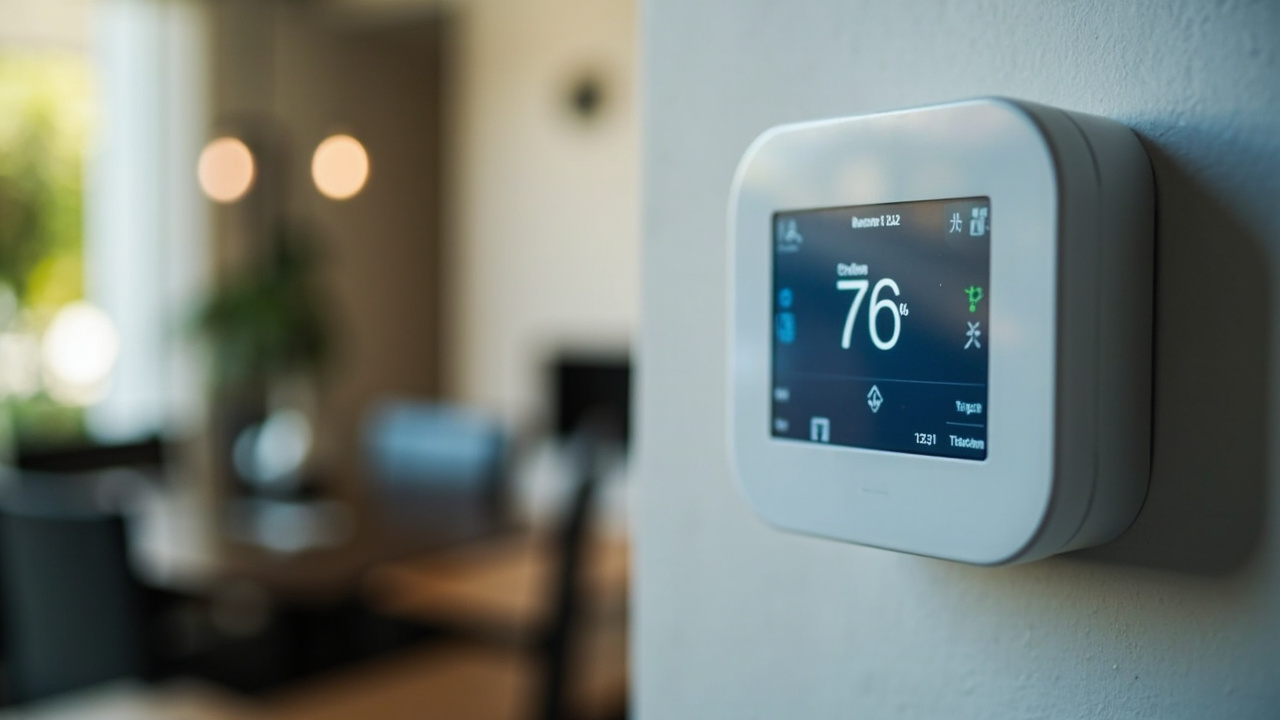
Indoor comfort is about more than just temperature. It is about consistent airflow. Single stage systems blast cold air until the thermostat is satisfied and then shut off. This creates hot and cold spots in different rooms. Variable speed heat pumps provide a steady stream of air at a lower velocity. This keeps the temperature uniform throughout your home and prevents the sudden chill often associated with older central air systems.
Choosing Between the Two Systems
The decision usually comes down to your current setup and your goals for the future. If you want the lowest possible installation price and your furnace is nearly new, a central air unit is a practical choice. If you want to move away from gas, take advantage of big rebates, and enjoy more consistent indoor temperatures, the heat pump is the superior technology for 2026. Properties in Studio City see a value increase when they feature high efficiency, modern infrastructure that meets current California building codes.
Consider the age of your electrical panel and the condition of your ducts before you sign a contract. A high efficiency system cannot perform well if the ducts are leaking air into your attic. Always have a professional perform a load calculation to ensure the system is the right size for your square footage. An oversized system will cycle too often and an undersized system will never cool your home during a 105 degree day in August.
Frequently Asked Questions
Will a heat pump work when it is over 100 degrees in Studio City. Yes. Modern heat pumps are designed to provide effective cooling even in extreme desert and valley temperatures. They use the same technology as standard air conditioners for the cooling cycle.
Do I need to keep my furnace if I get a heat pump. You do not have to. A heat pump can handle both heating and cooling. However, some people choose a dual fuel system that uses the heat pump for mild days and a gas furnace for the few cold nights we get in the Valley.
How much can I save on my LADWP bill. Savings vary based on your home insulation and usage habits. Generally, homeowners see a reduction in overall energy costs when switching from an old, inefficient SEER 10 or 12 unit to a modern 18+ SEER2 heat pump.
Is a heat pump more expensive to repair. The components are very similar to an air conditioner. The primary difference is the reversing valve and the logic board. While some parts may be slightly more expensive, the overall maintenance costs are comparable over the life of the system.
If you need help deciding which system fits your Studio City home, contact a local expert to evaluate your property. We can provide a detailed analysis of your current airflow and help you navigate the 2026 rebate landscape to maximize your savings.
{
“@context”: “https://schema.org”,
“@type”: “BlogPosting”,
“headline”: “Studio City Homeowners Guide to Choosing Between Heat Pumps and Central Air”,
“description”: “Compare heat pumps vs central air for Studio City homes. Learn about 2026 efficiency standards, LADWP rebates, and the best cooling options for the Valley heat.”,
“wordCount”: 1924,
“datePublished”: “2026-04-21T08:20:00.000Z”,
“dateModified”: “2026-04-21T08:20:00.000Z”,
“inLanguage”: “en-US”,
“mainEntityOfPage”: {
“@type”: “WebPage”,
“@id”: “https://aplushvaclosangeles.com”
},
“publisher”: {
“@type”: “LocalBusiness”,
“name”: “A Plus HVAC Los Angeles”,
“url”: “https://aplushvaclosangeles.com”
},
“author”: {
“@type”: “Organization”,
“name”: “A Plus HVAC Los Angeles”,
“url”: “https://aplushvaclosangeles.com”
},
“image”: {
“@type”: “ImageObject”,
“url”: “https://aplushvaclosangeles.com/wp-content/uploads/2026/03/central-air-vs-heat-pumps-for-studio-city-homeowne-1.jpg”
}
}
{
“@context”: “https://schema.org”,
“@type”: “HVACBusiness”,
“name”: “A Plus HVAC Los Angeles”,
“url”: “https://aplushvaclosangeles.com”,
“address”: {
“@type”: “PostalAddress”,
“addressLocality”: “Los Angeles”
},
“areaServed”: {
“@type”: “City”,
“name”: “Los Angeles”
}
}
{
“@context”: “https://schema.org”,
“@type”: “BreadcrumbList”,
“itemListElement”: [
{
“@type”: “ListItem”,
“position”: 1,
“name”: “Home”,
“item”: “https://aplushvaclosangeles.com”
},
{
“@type”: “ListItem”,
“position”: 2,
“name”: “Blog”,
“item”: “https://aplushvaclosangeles.com/blog”
},
{
“@type”: “ListItem”,
“position”: 3,
“name”: “Studio City Homeowners Guide to Choosing Between Heat Pumps and Central Air”
}
]
}
{
“@context”: “https://schema.org”,
“@type”: “Service”,
“serviceType”: “HVAC”,
“provider”: {
“@type”: “LocalBusiness”,
“name”: “A Plus HVAC Los Angeles”,
“url”: “https://aplushvaclosangeles.com”
},
“areaServed”: {
“@type”: “City”,
“name”: “Los Angeles”
},
“description”: “Compare heat pumps vs central air for Studio City homes. Learn about 2026 efficiency standards, LADWP rebates, and the best cooling options for the Valley heat.”
}
