Tenant and Landlord Responsibilities for AC Repairs in Mid-Wilshire Rental Properties
Living in the Mid-Wilshire area of Los Angeles in 2026 means dealing with intense summer heatwaves that stretch from June through October. This neighborhood features a unique mix of historic Art Deco apartments and modern high-rise luxury units. When the thermometer climbs near the La Brea Tar Pits, a functional air conditioner is not just a luxury. It is a necessity for health and safety. Many residents find themselves wondering about the legalities of cooling systems when a unit stops blowing cold air. Navigating the relationship between a property owner and a renter requires understanding specific local regulations and the current state of California law. This guide provides clarity on who must pick up the tab for repairs and how to ensure your living space remains comfortable throughout the 2026 season.
The Current Legal Landscape of Cooling in Los Angeles for 2026
California law has long established the Implied Warranty of Habitability. This legal doctrine requires landlords to maintain properties in a condition fit for human occupation. Historically, this heavily focused on heat. Every residential rental unit must have a functional heating system. However, as we move through 2026, the interpretation of cooling requirements has become more nuanced. While state law does not explicitly mandate air conditioning in every single dwelling, the Los Angeles Housing Department enforces strict rules regarding units that are already equipped with cooling systems. If your Mid-Wilshire apartment was marketed and leased with an air conditioner, the landlord is generally required to keep that system in good working order. This falls under the maintenance of provided amenities and services.
The California Civil Code Section 1941.1 outlines the basic requirements for a habitable building. In the current climate of 2026, many local advocates argue that extreme heat in Los Angeles makes cooling essential for habitability. For buildings subject to the Los Angeles Rent Stabilization Ordinance, or RSO, landlords cannot simply remove a service like air conditioning without a corresponding reduction in rent. This protection is vital for long-term residents in older Mid-Wilshire buildings who rely on wall units or central air systems installed decades ago.
Identifying Specific Maintenance Duties for Mid-Wilshire Tenants
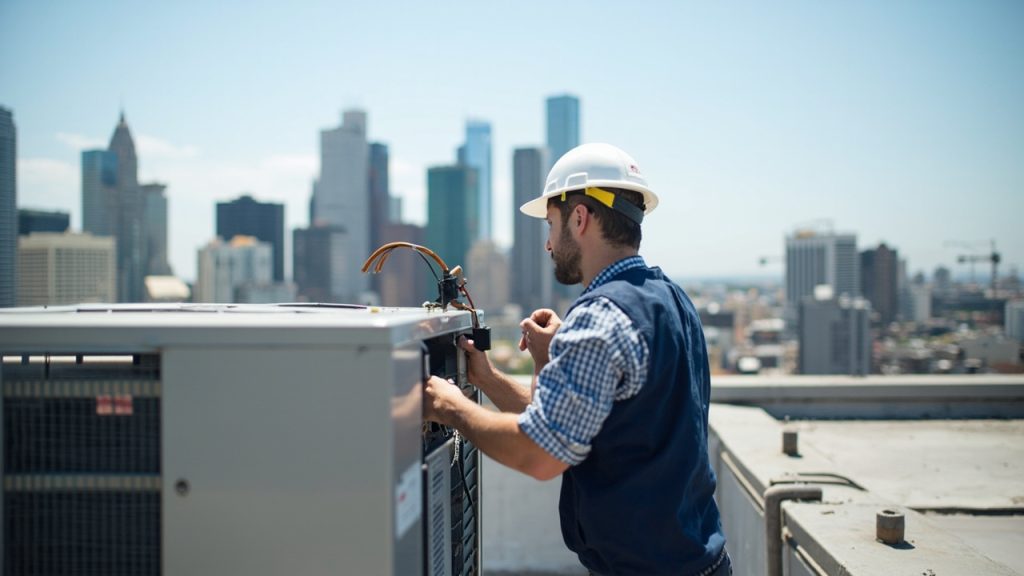
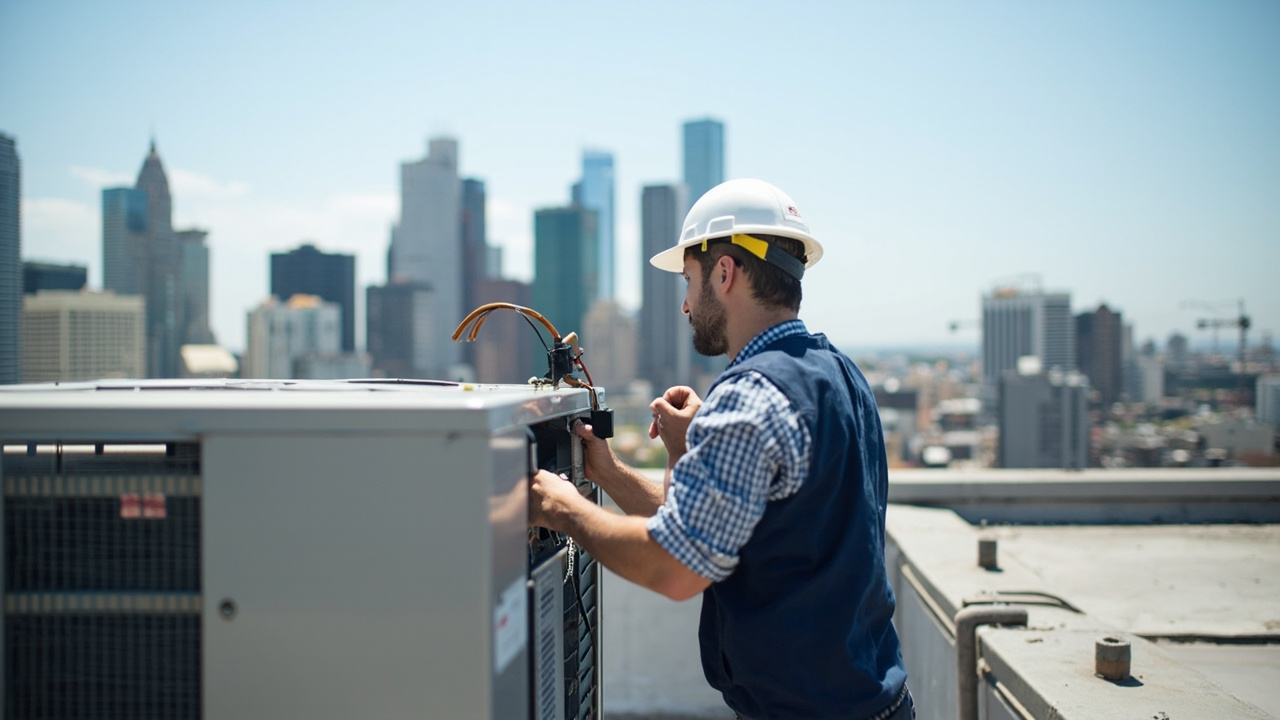
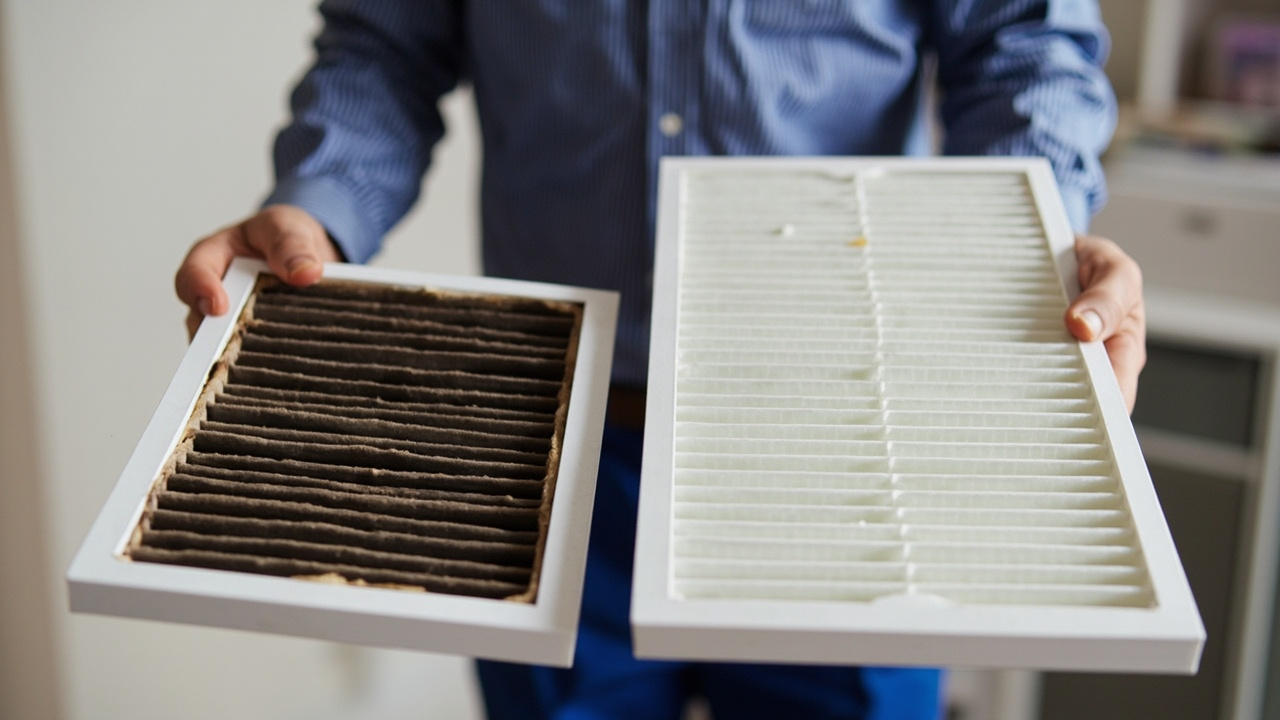
While the property owner is responsible for major mechanical failures, the tenant has a duty to perform basic upkeep. This is often where disputes arise in Mid-Wilshire rentals. Tenants are expected to use the HVAC system in a reasonable manner. This includes keeping the area around the condenser clear and ensuring that the indoor vents are not blocked by furniture. In 2026, air quality has become a major concern in Los Angeles. Many modern leases now specify that tenants are responsible for changing air filters every three months. Using a high-quality filter helps prevent the evaporator coils from freezing and reduces the strain on the blower motor. If a repair technician finds that a system failure was caused by a tenant never changing a filter, the landlord may attempt to pass the repair cost to the tenant.
Residents in older buildings near Wilshire Boulevard should also be mindful of the electrical capacity. Many historic structures were not built to handle the power draw of modern portable AC units alongside heavy kitchen appliances. If a tenant installs their own window unit and damages the building electrical system, that responsibility typically falls on the renter. For those looking for professional help with specialized installations, checking out Selecting the Best Ductless Mini Split Installers for Historic Beverly Hills Homes can provide insight into how older structures are being updated in 2026.
HVAC Responsibility Matrix for Los Angeles Rentals
| System Component | Primary Responsibility | Typical Exception |
|---|---|---|
| Refrigerant Leaks | Landlord | None |
| Air Filter Replacement | Tenant | Hard to access units |
| Compressor Failure | Landlord | Tenant negligence |
| Thermostat Batteries | Tenant | Smart home systems |
| Annual Tune Ups | Landlord | None |
| Drain Line Cleaning | Landlord | Tenant debris in line |
When the Landlord Must Pay for Repairs
Landlords in Mid-Wilshire are responsible for any repair that stems from normal wear and tear. In 2026, many central air systems are reaching the end of their useful life. Components like capacitors, contactors, and fan motors eventually fail regardless of how well a tenant treats the system. If the AC unit stops cooling because the compressor has seized or the refrigerant has leaked due to age, the owner must cover the cost. This includes the diagnostic fee, labor, and parts. Property owners should be proactive about these issues. Waiting until a heatwave hits to find Finding 24-7 Emergency HVAC Help in Los Feliz When You Need it Most can lead to much higher costs and potential legal penalties.
Another area of landlord responsibility involves the ductwork. In many older Mid-Wilshire duplexes, the ducts may be made of outdated materials that have started to degrade. If the air conditioner is running but no air is reaching the bedrooms, the landlord must repair the distribution system. Similarly, if the thermostat fails or the electrical circuit dedicated to the HVAC unit malfunctions, these are structural and mechanical issues that fall under the owner duty to provide a functional unit. For landlords managing properties in colder areas of the county, similar rules apply to heating as seen in Professional Furnace Maintenance in Pasadena to Reduce Winter Heating Costs.
Common Repair Costs and Timelines in Los Angeles for 2026
The speed of a repair is often as important as who pays for it. During a record breaking Los Angeles summer in 2026, an apartment can reach dangerous temperatures within hours. California law requires landlords to address urgent habitability issues within a reasonable timeframe. Usually, this means starting the repair process within 24 to 48 hours of receiving a written notice from the tenant. If the landlord fails to act, the tenant may have the right to repair and deduct, though this path is legally complex and should be handled with care. Many tenants in the Silver Lake area have found success by following advice on Fast Silver Lake AC Repair Without Overpaying to document the process correctly.
Typical 2026 HVAC Repair Estimates for Landlords
| Repair Service | Estimated Timeframe | Cost Factor level |
|---|---|---|
| Capacitor Replacement | Same Day | Low |
| Refrigerant Recharge R32 | 1 to 2 Days | Moderate |
| Evaporator Coil Repair | 3 to 5 Days | High |
| Full System Replacement | 5 to 7 Days | Very High |
| Blower Motor Swap | 1 to 2 Days | Moderate |
Special Considerations for Historic Mid-Wilshire Buildings
Mid-Wilshire is famous for its stunning 1920s architecture. While these buildings are beautiful, they present unique HVAC challenges. Many are not equipped with central ductwork. In these cases, landlords often provide window units or wall sleeves. The responsibility remains the same. If the unit was provided with the lease, the landlord must maintain it. However, many owners in 2026 are opting to upgrade to modern solutions. This is particularly true for owners who want to increase property value and tenant satisfaction. Many are moving toward high-efficiency electric systems. You can learn more about why these upgrades are becoming standard by reading Why Santa Monica Homeowners Are Switching to Heat Pumps This Year.
In these historic settings, the tenant must be extra careful about moisture. Many older buildings lack the high-performance insulation found in new constructions near Miracle Mile. If a tenant runs a window AC unit improperly, it can cause condensation to build up on the plaster walls, leading to mold. Tenants should ensure the unit is tilted slightly outward so the condensate can drain properly. If mold develops because the tenant blocked the drainage, the tenant might be held liable for the remediation costs.
What to Do When Your AC Fails in Mid-Wilshire
If you are a tenant and your cooling system stops working, you should take the following steps immediately to protect your rights.
- Check your circuit breaker and thermostat batteries to ensure the problem is not a simple fix you can handle.
- Notify your landlord or property management company in writing immediately. An email or a message through a tenant portal is better than a phone call because it creates a timestamped record.
- Record the temperature inside your apartment at different times of the day. If it exceeds 85 degrees, it may be considered a health hazard, especially for children or the elderly.
- Keep a log of all communications. If the landlord promises a technician will arrive on Tuesday, write that down.
- If the repair takes more than a few days, ask for a temporary solution like a portable AC unit or a rent credit for the days the unit was uninhabitable.
For landlords, the best way to avoid conflict is to have a standing contract with a local HVAC provider. In the high demand environment of 2026, finding a technician during a heatwave is difficult. Having a preventative maintenance plan ensures that your systems are checked before the peak of summer. This reduces the likelihood of emergency failures and keeps your tenants happy. Regular inspections can also catch small leaks or electrical issues before they turn into multi thousand dollar replacements.
Resolving Disputes Over Cooling Responsibility
Sometimes, a landlord and tenant simply cannot agree on who caused the damage. In Mid-Wilshire, these disputes can be brought before the Los Angeles Housing Department or a small claims court. The key piece of evidence in these cases is almost always the technician report. When a professional HVAC company inspects the system, they will provide a detailed breakdown of why the system failed. If the report states the motor burned out due to age, the landlord is liable. If the report states the unit was damaged because a tenant tried to hotwire the thermostat, the tenant will likely pay. Both parties should request a copy of this report for their records.
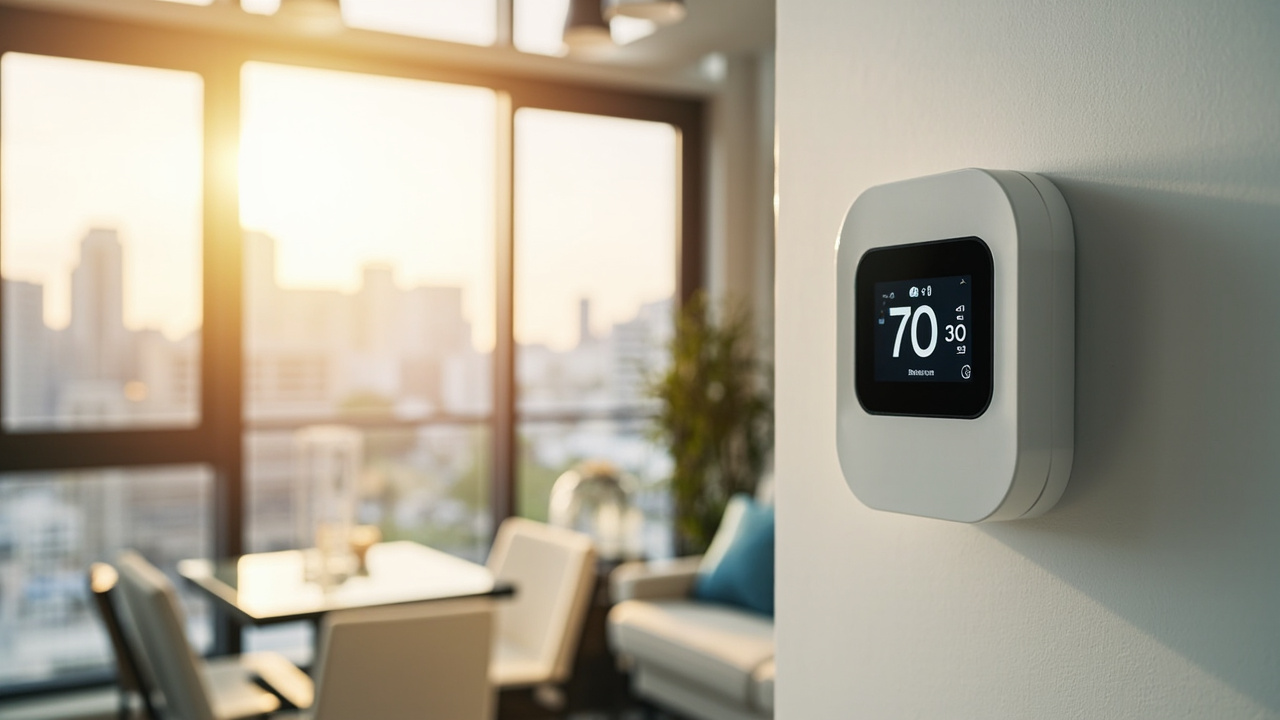
In 2026, the rise of smart HVAC technology has made these disputes easier to settle. Many new systems in Mid-Wilshire apartments track usage data. If a system fails, the technician can see if it was being run at 60 degrees for three weeks straight during a 110 degree heatwave, which puts extreme stress on the equipment. While it is the tenant right to use the system, being reasonable with settings can prevent many of these headaches. Modern thermostats often include eco-modes that balance comfort with system longevity, which is a win for both the property owner and the resident.
Whether you are a tenant living near the Wilshire Ebell Theatre or a landlord managing a portfolio of rent controlled units, communication is the most effective tool. Understanding that the landlord is generally responsible for the mechanical integrity of the AC, while the tenant is responsible for daily care and filter changes, prevents most legal issues. Keep your records clear, stay informed about the latest Los Angeles housing codes, and ensure your HVAC system is ready for the 2026 summer season before the first heatwave arrives.
{
“@context”: “https://schema.org”,
“@type”: “BlogPosting”,
“headline”: “Tenant and Landlord Responsibilities for AC Repairs in Mid-Wilshire Rental Properties”,
“description”: “Learn who pays for AC repairs in Mid-Wilshire rentals in 2026. Expert Los Angeles HVAC guide on landlord duties, tenant maintenance, and local housing laws.”,
“wordCount”: 1799,
“datePublished”: “2026-04-05T04:54:00.000Z”,
“dateModified”: “2026-04-05T04:54:00.000Z”,
“inLanguage”: “en-US”,
“mainEntityOfPage”: {
“@type”: “WebPage”,
“@id”: “https://aplushvaclosangeles.com”
},
“publisher”: {
“@type”: “LocalBusiness”,
“name”: “A Plus HVAC Los Angeles”,
“url”: “https://aplushvaclosangeles.com”
},
“author”: {
“@type”: “Organization”,
“name”: “A Plus HVAC Los Angeles”,
“url”: “https://aplushvaclosangeles.com”
},
“image”: {
“@type”: “ImageObject”,
“url”: “https://aplushvaclosangeles.com/wp-content/uploads/2026/03/who-is-responsible-for-ac-repairs-in-a-mid-wilshir-1.jpg”
}
}
{
“@context”: “https://schema.org”,
“@type”: “HVACBusiness”,
“name”: “A Plus HVAC Los Angeles”,
“url”: “https://aplushvaclosangeles.com”,
“address”: {
“@type”: “PostalAddress”,
“addressLocality”: “Los Angeles”
},
“areaServed”: {
“@type”: “City”,
“name”: “Los Angeles”
}
}
{
“@context”: “https://schema.org”,
“@type”: “BreadcrumbList”,
“itemListElement”: [
{
“@type”: “ListItem”,
“position”: 1,
“name”: “Home”,
“item”: “https://aplushvaclosangeles.com”
},
{
“@type”: “ListItem”,
“position”: 2,
“name”: “Blog”,
“item”: “https://aplushvaclosangeles.com/blog”
},
{
“@type”: “ListItem”,
“position”: 3,
“name”: “Tenant and Landlord Responsibilities for AC Repairs in Mid-Wilshire Rental Properties”
}
]
}
{
“@context”: “https://schema.org”,
“@type”: “Service”,
“serviceType”: “HVAC”,
“provider”: {
“@type”: “LocalBusiness”,
“name”: “A Plus HVAC Los Angeles”,
“url”: “https://aplushvaclosangeles.com”
},
“areaServed”: {
“@type”: “City”,
“name”: “Los Angeles”
},
“description”: “Learn who pays for AC repairs in Mid-Wilshire rentals in 2026. Expert Los Angeles HVAC guide on landlord duties, tenant maintenance, and local housing laws.”
}
