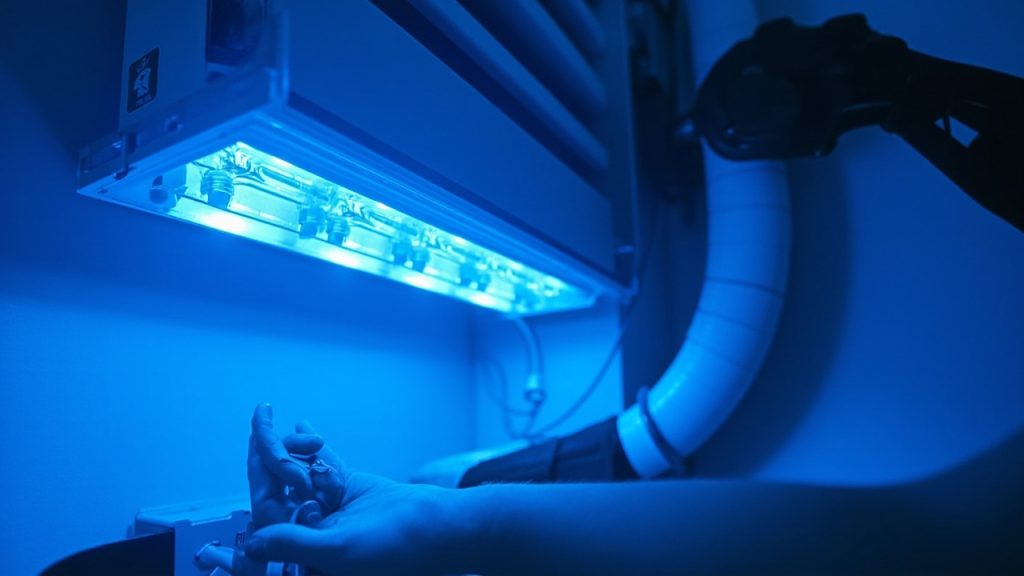
Living in Pacific Palisades means enjoying the refreshing Pacific Ocean breeze and the scenic views of the Santa Monica Mountains. This coastal environment also brings high levels of humidity and salt air into your home. When moist air enters your HVAC system, it creates a perfect breeding ground for organic growth on your cooling coils. Using UV lights to stop mold growth in Pacific Palisades HVAC systems has become a standard practice for homeowners who want to maintain clean indoor air and protect their equipment from biological buildup.
The marine layer often lingers over neighborhoods like the Huntington Palisades and the Palisades Highlands well into the afternoon. This persistent moisture settles inside your air handler unit where the sun never reaches. Without intervention, mold spores thrive in the dark and damp environment of the evaporator coil. These spores eventually enter your ductwork and spread throughout your living spaces. Installing germicidal UV-C lamps provides a continuous cleaning solution that neutralizes these microorganisms before they become a health hazard.

Understanding the Science of HVAC UV Lights
Germicidal ultraviolet lights operate at a specific wavelength of 254 nanometers. This wavelength is known as UV-C. It penetrates the cellular walls of biological contaminants like mold, bacteria, and viruses. Once the light hits these organisms, it disrupts their DNA and RNA. This process prevents them from reproducing or performing vital functions. A microorganism that cannot reproduce is effectively dead and cannot cause illness or spread through your home.
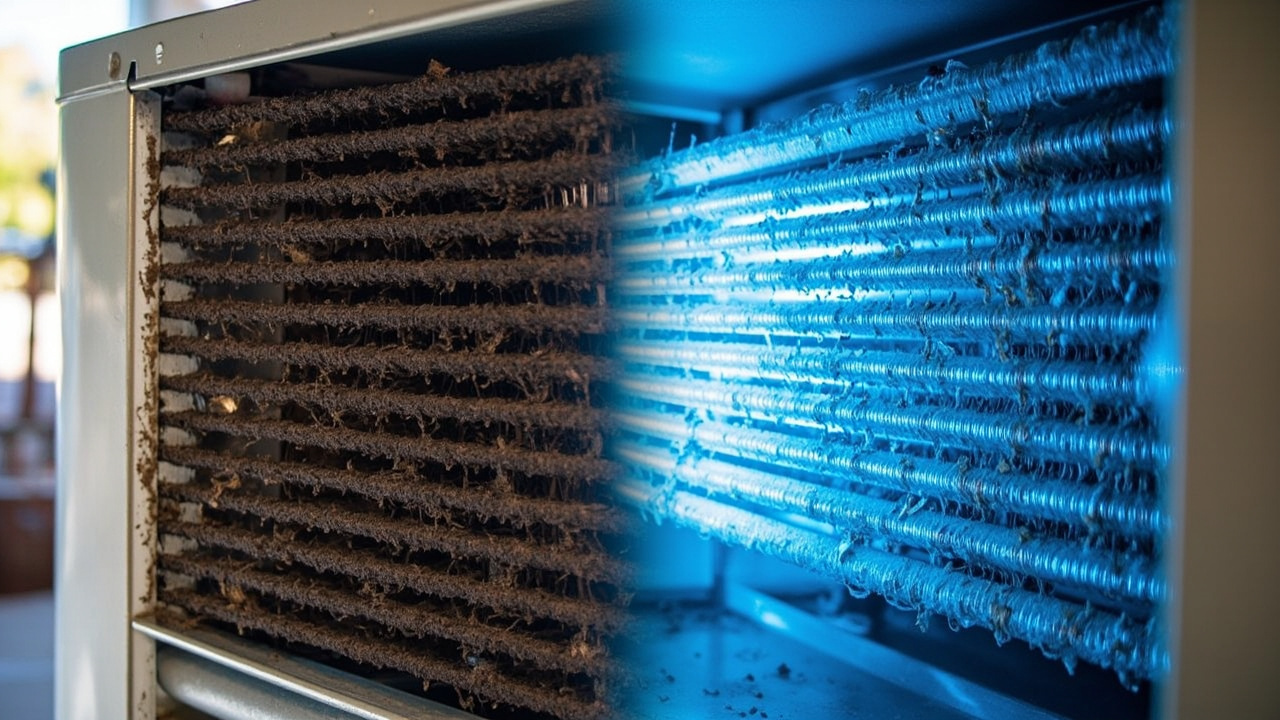
Many residents in Los Angeles understand the impact of outdoor pollutants like smog and wildfire smoke. However, indoor air quality often suffers more from biological contaminants than from particulate matter. Your air conditioner works by removing heat and moisture from the air. The moisture condenses on the cold metal fins of the evaporator coil and drips into a primary drain pan. In the humid Pacific Palisades climate, this area stays wet almost constantly. UV lights shine directly on these surfaces to ensure that no mold or biofilm can take root.
Professional installers categorize these systems into two main types. The first is coil sterilization. We mount these lamps near the evaporator coil to keep the surfaces clean. The second is air sterilization. These systems treat the air as it moves through the return air duct. For mold prevention, coil sterilization is generally the more effective choice for local homeowners because it addresses the source of the growth. If you are also dealing with mechanical issues, you might seek Fast Silver Lake AC Repair Without Overpaying for advice on older units, but UV lights are a proactive upgrade for any system age.
Comparing Coil and Air Sterilization Systems
Choosing the right UV system depends on your specific goals for indoor air quality. Most Pacific Palisades homes benefit most from coil sterilization due to the coastal moisture. The following table highlights the differences between the two primary installation methods used in 2026.
| Feature | Coil Sterilization Lamps | Air Sterilization Systems |
|---|---|---|
| Primary Goal | Prevents mold on cooling coils | Kills airborne pathogens |
| Installation Location | Inside the air handler unit | Inside the return air ductwork |
| Lamp Intensity | Medium intensity for 24/7 use | High intensity for rapid air flow |
| Efficiency Impact | Improves airflow and heat transfer | No direct impact on efficiency |
| Target Contaminants | Biofilm and fungal growth | Bacteria and viral particles |
Coil sterilization lamps run continuously to ensure the metal surfaces stay pristine. This constant exposure prevents the formation of a sticky biofilm that can trap dust and reduce the efficiency of your system. When the coil remains clean, your air conditioner breathes easier and uses less energy to cool your home. This is particularly important for residents who are switching to heat pumps in Santa Monica and surrounding coastal areas to maximize their energy savings.
The Installation Process for Pacific Palisades Homes
Proper installation requires an expert understanding of HVAC geometry and electrical safety. A technician first inspects the air handler to determine the best placement for the UV-C lamp. The light must cover the entire surface area of the evaporator coil without leaving any shadows. Mold can still grow in small shadowed areas if the light does not reach them. We use specialized mounting brackets to position the bulbs at the correct distance and angle.
Electrical integration is the next step. Most modern UV systems connect directly to the furnace or air handler control board. This allows the system to monitor the bulb status. Some homeowners prefer a separate power supply with an external indicator light. This light tells you the bulb is working without you having to open the unit. Safety is a major priority because direct exposure to UV-C light can damage human skin and eyes. We install safety interlock switches that automatically turn off the light if someone opens the service panel.
Our team also ensures that the installation meets the standards set by the Environmental Protection Agency for residential air cleaners. We only use ozone-free lamps to comply with California Air Resources Board regulations. Many older UV technologies produced ozone as a byproduct, which can irritate the lungs. In 2026, we strictly install high-output, ozone-free mercury vapor or LED UV-C systems that are safe for everyone in the household.

Maintenance and Bulb Replacement Requirements
UV lights are not a one-time installation that you can forget. The germicidal effectiveness of a UV-C bulb declines over time even if the bulb still glows blue. Most standard bulbs provide peak performance for about 9,000 hours. This equals roughly 12 months of continuous use. High-end LED UV systems in 2026 may last up to 24 months before they require replacement. If you neglect bulb replacement, the light will no longer have the power to penetrate the cellular walls of mold spores.
Routine maintenance includes cleaning the lamp during your annual HVAC tune-up. Dust can settle on the glass and block the UV rays. A technician should wipe the bulb with a soft cloth and specialized cleaning solution to maintain maximum output. This is a standard part of professional service. If you live in areas with higher dust levels, like the Alphabet Streets or near construction in the Via Bluffs, you may need more frequent cleanings. Just as professional furnace maintenance in Pasadena keeps heating costs low, UV lamp maintenance keeps your air quality high.
We recommend the following maintenance schedule for Pacific Palisades residents.
- Check the external indicator light once a month to ensure power is flowing to the unit.
- Schedule a professional cleaning of the UV bulb every six months during your filter changes.
- Replace standard mercury vapor bulbs every 12 months regardless of their appearance.
- Upgrade to LED UV-C modules every 2 to 3 years depending on the manufacturer specifications.
- Inspect the evaporator coil for any signs of biological growth during every annual service visit.
Why Coastal Homes Require Specialized Care
The geography of Pacific Palisades creates a microclimate that is significantly different from inland Los Angeles. While homeowners in the San Fernando Valley deal with extreme heat and dry air, Palisades residents deal with heavy fog and salt spray. This salt air can accelerate the corrosion of standard HVAC components. When mold grows on a corroded coil, it becomes even harder to remove. Using UV lights to stop mold growth in Pacific Palisades HVAC systems protects the metal surfaces from the corrosive metabolic byproducts that mold produces.
Many homeowners in the area have invested in high-end systems to handle the unique architectural challenges of coastal living. For those with larger estates, selecting the best ductless mini split installers is common for room additions or historic renovations. These mini split systems also benefit from mini UV kits designed specifically for small blower wheels. Mold frequently grows on the dark plastic fans of ductless units, leading to a musty odor known as dirty sock syndrome. UV treatment eliminates this smell at the source.
The impact of moisture is not limited to the cooling season. Even in winter, the humidity remains high near the coast. When the air conditioner is not running, the moisture in the air handler remains stagnant. This is when mold often takes hold. A UV light that runs year-round provides constant protection regardless of whether your system is heating, cooling, or in standby mode. If your system ever fails during a damp winter night, you can find emergency HVAC help in Los Feliz or nearby areas, but a well-maintained UV system ensures your air stays clean while you wait for repairs.
Cost Factors for UV Light Installation
The price of adding UV lights to your HVAC system varies based on several technical factors. A basic single-lamp setup is more affordable than a dual-lamp system designed for large commercial-grade air handlers found in some Palisades estates. The type of technology also plays a role. Traditional mercury vapor lamps have a lower initial cost but require more frequent bulb changes. Modern LED UV-C systems have a higher upfront price but offer longer lifespans and lower energy consumption.
| Cost Factor | Impact on Total Investment | Details |
|---|---|---|
| Number of Lamps | High | Large coils require two or more lamps for full coverage. |
| Lamp Technology | Medium | LED systems cost more upfront than mercury vapor lamps. |
| Electrical Requirements | Low to Medium | New dedicated circuits or transformers may be needed. |
| System Accessibility | Low | Difficult to reach attic or crawlspace units may increase labor. |
| Safety Features | Medium | Interlock switches and external monitors add to the hardware cost. |
Homeowners should also consider the long-term savings associated with UV lights. A system that is free of mold and biofilm operates with less friction and better heat transfer. This reduces the workload on the compressor and fan motor. Lowering the strain on these expensive components can extend the overall lifespan of your air conditioner. In a coastal environment where equipment typically wears out faster due to salt air, any advantage that extends the life of the system is a valuable investment.
Technical Specifications and Standards
When selecting a UV light system, we look at the microwatts per square centimeter. This measurement determines the intensity of the light reaching the surface. For mold prevention on a cooling coil, a lower intensity over a long period is highly effective. For air sterilization, where the air moves past the light at hundreds of feet per minute, we install high-output lamps that provide a massive dose of UV energy in a fraction of a second.
We adhere to the latest guidelines from ASHRAE regarding ultraviolet germicidal irradiation. These standards ensure that the materials used in your HVAC system, such as drain pans and wire insulation, are UV-resistant. Standard plastic can become brittle and crack when exposed to intense UV light. Our technicians use UV-shielding tape or conduit to protect sensitive components during the installation process. This attention to detail prevents secondary damage while solving the primary mold problem.
The air quality in Pacific Palisades is generally better than in the more industrial parts of Los Angeles County. However, the biological load in the air is often higher due to the dense vegetation and coastal humidity. Using UV lights to stop mold growth in Pacific Palisades HVAC systems addresses the specific environmental triggers found in our local community. It is a technical solution for a geographical challenge.
Maintaining a Healthy Home Environment
Clean air starts with a clean HVAC system. While high-efficiency air filters trap dust and pollen, they do not kill living organisms. In fact, a damp filter can sometimes become a place where mold grows. Combining a high MERV filter with a UV-C lamp provides a comprehensive defense against both particles and pathogens. This dual-approach is the most effective way to manage indoor air quality in 2026.
If you notice a musty smell when your air conditioner turns on, you likely already have mold growth inside your unit. This is often the first sign that the moisture in your system is not being managed correctly. Cleaning the coil manually is a temporary fix. Without a permanent solution like UV light, the mold will return within weeks. We recommend a professional coil cleaning followed immediately by the installation of a UV-C system to ensure the problem does not recur.
Our team of NATE-certified technicians has spent years working in Pacific Palisades. We understand the specific brands and models of HVAC units common in local homes. We carry the correct replacement bulbs and parts to keep your systems running efficiently. Protect your home and your family from the hidden dangers of coastal mold growth by choosing a professional UV light installation.
For help with your indoor air quality or to schedule a consultation for a UV system, reach out to a local specialist who understands the Pacific Palisades climate. We can evaluate your current air handler and provide a specific plan to keep your coils clean and your air fresh for years to come.
{
“@context”: “https://schema.org”,
“@type”: “BlogPosting”,
“headline”: “Using UV Lights to Stop Mold Growth in Pacific Palisades HVAC Systems”,
“description”: “Stop mold in your Pacific Palisades home. Learn how HVAC UV light installation kills spores and improves indoor air quality in humid coastal climates.”,
“wordCount”: 2128,
“datePublished”: “2026-03-29T08:31:00.000Z”,
“dateModified”: “2026-03-29T08:31:00.000Z”,
“inLanguage”: “en-US”,
“mainEntityOfPage”: {
“@type”: “WebPage”,
“@id”: “https://aplushvaclosangeles.com”
},
“publisher”: {
“@type”: “LocalBusiness”,
“name”: “A Plus HVAC Los Angeles”,
“url”: “https://aplushvaclosangeles.com”
},
“author”: {
“@type”: “Organization”,
“name”: “A Plus HVAC Los Angeles”,
“url”: “https://aplushvaclosangeles.com”
},
“image”: {
“@type”: “ImageObject”,
“url”: “https://aplushvaclosangeles.com/wp-content/uploads/2026/03/using-uv-lights-to-stop-mold-growth-in-pacific-pal-1.jpg”
}
}
{
“@context”: “https://schema.org”,
“@type”: “HVACBusiness”,
“name”: “A Plus HVAC Los Angeles”,
“url”: “https://aplushvaclosangeles.com”,
“address”: {
“@type”: “PostalAddress”,
“addressLocality”: “Los Angeles”
},
“areaServed”: {
“@type”: “City”,
“name”: “Los Angeles”
}
}
{
“@context”: “https://schema.org”,
“@type”: “BreadcrumbList”,
“itemListElement”: [
{
“@type”: “ListItem”,
“position”: 1,
“name”: “Home”,
“item”: “https://aplushvaclosangeles.com”
},
{
“@type”: “ListItem”,
“position”: 2,
“name”: “Blog”,
“item”: “https://aplushvaclosangeles.com/blog”
},
{
“@type”: “ListItem”,
“position”: 3,
“name”: “Using UV Lights to Stop Mold Growth in Pacific Palisades HVAC Systems”
}
]
}
{
“@context”: “https://schema.org”,
“@type”: “Service”,
“serviceType”: “HVAC”,
“provider”: {
“@type”: “LocalBusiness”,
“name”: “A Plus HVAC Los Angeles”,
“url”: “https://aplushvaclosangeles.com”
},
“areaServed”: {
“@type”: “City”,
“name”: “Los Angeles”
},
“description”: “Stop mold in your Pacific Palisades home. Learn how HVAC UV light installation kills spores and improves indoor air quality in humid coastal climates.”
}
