
Tarzana homeowners face a unique set of climate challenges that the rest of Los Angeles rarely experiences. While the coastal breeze keeps Santa Monica cool, the San Fernando Valley acts as a heat trap. Temperatures along Ventura Boulevard and throughout the 91356 zip code frequently climb past 105 degrees during July and August. In these extreme conditions, a standard air conditioning unit often reaches its physical limit. If you have noticed your system running constantly without lowering the indoor temperature, you are witnessing the failure of basic cooling technology in a high-demand environment.
Standard air conditioners are often designed for moderate climates. They use single-stage compressors that operate at one speed. This speed is either 100 percent on or completely off. When Tarzana hits triple digits, these units stay on for hours. They struggle to remove enough heat from the air because their cooling capacity is fixed. This leads to premature component failure, high utility bills, and a home that stays uncomfortably warm. Understanding why these systems fail is the first step toward finding a more durable solution for your property.
The Physics of Cooling Failure in the San Fernando Valley
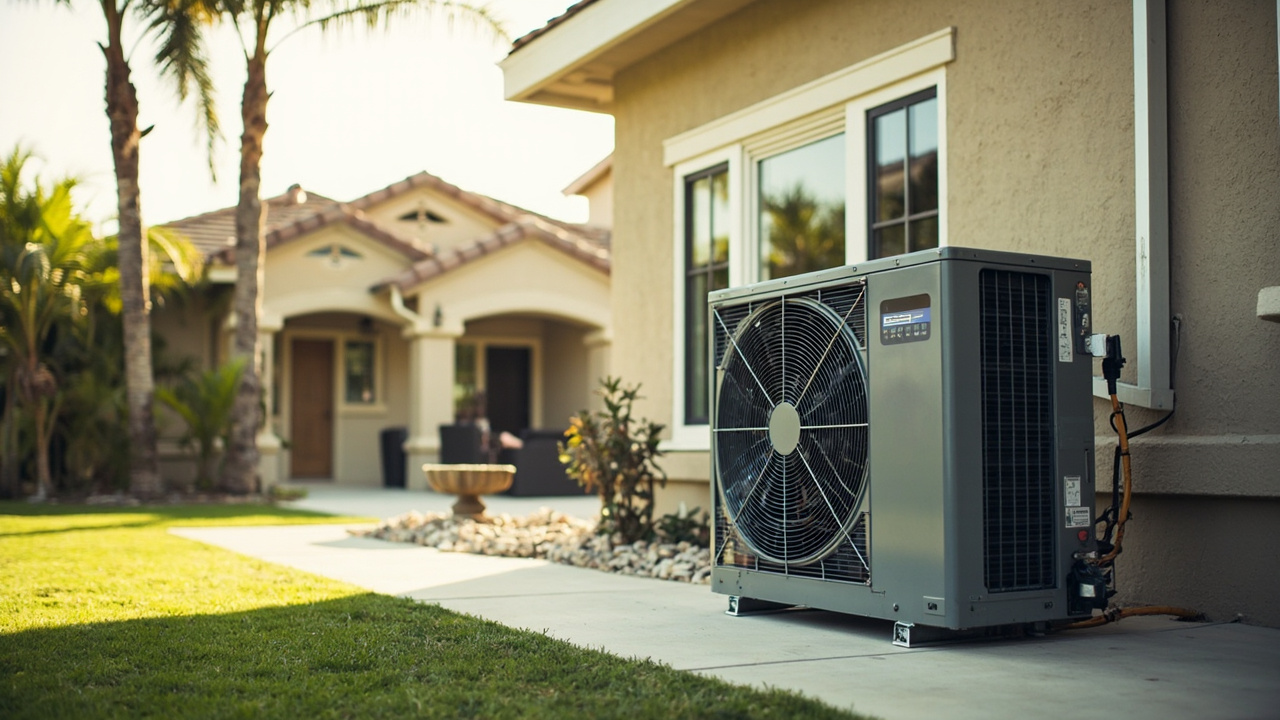
Heat transfer becomes significantly more difficult as the temperature difference between the indoor air and the outdoor air increases. Air conditioners work by moving heat from inside your home to the outside environment. When the air outside your Tarzana home is 110 degrees, the refrigerant in your outdoor condenser coil has a harder time releasing the heat it collected from your living room. A standard unit with a small condenser coil and a basic fan motor cannot dissipate heat fast enough to keep the refrigerant cycle efficient.
Many Tarzana homes were built in an era when insulation standards were lower. Large ranch homes with sprawling floor plans often have extensive ductwork running through hot attics. If your AC system is not high-efficiency, it lacks the static pressure capability to push cool air through these long runs while fighting the heat radiating from the roof. This results in hot spots in bedrooms furthest from the air handler. Homeowners often find themselves searching for fast Silver Lake AC repair without overpaying style advice only to realize that their Tarzana system is not broken but simply underpowered for the local geography.
Why SEER2 Ratings Matter for Tarzana Residents
In 2026, the industry uses the SEER2 rating system to measure efficiency. This standard provides a more accurate representation of how an AC unit performs under real-world pressure. For a home in the San Fernando Valley, a low SEER2 rating means the system will consume massive amounts of electricity just to maintain a basic level of comfort. High-efficiency units start at 16 SEER2 and can go much higher. These systems use larger coils and more advanced refrigerants to move heat more effectively even when the sun is beating down on your outdoor unit.
Switching to a high-efficiency system is about more than just lowering a bill. It is about reliability during a heatwave. When multiple homes in a neighborhood like Melody Acres are all drawing power at once, the local grid experiences strain. High-efficiency units often have lower starting amperage requirements. This means they are less likely to trip breakers or suffer from voltage drops during peak demand periods. They provide a level of stability that standard units cannot match.
| Feature | Standard AC Unit | High-Efficiency AC Unit | Variable Speed Heat Pump |
|---|---|---|---|
| Compressor Type | Single-Stage | Two-Stage | Variable-Inverter | Heat Performance | Struggles over 95F | Stable up to 105F | Optimal up to 115F+ | Effective even in extreme heat |
| Humidity Control | Poor | Good | Excellent |
| Electricity Use | High | Moderate | Very Low |
The Benefits of Variable Speed Technology
The biggest advancement for Tarzana homes is the variable-speed compressor. Unlike a standard unit that is either on or off, a variable-speed system can adjust its output in increments as small as one percent. If your home only needs a small amount of cooling to stay at 72 degrees, the system runs at a low, quiet speed. When the afternoon sun hits your windows, the system ramps up to meet the demand. This prevents the constant cycling that wears out motors and capacitors.
Variable-speed technology also excels at dehumidification. While Tarzana is generally dry, stagnant air can feel heavy inside a home. By running for longer cycles at lower speeds, these units pull more moisture out of the air. This makes 75 degrees feel like 72 degrees, allowing you to set your thermostat higher and save money without sacrificing comfort. If you are curious about how this technology differs from older heating methods, you might look into professional furnace maintenance in Pasadena to see how modern blowers improve airflow throughout the year.
Why You Should Consider a Heat Pump Instead
Many homeowners are surprised to learn that a high-efficiency heat pump is often the best choice for the Tarzana climate. Modern heat pumps are not the weak systems of the past. In 2026, they are highly advanced machines that provide both cooling and heating with incredible efficiency. They use the same cooling process as a standard AC but include a reversing valve that allows them to heat your home in the winter without using expensive gas or inefficient electric coils. This is a major reason why Santa Monica homeowners are switching to heat pumps this year and why the trend has moved into the Valley.
Heat pumps often qualify for the highest levels of rebates from the Los Angeles Department of Water and Power. Because they do not burn fossil fuels, they align with California environmental goals. For a Tarzana resident, this means you can upgrade to a superior cooling system and have a significant portion of the cost covered by local incentives. These systems are particularly effective in homes along the hillsides where temperature fluctuations between day and night can be dramatic.

The Importance of a Manual J Load Calculation
Installing a high-efficiency unit is only half the battle. If the unit is the wrong size for your home, it will still fail. Many contractors use a rule of thumb based on square footage. This is a mistake. A proper installation requires a Manual J load calculation. This process accounts for the direction your windows face, the type of insulation in your walls, the height of your ceilings, and the specific heat gain of the San Fernando Valley sun. According to the U.S. Department of Energy, an oversized unit will cycle on and off too frequently, while an undersized unit will never reach the target temperature.
In Tarzana, many older homes have undergone renovations like kitchen expansions or attic conversions. These changes alter the cooling needs of the building. We perform a detailed analysis of your home structure before recommending a specific unit. This ensures that the high-efficiency equipment you buy actually delivers the performance promised by the manufacturer. Without this calculation, you are guessing with your comfort and your investment.
Rebates and Financial Incentives for Tarzana Homeowners
Upgrading to a high-efficiency AC or heat pump involves a higher upfront cost, but current 2026 financial programs make it much more accessible. The Los Angeles Department of Water and Power (LADWP) and Southern California Edison (SCE) offer substantial rebates for equipment that meets specific SEER2 and EER2 ratings. These programs are designed to reduce the load on the electrical grid during the hottest parts of the year.
Additionally, federal tax credits are available for primary residences that install Energy Star certified equipment. When you combine these rebates with the monthly savings on your utility bill, the high-efficiency system often pays for itself within a few years. It is important to work with a contractor who understands the paperwork required to secure these funds. Many programs require a post-installation inspection or specific AHRI certificates to prove the system meets the efficiency claims. You can find more information about these standards at the Air-Conditioning, Heating, and Refrigeration Institute website.
| System Type | SEER2 Rating | Estimated Annual Cost | 10 Year Savings vs Standard |
|---|---|---|---|
| Old Standard Unit | 10-12 SEER | Highest | $0 |
| Modern Standard | 14.3 SEER2 | Moderate | Significant |
| High-Efficiency | 18 SEER2 | Low | Substantial |
| Premium Variable Speed | 20+ SEER2 | Lowest | Maximum |
Managing Zoning in Large Tarzana Properties
If you live in a large home near the El Caballero Country Club or the Braemar Country Club, you likely have rooms that are never used. Cooling the entire house to the same temperature is a waste of energy. A high-efficiency system allows for zoning. This divides your home into separate areas with their own thermostats. You can keep your bedrooms cool at night while the kitchen and living room stay warmer. During the day, you can focus all the cooling power on your home office or main living areas.
Zoning works best with variable-speed equipment because the system can lower its output to match the needs of a single zone. If you try to zone a standard single-stage unit, it often causes pressure problems in the ductwork because the blower cannot adjust to the restricted airflow. For homes where traditional ducting is an issue, we often suggest selecting the best ductless mini split installers for historic Beverly Hills homes style solutions which can be adapted for Tarzana properties to provide targeted cooling without any ductwork at all.
Steps to a Successful Installation
The process of replacing an aging AC unit in Tarzana should be thorough. A hurried installation leads to leaks, poor airflow, and shortened equipment life. Here is the standard procedure for a high-quality replacement:
- Initial Load Calculation: A technician visits your home to measure windows, insulation, and room sizes to determine the exact BTU requirements.
- Ductwork Inspection: We check for leaks, crushed sections, or poor design that would hinder a new high-efficiency system.
- Equipment Selection: We provide options based on your budget, efficiency goals, and the physical constraints of your equipment closet or outdoor pad.
- Permitting: We secure the necessary city permits to ensure the installation meets all local Los Angeles building codes.
- Professional Installation: The old unit is removed and recycled. The new indoor coil and outdoor condenser are installed with new refrigerant lines.
- System Charging: Refrigerant is added using digital gauges to ensure the exact levels required for maximum efficiency.
- Testing and Calibration: We verify airflow at every vent and program your new smart thermostat for your schedule.
Protecting Your Investment with Regular Care
Even the best high-efficiency system will fail if it is neglected. In the dusty environment of the San Fernando Valley, outdoor coils get dirty quickly. This dirt acts as an insulator, preventing the system from releasing heat. Regular maintenance is the only way to keep your SEER2 rating at its peak performance. This includes cleaning the condenser, checking refrigerant pressures, and replacing filters every three months. If you ever find yourself in a situation where the system stops unexpectedly, knowing how to find finding 24-7 emergency HVAC help in Los Feliz or your local area is vital, but prevention is always the better path.
Modern systems in 2026 often come with built-in diagnostics. These sensors can alert you to a problem before the system shuts down. High-efficiency units often have smart features that monitor the health of the compressor and the blower motor. By catching a small issue like a failing capacitor or a clogged drain line early, you avoid the stress of a total system failure during a 100 degree weekend. Proper care ensures that your Tarzana home remains a sanctuary from the Valley heat for many years.

Why Local Expertise Matters
Tarzana is not just another neighborhood. The homes here have specific needs based on their age and the local geography. A contractor from outside the area might not understand how the wind patterns off the Santa Monica Mountains affect outdoor units or how the specific soil types in the Valley can cause outdoor pads to shift. Working with a team that has spent decades in the local community ensures that every detail of your installation is handled correctly.
We understand the local building styles from the mid-century ranch homes near Reseda Boulevard to the newer custom builds in the hills. We know which systems stand up to the local heat and which ones fall short. When you choose to upgrade your cooling system, you are making a commitment to your comfort and your home value. Investing in high-efficiency technology is the most effective way to beat the Tarzana heat and gain control over your energy costs in 2026 and beyond.
If your current AC system is struggling to keep up with the rising temperatures, it is time to look at modern alternatives. Whether you are interested in a high-efficiency central air system or a versatile heat pump, there are solutions that will transform your home environment. Contact a local expert today to schedule a consultation and see how a custom-designed cooling system can provide the relief you need.
