How to Protect Your Outdoor AC Unit from Los Angeles Wind and Santa Ana Gusts
Porter Ranch homeowners face a specific set of environmental pressures that most Los Angeles residents rarely encounter. The geographic positioning of the Santa Susana Mountains creates a natural wind tunnel. This funneling effect accelerates Santa Ana winds as they move from the high desert toward the San Fernando Valley. While your house provides shelter for you, your outdoor air conditioning unit remains exposed to the full force of these 60 mile per hour gusts. Protecting your investment requires more than just a standard maintenance check. It demands a strategy built for the unique climate of 2026.
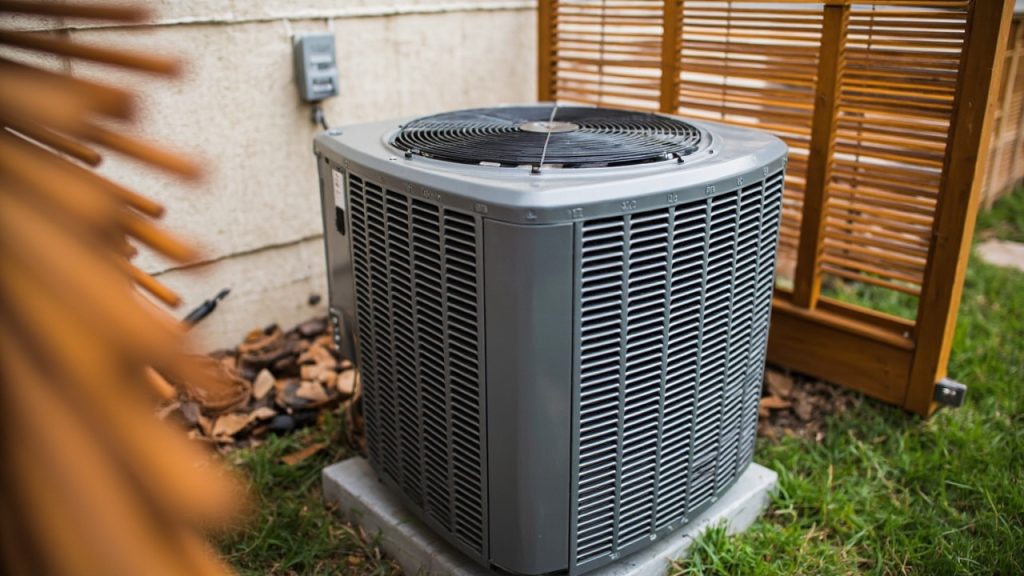
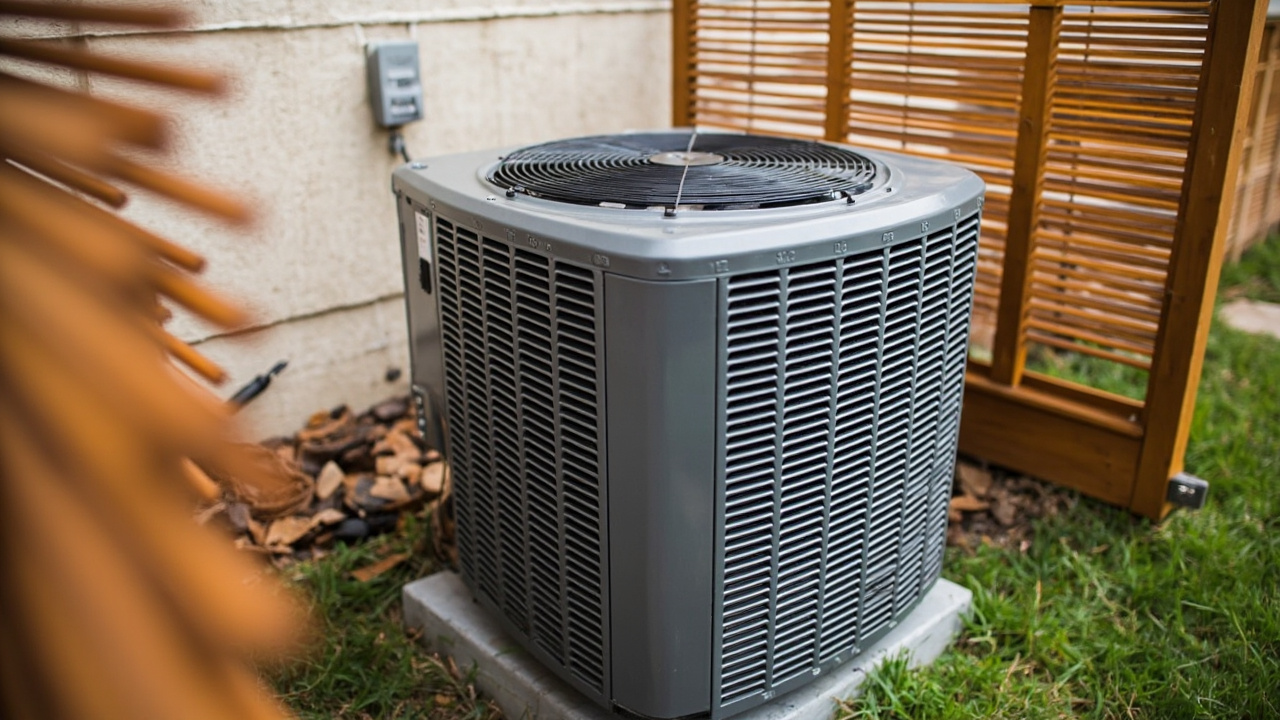
High winds cause two primary types of damage. First, physical debris like palm fronds, trash, and desert sand can clog or dent your system. Second, the wind itself interferes with the physics of how your air conditioner works. When gusts blow directly into the exhaust fan, they create back pressure that forces the motor to work twice as hard. This often leads to overheating or premature motor failure during the peak of summer. Understanding these mechanics is the first step toward securing your home comfort system against the elements.
Why High Winds Damage Your Porter Ranch HVAC System
The most common issue during a wind event is the wind-milling effect. This occurs when a strong gust catches the fan blades of your condenser while the unit is turned off. The wind spins the fan in the opposite direction of its natural rotation. When the thermostat calls for cooling, the motor attempts to start while spinning backward. This creates a massive electrical surge known as back-EMF. This surge can fry your start capacitor or the main control board. If you hear a loud humming or grinding noise after a windstorm, you might need to seek 24-7 emergency HVAC help in Los Feliz or your local area to prevent a total compressor lockout.
Sand and silt infiltration represent a slower but equally dangerous threat. Porter Ranch is surrounded by dry hills. During Santa Ana events, the air carries a high concentration of abrasive particulates. These particles act like sandpaper on the delicate aluminum fins of your condenser coil. Over time, the sand strips away the protective coatings on the copper tubing. This leads to formicary corrosion and refrigerant leaks. A system clogged with dust cannot exchange heat efficiently. This forces your unit to run longer cycles, which significantly increases your monthly energy bills under current 2026 utility rates.
The Impact of Debris on Condenser Fins
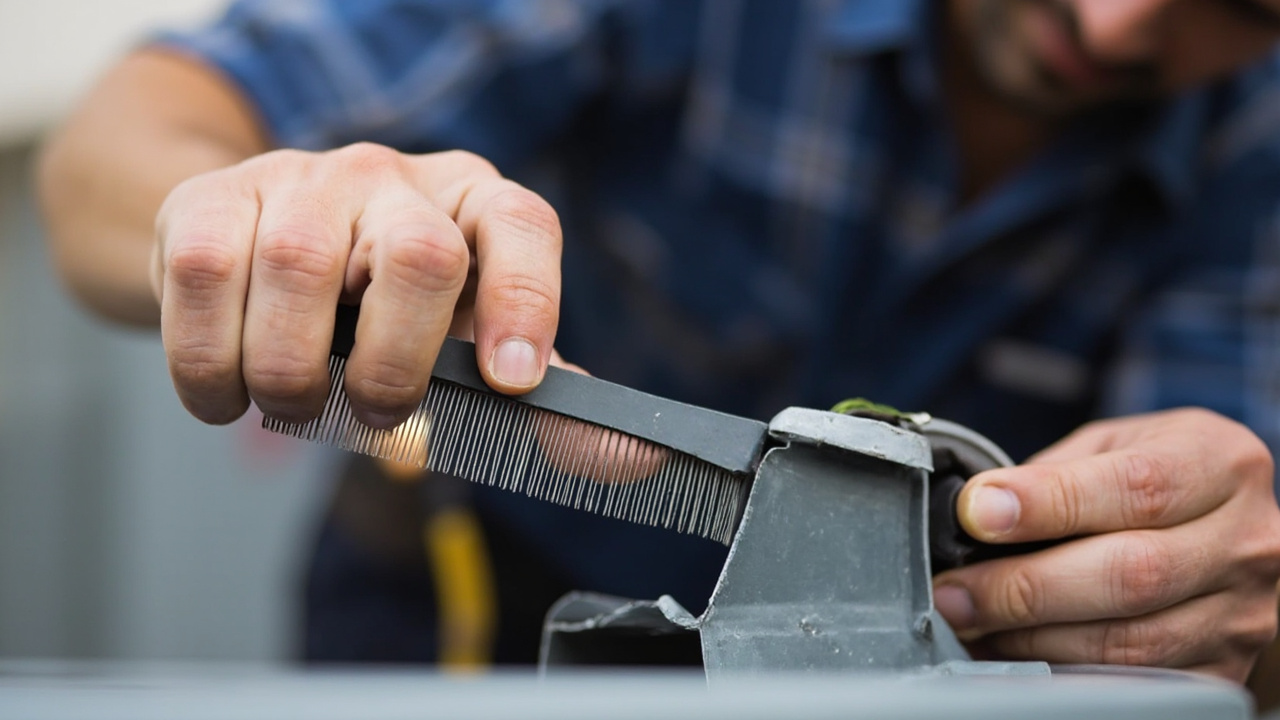
The condenser fins are the thin metal slats that surround your outdoor unit. They are designed to maximize surface area for heat dissipation. They are also incredibly fragile. Even a small piece of flying debris can flatten these fins, which blocks airflow. When enough fins are bent, the system cannot breathe. This leads to a high-pressure trip, where the system shuts down to protect the compressor from exploding. In some cases, the blockage is so severe that the compressor stays hot for hours, leading to internal oil breakdown and permanent mechanical damage.
Homeowners often try to fix these fins themselves using a flathead screwdriver. This is a mistake that usually leads to punctured refrigerant lines. Professionals use specialized fin combs to restore airflow without risking a multi-thousand dollar repair. If your system is older and has suffered years of wind damage, it may be time to consider modern alternatives. Many Santa Monica homeowners are switching to heat pumps this year because of their high efficiency and robust outdoor enclosures that handle coastal and windy environments better than traditional units.
Strategic Ways to Shield Your AC Unit
Creating a physical barrier is the most effective way to mitigate wind damage. However, you cannot simply box in your air conditioner. The system needs at least 24 inches of clear space on all sides to pull in air. A solid wall built too close to the unit will cause the hot exhaust air to recirculate back into the intake. This creates a feedback loop of heat that will kill a compressor in a single afternoon. The solution is a louvered windbreak. These structures use angled slats that break the force of the wind while still allowing for a massive volume of air to pass through at low speeds.
A louvered fence should be installed on the windward side of the property. In Porter Ranch, this usually means the north or northeast side. The fence should be at least one foot taller than the top of the AC unit. This diverts the main force of the gust over the top of the fan. If you are concerned about the cost of these upgrades, remember that a simple windbreak is significantly cheaper than a full system replacement. You can compare these costs against fast Silver Lake AC repair options to see how preventative measures save money over time.
| Protection Method | Estimated Cost in 2026 | Effectiveness Rating | Best For |
|---|---|---|---|
| Louvered Windbreak | Moderate | High | Constant high-wind corridors |
| Hurricane Straps | Low | Moderate | Preventing unit shifting |
| Custom Coil Guards | Moderate | High | Protection from flying debris |
| Strategic Landscaping | Variable | Medium | Long-term wind reduction |

The Proper Use of Protective AC Covers
Many people buy heavy vinyl covers to protect their units during the off-season. In Los Angeles, where we might need cooling even in the winter, these covers can be dangerous. If someone in the house turns on the AC while the cover is still on, the motor will burn out in minutes. Furthermore, heavy covers trap moisture against the metal cabinet. This leads to rust and electrical shorts. If you must use a cover during a windstorm, use a mesh cover. These are designed to stop large debris and sand while still allowing some airflow. They are much safer for the dry, unpredictable climate of the San Fernando Valley.
For those living in high-end areas with strict aesthetic requirements, finding the right balance between protection and looks is key. When selecting the best ductless mini split installers for historic Beverly Hills homes or modern Porter Ranch estates, ask about custom-engineered wind screens. These are designed to match the architecture of the home while meeting the strict airflow requirements specified by the manufacturer.
Comparison of Wind Damage Risks vs Prevention Costs
Investing in protection is a data-driven decision. The current 2026 cost of a high-efficiency compressor is substantial. When you add in the labor and the cost of modern refrigerants, the bill for a major repair can be overwhelming. In contrast, most wind protection strategies involve a one-time setup fee that lasts for the life of the unit.
| Risk Factor | Unprotected System Impact | Protected System Impact | 2026 Estimated Savings |
|---|---|---|---|
| Sand Abrasion | 15% Efficiency Loss per Year | Minimal Wear | High |
| Fan Motor Stress | Frequent Failure every 3-5 Years | Standard 12-15 Year Life | High |
| Debris Impact | Catastrophic Coil Leak | Surface Dust Only | Maximum |
| Energy Usage | 30% Increase during Wind Events | Stable Consumption | Moderate |
Airflow Restrictions and Overheating Risks
The physics of heat transfer requires a constant flow of air. Your AC unit works by moving heat from inside your house to the outside air. If the wind is blowing against the fan at 40 miles per hour, the fan has to fight that pressure just to push the heat out. This increases the amperage draw of the motor. High amperage leads to heat. Heat leads to the breakdown of the winding insulation inside the motor. This is why many Porter Ranch systems fail during the first major wind event of the season.
According to the U.S. Department of Energy, proper maintenance can improve efficiency by up to 15 percent. This maintenance must include checking the fan motor bearings and ensuring the fan blades are balanced. A fan blade that is slightly out of balance will vibrate violently when hit by high winds. This vibration can crack the copper refrigerant lines at their connection points. Regular inspections, similar to professional furnace maintenance in Pasadena, ensure that every part of your HVAC system is tightened and ready for the stress of a storm.
Los Angeles Specific Considerations and Codes
Los Angeles building codes in 2026 have specific requirements for outdoor equipment. All units must be secured to a concrete pad or a heavy-duty composite base. In high-wind zones like Porter Ranch, simply sitting the unit on the pad is not enough. You should use hurricane straps or anchor bolts to prevent the unit from shifting. If a unit shifts even an inch, it can kink the lineset, leading to a massive refrigerant leak that is expensive to repair and harmful to the environment.
Another local factor is the fire risk. High winds in Southern California often lead to red flag warnings. If your AC unit is surrounded by dry leaves or brush, a small electrical spark from a failing capacitor can start a fire. The wind will then whip those embers into the surrounding landscape. Keep a five-foot radius around your AC unit completely clear of any flammable material. This is not just for the health of your AC but for the safety of your entire property.
Maintenance Checklist for Wind Prone Areas
- Check the condenser fins for any signs of flattening or debris twice a month during wind season.
- Ensure the 24-inch clearance rule is being followed and no plants have grown too close to the intake.
- Inspect the outdoor electrical disconnect box to ensure the door is securely latched and no wind-driven rain can enter.
- Clear away any accumulation of sand or silt from the base of the unit to prevent bottom-up corrosion.
- Listen for any new clicking or humming sounds that indicate a motor is struggling against wind resistance.
- Verify that the refrigerant line insulation is intact and has not been shredded by wind-blown debris.
Long Term Planning for Porter Ranch Homeowners
As we move through 2026, the technology for outdoor unit protection continues to evolve. Some modern systems now include variable speed fans that can adjust their torque in real-time to compensate for wind resistance. If you are planning a system upgrade, look for units with high-density hail guards. These are thicker metal screens that provide a first line of defense against flying objects without restricting airflow. These units are specifically built for the harsh, gusty climates found in the foothills of the San Fernando Valley.
The wind is a permanent fixture of life in Porter Ranch. While you cannot stop the Santa Anas from blowing, you can control how they affect your home comfort. By implementing a combination of physical barriers, regular maintenance, and professional monitoring, you can extend the life of your air conditioner by years. Do not wait for a catastrophic failure during a heatwave to realize your system was vulnerable. Take the steps today to anchor, shield, and maintain your unit. This proactive approach ensures that when the winds howl through the canyons, your home remains a cool and quiet sanctuary. If you notice any performance drops during a storm, contact a local technician immediately to perform a diagnostic check and prevent further damage.
{
“@context”: “https://schema.org”,
“@type”: “BlogPosting”,
“headline”: “Why Your Porter Ranch AC Struggles During High Winds and How to Protect It”,
“description”: “Learn how to protect your AC from Santa Ana winds in Porter Ranch. Expert tips on windbreaks, debris prevention, and maintaining airflow during high gusts.”,
“wordCount”: 1843,
“datePublished”: “2026-04-03T10:35:00.000Z”,
“dateModified”: “2026-04-03T10:35:00.000Z”,
“inLanguage”: “en-US”,
“mainEntityOfPage”: {
“@type”: “WebPage”,
“@id”: “https://aplushvaclosangeles.com”
},
“publisher”: {
“@type”: “LocalBusiness”,
“name”: “A Plus HVAC Los Angeles”,
“url”: “https://aplushvaclosangeles.com”
},
“author”: {
“@type”: “Organization”,
“name”: “A Plus HVAC Los Angeles”,
“url”: “https://aplushvaclosangeles.com”
},
“image”: {
“@type”: “ImageObject”,
“url”: “https://aplushvaclosangeles.com/wp-content/uploads/2026/03/why-your-porter-ranch-ac-struggles-during-high-win-1.jpg”
}
}
{
“@context”: “https://schema.org”,
“@type”: “HVACBusiness”,
“name”: “A Plus HVAC Los Angeles”,
“url”: “https://aplushvaclosangeles.com”,
“address”: {
“@type”: “PostalAddress”,
“addressLocality”: “Los Angeles”
},
“areaServed”: {
“@type”: “City”,
“name”: “Los Angeles”
}
}
{
“@context”: “https://schema.org”,
“@type”: “BreadcrumbList”,
“itemListElement”: [
{
“@type”: “ListItem”,
“position”: 1,
“name”: “Home”,
“item”: “https://aplushvaclosangeles.com”
},
{
“@type”: “ListItem”,
“position”: 2,
“name”: “Blog”,
“item”: “https://aplushvaclosangeles.com/blog”
},
{
“@type”: “ListItem”,
“position”: 3,
“name”: “Why Your Porter Ranch AC Struggles During High Winds and How to Protect It”
}
]
}
{
“@context”: “https://schema.org”,
“@type”: “Service”,
“serviceType”: “HVAC”,
“provider”: {
“@type”: “LocalBusiness”,
“name”: “A Plus HVAC Los Angeles”,
“url”: “https://aplushvaclosangeles.com”
},
“areaServed”: {
“@type”: “City”,
“name”: “Los Angeles”
},
“description”: “Learn how to protect your AC from Santa Ana winds in Porter Ranch. Expert tips on windbreaks, debris prevention, and maintaining airflow during high gusts.”
}
